The fishing industry is undergoing a silent revolution. Gone are the days when a simple styrofoam box or a basic plastic tub was sufficient for the modern angler. As we look toward 2026, the market demands high-performance gear that integrates technology, sustainability, and extreme durability. For brands and retailers, selecting the right fishing cooler bag distributor is no longer just a procurement task—it is a strategic decision that defines your competitiveness in a crowded market.
Whether you are a startup scaling your operations or an established brand like weierken refining your supply chain, the criteria for selecting partners have shifted. This guide digs deep into the realities of the 2026 market, moving beyond basic price comparisons to actionable insights on strategy, quality, and long-term viability.

1. Defining Your Brand DNA and Product Strategy (The 2026 Perspective)
Before you even send an email to a potential fishing cooler bag distributor, you must have a crystal-clear internal roadmap. The fishing demographic is fracturing into distinct sub-cultures, and a “one-size-fits-all” approach is a recipe for mediocrity.
Positioning in a Fragmented Market
Are you targeting the high-end tournament angler who needs ice retention for 72 hours, or the casual weekend family looking for a lightweight picnic-style cooler?
- High-End Professional: Demands RF-welded seams, airtight zippers, and marine grade coolers capable of withstanding saltwater corrosion.
- Recreational/Entry-Level: Prioritizes affordability, portability, and stylish designs.
- Eco-Conscious: A rapidly growing segment in 2026. These buyers look for products made from recycled TPU or biodegradable insulation foams.
anticipating Future Trends
Your distributor must be ready to supply products that fit the technological landscape of 2026. We are seeing a surge in demand for smart outdoor equipment. Does your potential partner have the capability to source or manufacture bags with integrated temperature sensors, solar-charging panels for bait aerators, or internal LED lighting systems?
Furthermore, as brands like weierken continue to innovate, the integration of multi-functional designs—such as bags that double as seats or feature modular attachment points (MOLLE systems) for tackle—is becoming standard. If your wholesale fishing gear partner is still stuck selling designs from 2015, they will drag your brand down with them.
2. Assessing Niche Expertise and Channel Fit
A generalist distributor who sells everything from yoga mats to pet toys often lacks the specific “on-water” knowledge required for fishing. You need a specialist.
The “Angler’s Eye” Test
A true expert fishing cooler bag distributor understands the specific pain points of the end-user. They know that a zipper failure isn’t just an annoyance—it can ruin a catch worth hundreds of dollars.
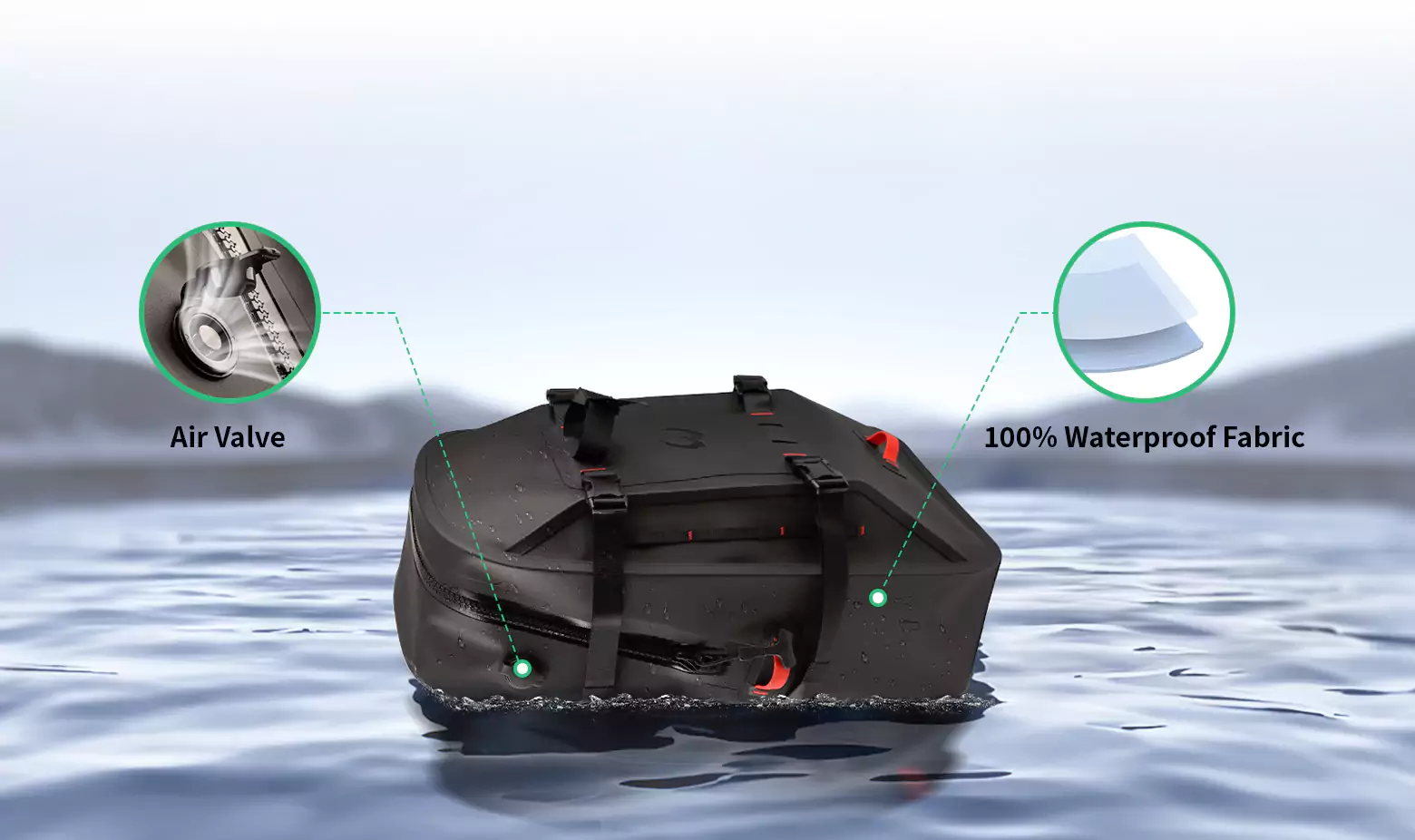
- Waterproofing vs. Water Resistance: Does the distributor understand the difference? For kayak anglers, a bag must be submersible.
- Ease of Cleaning: Fish slime and blood are notorious for causing odors. A professional distributor will recommend non-absorbent, antimicrobial interior liners.
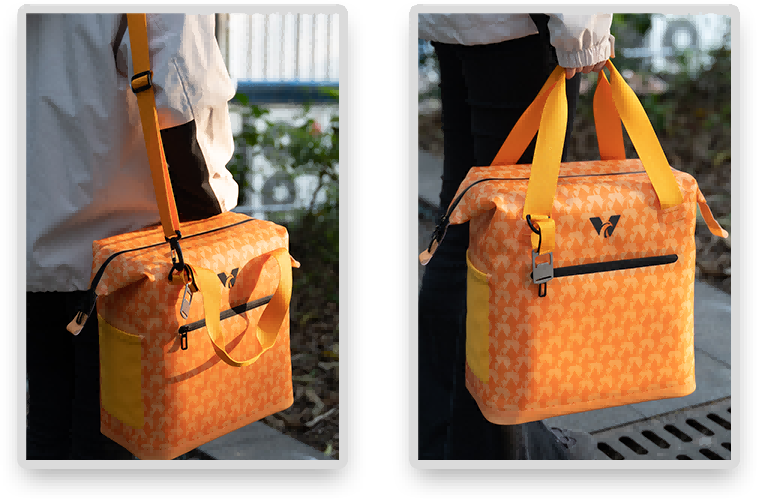
- Portability: They should offer insights into ergonomics, suggesting padded shoulder straps or backpack-style coolers for anglers trekking to remote spots.
Channel Network Compatibility
Evaluate where the distributor’s current strengths lie. If your goal is to penetrate high-end tackle shops and marine supply stores, you need a custom cooler bag supplier with a reputation in those specific circles. Conversely, if you are an e-commerce brand, you need a partner familiar with the packaging requirements of Amazon FBA or direct-to-consumer drop-shipping logistics to prevent damage during transit.
3. Validating Performance: Certifications and Field Testing
In the world of soft sided cooler manufacturers, specs on a spreadsheet often differ from reality. By 2026, consumers are more educated and skeptical; they demand proof.
The Ice Retention Reality Check
“Keeps ice for days” is a marketing fluff phrase. You need data. reliable fishing cooler bag distributor should be able to provide third-party lab reports detailing thermal retention curves.
- Ambient Temperature Testing: Ask for data showing performance in 95°F+ (35°C+) heat, simulating a summer day on a boat deck.
- Insulation Type: Verify the density of the closed-cell foam. Higher density means better cold retention but a stiffer bag. Your partner should help you balance this trade-off.
Durability and “Torture” Testing
Fishing environments are hostile. The bags face UV radiation, saltwater spray, sharp fish spines, and treble hooks.
- Puncture Resistance: Ask if the outer shell material (usually 840D or higher Nylon/TPU) has been tested against punctures.
- Load Bearing: Can the handle support 50lbs of fish and ice without tearing at the stitch points?
- Real-World Evidence: Look for distributors who provide video evidence of their products in action. Seeing a bag getting tossed onto a rocky shore or dragged across a boat deck provides more confidence than a paper certificate.
Top-tier suppliers often invite clients to witness these tests. At weierken, we have found that rigorous pre-market testing is the only way to minimize return rates and build brand loyalty.
4. Supply Chain Resilience and Customization Agility
The global supply chain disruptions of the early 2020s taught us that resilience is key. In 2026, a robust outdoor equipment supply chain is your safety net.
The OEM/ODM Capability
If you want to build a brand, you cannot simply slap a logo on a generic product. You need customization.
- R&D Strength: Does the distributor have an in-house design team or close ties to an OEM fishing bag factory? Can they take your sketch of a specialized bait pocket and turn it into a sample within two weeks?
- Molding and Tooling: For unique hardware (custom zipper pulls, reinforced bases), the ability to open new molds quickly and affordably is a massive advantage.
Capacity and Logistics
Fishing is seasonal. You need a partner who can ramp up production in Q4 and Q1 to ensure you are stocked for the spring fishing season.
- Raw Material Reserves: innovative distributors maintain a “safety stock” of popular fabrics and insulation foams to mitigate upstream shortages.
- Small Batch Flexibility: As you test new 2026 product lines, you might not want to commit to 5,000 units immediately. A partner willing to support small batch trial runs demonstrates a commitment to your long-term growth.
5. Sustainability and Long-Term Partnership Ecosystems
Sustainability is no longer a “nice-to-have”; it is a license to operate. Regulatory pressure in Europe and North America regarding plastic waste is tightening.
The Green Mandate
Your fishing cooler bag distributor must be proactive in offering eco-friendly fishing gear solutions.
- Recycled Materials: Look for rPET (recycled polyethylene terephthalate) or TPU derived from recycled sources.
- Chemical Safety: Ensure all materials are BPA-free and meet FDA food contact standards, as these bags carry food and catch.
- Carbon Footprint: Ask about their logistics. Do they optimize container loading? Do they use minimal, plastic-free packaging?
Strategic Support
A transactional vendor sells you a product; a strategic partner helps you sell it.
- VMI (Vendor Managed Inventory): For larger orders, can they hold stock and ship on demand to improve your cash flow?
- Marketing Assets: High-quality photos, white-label videos, and technical copy provided by the distributor can save your marketing team weeks of work.
Building a relationship with a forward-thinking brand like weierken or a comparable high-level distributor ensures that as the market evolves, your supply chain evolves with it.
Choosing the right fishing cooler bag distributor for 2026 requires a shift in mindset. It is about looking under the hood of their operations—testing their technical knowledge, auditing their supply chain resilience, and ensuring their values align with the sustainable future of the outdoors.
Don’t settle for a catalogue pusher. Look for a partner who understands the difference between a bass boat and a deep-sea charter, and who cares as much about the ice retention rate as you do. Whether you are collaborating with established industry players like weierken or vetting new entrants, rigorous due diligence is the foundation of your future success.
Frequently Asked Questions (FAQ)
Q1: What is the typical Minimum Order Quantity (MOQ) for a custom fishing cooler bag distributor?
A: MOQs vary significantly based on the level of customization. For off-the-shelf items with simple logo printing, MOQs can be as low as 50-100 units. However, for a fully custom OEM fishing bag factory order involving specific dimensions, colors, or custom-molded parts, distributors typically require 500 to 1,000 units to justify the production setup costs.
Q2: How can I verify if a distributor’s cooler bags are truly “leak-proof”?
A: True leak-proof bags usually rely on RF (Radio Frequency) welding technology rather than traditional stitching, combined with airtight zippers (often TIZIP or similar generic airtight brands). You should request a “pressure test” video or sample where the bag is filled with air and submerged to check for bubbles. This is a standard validation method for leak-proof cooler technology.
Q3: What are the best insulation materials for fishing cooler bags in 2026?
A: The gold standard remains NBR (Nitrile Butadiene Rubber) or high-density closed-cell EPE foam. In 2026, we are also seeing more “hybrid” insulations that offer thinner profiles with equal thermal resistance. Avoid open-cell foam for fishing, as it absorbs water and odors if the liner is punctured.
Q4: How long does it take to develop a new cooler bag design from scratch?
A: A capable custom cooler bag supplier typically needs 2-4 weeks for the initial prototyping phase (design confirmation and sample making). Once the sample is approved, mass production usually takes 45-60 days, depending on raw material availability and the season. Always factor in an extra 30 days for ocean freight.
Q5: Can distributors help with sustainable packaging for retail?
A: Yes, reputable distributors experienced in the outdoor equipment supply chain are well-versed in eco-friendly requirements. They can replace polybags with biodegradable corn-starch bags or recycled paper wraps and ensure that hangtags utilize soy-based inks. Be sure to specify this requirement early in the negotiation phase.