The global pizza delivery landscape is fiercely competitive. Beyond the recipe, the final moment of truth occurs when the box is opened at the customer’s door. A lukewarm, soggy pizza translates directly into lost revenue and damaged reputation. For businesses from sprawling chains to local independents, the unsung hero in this battle for temperature integrity is the pizza thermal bag. However, not all providers are created equal. Choosing the right pizza thermal bag distributor is a strategic procurement decision that impacts operations, brand perception, and the bottom line. It’s about partnering with a specialist who understands the nuanced engineering behind effective thermal retention in mobile environments.
Moving beyond basic procurement, a top-tier partner like Weierken operates more as a solutions provider, deeply embedded in the challenges of food logistics. Let’s explore the five core capabilities that distinguish a true industry professional from a mere supplier.
Product Performance and Technical Adaptation Capability
A professional distributor’s foundation is their product portfolio’s inherent quality and adaptability. This isn’t just about selling a bag; it’s about matching precise engineering to specific use cases.
Insulation Duration and Material Science
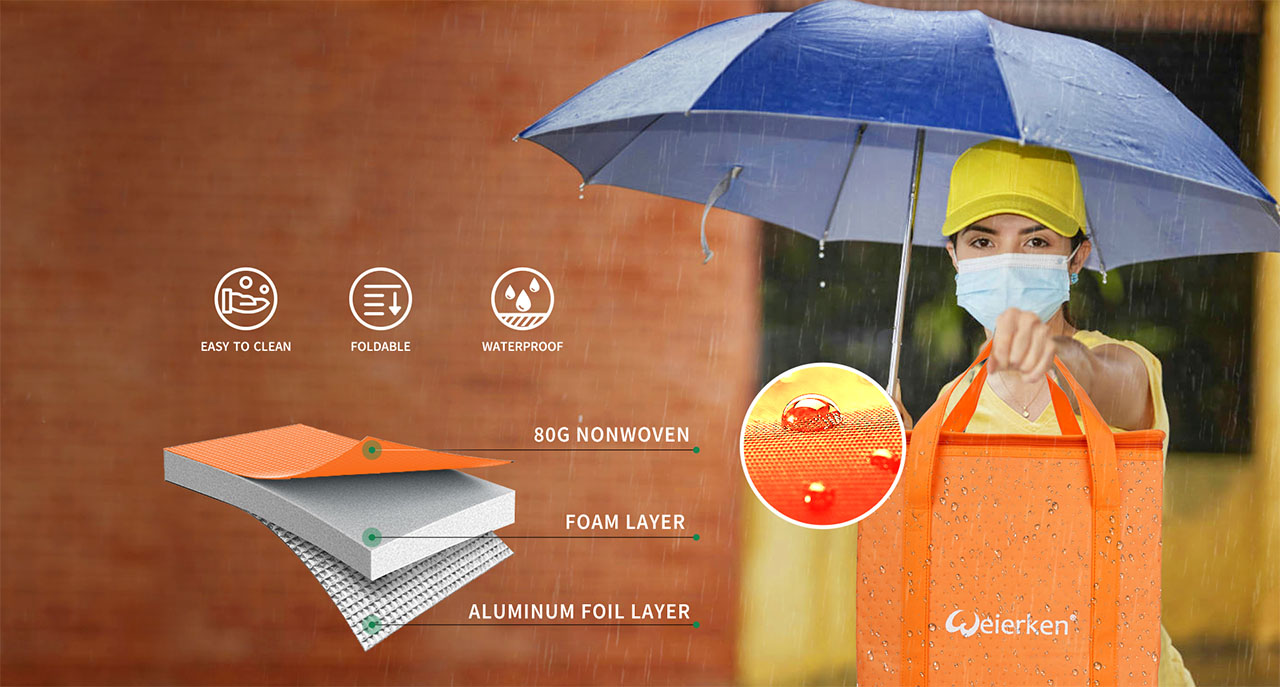
The primary metric is consistent temperature holding. High-grade distributors offer bags with clearly tested performance data (e.g., maintains core temperature above 140°F/60°C for 45-60 minutes). Look for multi-layered insulation—often combining closed-cell foam and reflective barriers—rather than simple padded fabric.
Durability and Safety Compliance
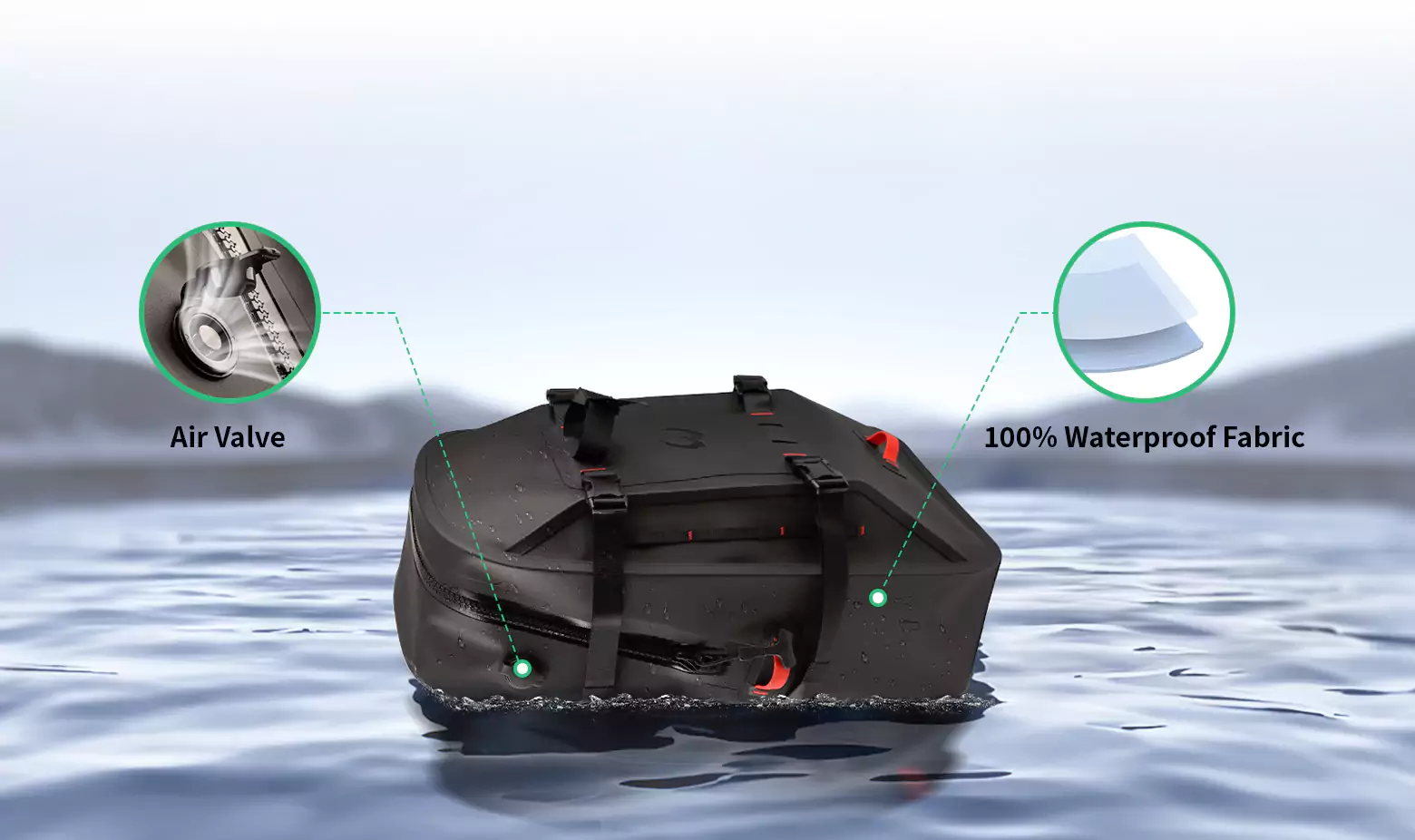
Bags endure constant loading, abrasion, and weather. Heavy-duty, waterproof outer shells (like 600D polyester) and reinforced stitching are non-negotiable. Internally, all materials must be certified food-safe and easy to wipe clean. A professional pizza thermal bag distributor will readily provide material safety datasheets.
Scenario-Specific Adaptation
A one-size-fits-all approach fails. A distributor must offer a range optimized for different delivery modes.
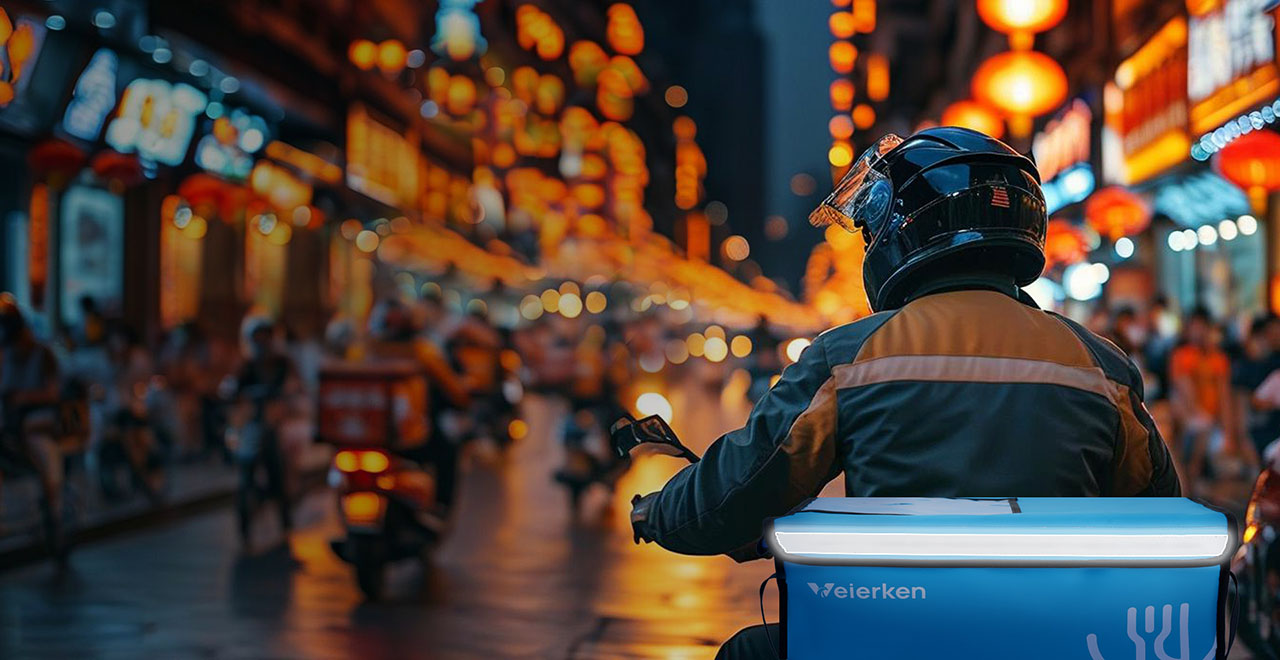
- E-Bike/Cycle Delivery: Lightweight, streamlined bags with secure shoulder straps and balanced weight distribution.
- Car Delivery: Larger, multi-compartment carriers that stack several pizzas efficiently while protecting them during turns.
- Walk-in/Counter Collection: Compact, presentable bags for take-out customers, emphasizing brand visibility and handle comfort.
Weierken’s approach here is exemplary, offering a product matrix defined by delivery logistics rather than just size, ensuring technical specs meet real-world strain.
Supply Chain and Inventory Management Capability
Your ability to fulfill orders hinges on your distributor’s operational backbone. Reliability is key.
Stable Supply and Production Capacity
They should have direct, audited relationships with manufacturers, controlling quality from source. This prevents the disruptions common in loosely managed trading networks.
Agile Response and Fulfillment Speed
Can they handle a sudden order for 200 bags from a growing regional chain? Professional distributors maintain strategic stock levels of standard items for quick turnaround, with clear lead times for larger or custom orders.
Peak Demand Planning
The holiday season or a major sports event spikes demand. A capable partner anticipates this, working with clients on forecast-based inventory planning to ensure you’re never caught short during your busiest, most profitable periods.
Customization and Brand Synergy Capability
For B2B clients, a thermal bag is a mobile billboard. A professional distributor enables brand storytelling.
Logo and Graphic Integration
They should offer high-quality printing methods (screen printing, heat transfer, or durable patches) that withstand frequent cleaning and outdoor exposure. Fading or peeling logos project poor quality.
Color and Design Flexibility
Aligning with a brand’s color palette requires a distributor with access to a wide range of fabric colors and the ability to execute bespoke design adjustments, moving beyond a few standard templates.
Functional Brand Enhancement
It’s about integrating branding without compromising function. A good distributor advises on optimal logo placement for visibility without weakening insulation seams, turning a utility item into a potent marketing tool. This synergy is a core part of the value Weierken delivers to franchise owners and ambitious independents alike.
Industry Insight and Holistic Solution Capability
Deep product knowledge is good; understanding pizza delivery pain points is better. The best distributors act as consultants.
Climate-Aware Strategies
They offer different recommendations for humid coastal areas versus cold, dry interiors. This might involve specific liners or accessory recommendations for extreme conditions.
Complementary Accessories
A true solutions provider doesn’t stop at the bag. They can supply or recommend validated accessories: reusable heating elements (heat packs), insulated pizza pouch dividers, external weather covers, or even delivery ecosystem items like portable payment devices.
Training and Best Practice Support
Some leading distributors provide simple guide materials on optimal loading techniques or bag care—small insights that significantly extend product life and performance for your staff.
After-Sales Service and Sustainable Partnership Capability
The post-purchase relationship defines a true partnership. It’s about long-term support, not a one-time transaction.
Clear Warranty and Policies
Professional terms include warranties against manufacturing defects and transparent, fair policies for returns or replacements. This demonstrates confidence in product quality.
Proactive Support and Guidance
This includes providing clear care instructions and being available to answer operational questions. It’s about ensuring the product delivers its intended value over its full lifecycle.
Growth-Oriented Evolution
As a client’s business grows—adding new store locations or entering new delivery channels—the distributor should be capable of scaling supply, iterating on custom designs, and advising on product mix evolution. This forward-looking support fosters a true strategic alliance, a commitment Weierken embodies with its client partnership programs.
Selecting a pizza thermal bag distributor is a decision that resonates through your customer reviews and operational efficiency. By meticulously evaluating potential partners across these five dimensions—Product Performance, Supply Chain Reliability, Customization, Industry Insight, and After-Sales Service—businesses can secure more than a supplier. They gain a logistical partner invested in the quality of their delivered product. Partners like Weierken exemplify this model, proving that the right expertise in thermal logistics directly safeguards product quality, enhances brand equity, and protects hard-earned customer loyalty in the demanding world of food delivery.
Frequently Asked Questions (FAQs)
Q1: What should be my top priority when choosing a pizza thermal bag distributor for my small restaurant?
A1: For a small independent restaurant, product performance matched to your primary delivery mode (e.g., scooter vs. car) and supplier reliability are crucial. You need bags that definitively keep food hot, from a distributor who can deliver small batches promptly and consistently, ensuring you never run out. A partner who offers straightforward customization for your logo is also a key value-add for brand building.
Q2: How can a pizza thermal bag distributor help our chain reduce long-term costs?
A2: A professional distributor reduces TCO (Total Cost of Ownership) through durable, high-quality bags that last significantly longer, reducing frequent replacement costs. Their efficient supply chain minimizes downtime or rush order fees. Furthermore, their industry insight can help optimize your bag fleet, preventing over-purchasing and identifying the most cost-effective models for different store profiles.
Q3: We have unique pizza box sizes. Can distributors accommodate custom interior dimensions?
A3: Yes, a truly capable pizza thermal bag distributor will offer custom sizing services. This involves creating bags with interior dimensions tailored to your specific box sizes, ensuring a snug fit that maximizes thermal efficiency by minimizing empty air space. Discuss this requirement early in your sourcing process to confirm their minimum order quantities and capabilities for such modifications.
Q4: What questions should I ask a potential distributor about their supply chain resilience?
A4: Key questions include: “Where are your primary manufacturing facilities?” “What is your standard and expedited lead time for a 500-unit order?” “How do you manage inventory for peak season demand?” and “Can you provide references from clients you’ve supplied during high-volume periods like the Super Bowl or New Year’s Eve?” Their answers will reveal their preparedness and stability.
Q5: Beyond the bag itself, what kind of after-sales service is reasonable to expect?
A5: Expect clear warranty documentation (e.g., 1-year against seam failure), accessible customer service for troubleshooting, and provision of care/cleaning instructions. Some top-tier distributors conduct periodic check-ins to assess if your needs have changed and offer refreshers on best practices. This proactive approach ensures you continue to get the maximum value from your investment.