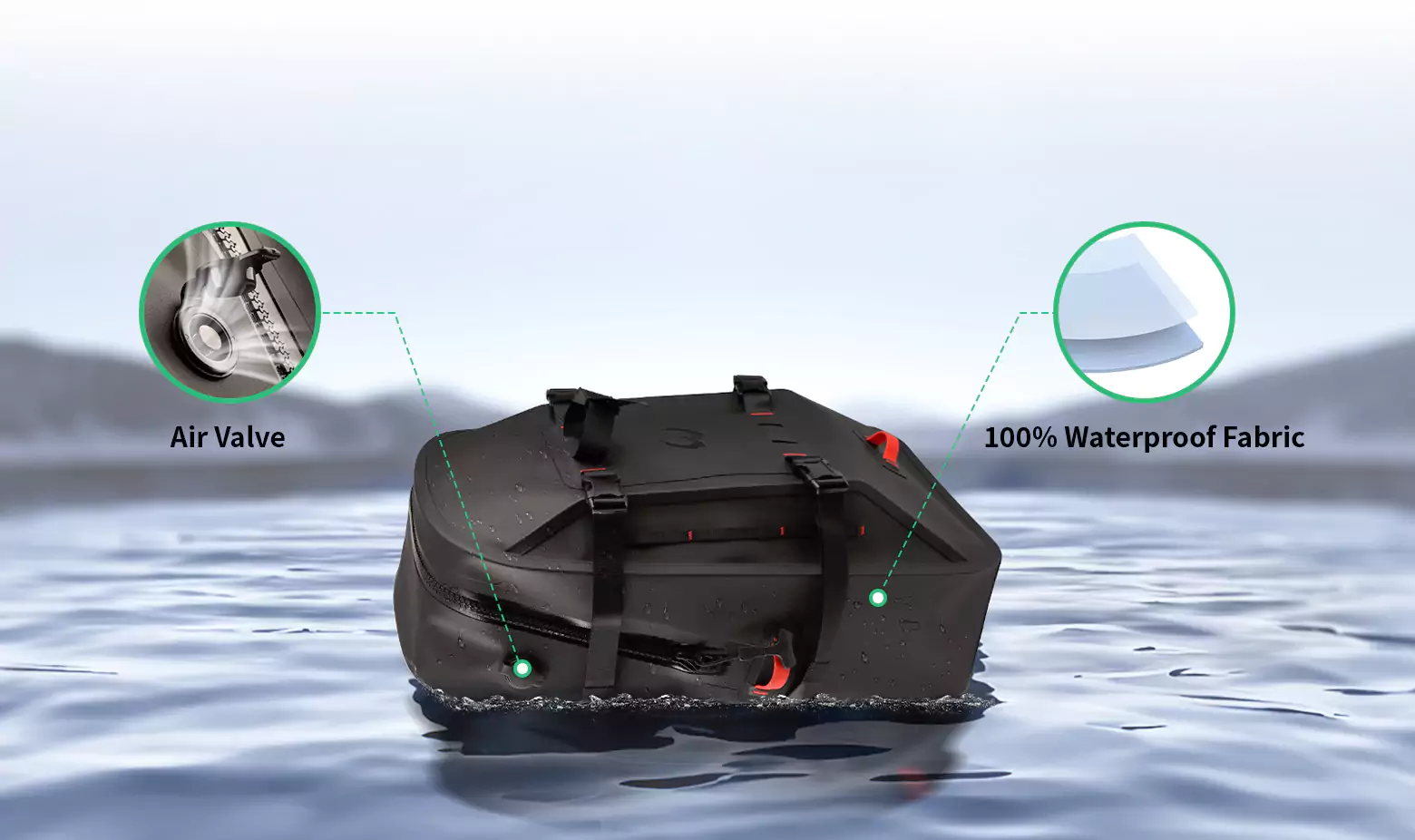
The quiet hum of a refrigerated truck at 4:00 AM is the heartbeat of the dairy industry. Yet, the most critical transition happens the moment that truck door opens. The “last mile” is where profit margins are either preserved or evaporated by the rising sun. If you are a procurement manager or a logistics director, you know that your choice of a dairy delivery bag distributor is not just about buying polyester and foam; it is about investing in a mobile insurance policy for your liquid assets.
In a world where consumers expect farm-fresh quality within hours of milking, the hardware used to transport that milk must be flawless. Brands like weierken have spent years perfecting this transition, understanding that a failure in the delivery bag is a failure in the brand promise. Selecting the right partner requires a deep dive into technical specifications that go far beyond the surface level.
As the industry moves toward 2026, the criteria for selecting a dairy delivery bag distributor have shifted from “cheap and functional” to “technological and compliant.” This article explores the five non-negotiable features you must demand from your distributor to ensure your cold chain remains unbroken and your brand remains reputable.

1. Professional Temperature Control and Data-Backed Validation
The primary job of a dairy bag is to fight physics. Heat is the enemy of milk, and a professional dairy delivery bag distributor should be able to explain exactly how their products win that fight. It is no longer enough to claim a bag is “well-insulated.” You need to see the science.
Look for a distributor that utilizes advanced insulation technologies, such as high-density EPE foam, Vacuum Insulation Panels (VIP), or Phase Change Materials (PCM). PCM, in particular, is a game-changer for dairy, as it can absorb and release thermal energy to maintain a precise temperature range (typically 2°C to 8°C) for extended periods, even in extreme summer heat.
Beyond the materials, ask for data. An elite distributor will provide testing reports from independent third-party laboratories. These reports should detail performance under specific variables: ambient external temperature, the “pre-cooling” state of the bag, and most importantly, the “opening frequency.” In real-world dairy delivery, bags are opened and closed dozens of times. Your distributor should provide data proving that their bag can recover its internal temperature quickly after each drop-off.
2. Comprehensive Food Safety and Material Compliance
When you are transporting dairy, you are transporting a highly sensitive food product. The interior lining of a delivery bag is in close proximity—and sometimes direct contact—with milk containers. Therefore, a dairy delivery bag distributor must be an expert in global safety standards.
Every material used, from the inner silver foil to the heat-sealed seams, must carry food-grade certifications. At a minimum, you should require FDA (US), LFGB (Europe), or GB 4806 (China) compliance certificates. These ensure that no harmful chemicals, such as phthalates or heavy metals, will migrate from the bag to the milk bottles.
Furthermore, as global regulations like the EU’s Single-Use Plastics Directive expand, your distributor should offer sustainable options. This includes rPET fabrics made from recycled water bottles or compostable liners that meet TÜV OK compost standards. Partners like weierken prioritize these compliance frameworks, ensuring that their clients don’t just meet today’s laws but are prepared for the stricter regulations coming in the next few years.
3. Durability for High-Frequency Use and Hygiene-First Design
Dairy delivery is a brutal environment for equipment. Bags are tossed into vans, dragged across pavement, and exposed to rain, snow, and spilled milk. A low-quality bag will fall apart in three months, leading to a high “total cost of ownership” despite a low initial price.
When evaluating a dairy delivery bag distributor, examine the “wear points.” Are the handles reinforced with cross-stitching? Is the base of the bag protected by a hard-wearing, waterproof PVC or molded rubber tray? The use of premium components, such as YKK zippers and Duraflex buckles, is often a sign of a distributor that understands the daily grind of a delivery driver.
Hygiene is equally critical. Spills are inevitable in the dairy business. If a bag has deep seams or porous interior fabric, it will eventually grow mold and emit odors. Demand “easy-clean” designs—smooth, non-porous interior linings that can be wiped down with sanitizer in seconds. Some premium distributors even offer removable, machine-washable inner liners, which significantly extend the hygienic life of the bag.
4. Deeply Integrated OEM/ODM Customization Capabilities
Your delivery bag is a mobile billboard. It is often the only physical touchpoint a customer has with your brand. Therefore, your dairy delivery bag distributor should act as an extension of your design team, not just a warehouse of generic goods.
A distributor with strong OEM (Original Equipment Manufacturer) and ODM (Original Design Manufacturer) capabilities can optimize the bag for your specific logistics. For example:
- Custom Compartments: Do you deliver glass bottles, cardboard cartons, or yogurt cups? The internal structure should be modular to prevent clinking and breakage.
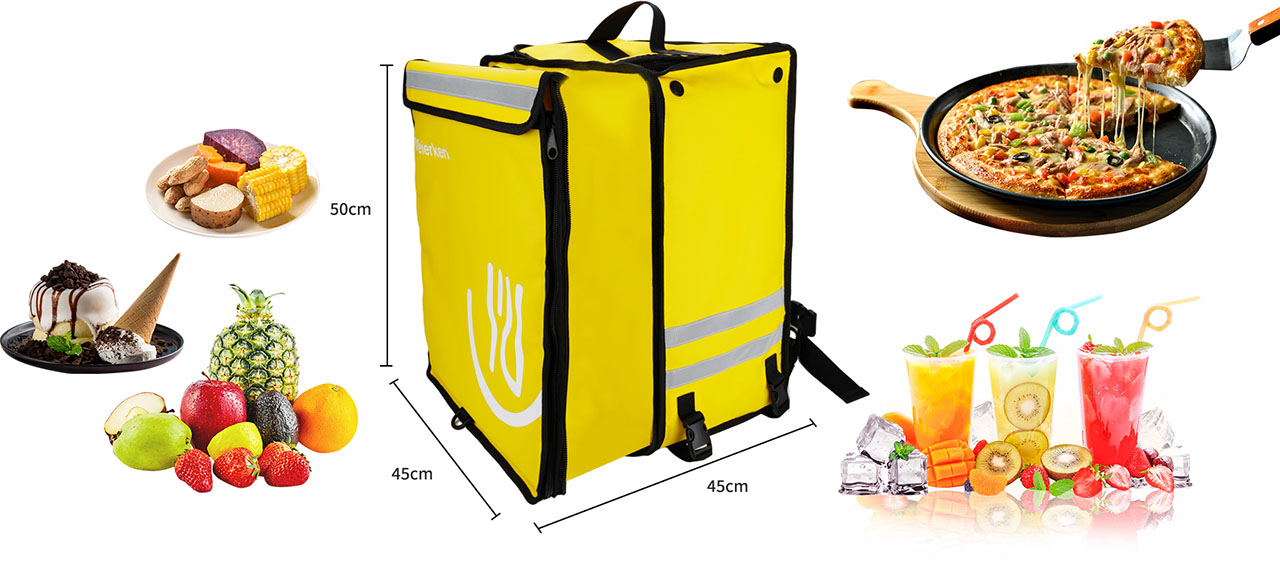
- Vehicle Integration: Does the bag need to fit perfectly on the back of an e-bike, a bicycle, or a specialized delivery rack?
- Smart Features: Can the distributor integrate a transparent pocket for a digital thermometer or an NFC chip for inventory tracking?
Professional partners like weierken offer a transparent customization process. This includes clear timelines for prototyping, a defined policy on mold fees, and a commitment to intellectual property rights for your custom designs. If a distributor cannot provide a high-quality physical sample within 7–10 days, they likely lack the manufacturing depth required for a large-scale dairy operation.
5. Regional Supply Chain and Agile Logistics Response
The dairy industry moves fast, and your supply chain must move faster. If you experience a sudden surge in subscribers or a seasonal promotion, you cannot wait 12 weeks for a shipment of bags to cross the ocean. This is where the geographic footprint of your dairy delivery bag distributor becomes a competitive advantage.
An ideal distributor maintains a regionalized supply chain. This might mean having manufacturing facilities in multiple countries or strategically located “forward warehouses” near major metropolitan hubs. This setup allows for “Just-in-Time” (JIT) delivery, reducing your need to tie up capital in massive amounts of inventory.
Agility also applies to order sizes. In 2026, the most successful distributors are those that support flexible, multi-batch, small-volume orders. This “flexible manufacturing” approach allows you to test new bag designs or limited-edition branding without committing to tens of thousands of units upfront. Ask your distributor about their Minimum Order Quantity (MOQ) flexibility and their ability to scale production rapidly if your business takes off.
The difference between a successful dairy brand and one that struggles with quality issues often comes down to the details of the cold chain. Selecting a dairy delivery bag distributor is a strategic decision that impacts your operational efficiency, your regulatory safety, and your customer satisfaction.
By focusing on temperature validation, food safety compliance, rugged durability, custom design, and supply chain agility, you ensure that your milk arrives at the doorstep exactly as the cow intended: cold, fresh, and safe. Industry leaders like weierken continue to push the boundaries of what a delivery bag can do, proving that with the right technology, the last mile can be the strongest link in your chain.
Don’t settle for a vendor who simply ships boxes. Look for a partner who understands the nuances of the dairy industry and can grow alongside your business. The right dairy delivery bag distributor is out there—make sure you ask the right questions to find them.
Frequently Asked Questions
Q1: What is the typical lifespan of a professional dairy delivery bag?
A1: A high-quality bag from a reputable dairy delivery bag distributor should last between 12 to 24 months of daily high-frequency use, provided it features reinforced stitching, high-grade zippers, and abrasion-resistant exterior fabrics.
Q2: How do I verify if the bag materials are truly food-safe?
A2: You should request formal certification documents (FDA, LFGB, or REACH reports) specifically for the inner lining materials. A transparent distributor will provide these reports from recognized testing bodies like SGS or Intertek.
Q3: Can these bags maintain temperatures in extreme climates?
A3: Yes, but it requires specific configurations. For regions with temperatures exceeding 35°C, you should look for bags that utilize thicker insulation (20mm+) and are designed to accommodate gel ice packs or Phase Change Materials (PCM).
Q4: What is the benefit of a “modular” interior design for dairy delivery?
A4: Modular interiors use adjustable Velcro dividers. This allows you to secure different-sized containers (like a 2L milk jug and a small yogurt cup) in the same bag, preventing movement that could lead to leaks or damage during transport.
Q5: How does customization affect the lead time for new orders?
A5: Typically, a professional dairy delivery bag distributor will take 7–14 days for prototyping. Once the design is approved, mass production usually takes 30–45 days, depending on the complexity and volume of the order.
Q6: Are there eco-friendly options that still provide high thermal performance?
A6: Absolutely. Many distributors now offer rPET (recycled polyester) outer shells and PFAS-free waterproof coatings. When paired with high-performance insulation, these eco-friendly bags perform just as well as traditional materials.
Is your current delivery equipment putting your dairy products at risk?
The cold chain stops for no one. If you are looking for a reliable, high-performance partner to elevate your delivery standards, we are here to help. At weierken, we specialize in the engineering and distribution of world-class thermal solutions tailored specifically for the dairy industry.
[Inquiry Now to Get a Professional Technical Consultation and Quote]