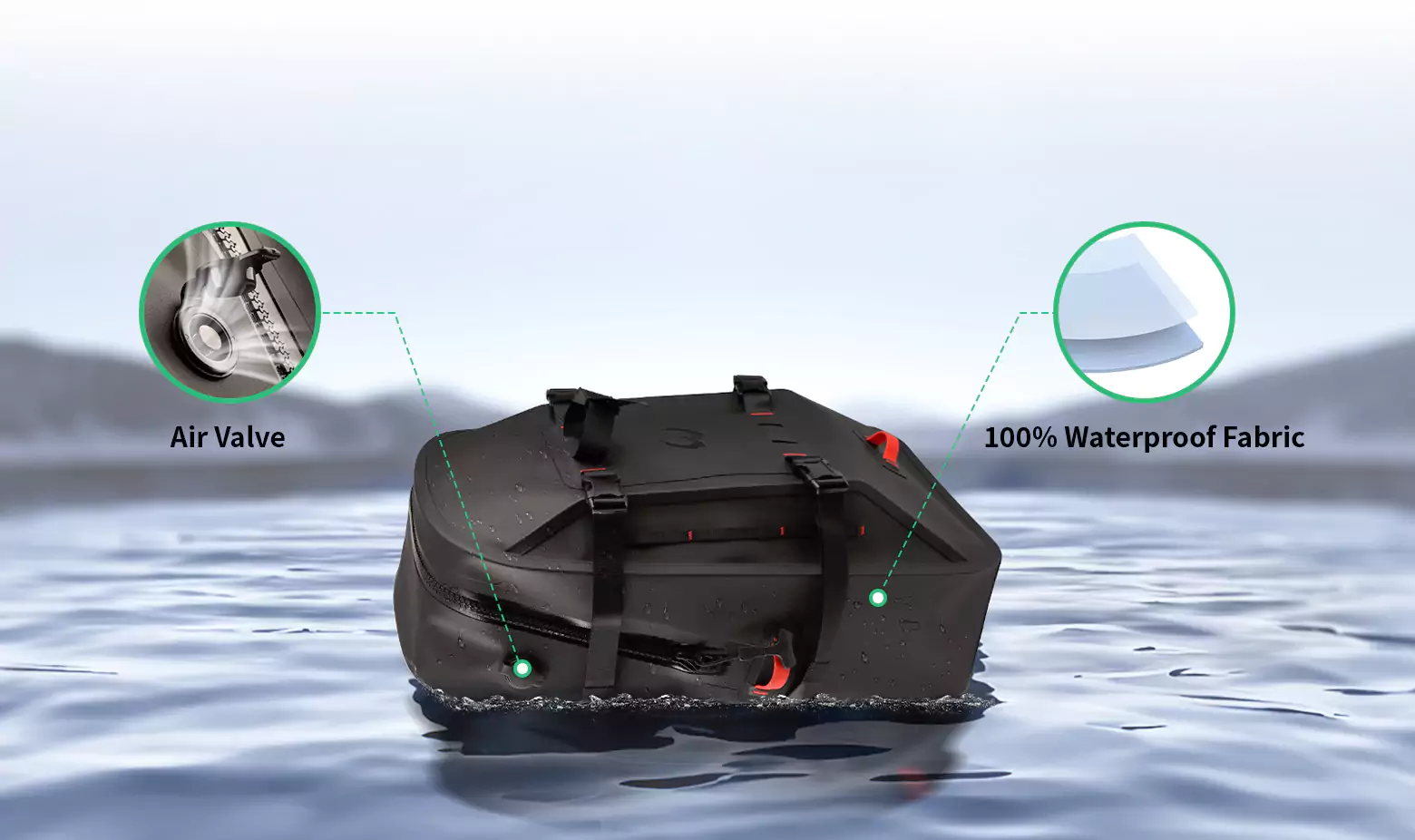
In the competitive world of outdoor gear, the margin between a bestseller and a stagnant product often lies in the quality of your supply chain. As water sports like kayaking, paddleboarding, and stream trekking continue to surge in popularity, the demand for high-performance gear has skyrocketed. Among these, the floatable backpack has emerged as a critical piece of equipment—not just for storage, but for safety.
However, sourcing these specialized products isn’t as simple as finding a generic bag factory. You need a partner who understands buoyancy, waterproofing standards, and rugged durability. Finding a reliable floatable backpack distributor is the linchpin of your brand’s success. Whether you are a startup looking to make a splash or an established retailer expanding your catalog, the distributor you choose will dictate your product quality, profit margins, and brand reputation.
Brands like weierken have set a benchmark in this industry by combining manufacturing prowess with keen market insight, demonstrating how vital the right partnership is. But how do you find a partner that matches that caliber? This guide outlines the five essential steps to vetting and selecting the perfect manufacturing partner for your business.
1. Clarify Your Brand Positioning and Distribution Needs
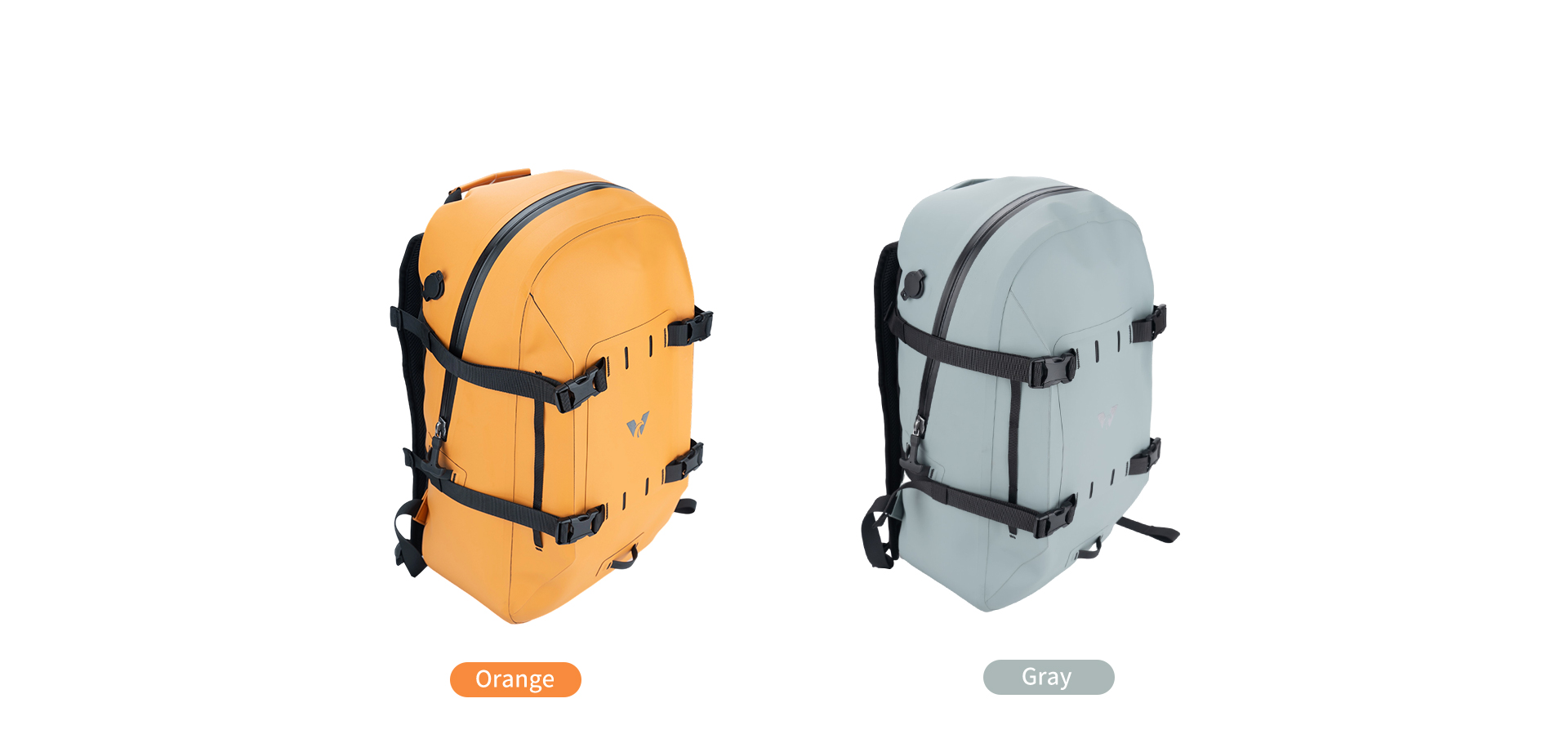
Before you even send out your first inquiry email, you must look inward. A common mistake many brand owners make is casting a wide net without knowing exactly what they want to catch. The term floatable backpack distributor can refer to various types of entities: from high-volume wholesalers to niche boutique suppliers.
Define Your Market Segment
Are you targeting high-end professional adventurers who need military-grade TPU materials? or are you targeting casual weekend beachgoers who are price-sensitive? Your target audience dictates the cost structure and quality requirements of your distributor. If your brand positioning is “affordable family fun,” a distributor specializing in high-end, expensive technical gear will not be a good financial fit, regardless of their quality.
Determine Your Distribution Model
You also need to map out how you intend to sell these products.
- Exclusive Agency: Do you want to be the only brand selling this specific design in your country? You need a partner willing to sign exclusivity agreements.
- Regional Distribution: Are you focusing on a specific state or region?
- Online-Only (DTC): If you are selling strictly via Shopify or Amazon, you might need a waterproof bag supplier who offers drop-shipping services or has experience with FBA (Fulfillment by Amazon) packaging requirements.
By presenting a clear “Requirement Brief” to potential partners, you filter out mismatched candidates immediately. You want a partner who looks at your growth plan and says, “Yes, we have the infrastructure to support that,” much like how weierken aligns its production capabilities with the specific scaling needs of its clients.
2. Evaluate the Distributor’s Product Line and Innovation Capabilities
Once you have a list of potential partners, it is time to look at what they are actually selling. A top-tier floatable backpack distributor should not just be a warehouse of old stock; they should be an active participant in market trends.
Assessing Product Portfolio Alignment
Review their current catalog. Do they offer a wide range of liter sizes (20L, 30L, 50L)? Do they have different closure systems (roll-top vs. airtight zippers)? If their current lineup looks like it hasn’t changed since 2015, that is a red flag. You want a distributor that offers modern floating gear with ergonomic straps, air valves for inflation/compression, and modular attachment points.
Innovation and Design Support
The outdoor market moves fast. Next year’s trend might be eco-friendly recycled materials or integrated solar panels. Ask the distributor about their R&D (Research and Development) capabilities.
- Can they customize? Beyond just slapping a logo on a bag, can they modify the shape?
- New Features: Do they proactively suggest functional upgrades, such as adding a whistle buckle for safety or a reflective strip for night visibility?
A partner that lacks innovation will force your brand to stagnate. You need a custom dry bag manufacturer that brings ideas to the table, helping you stay ahead of competitors rather than just copying them.
3. Audit Quality Certifications and Compliance Documents
When selling a “floatable” product, you are flirting with the safety category. If a customer relies on your backpack to provide buoyancy in an emergency, failure is not an option. Therefore, vetting the quality and compliance of a floatable backpack distributor is more rigorous than sourcing t-shirts.
Requesting the Right Paperwork
Do not just take their word for it. Demand to see the documentation.
- Material Safety: Ask for REACH compliance (for Europe) or CA Prop 65 (for the US) to ensure the PVC or TPU materials are free from harmful toxins.
- Waterproof Ratings: Look for IPX certification reports (e.g., IPX6 or IPX7). A bag claimed to be “waterproof” without testing data is a liability.
- Buoyancy Testing: Have they conducted tests to see how much weight the bag can float with?
The Importance of Physical Sampling
Never sign a bulk order contract based on photos alone. Request samples and test them to the limit. Submerge them, drag them over rocks, and leave them in the sun. A reputable outdoor gear supplier will be confident enough in their product to encourage this testing. You are looking for welded seams that don’t peel and fabric that doesn’t crack under stress. This step is the firewall protecting your brand’s reputation.
4. Examine Supply Chain Stability and Logistics Capabilities
We live in an era of global supply chain volatility. The most beautiful product in the world is useless to you if it is stuck in a container port three weeks after your peak season has ended.
Inventory and Lead Times
You need to understand the distributor’s “heartbeat.”
- Stock Levels: Do they keep raw materials (fabric, buckles) in stock, or do they order everything on demand? The latter causes long delays.
- Production Capacity: Can they handle a sudden spike in orders? If your marketing campaign goes viral, can the floatable backpack distributor ramp up production, or will they bottle-neck?
International Logistics Experience
Shipping air-tight, voluminous backpacks can be expensive because they take up space (dimensional weight). An experienced distributor will know how to pack efficiently to save you money. Ask about their experience with freight forwarders and customs clearance. Do they understand the Harmonized System (HS) codes for waterproof floating bags to avoid unnecessary tariffs? Their ability to navigate these logistical hurdles is just as important as the product itself.
5. Systematically Assess OEM/ODM Capabilities and Cooperation
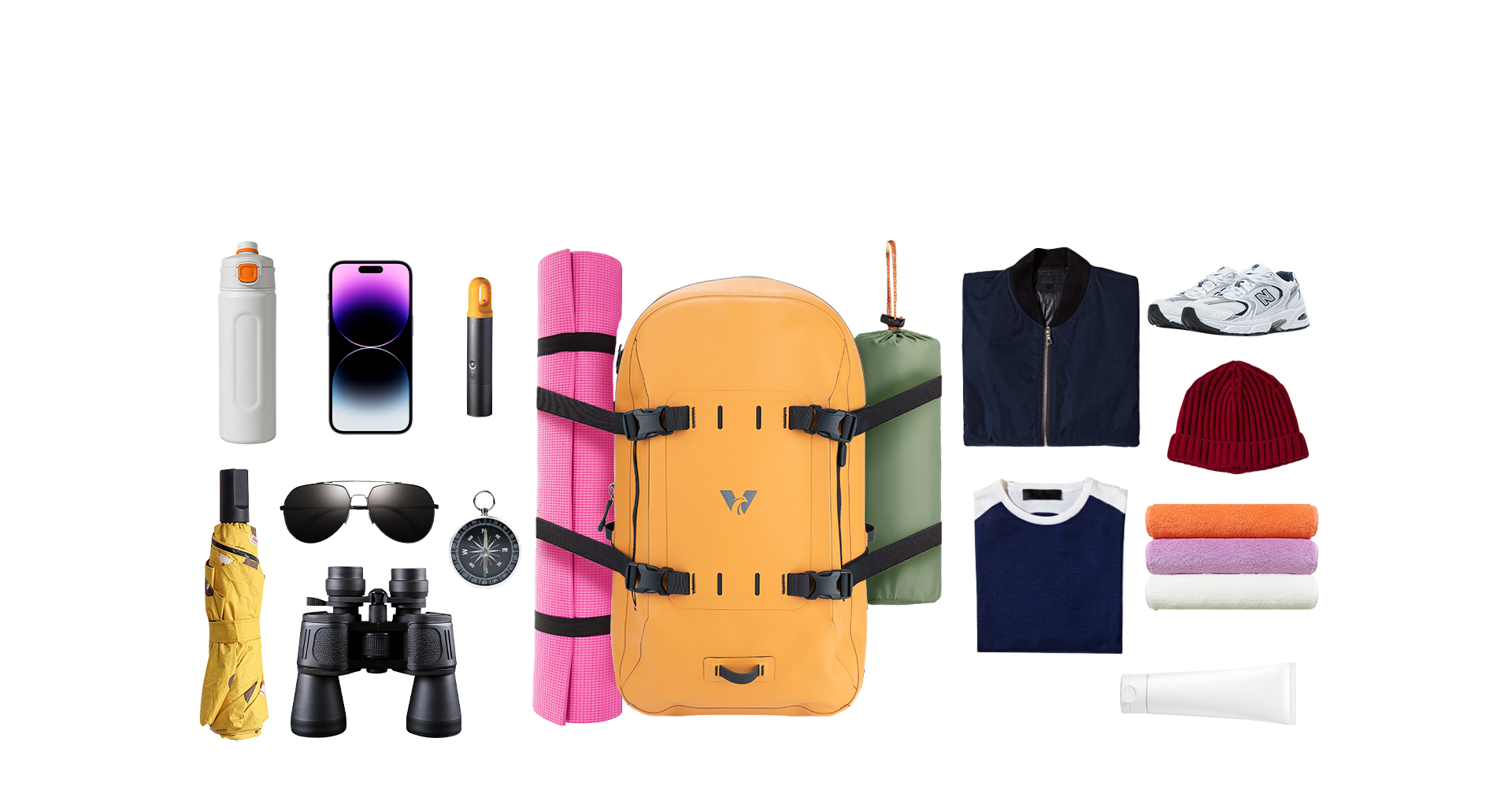
For many brands, off-the-shelf products aren’t enough. To build a unique brand identity, you likely need custom manufacturing. This is where you must distinguish between a simple trader and a capable OEM (Original Equipment Manufacturer) or ODM (Original Design Manufacturer) partner.
This is often where industry leaders like weierken shine, as they possess the integrated systems required to take a napkin sketch and turn it into a retail-ready product.
The ODM/OEM Checklist
To thoroughly vet a partner for customization, you need to dig deep into five specific areas:
A. Independent Design Team
Does the distributor have in-house industrial designers? A true ODM backpack partner can help you refine your concept. If you want a specific ergonomic back panel for hiking, their team should be able to provide 3D renderings and technical drawings, not just wait for you to provide them.
B. Mold Development Strength
Floatable backpacks often use high-frequency welding technology and specific molds for RF (Radio Frequency) welding.
- Tooling Costs: Ask about the cost of opening new molds.
- Ownership: If you pay for a custom mold, who owns it? Ensure that the floatable backpack distributor agrees that the mold is your intellectual property and cannot be used for other clients.
C. Material Library Resources
A strong manufacturer has deep connections with raw material suppliers. They should offer you a library of fabric swatches—500D PVC, 840D Nylon TPU, Ripstop fabrics, etc. They should also have access to high-quality hardware (buckles, zippers like TiZip or YKK). Limited material choices result in a generic-looking product.
D. Sample Development Process
Time is money. Ask about their sampling lead time.
- Speed: Can they produce a custom sample in 7-10 days?
- Flexibility: Are they willing to make revisions? Some factories get frustrated after the second round of changes. You need a partner with the patience to get the product perfect.
E. Handling Small Batch Customization
Finally, assess their Minimum Order Quantity (MOQ) flexibility. While large factories prefer orders of 5,000+ units, modern branding often requires agility. Can the floatable backpack distributor handle a trial order of 300 or 500 units for a specific colorway? This flexibility allows you to test the market without over-investing in inventory.
Selecting the right partner is a strategic decision that impacts every facet of your business, from product safety to customer satisfaction. It requires moving beyond price comparison and evaluating the holistic capabilities of the supplier.
By clearly defining your needs, ensuring product innovation, auditing safety compliance, verifying logistics, and deeply assessing OEM/ODM capabilities, you position your brand for long-term growth. You are not just buying a bag; you are buying the engineering, the safety testing, and the logistical expertise behind it.
Companies that succeed in this niche—much like weierken—understand that a floatable backpack is a life-affirming piece of equipment for the end-user. Your distributor should take that responsibility as seriously as you do. Take the time to follow these five steps, and you will secure a supply chain that acts as a buoyant force for your brand, keeping you afloat in a competitive market.
Frequently Asked Questions (FAQ)
1. What is the difference between a water-resistant backpack and a floatable backpack?
A water-resistant backpack can handle light rain but cannot be submerged. A floatable backpack is typically 100% waterproof (often IPX6 or IPX7 rated) and is designed with airtight seals (like roll-tops or airtight zippers). This traps air inside, allowing the bag to float on the water’s surface if dropped, protecting the gear inside and potentially aiding the user.
2. What is the standard MOQ (Minimum Order Quantity) for a custom floatable backpack distributor?
MOQs vary significantly based on the level of customization. For off-the-shelf items with a simple logo print, MOQs can be as low as 100–300 units. However, for a fully custom OEM dry bag project requiring specific fabric colors and custom molds, reputable distributors usually require 500 to 1,000 units per color to make the production run cost-effective.
3. How can I verify if the distributor’s materials are eco-friendly?
You should request specific certification documents. Look for materials that are TPU (Thermoplastic Polyurethane) rather than PVC if you want a more eco-friendly option. Additionally, ask for certifications like GRS (Global Recycled Standard) or compliance with REACH (Europe) and CA Prop 65 (USA), which restrict the use of harmful chemicals in the manufacturing process.
4. How long does the sample development process usually take for a custom design?
For a capable floatable backpack distributor, the sampling process typically takes 7 to 14 days after the design specs are confirmed. This includes sourcing the specific materials and setting up the welding machines. If new metal molds need to be created for unique shapes, add an extra 10–15 days to the timeline.
5. Can a floatable backpack be used as a life preserver?
Generally, no. While high-quality floatable backpacks provide significant buoyancy, they are technically classified as “floating gear” or “dry bags,” not Personal Flotation Devices (PFDs) or life jackets. A responsible waterproof bag supplier will clearly state in their user manual and labeling that the product is for gear protection and assistive buoyancy, but should not replace a certified life jacket for non-swimmers.