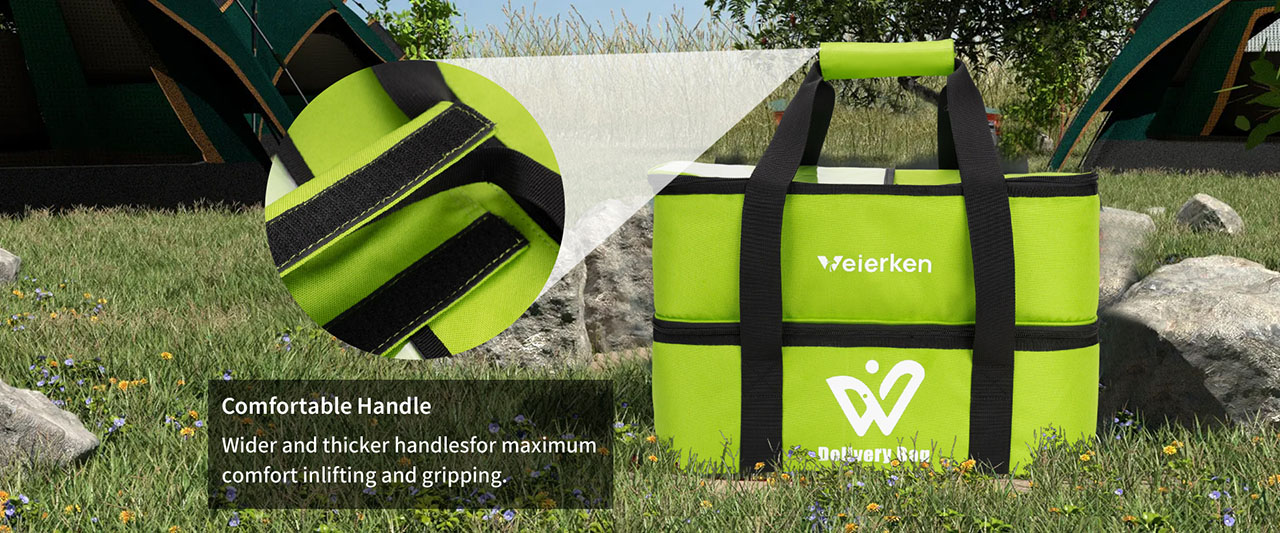
When you run a meal delivery service, a school lunch program, or a corporate canteen, the humble lunch insulated bag becomes a critical tool. It keeps food safe, fresh, and at the right temperature—and it carries your brand’s reputation. Choosing the right lunch insulated bag fabricator isn’t just about price; it’s about food safety, durability, and on-time delivery. Over the years, partners like weierken have helped businesses turn their ideas into reliable, custom insulated bags. Here’s a five‑step process to find the fabricator that fits your operation.
Step 1: Define Your Requirements & Product Specifications
Before you contact any supplier, put your needs on paper. Vague requests lead to vague quotes. A clear spec sheet helps both sides — and fabricators like weierken often use detailed questionnaires to capture exactly what you need.
Temperature goals
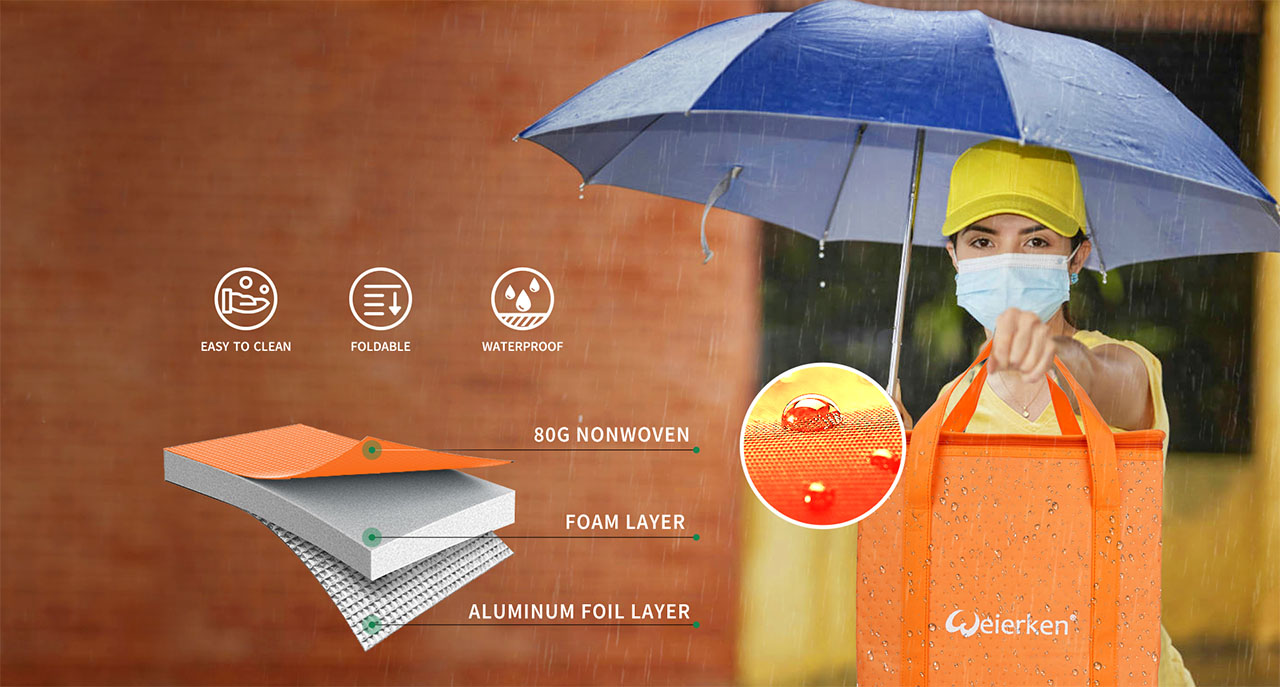
- Hot hold (>60°C), cold hold (<5°C), or mixed? This decides the insulation type (PE foam, VIP panels) and whether an aluminized reflective layer is needed.
- Thickness & layers: Thicker foam (8‑15 mm) extends retention but adds weight.
Dimensions & internal layout
- List your standard meal container sizes (round, square, compartment trays).
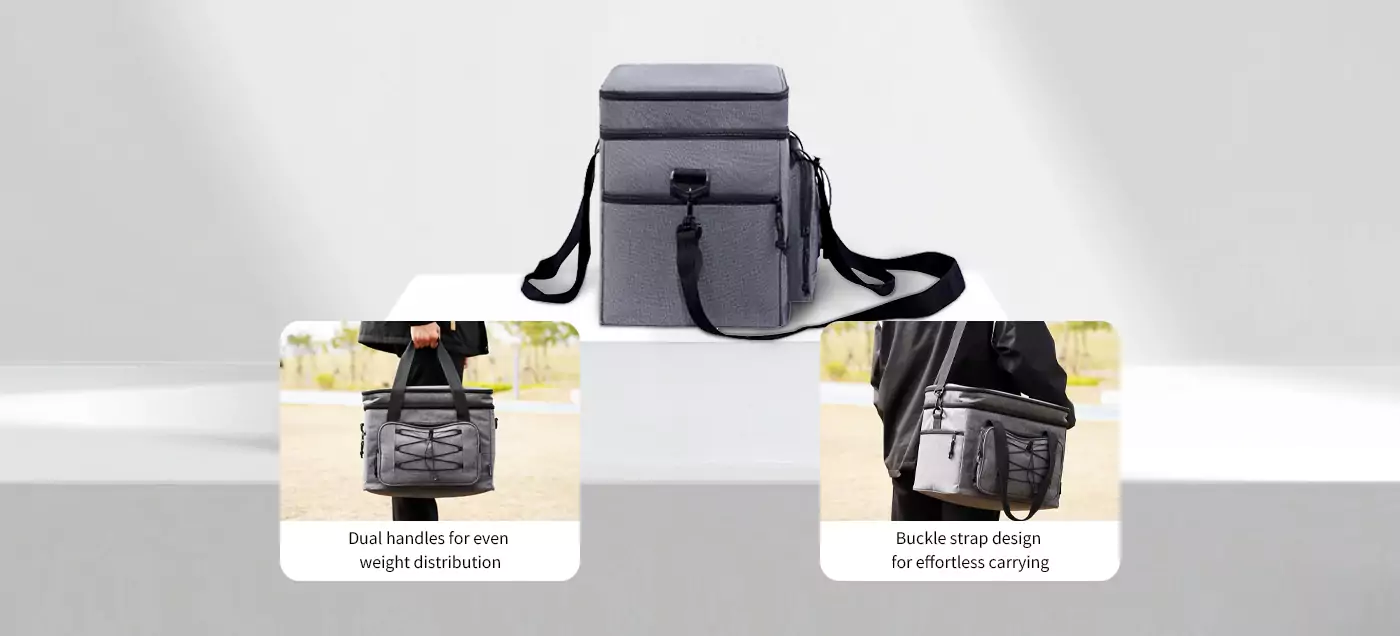
- Decide on single compartment or dividers, plus extras like a front pocket for utensils or a mesh side for water bottles.
Load & frequency of use
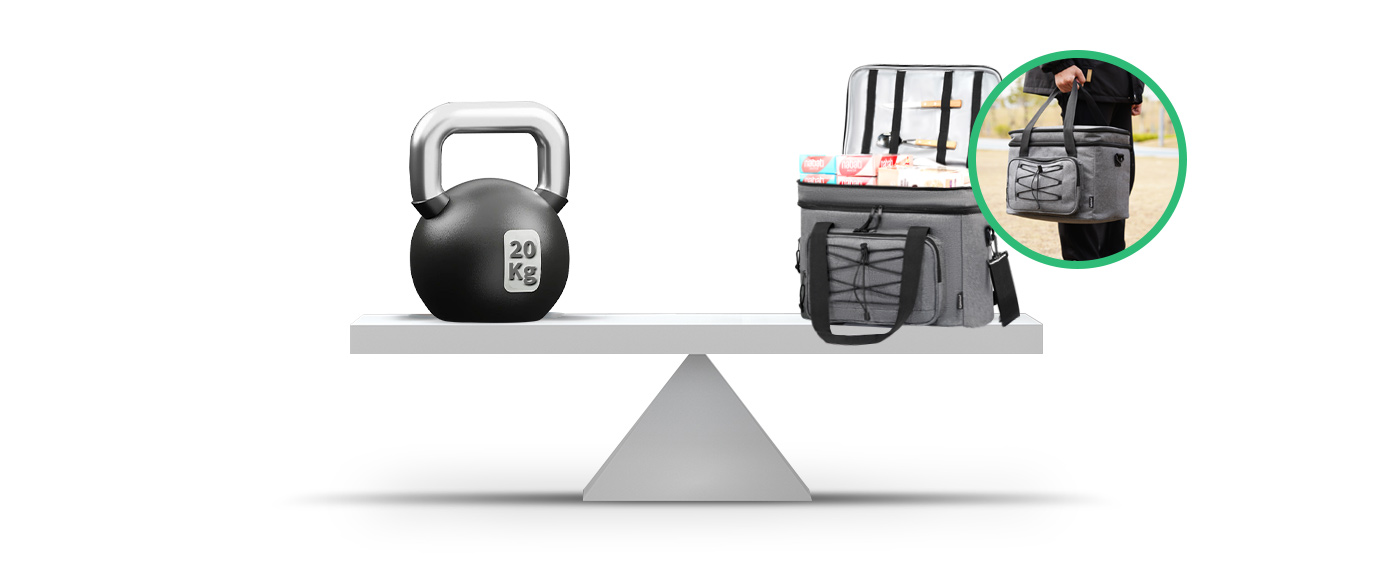
- Will the bag carry 3 kg or 8 kg? Reinforced bottom panels and double‑stitched handles become essential for heavier loads.
- Daily use demands abrasion‑resistant outer fabric (600D polyester, tarpaulin) and stress‑tested seams.
Branding & special functions
- Logo placement and technique: screen printing, heat transfer, or woven labels.
- Leak‑proof liner? Ice‑pack compartment? Detachable shoulder strap? Note everything in a product requirement document.
This document becomes the foundation for every conversation with potential insulated lunch bag manufacturers.
Step 2: Market Research & Initial Screening
With your specs ready, it’s time to build a shortlist. Use a mix of channels, but look beyond the first page of search results.
- B2B platforms: Alibaba, Global Sources, Made‑in‑China. Try keyword combinations: “lunch cooler bag fabricator”, “insulated lunch bag supplier”, “custom thermal bag manufacturer”.
- Trade shows: Ambiente (Frankfurt), NRA Show (Chicago), or local food packaging fairs. Here you can touch materials and meet production teams.
- LinkedIn & industry networks: Search for production managers or sales directors at companies that make soft‑sided coolers.
Filter your list with three questions:
- Does the company specialize in insulated bags (not just general bags)?
- Do they serve food brands, caterers, or schools — and can they show related work?
- Is ISO 9001 or BSCI certification mentioned? (This indicates basic quality management.)
Pick 3–5 fabricators that look professional and have clear product images. Firms like weierken often display their material certifications and client sectors right on their site, which saves time.
Step 3: Verify Credentials & Technical Ability
Now go deep. You’re not just buying a bag; you’re buying food safety and consistent performance. Ask each candidate for documents and evidence.
Food‑contact material compliance
Insulated bags touch food containers directly. The inner liner must meet FDA (US), LFGB (EU), or GB 4806 (China) standards. Request third‑party test reports — not just a statement. Also ask about the insulation foam: is it food‑grade and odor‑free?
Thermal performance data
Reputable lunch insulated bag fabricators test according to ASTM D3103 or similar. Ask for a summary: at 25°C ambient, how long does the inside stay above 60°C? What insulation thickness was used? Compare numbers.
Leak‑proof construction
- Seam type: High‑frequency welded or heat‑taped seams are much better than simple stitching, which can leak.
- Liner material: Waterproof PEVA, TPU, or nylon with a coating. Ask for a sample swatch to test oil/water resistance.
- Zipper: Is it a waterproof zipper or covered by a storm flap?
Durability & hardware
Look for bar‑tacking at strap attachments, reinforced bottom boards, and webbing that doesn’t fray. Ask: Do you perform pull tests on handles? Drop tests on filled bags? A reliable partner will have in‑house quality labs or at least documented routine checks.
Factory capacity & social compliance
If you plan large volumes, check monthly output and equipment (automatic cutting machines, high‑frequency welders). For export to Europe, REACH and RoHS compliance matter; for US, Prop 65. A fabricator like weierken typically holds multiple certifications and can share them under NDA.
Request a supplier questionnaire and arrange a video tour. This step separates serious players from intermediaries.
Step 4: Sample Testing & Validation
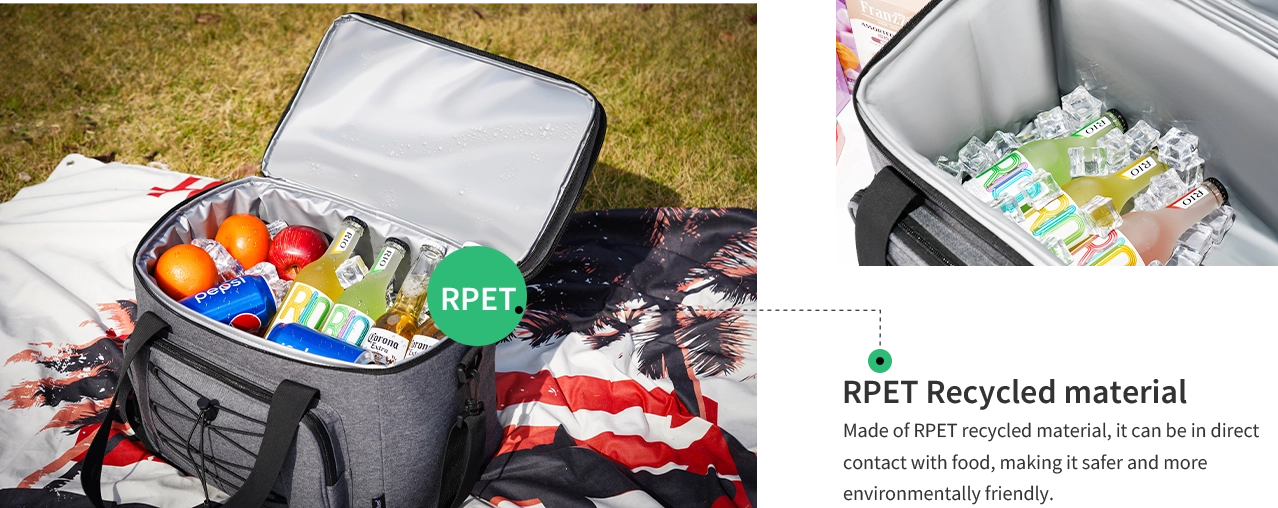
Paper qualifications are necessary, but the real proof is in your hands. Order samples — ideally customised with your materials, colours, and logo. A serious fabricator will produce 1–3 prototypes for evaluation.
What to test
- Thermal performance (real‑world): Fill a container with hot water (75°C), seal it inside the bag, and place it in a 22–25°C room. Measure the temperature every hour. Does it meet your holding time?
- Leak test: Put a sealed bottle with coloured water inside, squeeze the bag, turn it upside down. Check seams and zipper for any moisture.
- Load & handle test: Load to max weight, lift 30 times, check stitching and bottom for deformation.
- Cleanability: Smear a bit of ketchup or oil inside, let it sit, then wipe. Does it stain? Is there lingering smell?
- Logo accuracy: Check colour, placement, and durability (scratch test if printed).
Give feedback immediately. See how fast the fabricator responds and whether they adjust the sample accordingly. Some may need two or three rounds. Only when the sample passes all your checks should you move forward.
Step 5: Commercial Negotiation & Long‑term Fit
Sample approved? Great. Now structure a deal that protects both sides and sets up a smooth partnership.
Quotation clarity
Ask for itemised pricing: material, labour, tooling (if any), sample fees, packaging, and freight. A trustworthy lunch insulated bag fabricator will break down costs and offer volume‑based tiers (e.g., 1000 pcs vs. 5000 pcs).
Minimum order quantity (MOQ) & lead time
Can they accept a smaller first order? What’s the typical production lead time (usually 30–45 days after deposit)? Do they offer rush slots? Make sure these are written into the contract.
Quality agreement & AQL
Specify acceptable quality limits (commonly AQL 1.5 for major defects, 4.0 for minors). Critical defects — leak, broken zipper, wrong material — should be zero tolerance. Define what happens if a batch fails: rework, replacement, or credit.
Intellectual property & mold ownership
If you paid for a custom mold or pattern, ensure the contract states that the mold belongs to you (or you have exclusive use). Sign a non‑disclosure agreement (NDA) before sharing detailed designs.
Long‑term perspective
Consider the fabricator’s stability: Do they have stable raw material sources? Are they investing in greener materials (rPET, biodegradable liners)? How do they handle peak seasons? A partner like weierken often works with clients on material innovations and capacity planning, not just order‑taking.
Put all these points into a formal contract. A clear quality clause and IP clause save headaches later.
From step one to five, having an experienced fabricator like weierken can simplify the process — they guide you through material selection, testing, and compliance, especially if you’re new to custom insulated packaging.
Frequently Asked Questions
1. What is the typical MOQ for custom lunch insulated bags?
Most fabricators set an MOQ between 1000 and 3000 pieces per design. However, some, including weierken, offer lower MOQs (500–800 pcs) for first‑time collaborations or simpler constructions. Always ask if they allow mixed sizes/colours to reach the minimum.
2. How long does the sampling process take, and is it chargeable?
Standard sampling usually takes 7–15 days after design confirmation. Many fabricators charge a sample fee (ranging $50–$200) but may deduct it from the bulk order. High‑complexity bags with custom tooling might cost more. Clarify this upfront.
3. What food‑safety certifications should I look for?
For the US market, demand FDA approval for the inner liner. For Europe, LFGB is the gold standard. China’s GB 4806 is accepted locally. A solid lunch insulated bag fabricator provides independent lab reports. Some, like weierken, keep updated certificates for various materials.
4. Can I have multiple compartments or a bespoke shape?
Absolutely. Most fabricators offer OEM/ODM services. You can specify internal dividers, front pockets, even custom moulded bottoms. Be prepared to cover pattern‑making costs if the design is totally new. Many suppliers have pattern rooms that can turn your sketch into a prototype.
5. How do you ensure consistent quality across a large production run?
A reliable manufacturer follows a quality control plan: incoming material inspection (IQC), in‑line checks during cutting and sewing (IPQC), and final random inspection (FQC) based on AQL standards. Ask to see their QC flow chart. Some, like weierken, provide batch‑wise photos or even third‑party preshipment inspection.
6. What’s the average lead time for 5000 pieces?
Typically 35–50 days from deposit confirmation, depending on material availability and factory load. During peak seasons (before summer or Q4), lead times stretch. It’s wise to book production slots early. A good fabricator gives you a rolling forecast schedule to plan your inventory.
Ready to work with a lunch insulated bag fabricator that combines food‑safe expertise with reliable delivery?
Share your specs, get a quote, and request pre‑production samples — all in one flow.
Choosing the right fabricator isn’t just a purchasing decision; it’s a partnership that affects your customers’ experience. By following these five steps — from nailing down your requirements to validating samples and signing a clear contract — you minimise risk and build a supply chain that performs. And with experienced players like weierken in your shortlist, you’re already a step closer to bags that keep meals safe and your brand visible.
© 2026 B2B sourcing guide — All practical steps for finding a trusted lunch insulated bag fabricator.