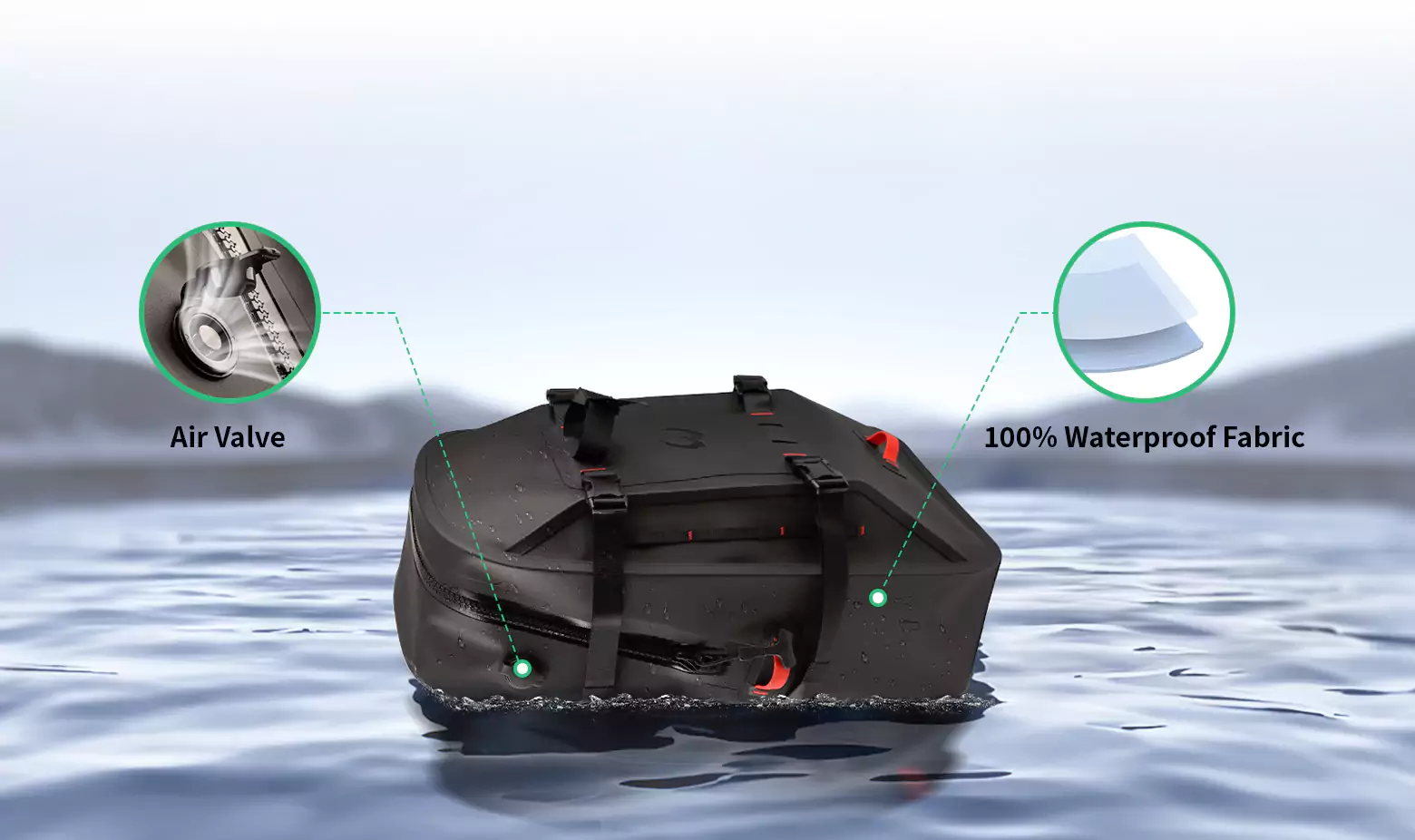
The outdoor and travel industries are built on trust. When a customer buys a backpack labeled “water-resistant,” they are trusting that their laptop, camera, or dry clothes will survive a sudden downpour. If that bag fails, the customer blames the brand, not the factory. However, the root cause of the failure almost always leads back to the manufacturing floor.
Finding a reliable water resistant bag fabricator is one of the most critical decisions a procurement manager or product designer can make. It is not enough to simply choose a heavy fabric. The engineering required to keep water out involves complex chemistry, precision machinery, and rigorous testing.
At weierken, we have seen countless designs fail simply because the factory did not understand the nuances of water resistance. Whether you are launching a new line of urban commuter packs or heavy-duty hiking gear, you need a partner who understands the science behind the sewing.
Here are the five essential capabilities you must look for when vetting a potential manufacturing partner.
1. Mastery of Material Technology and Coating Processes
The first line of defense against moisture is the fabric itself. A standard factory might simply order “waterproof fabric” from a catalog, but a professional water resistant bag fabricator understands the molecular structure of those materials. You need a partner who can guide you through the complexities of coatings and environmental standards.
DWR and Coating Expertise
Water resistance usually starts with a Durable Water Repellent (DWR) finish applied to the face of the fabric.
- The Chemistry: Your manufacturer should explain the difference between C6 (standard) and C0 (fluorocarbon-free) DWR agents.
- Backing Layers: Beyond the surface treatment, the fabric needs a barrier. Ask about their experience with PU (Polyurethane) versus TPU (Thermoplastic Polyurethane) laminates.
- Application Uniformity: A skilled fabricator ensures that the coating thickness is consistent across the entire roll. Thin spots lead to leaks, while overly thick coatings can cause the fabric to crack in cold weather.
Eco-Friendly Innovations
Sustainability is no longer optional. The best manufacturers are ahead of the curve regarding environmental regulations.
- Certifications: Verify if they source materials that are Bluesign® approved or OEKO-TEX® certified.
- Green Tech: Ask if they offer bio-based coatings or recycled laminates. A forward-thinking water resistant bag fabricator will have these options ready for you, ensuring your product appeals to eco-conscious consumers without sacrificing performance.
2. Advanced Production Craft and Seam Sealing
This is where the amateur factories are separated from the experts. You can have the best waterproof fabric in the world, but if you sew it with a standard needle and thread, you have just created thousands of tiny holes for water to enter.
Seam Construction Techniques
A qualified water resistant bag fabricator offers multiple solutions to seal these needle holes.
- Tape Sealing: This involves applying a waterproof tape over the stitched seam using hot air. The factory must control the temperature and pressure precisely. If it is too hot, the fabric melts; too cool, and the tape peels off.
- RF Welding: For higher-performance gear, High-Frequency (RF) welding eliminates needle holes entirely. This process uses electromagnetic energy to fuse the materials at a molecular level.
- Weierken’s Approach: At weierken, we emphasize that the choice between taping and welding depends on your target price point and the bag’s intended use. We help you choose the right method to balance cost and performance.
Opening and Closure Engineering
Water acts like a thief; it looks for the easiest point of entry. Usually, that is the zipper or the roll-top.
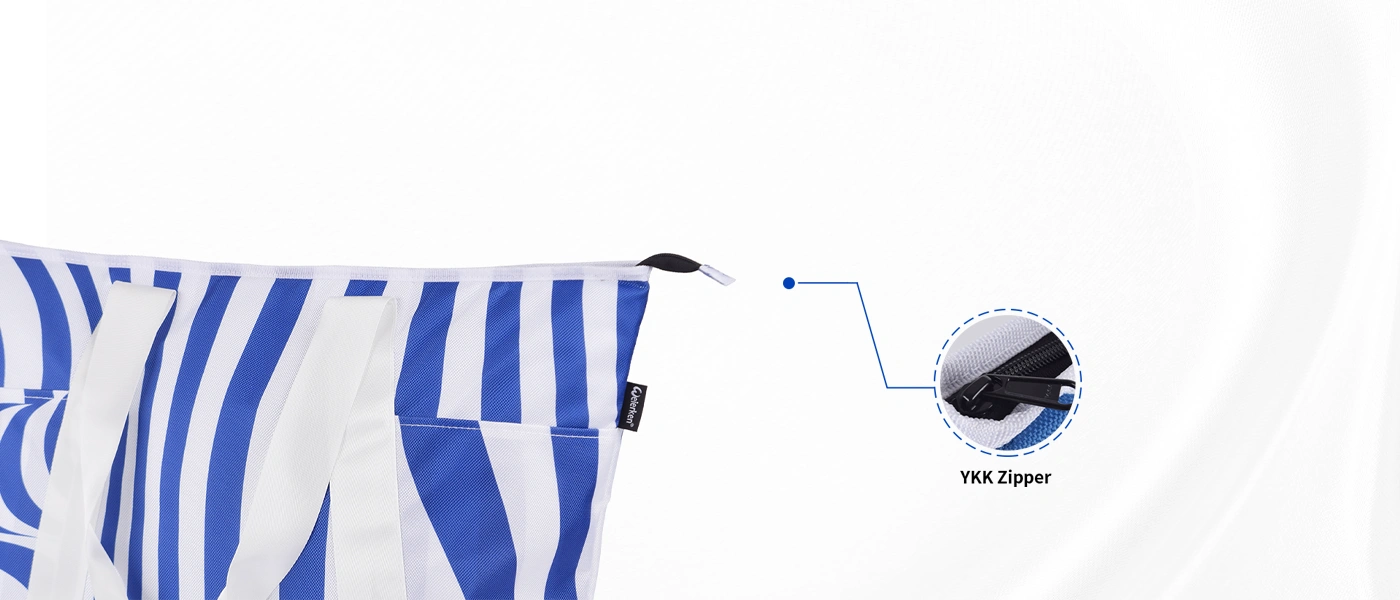
- Zipper Selection: Your partner should have direct access to suppliers like YKK or TiZip and know how to install water-resistant zippers (like AquaGuard) correctly.
- Protective Design: Look for a manufacturer that proactively suggests design improvements, such as adding rain flaps over zippers or designing ergonomic zipper garages that prevent gaps at the end of the track.
3. Comprehensive Testing Capabilities and Verification
Trust is good, but data is better. You should never accept a shipment based on visual inspection alone. Water resistance is functional, and it must be verified in a lab environment. A top-tier water resistant bag fabricator will have an in-house testing facility or a partnership with a certified third-party lab.
Standardized Lab Testing
Your manufacturer should be fluent in international testing standards.
- AATCC 35 (Rain Test): This simulates the effect of rain impacting the bag. It measures how much water penetrates the fabric under impact.
- AATCC 42 (Impact Penetration): This tests how the fabric handles water spray.
- ISO 811 (Hydrostatic Pressure): This measures the pressure at which water forces its way through the fabric. For a bag to be truly effective, it often needs to withstand varying pressures depending on if it is a backpack or a dry bag.
Real-World Simulation
Lab numbers are static, but the real world is dynamic.
- The “Shake” Test: We recommend asking if the fabricator performs dynamic testing. This involves loading the bag with weights, spraying it with water, and shaking it to simulate walking or running.
- Angle Testing: Rain rarely falls perfectly straight down. A competent water resistant bag fabricator will test the product at different angles to ensure that pockets and flaps do not channel water inside the main compartment.
4. Customization and Design Synergy (OEM/ODM)
Every brand has a unique user profile. A commuter cycling in Seattle has different needs than a hiker in the Amazon. A generic “off-the-shelf” design will rarely satisfy your specific market. You need a manufacturer that acts as a consultant, not just a labor source.
Scenario-Based Development
A skilled partner analyzes the end-use of the product.
- Commuter Bags: They might suggest reflective waterproof materials and quick-access pockets with magnetic seals for electronics.
- Adventure Packs: They might recommend heavier denier fabrics with TPU coatings for abrasion resistance against rocks.
- Design Feedback: At weierken, our engineering team often reviews client tech packs to identify potential “leak points” before a single prototype is made. This proactive approach saves thousands of dollars in wasted samples.
Prototyping and Iteration
Speed matters. The market moves fast, and you need physical samples to verify waterproof performance.
- Rapid Sampling: Assess their ability to produce prototypes quickly.
- Micro-Batch Testing: Check if they support small-batch runs for new experimental designs. This allows you to test the market responsiveness and the actual water resistance in the field before committing to mass production.
5. Supply Chain Reliability and Compliance
Consistency is the hallmark of quality. If one batch of bags is waterproof and the next batch leaks, your brand reputation is destroyed. A professional water resistant bag fabricator manages their supply chain with an iron fist.
Material Traceability
You need to know that the fabric used in production is identical to the fabric you approved in the sample.
- Lot Testing: The manufacturer should test every new roll of fabric for hydrostatic resistance before cutting.
- Supplier Relationships: Established fabricators have long-standing relationships with coating suppliers. This leverage ensures that they get priority on high-quality materials and can resolve quality issues quickly.
Regulatory Compliance
If you are selling to global markets, your product must be legal.
- Chemical Safety: Ensure the factory can provide documentation for REACH (Europe) and CA Prop 65 (USA). This is particularly important for water-resistant coatings, which have historically relied on chemicals that are now regulated or banned.
- Quality Systems: Look for ISO 9001 certification. This indicates that the factory follows a standardized process for quality control, significantly reducing the risk of human error during complex processes like seam taping.
Frequently Asked Questions
Q1: What is the main difference between a water-resistant and a waterproof bag?
A: “Water-resistant” means the item can resist the penetration of water to some degree but not entirely (e.g., light rain). “Waterproof” implies the bag can be submerged or withstand heavy, continuous downpours without letting water in. A specialized water resistant bag fabricator can manufacture both, but waterproof bags require advanced techniques like RF welding and airtight zippers.
Q2: Can you produce eco-friendly water-resistant bags?
A: Yes. The industry has shifted toward C0 (PFC-free) DWR treatments and fabrics made from recycled PET bottles (rPET). We can also source TPU coatings, which are more biodegradable than traditional PVC.
Q3: What kind of testing reports should I ask for?
A: You should request an AATCC 35 report for rain resistance and an ISO 811 Hydrostatic Head test report. Additionally, ask for material safety data sheets (MSDS) to verify compliance with REACH or Prop 65.
Q4: How do you ensure the seams do not leak?
A: We use two primary methods. For sewn bags, we apply a waterproof thermoplastic tape over the seams using a heat-sealing machine. For heavy-duty waterproof bags, we use High-Frequency (RF) welding, which melts the fabric layers together, eliminating needle holes entirely.
Q5: What is the Minimum Order Quantity (MOQ) for a custom design?
A: MOQs vary depending on the complexity and materials. However, a flexible water resistant bag fabricator like weierken understands the needs of growing brands. We generally start with MOQs that allow for market testing while ensuring production efficiency, often around 300 to 500 units per color/style.
Choosing the right manufacturing partner is about more than just comparing price quotes. It is about finding a team that understands the physics of water and the chemistry of textiles. A true water resistant bag fabricator acts as a guardian of your brand’s reputation, ensuring that every zipper slides smoothly and every seam holds tight against the storm.
If you are looking for a partner who combines technical expertise with reliable supply chain management, weierken is ready to help. We have the technology, the testing facilities, and the experience to bring your high-performance gear to life.
Ready to start your next project?
Contact us today to discuss your requirements and get a quote for your custom water-resistant bags.
[Inquiry Now]