


In the high-stakes world of supply chain management, the difference between a successful product launch and a logistical nightmare often comes down to the smallest links in your chain. For businesses dealing in outdoor gear, food delivery, or medical logistics, the “link” that keeps everything fresh is your light cooler distributor.
Choosing a partner isn’t just about finding the lowest price point on a spreadsheet; it’s about finding a collaborator who understands that a cooler is more than just a plastic box—it’s a vessel for your brand’s reputation. Whether you are scaling a startup or managing a multinational inventory, the reliability of your supplier dictates your operational rhythm. Brands like weierken have set a high bar in this industry by focusing on the intersection of weight reduction and thermal efficiency, proving that “light” should never mean “flimsy.”
If you are currently vetting potential partners, here is a systematic framework to ensure your chosen light cooler distributor can actually go the distance.
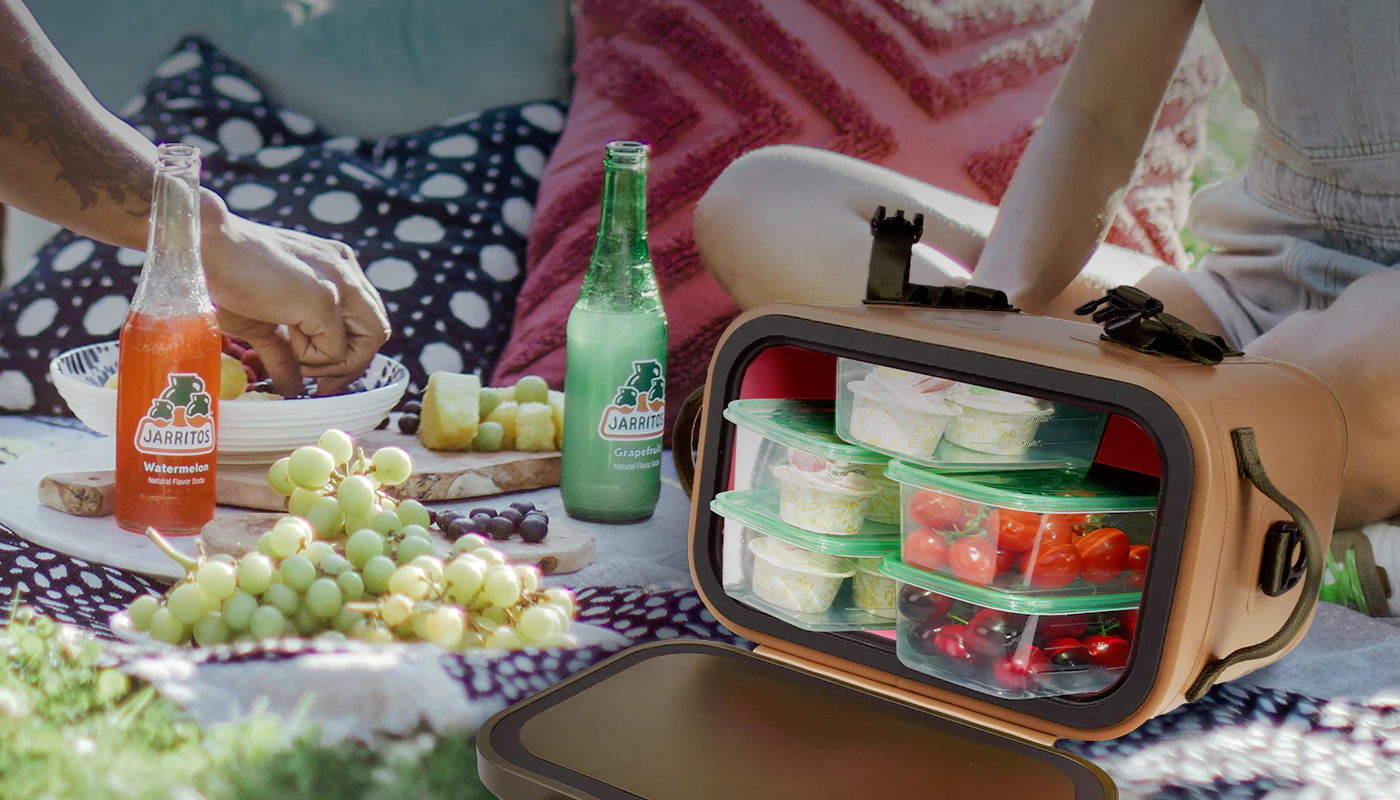
1. Evaluating Product Performance as a Priority for Your Light Cooler Distributor
The primary function of any cooler is thermal retention. When evaluating a light cooler distributor, you must look beyond the glossy marketing brochures. Ask for hard data on ice retention times and thermal conductivity. A truly professional distributor will provide test reports detailing how their products perform under various ambient temperatures.
Materials matter immensely. Most high-quality light coolers utilize Food-Grade LLDPE or high-density polyethylene (HDPE) combined with injected PU (Polyurethane) foam. The “light” aspect often comes from advanced injection molding techniques that maintain structural integrity while reducing wall thickness where it isn’t needed.
Don’t forget the hardware. Check the seals, the latches, and the hinges. A cooler is only as good as its weakest gasket. If the distributor’s products don’t carry certifications like FDA food-grade approval or RoHS compliance, they may not be suitable for professional B2B applications. weierken, for instance, emphasizes these technical specifications to ensure their lightweight models don’t compromise on the “cool” factor.
2. Assessing the Supply Chain Resilience of a Light Cooler Distributor
In today’s volatile market, “out of stock” is a phrase that can cost you thousands in lost revenue. You need a light cooler distributor with a robust and transparent supply chain. This means investigating their manufacturing capacity and their inventory depth.
Do they have the agility to handle a sudden surge in demand during the peak summer season? A reliable partner should have a clear roadmap for production planning and a diversified logistics network. You aren’t just buying coolers; you are buying the assurance that those coolers will arrive at your warehouse exactly when you need them.
Assess their lead times for both standard and bulk orders. A distributor that relies on a single, fragile shipping route is a risk. Look for partners who have established relationships with multiple freight carriers and understand the nuances of international shipping, customs, and last-mile delivery. This level of operational maturity is what separates a top-tier light cooler distributor from a middleman.
3. Decoding Price Structures and Total Cost of Ownership (TCO)
Procurement professionals often fall into the trap of focusing solely on the Unit Price. While the sticker price is important, it is only one part of the Total Cost of Ownership (TCO). When negotiating with a light cooler distributor, you must analyze the full financial picture.
Consider the Minimum Order Quantity (MOQ) and how it affects your cash flow. High MOQs might offer a lower per-unit cost, but they increase your warehousing expenses and the risk of dead stock. Furthermore, factor in the shipping costs. Because coolers are bulky, even “light” ones can incur significant freight charges if the distributor hasn’t optimized their packaging for container space.
Analyze the payment terms. Does the distributor offer credit or flexible payment schedules for long-term partners? Are there hidden costs for labeling or palletization? A transparent partner like weierken will provide a clear breakdown of costs, helping you understand where every dollar is going and ensuring there are no “invoice surprises” at the end of the quarter.
4. The Strategic Importance of Customization and OEM/ODM Capabilities
For many B2B buyers, a cooler is a moving billboard. If you want to build brand equity, you need a light cooler distributor that offers robust OEM (Original Equipment Manufacturer) and ODM (Original Design Manufacturer) services.
Can they match your specific brand colors using Pantone references? Do they have the capability to mold your logo directly into the plastic, or are they limited to simple stickers? Customization isn’t just about aesthetics; it can also be functional. You might need a specific internal configuration for medical vials or a unique drainage system for commercial fishing.
A distributor with an in-house design team can provide invaluable advice on material selection and structural engineering. They should be able to provide 3D renderings and physical prototypes before moving to mass production. This collaborative design process ensures that the final product is perfectly tailored to your specific market niche.

5. Why Service Response Mechanisms Define a Great Light Cooler Distributor
The true test of a partnership happens when things go wrong. Every supply chain will eventually face a hiccup—a delayed shipment, a batch with a minor defect, or a misunderstanding in the specs. What defines a reliable light cooler distributor is how they respond to these challenges.
Examine their after-sales policy. Do they offer a warranty that you can confidently pass on to your own customers? How fast is their communication? If you send an urgent email on a Tuesday morning, do you get a response within hours or days?
A professional distributor should have a dedicated account manager who understands your business needs. They should have a clear “Corrective Action” process to handle quality claims and a proactive approach to communication. If a distributor is evasive during the sales process, they will likely be invisible when a problem arises. Partners like weierken prioritize long-term trust over short-term gains by offering responsive support and clear resolution paths.
6. Leveraging Industry Experience and Proven Case Studies
Experience is the best teacher, especially in the cooling industry. You want to work with a light cooler distributor that has a track record of serving clients in your specific sector. The needs of a promotional merchandise company are very different from the needs of a pharmaceutical cold-chain provider.
Ask for case studies or references. A distributor who has successfully managed large-scale projects for reputable brands is more likely to have the “tribal knowledge” necessary to avoid common pitfalls. They will understand the specific stresses these products face—whether it’s UV exposure on a boat deck or the vibration of a delivery truck.
Don’t be afraid to ask technical questions. If they’ve been in the industry long enough, they will be able to discuss the pros and cons of different insulation densities or the impact of lid-latch tension on seal longevity. This expertise is a value-add that can help you improve your own product offerings.
7. Future-Proofing with a Sustainability-Focused Light Cooler Distributor
The modern consumer is increasingly eco-conscious, and your procurement choices should reflect that. Evaluating a light cooler distributor based on their sustainability practices is no longer optional—it’s a business necessity.
Look for partners who are experimenting with recycled plastics or biodegradable insulation materials. Ask about their manufacturing process: Do they recycle their scrap plastic? Do they use energy-efficient machinery? A distributor that prioritizes sustainability is likely to be more innovative and more aligned with global regulatory trends.
Furthermore, consider the longevity of the product. A “light” cooler that breaks after three uses is an environmental disaster. A high-quality, durable cooler that lasts for a decade is a sustainable choice. By partnering with a forward-thinking company like weierken, you ensure that your brand is associated with quality and environmental responsibility, which pays dividends in long-term customer loyalty.
Making the Right Choice
Selecting the right light cooler distributor is a strategic decision that ripples through your entire business. By focusing on performance, supply chain stability, and the total cost of ownership, you move beyond a simple vendor relationship and into a true partnership.
Remember, the goal is to find a distributor who treats your business goals as their own. Whether you need high-volume production or bespoke, high-performance designs, the right partner will provide the foundation for your success. Brands that prioritize these seven pillars, such as weierken, provide the reliability and innovation needed to thrive in today’s competitive landscape.
Ready to upgrade your supply chain? Contact our expert light cooler distributor team for a quote today.
Frequently Asked Questions (FAQ)
Q1: What defines a “light” cooler in the professional market?
A1: From the perspective of a light cooler distributor, a “light” cooler refers to a product that uses advanced materials like high-density foam and optimized molding techniques to reduce weight without sacrificing thermal retention. Typically, these are 20-30% lighter than traditional rotomolded coolers while maintaining professional-grade durability.
Q2: Can a light cooler distributor handle custom branding for small orders?
A2: It depends on the distributor’s capabilities. Most professional light cooler distributor partners have specific MOQs for custom colors or molded logos (often ranging from 500 to 1,000 units). However, many can offer simpler branding solutions like high-quality silk screening or heat-transfer decals for smaller batches.
Q3: How do I verify the insulation quality of a product from a light cooler distributor?
A3: You should request an “Ice Retention Test Report.” A reputable light cooler distributor will have data showing how long the cooler maintains temperatures under controlled conditions (usually 77°F or 90°F). Additionally, check for a “360-degree freezer-grade gasket” which is the hallmark of high-quality insulation.
Q4: What are the typical lead times when working with a light cooler distributor?
A4: For standard in-stock items, lead times can be as short as 7–14 days. For custom OEM orders, a light cooler distributor will typically require 30–45 days for production, plus shipping time. It is always best to plan 3–4 months in advance for peak season inventory.
Q5: Does a light cooler distributor provide shipping and customs support?
A5: Most top-tier light cooler distributor partners offer various shipping terms, including FOB (Free on Board), CIF (Cost, Insurance, and Freight), or even DDP (Delivered Duty Paid). Choosing a partner who can handle the complexities of customs documentation is highly recommended for B2B buyers.
Q6: Are the materials used by a light cooler distributor safe for food and medical use?
A6: Yes, but you must verify this. A reliable light cooler distributor should provide certifications proving the use of BPA-free, food-grade LLDPE or PP plastics. For medical use, ask if the materials are compatible with standard sterilization agents used in clinical environments.


