


Whitewater rafting destroys weak outdoor gear. Sharp rocks, relentless ultraviolet rays, and crushing water pressure test every single seam. When you source waterproof gear, failure is not an option. A leaking bag destroys expensive cameras, ruins dry clothes, and compromises river safety.
Your brand needs a specialized rafting bag fabricator that understands these brutal marine conditions. A standard backpack factory cannot handle extreme waterproof requirements. They lack the specialized machinery and technical knowledge required for marine-grade production.
Brands like Weierken understand that true outdoor performance starts directly on the factory floor. You must verify your supplier’s capabilities before placing a massive bulk order. Let us explore exactly how you can audit a rafting bag fabricator to guarantee your products survive the toughest rivers.
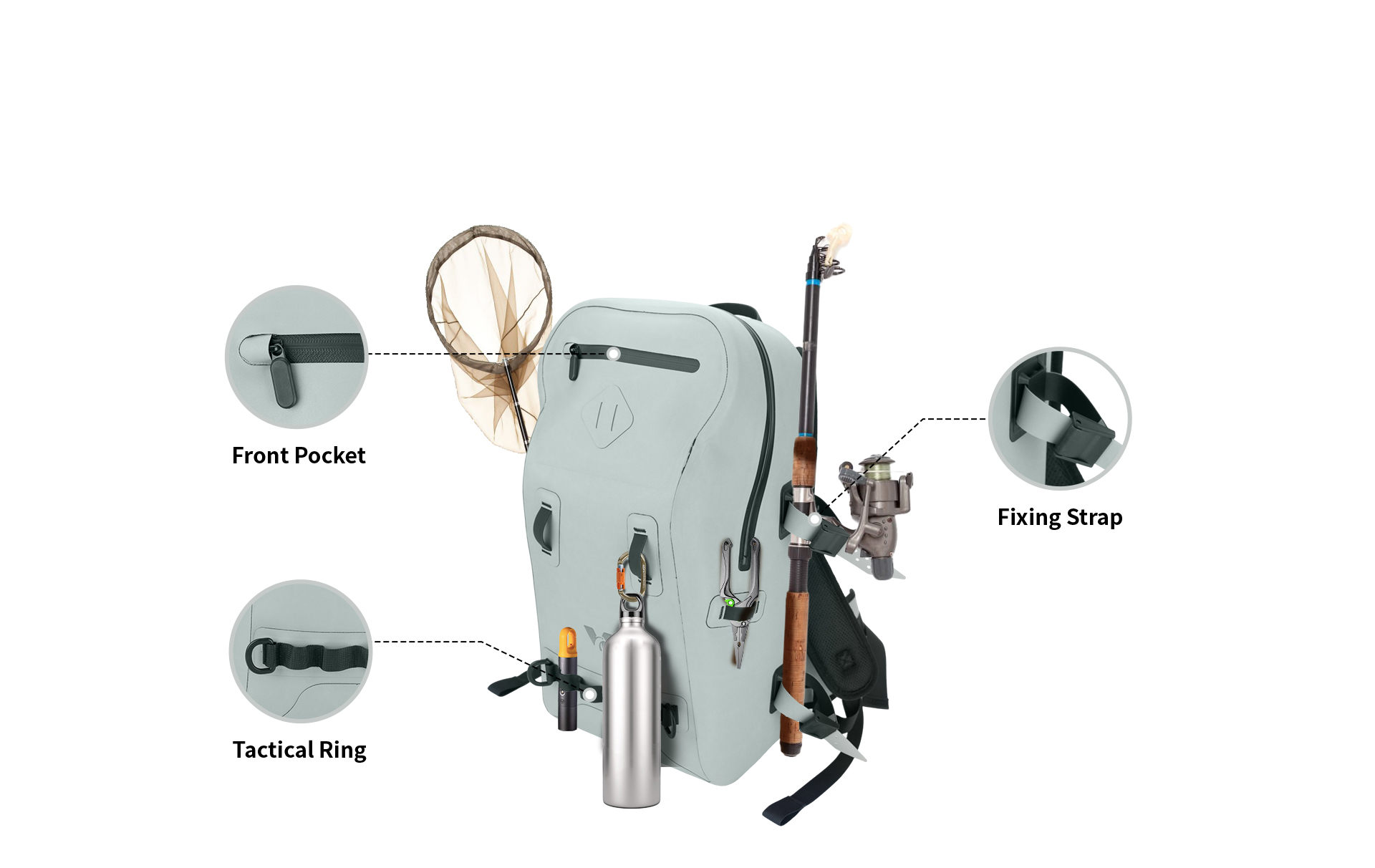
1. Material Library Audit: Marine-Grade and Hydrolysis-Resistant Fabrics
A dedicated rafting bag fabricator must stock highly specific marine-grade textiles. Regular polyurethane coatings will quickly flake and peel after constant exposure to river water. You need materials engineered to resist chemical breakdown.
Hydrolysis is the chemical breakdown of fabric coatings due to water exposure. You must physically inspect the factory’s raw material warehouse. Look for materials designed specifically for aquatic environments.
- On-Site Material Checks: Verify if the warehouse consistently stocks high-density waterproof nylon, hydrolysis-resistant TPU coated fabrics, and marine-grade PVC. Check their hardware bins for anti-corrosion components like stainless steel D-rings and plated buckles.
- Document Verification: Do not just trust visual inspections. Ask the rafting bag fabricator to provide official laboratory test reports. You need to see fabric hydrolysis test results and UV aging data.
- Hardware Testing Reports: Request salt spray corrosion test reports for all waterproof zippers and metal hardware. River water often contains high mineral contents that rust cheap metals fast.
2. Seam and Sealing Process Specific Audit
Traditional sewing needles punch holes directly into the fabric. Water will immediately seep through these tiny holes. You need a rafting bag fabricator proficient in advanced seam sealing techniques.
Watch their production line carefully during your audit. The sealing process dictates the entire waterproof integrity of your rafting gear. A professional rafting bag fabricator uses heat and pressure, not just thread.
- Process Observation: Check if the assembly line uses high-frequency welding or seamless hot air taping. Look closely at critical stress points, such as the bottom corners. These areas must feature secondary sealing reinforcement.
- Equipment Checks: Confirm the factory owns and maintains hot air seam sealing machines and high-frequency RF welders. Ensure these machines operate smoothly without burning the fabric.
- Sample Testing: Walk up to the line and grab a semi-finished product. Perform a physical peel test on the localized seams. Check the adhesion strength of the sealing tape. It should never peel away easily.
3. Drainage and Quick-Dry Structure Evaluation
Rafting bags get splashed constantly. Even if the main compartment remains dry, the exterior pockets and harness systems will soak up water. A smart rafting bag fabricator designs products that shed water instantly.
Retained water adds dangerous, unnecessary weight to the rafting boat. Wet materials also breed mold and mildew during storage. Your rafting bag fabricator must incorporate smart drainage solutions into your tech pack.
- Design Review: Inspect the product blueprints. Look for strategically placed drainage holes at the bottom of external wet-storage pockets. Check for breathable mesh panels and quick-dry inner linings.
- Function Validation: Test the physical sample. Pour water into the exterior pockets and verify that the drainage holes remain unobstructed. The mesh panels must feel highly abrasion-resistant while preventing river sand from clogging the holes.
4. Load-Bearing Structure and Reinforcement Check
Rafting guides aggressively toss heavy gear bags across jagged rocks and slippery boat decks. Your rafting bag fabricator must reinforce every single stress point to prevent catastrophic tearing.
If a shoulder strap rips off while carrying 30 kilograms of gear, the bag becomes useless. You must audit how the factory handles load-bearing structural designs.
- Stress Point Identification: Inspect the shoulder strap connections, the base of the top carry handles, and the exterior gear loops. A reliable rafting bag fabricator uses bartack stitching, reinforced backing fabrics, or multi-layer composite sewing in these critical zones.
- Tensile Testing Validation: Ask the factory manager for finished product pull-test reports. Better yet, demand a random spot check on the factory floor. Hook the bag to a tension meter and verify its advertised load-bearing capacity.
5. Safety and Visibility Design Audit
Survival matters out on the whitewater. A responsible rafting bag fabricator treats safety as a core design requirement, not an afterthought. High-visibility elements save lives during chaotic emergency river rescues.
This is exactly where experienced partners like Weierken excel. They incorporate marine safety standards directly into the manufacturing blueprint, ensuring the gear protects the user.
- Safety Elements Verification: Confirm that the product integrates high-visibility reflective strips. Look for emergency whistle attachment points and built-in flotation materials to prevent the bag from sinking if dropped overboard.
- Regulatory Compliance Check: If your target market requires specific marine safety certifications, audit the factory’s design compliance. Verify that their reflective materials meet strict SOLAS (Safety of Life at Sea) standards.

6. Sample Testing and Simulated Environment Validation
You can never trust visual inspections alone. A competent rafting bag fabricator performs aggressive physical testing on-site. They must prove their manufacturing methods handle the absolute worst-case scenarios.
Any factory can make a bag look good on a table. An expert rafting bag fabricator proves its worth inside the testing laboratory.
- Waterproof Testing: Demand a live water submersion test. The factory must submerge the bag in 1 meter of water for 30 minutes to prove its IPX7 waterproof rating. Additionally, request a high-pressure water spray test to simulate violent river rapids.
- Dynamic Durability Testing: Load the sample bag to its maximum weight capacity. Simulate aggressive use through dynamic swing tests, repetitive drop tests, and rough drag tests. Check the zippers, buckles, and seams for any signs of failure.
- Field Use Feedback: If possible, ask the rafting bag fabricator for real-world testing data. Reliable factories often partner with professional whitewater athletes or river guides to field-test their prototypes.
7. Supply Chain Transparency and Capacity Evaluation
A brilliant product prototype means nothing if the factory cannot deliver your mass order on time. You must audit your rafting bag fabricator for complete supply chain transparency and operational capacity.
Outdoor retail seasons are short. Missing the summer rafting season due to manufacturing delays will crush your annual revenue. You need a stable, scalable partner.
- Raw Material Traceability: Investigate where the factory buys their waterproof fabrics, airtight zippers, and plastic buckles. Review their batch purchasing records to ensure their upstream supply chain remains stable and consistent.
- Capacity and Scheduling: Evaluate the factory’s maximum monthly output. Ask about their current order saturation. A professional rafting bag fabricator maintains flexible capacity protocols to handle sudden emergency orders during peak seasons.
- Social Responsibility Audits: Outdoor consumers care deeply about ethical manufacturing. Review the factory’s BSCI or Sedex audit reports. Ensure your rafting bag fabricator treats its workers fairly and meets your brand’s ethical sourcing requirements.
Conclusion: Secure Your River Gear Supply Chain
Sourcing reliable whitewater gear requires intense scrutiny. You cannot cut corners when auditing a rafting bag fabricator. From hydrolysis-resistant fabrics to high-frequency welded seams, every detail dictates the survival of the product.
Leading manufacturers like Weierken stand ready to meet these rigorous demands. By rigorously applying these seven audit tips, you protect your brand’s reputation and ensure your customers stay safe on the water. Choose a partner who respects the power of the river.
Frequently Asked Questions (FAQ)
1. What makes a rafting bag fabricator different from a standard bag factory?
A standard factory uses traditional sewing machines and standard fabrics. A specialized rafting bag fabricator uses high-frequency welding machines, hot air seam tapers, and marine-grade waterproof materials to ensure the gear survives total water submersion.
2. Why is hydrolysis-resistant TPU important for a rafting bag fabricator to use?
Standard polyurethane (PU) coatings break down chemically when constantly exposed to water and humidity. Hydrolysis-resistant TPU prevents the fabric coating from peeling and flaking off, significantly extending the lifespan of the rafting bag.
3. How can a rafting bag fabricator prove their IPX7 waterproof rating?
An IPX7 rating means the product can survive being submerged in 1 meter of water for 30 minutes. The rafting bag fabricator must perform this specific submersion test in their on-site laboratory and provide the documented test results.
4. What type of machinery should I look for during a factory audit?
You must look for high-frequency (RF) welding machines and hot air seam sealing machines. Additionally, check their testing lab for tension meters, salt spray corrosion chambers, and water submersion tanks.
5. Why should I ask a rafting bag fabricator for a BSCI audit report?
A BSCI audit report proves the factory operates ethically. It ensures the rafting bag fabricator provides safe working conditions, pays fair wages, and strictly prohibits child labor. This protects your brand from severe public relations disasters.
Ready to Manufacture Unbreakable Outdoor Gear?
Stop risking your brand’s reputation on factories that cannot handle extreme environments. Partner with a specialized rafting bag fabricator that prioritizes advanced sealing technology and rigorous testing. Our engineering team is ready to review your tech pack today. Send us your inquiry now to receive a comprehensive manufacturing quote and secure your production schedule!


