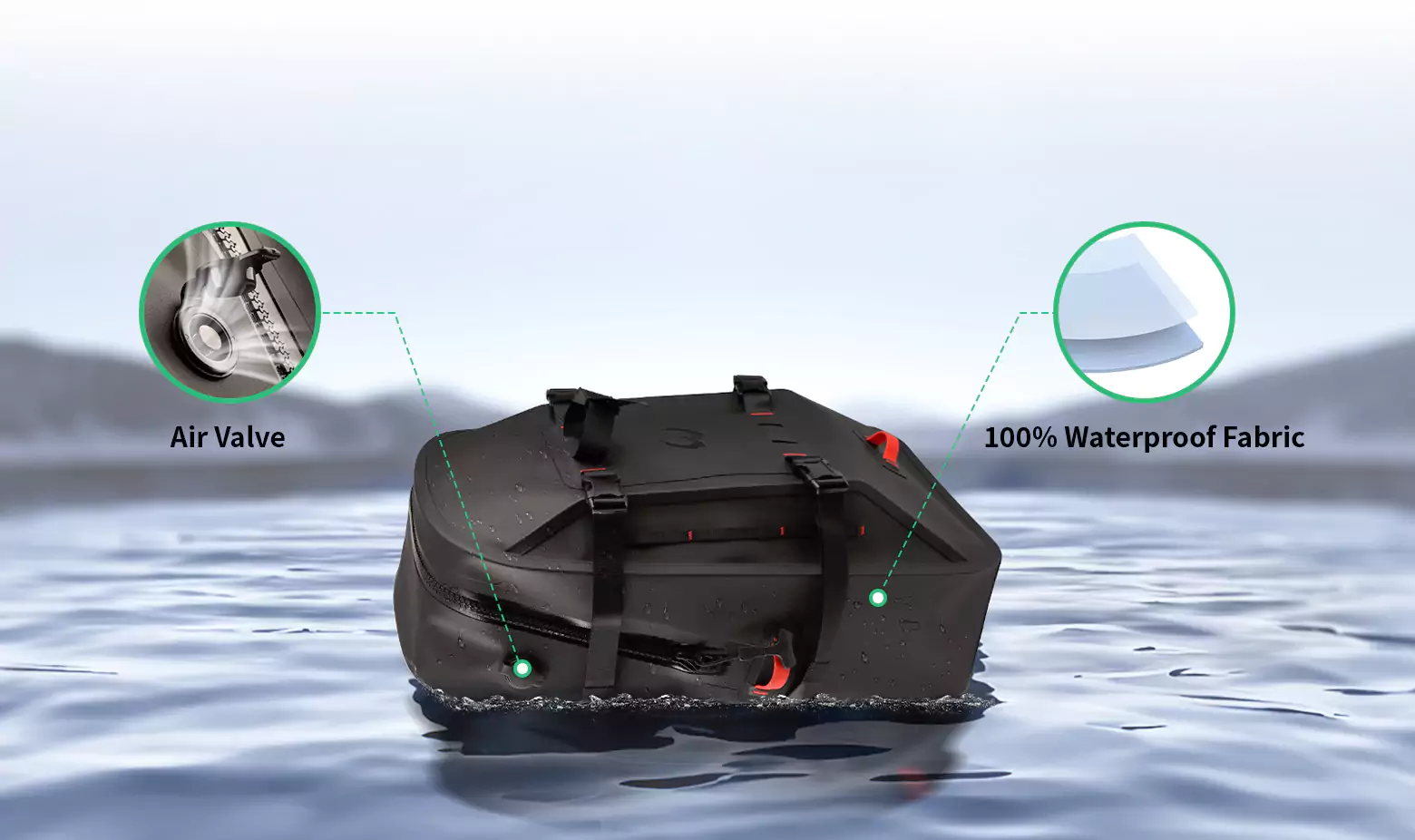
The global travel and fitness gear market has seen a massive resurgence in recent years. Whether it’s for weekend getaways, daily gym sessions, or rugged outdoor adventures, the demand for high-quality duffel bags continues to soar. For retailers, e-commerce entrepreneurs, and corporate gift buyers, finding the right duffel bag distributor is the cornerstone of a successful business model. A partnership with a top-tier provider—such as weierken—can be the difference between a thriving brand and one plagued by customer complaints and stockouts.
Choosing a distributor is about more than just finding the lowest price per unit. It’s about finding a partner that understands the nuances of the industry, from material science to logistics. In this comprehensive guide, we will break down the nine essential factors you must evaluate to ensure you are partnering with a duffel bag distributor that can help your business scale.

1. Category Specialization and Market Insight
When searching for a duffel bag distributor, the first thing you should look at is their level of focus. Is the company a general trader selling everything from electronics to kitchenware, or are they a specialized wholesale bag supplier?
A specialized distributor possesses a deep understanding of the diverse use cases for duffel bags. For instance, a gym duffel needs high-grade ventilation and antimicrobial linings, while a travel duffel requires dimensions that comply with airline carry-on regulations. A partner like weierken understands these distinctions and can guide you toward products that fit specific niches, such as tactical outdoor gear, professional sports, or high-end business travel.
A distributor with market insight will also know which styles are currently trending—whether it’s the “minimalist aesthetic” for urban commuters or “rugged durability” for the overlanding crowd. If they don’t understand the end-user, they can’t provide you with a product line that sells.
2. Material Quality and Craftsmanship Details
In the world of luggage, the “devil is in the details.” A reliable duffel bag distributor must be transparent about the materials they use. The durability of a bag is dictated by its “Denier” count (e.g., 600D Polyester vs. 1680D Ballistic Nylon) and the type of coating used for water resistance.
You should pay close attention to:
- Fabric Types: Does the distributor offer high-tenacity nylon, eco-friendly recycled fabrics, or heavy-duty canvas?
- Hardware: Are they using industry-standard zippers like YKK or SBS? A broken zipper is the number one reason for product returns in the bag industry.
- Reinforcement: Check for “bartack” stitching at high-stress points like handle attachments and shoulder strap D-rings.
- Comfort: Evaluate the padding density in the shoulder straps and the ergonomics of the carry handles.
A quality-focused custom duffel bag manufacturer will never cut corners on these elements, as they know that a single batch of poorly made bags can ruin a retailer’s reputation.
3. Supply Chain Stability and Capacity Assurance
In today’s volatile global market, “can you deliver?” is just as important as “what is the price?” You need to vet the duffel bag distributor‘s manufacturing capacity and their control over the supply chain.
Ask specific questions about their factory’s monthly output and their raw material reserves. A reliable distributor should be able to handle “peak season” surges without doubling their lead times. They should have a clear production schedule and a contingency plan for potential disruptions. When working with established names like weierken, you often benefit from a more streamlined supply chain that minimizes the risk of stockouts during your most profitable months. If a distributor cannot give you a firm lead time or seems vague about their factory location, it’s a red flag.
4. Product Certification and Regulatory Compliance
Selling products internationally requires a strict adherence to safety and environmental standards. A professional duffel bag distributor must ensure their products are compliant with the laws of the target market.
For the US market, this might include CPSIA (Consumer Product Safety Improvement Act) compliance, especially if the bags are marketed for school use. For the European market, REACH and RoHS certifications are essential to ensure the materials are free from harmful chemicals. Furthermore, if you are building an eco-conscious brand, look for certifications like OEKO-TEX® or GRS (Global Recycled Standard).
Ensuring your wholesale duffel bags meet these standards protects you from legal liabilities and build trust with modern, socially-conscious consumers.
5. Pricing Competitiveness and Contract Flexibility
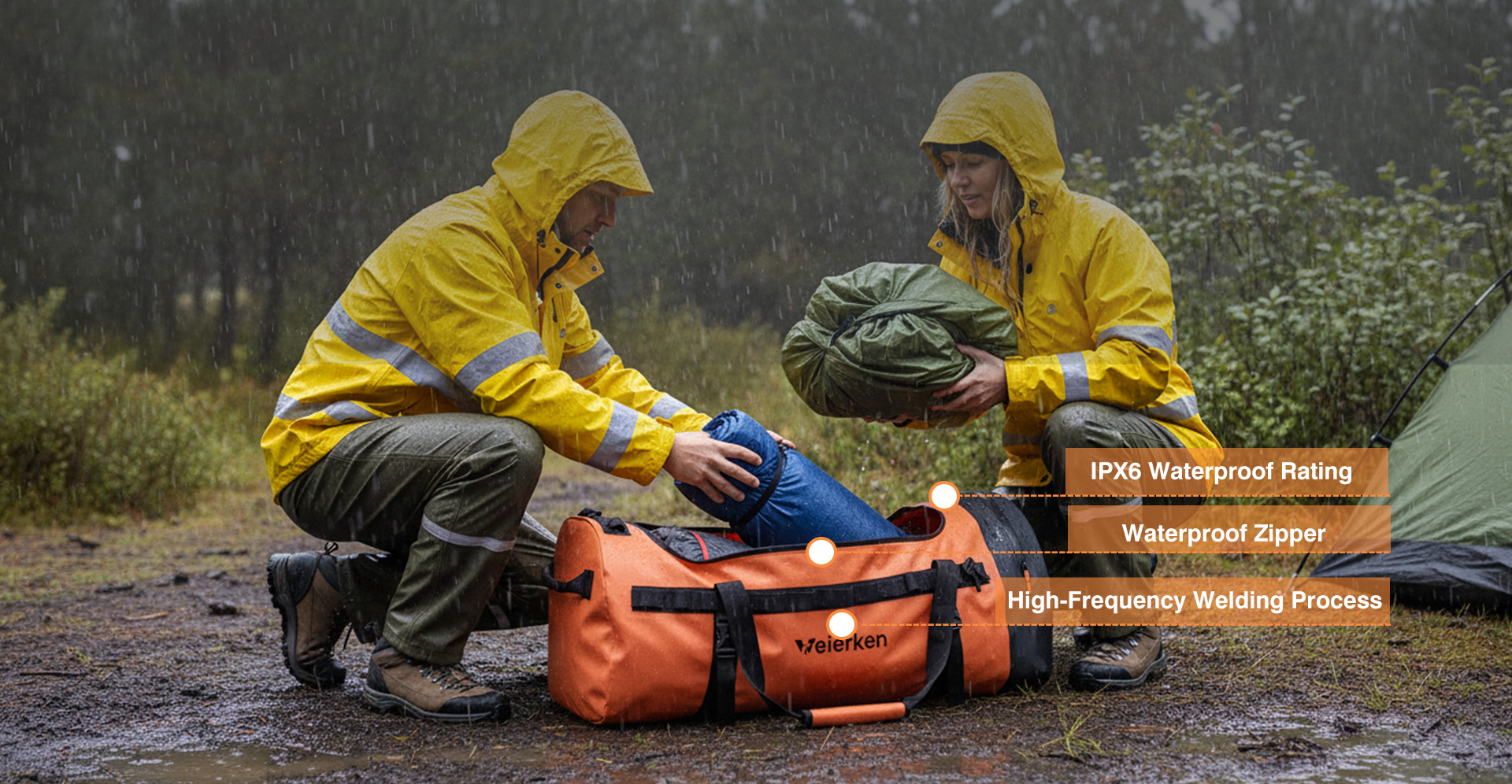
While we mentioned that price isn’t everything, it is still a major factor. You need to look for a duffel bag distributor that offers a transparent pricing structure. This includes being clear about whether the quote is FOB (Free On Board), EXW (Ex Works), or DDP (Delivered Duty Paid).
Beyond the unit price, evaluate their flexibility:
- MOQ (Minimum Order Quantity): Can they accommodate smaller test batches before moving to high-volume orders?
- Payment Terms: Do they offer flexible terms like L/C (Letter of Credit) or Net-30 for long-term partners?
- Tiered Pricing: Do they provide significant discounts as your order volume increases?
A good partner will work with you to find a pricing model that allows for a healthy profit margin while maintaining product integrity.
6. OEM/ODM Customization Capabilities
If you want your brand to stand out, you cannot simply sell the same generic bags as everyone else. This is where the custom duffel bag manufacturer aspect of your distributor becomes vital.
Evaluate their design team’s ability to handle complex requests. Can they integrate a waterproof shoe compartment? Can they add anti-theft RFID-blocking pockets or a dedicated laptop sleeve with “suspended” protection?
Weierken, for example, specializes in transforming a client’s rough sketch into a retail-ready product. This process involves rapid prototyping, material sourcing, and specialized branding techniques like 3D silicone heat transfers, embroidery, or custom-molded zipper pulls. The speed and accuracy of their sampling process are key indicators of their technical prowess.
7. Design Innovation and Market Response Speed
The fashion and gear industry moves fast. What was popular last year—like neon accents—might be replaced this year by earthy, matte tones and modular “MOLLE” systems. An elite duffel bag distributor shouldn’t just be a follower; they should be an innovator.
Do they release new designs quarterly? Do they attend major trade shows like Canton Fair or Outdoor Retailer? A distributor that actively researches market trends can provide you with invaluable insights, helping you stay ahead of your competitors. They should be able to suggest “product upgrades,” such as switching to lighter, stronger composite materials or adding integrated USB charging ports to their travel duffels.
8. After-Sales Service and Quality Assurance Systems
Many buyers make the mistake of ending their evaluation at the point of delivery. However, the true test of a duffel bag distributor is what happens after the containers arrive at your warehouse.
A reliable supplier should have a formalized Quality Assurance (QA) process. This usually involves:
- IQC (Incoming Quality Control): Testing raw materials.
- In-line Inspection: Checking bags during the sewing process.
- AQL (Acceptable Quality Limit) Inspection: A final check before shipping.
Furthermore, you must clarify their policy on defective goods. Will they offer a credit on the next order? Will they replace the items? A distributor that stands behind their work, like weierken, will offer a clear quality guarantee, ensuring you aren’t left holding the bag (literally) if something goes wrong.

9. Long-term Partnership and Strategic Synergy
Finally, look for a “partnership” rather than a “transaction.” A strategic duffel bag distributor is interested in your long-term growth because your success fuels theirs.
This synergy might manifest as:
- Inventory Support: Offering to hold safety stock for you (VMI – Vendor Managed Inventory).
- Marketing Assets: Providing high-resolution studio photos or lifestyle videos of the products.
- Exclusivity: Offering exclusive rights to certain designs in your specific geographic region.
When you find a distributor that aligns with your brand values and is willing to invest time in understanding your business goals, you have found a partner worth keeping.
Selecting the right duffel bag distributor is a multi-faceted decision that impacts your product quality, brand reputation, and bottom line. By focusing on specialization, material integrity, and manufacturing stability, you can build a resilient supply chain. Brands like weierken have demonstrated that by combining technical expertise with a commitment to customer success, a distributor becomes more than just a source of goods—they become an engine for growth.
As you move forward, use these nine factors as a checklist. Don’t be afraid to ask the hard questions and request samples. In the competitive world of luggage and bags, your choice of partner is the most important “bag” you’ll ever pack.
Frequently Asked Questions (FAQ)
Q1: What is the typical MOQ for a professional duffel bag distributor?
A: MOQs vary depending on the level of customization. For “in-stock” designs, it can be as low as 50-100 pieces. However, for full OEM/ODM customization involving custom fabric colors or unique molds, MOQs typically range from 500 to 1,000 pieces per style.
Q2: How can I verify the quality of a distributor’s materials from overseas?
A: Always request a pre-production sample. You can also ask for third-party lab test reports (like SGS or Intertek) regarding fabric tensile strength, colorfastness, and water resistance. A reputable wholesale bag supplier will be happy to provide these.
Q3: What are the standard lead times for bulk duffel bag orders?
A: Usually, the production cycle is 30 to 45 days after the sample is approved and the deposit is paid. Shipping adds another 2 to 4 weeks depending on whether you are using sea or air freight.
Q4: Can a duffel bag distributor help with my brand’s eco-friendly goals?
A: Yes. Many modern distributors now offer “Green” lines using rPET (recycled polyethylene terephthalate) made from plastic bottles or organic cotton. Make sure they provide the Global Recycled Standard (GRS) certification to back up their claims.
Q5: What should I do if I receive a batch of bags with defective zippers?
A: This should be covered under your “After-Sales” agreement. A reliable duffel bag distributor will typically either refund the cost of the defective units or provide a credit/replacement in the next shipment. This is why having a clear contract is vital.
Q6: Is it better to work with a factory directly or a distributor?
A: Factories are great for massive volumes, but a specialized duffel bag distributor often provides better communication, more flexible MOQs, and a wider variety of designs since they may manage multiple production lines. For most mid-sized brands, a distributor offers a more balanced service.