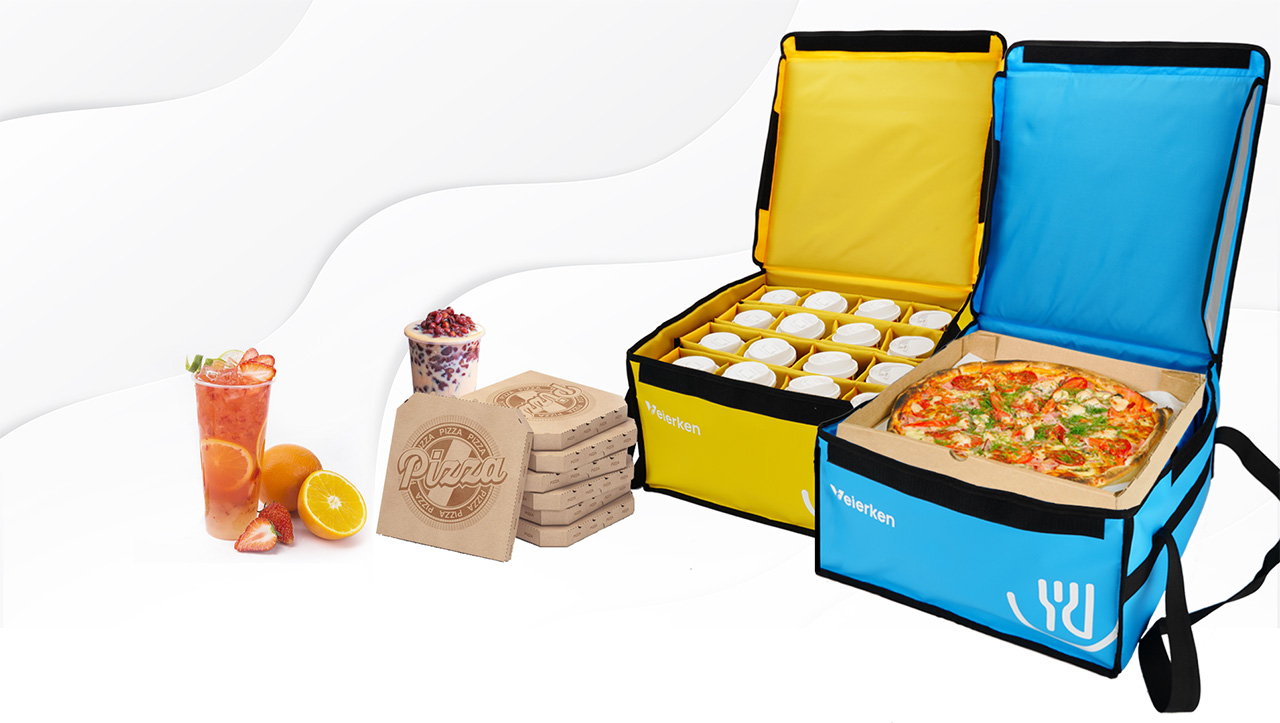
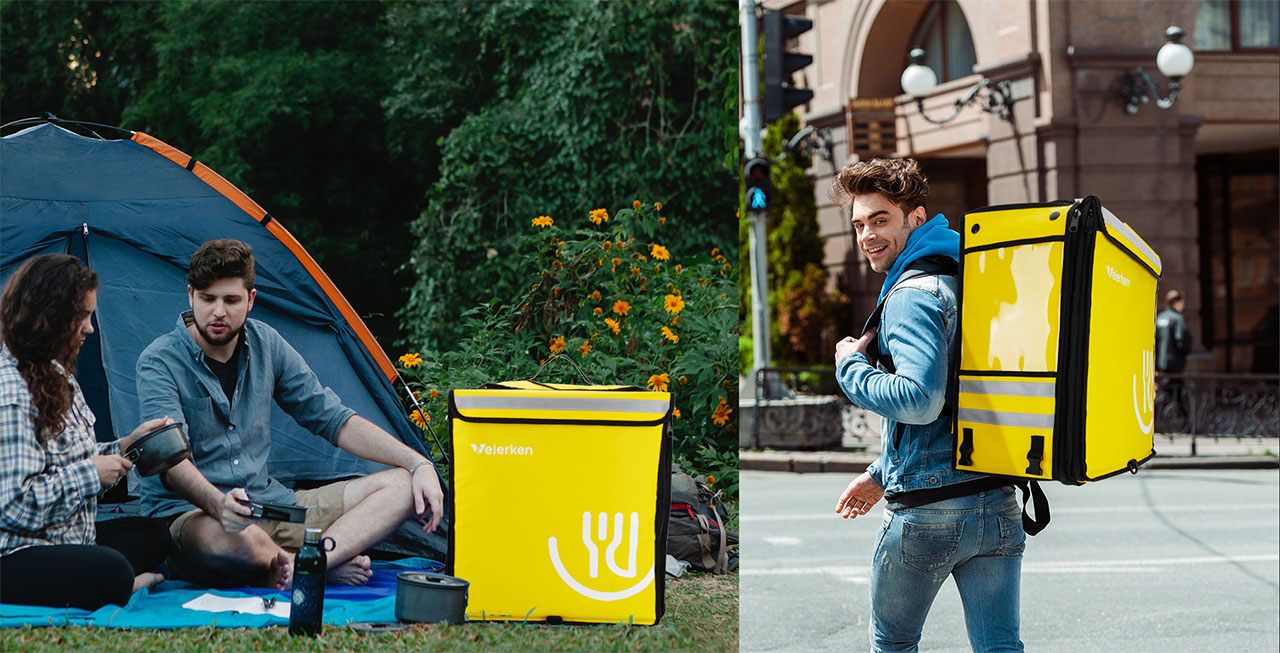
The global seafood journey is a relentless race against time and temperature. From the moment a catch leaves the water to its final destination on a plate or in a retail case, its quality is on a countdown. For businesses in this high-stakes chain, the weakest link isn’t always the boat or the truck—it’s often that critical, last-mile handoff where traditional bulky coolers fail.
This is where the strategic role of a specialized seafood cooler bag distributor becomes undeniable. It’s not about selling generic insulated bags; it’s about providing engineered temperature-control solutions that address the distinct, often brutal, realities of each industry segment. A partner like Weierken steps beyond mere supply, delving into the unique workflows of wholesalers, chefs, logistics managers, and export executives to deliver not just a product, but a tangible extension of their quality assurance protocol.
The right partnership transforms a simple cooler bag from a commodity into a critical asset, directly impacting freshness, compliance, waste reduction, and ultimately, profitability. Let’s explore how this plays out across four core industries.
1. Seafood Wholesale & Retail Markets: The Engine of Daily Freshness
For wholesalers and bustling fish markets, the operation is defined by volume, speed, and repetitive handling. Product moves rapidly from landing to auction, to breakdown, to delivery to countless restaurants and retailers. Standard insulation often crumbles under this pressure.
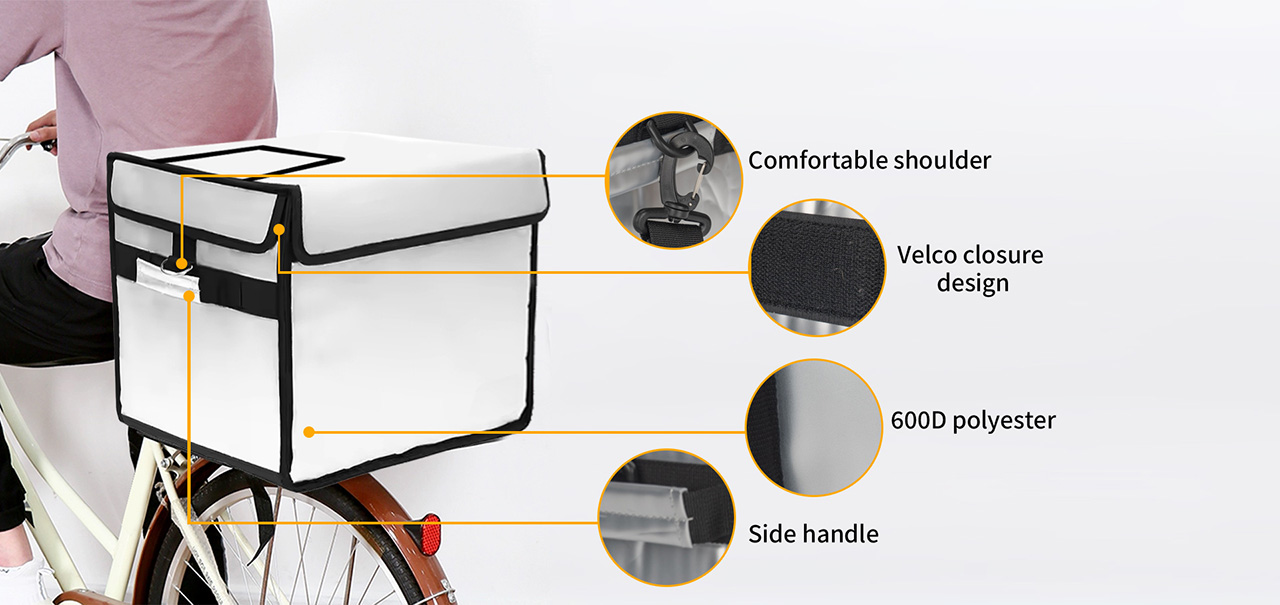
A proficient seafood cooler bag distributor understands this environment demands brute durability and superior thermal density. Weierken focuses on solutions for this sector built with robust, puncture-resistant exteriors and high-performance foam insulation that withstands constant loading, unloading, and stacking.
The key here is supporting extended preservation during multiple, short-term storage and transfer phases. A wholesaler might use these bags to hold sorted catches for hours on the market floor, then for delivery runs to local clients. The right bag maintains a consistently low temperature throughout this cycle, drastically reducing drip loss and spoilage.
By partnering with a distributor attuned to these needs, wholesale businesses secure a reusable, reliable alternative to single-use foam boxes. This translates directly into less product shrinkage, higher quality upon delivery, and enhanced reputation for reliability. It’s a tool that protects their primary asset: absolute freshness.
2. Restaurant & Hospitality Industry: Protecting Culinary Integrity
In the restaurant and hospitality world, consistency is king. A chef’s reputation hinges on the pristine quality of every ingredient that enters their kitchen. The journey from the fish market to the back door, however, can be a dangerous gap in the cold chain.
This sector requires a different breed from a seafood transport cooler bag supplier. Here, functionality merges with form. Purchasing chefs and hotel procurement teams need bags that are not only highly effective but also lightweight for easy carrying and professional in appearance. Aesthetics matter in high-end establishments.
Weierken serves this niche by providing agile, well-designed bags that ensure a seamless, unbroken cold chain during critical short-haul transports. The focus is on precise temperature maintenance for a shorter duration but with zero tolerance for failure.
For a luxury hotel sourcing lobsters or a restaurant group collecting daily specials, the right bag guarantees that the food material arrive in the same state they were selected. This stability supports menu consistency, reduces kitchen waste from compromised products, and safeguards the culinary investment. It’s a crucial link for chefs who cannot afford variability in their primary ingredients.
3. Cold Chain Logistics & Transportation: The Backbone of Scalable Distribution
Logistics companies face the complex puzzle of multi-stop deliveries, mixed loads, and stringent food safety regulations. Their challenge is efficiency: maximizing cargo space while ensuring each item, whether frozen, chilled, or fresh, stays within its specific temperature window.
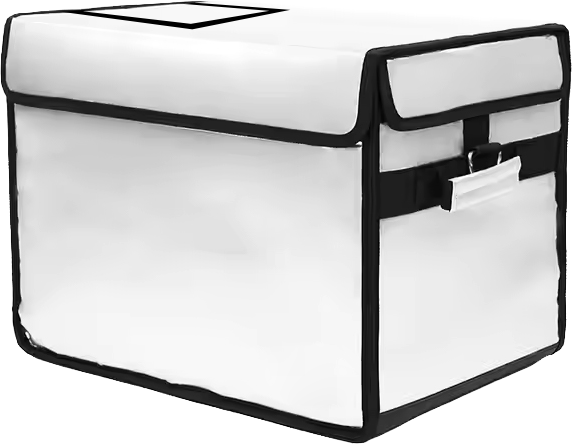
A strategic seafood cooler bag distributor provides the modular solutions that make this possible. For logistics providers, standardization is power. Weierken emphasizes cooler bags designed with uniformity in mind—stackable, nestable, and sized to optimize pallet and van space.
These are not just bags; they are standardized, multi-temperature transport units. They allow drivers to consolidate shipments for different clients efficiently, maintaining strict thermal separation. This system simplifies loading, improves space utilization, and provides a clear, compliant method for transporting temperature-sensitive goods.
Partnering with a distributor that offers this logistical-grade equipment helps transportation services expand their seafood clientele confidently. It provides a documented, reliable method for last-mile delivery that meets evolving food safety standards, turning a logistics provider into a specialized cold chain partner.
4. Seafood Processing & Export Businesses: Conquering Distance and Time
This is where the demands are most extreme. Processors and exporters deal with high-value consolidated shipments that must survive extended transit times, often across international borders. The risk and stakes are enormous, with compliance to international shipping regulations being non-negotiable.
These businesses require heavy-duty, professional-grade tools. A leading seafood cooler bag manufacturer and distributor like Weierken caters to this with high-capacity, long-duration cooling solutions. Think of large, rigid or semi-rigid containers with ultra-thick insulation, sometimes paired with phase-change materials or gel packs designed for 48-hour+ protection.
The application ranges from temporary holding of processed batches before loading into reefers, to safeguarding samples during air freight, to providing a critical safety buffer during inter-facility transfers. For exporters, this is a key strategy to effectively extend shelf life, giving their products more time to reach distant markets in optimal condition.
Choosing a distributor with expertise in this field ensures access to products that meet specific international packaging and insulation standards. It’s an investment in reducing claim rates, passing customs and health inspections smoothly, and protecting brand integrity on a global scale. In this arena, the right cooler bag is a strategic component of export compliance and success.
The Distributor as a Strategic Partner
Across these four diverse landscapes—the chaotic market, the pristine kitchen, the busy logistics hub, and the high-stakes export floor—the constant is the need for precision temperature management. The choice of a seafood cooler bag distributor is, therefore, a strategic business decision.
It’s about selecting a partner who doesn’t just hold inventory but possesses the industry insight to match the right technology to the right operational challenge. Weierken embodies this approach, viewing each cooler bag as a critical component in our clients’ value chain. By focusing on the specific demands of wholesale, hospitality, logistics, and processing, we provide more than a product; we deliver certainty, efficiency, and protection for your most valuable asset: the seafood itself.
In a world where freshness equals value, the right bag, from the right partner, makes all the difference.
Frequently Asked Questions (FAQ)
Q1: What should I look for when choosing a seafood cooler bag distributor?
A1: Look beyond just price. A reliable distributor should offer deep industry knowledge, a range of products tailored to different applications (wholesale, logistics, etc.), and evidence of quality construction. Ask about insulation materials, durability features, and compliance with relevant food safety standards. A partner like Weierken that understands your specific sector’s workflow is invaluable.
Q2: How can a cooler bag distributor help my restaurant chain beyond just selling me bags?
A2: A specialized distributor can analyze your procurement and delivery routes to recommend the optimal size, insulation level, and portability features. They ensure the bags integrate seamlessly into your kitchen’s operations, protecting ingredient quality from market to prep station, thereby reducing waste and maintaining consistent plate quality.
Q3: We are a logistics company new to handling seafood. Can a distributor help us build a compliant system?
A3: Absolutely. A proficient seafood cooler bag supplier is a key consultant. They can provide standardized, stackable bag solutions that create an efficient multi-temperature transport system within your vehicles. This helps you meet HACCP and food safety transportation guidelines, turning a general logistics service into a specialized cold chain offering.
Q4: For export purposes, how long can a high-quality seafood cooler bag maintain a safe temperature?
A4: Duration depends on bag design, ambient temperature, and the use of complementary coolant packs. Professional-grade bags from a trusted distributor, designed for export, can often maintain safe chilled or frozen temperatures for 24 to 48 hours or more when properly conditioned and packed. Specific duration should be validated for your shipment parameters.
Q5: Is customization an option when working with a large-volume cooler bag distributor?
A5: Yes, many established manufacturers and distributors, including Weierken, offer customization for large B2B clients. This can include custom sizes, branding/logo printing, tailored insulation configurations, and specific closure systems to fit your unique packaging line or handling process. Discuss your volume and needs directly with the distributor.