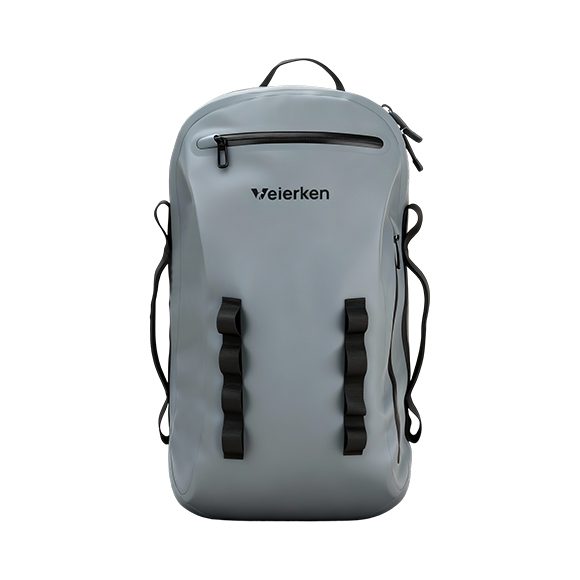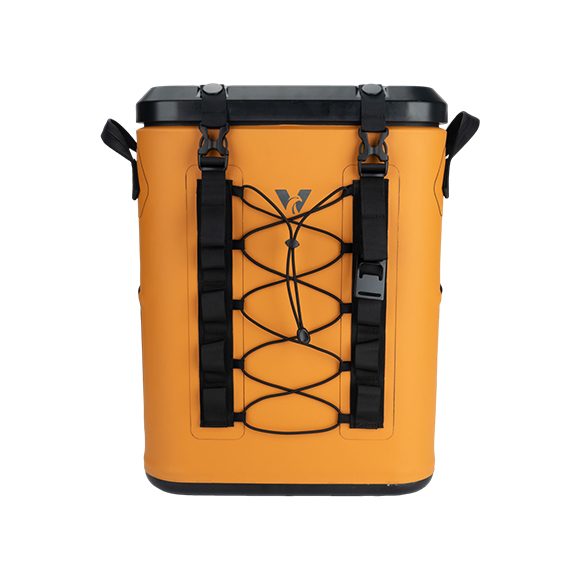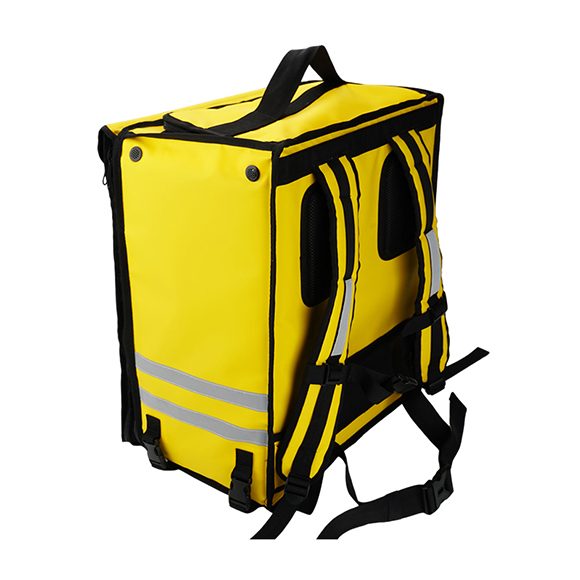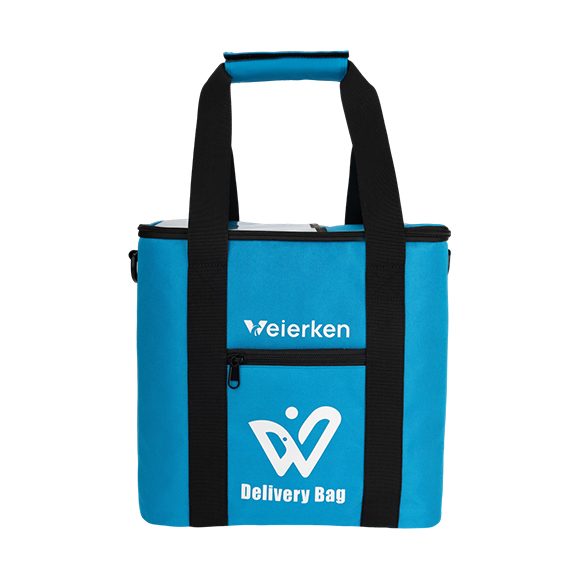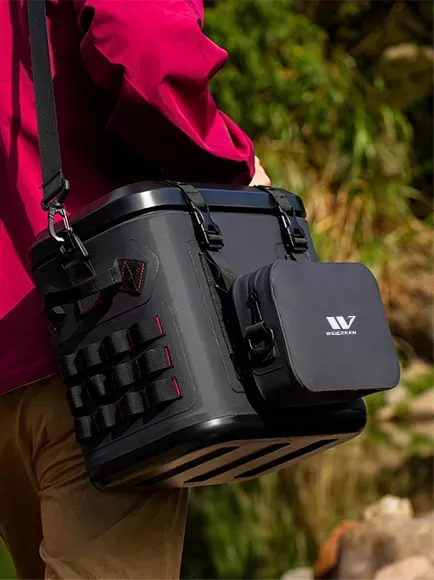
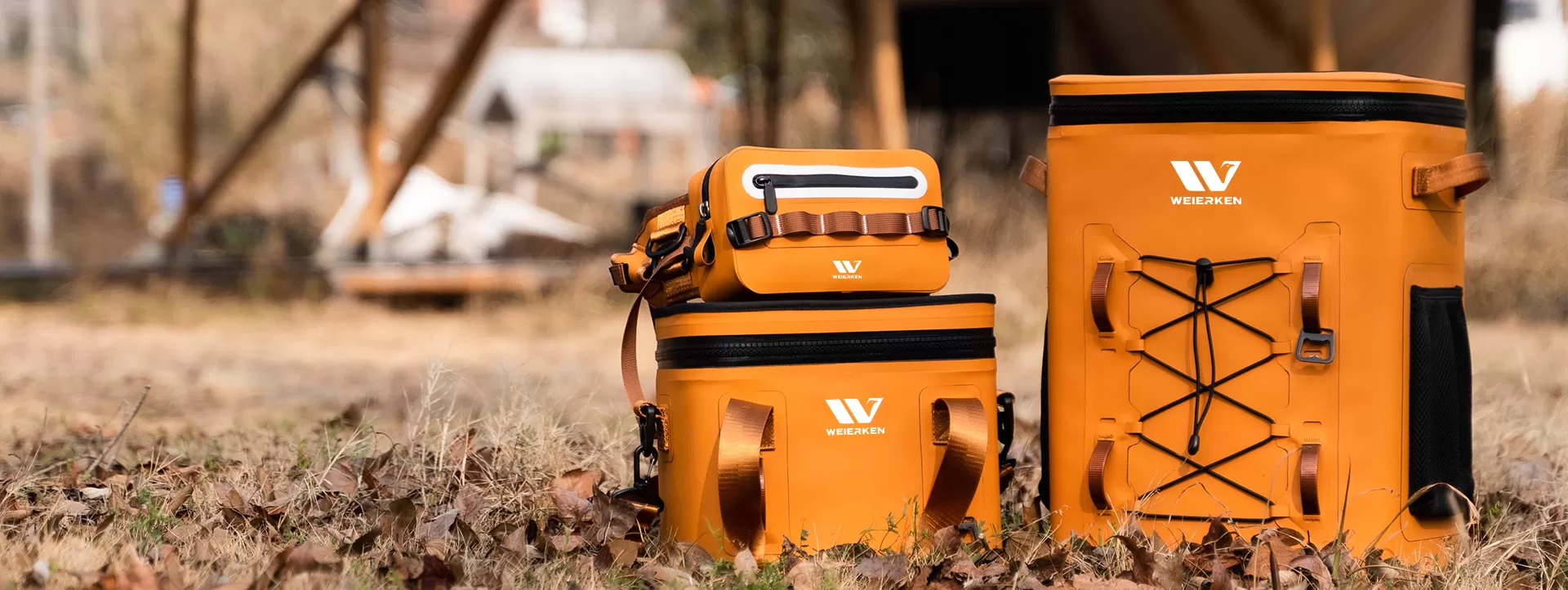
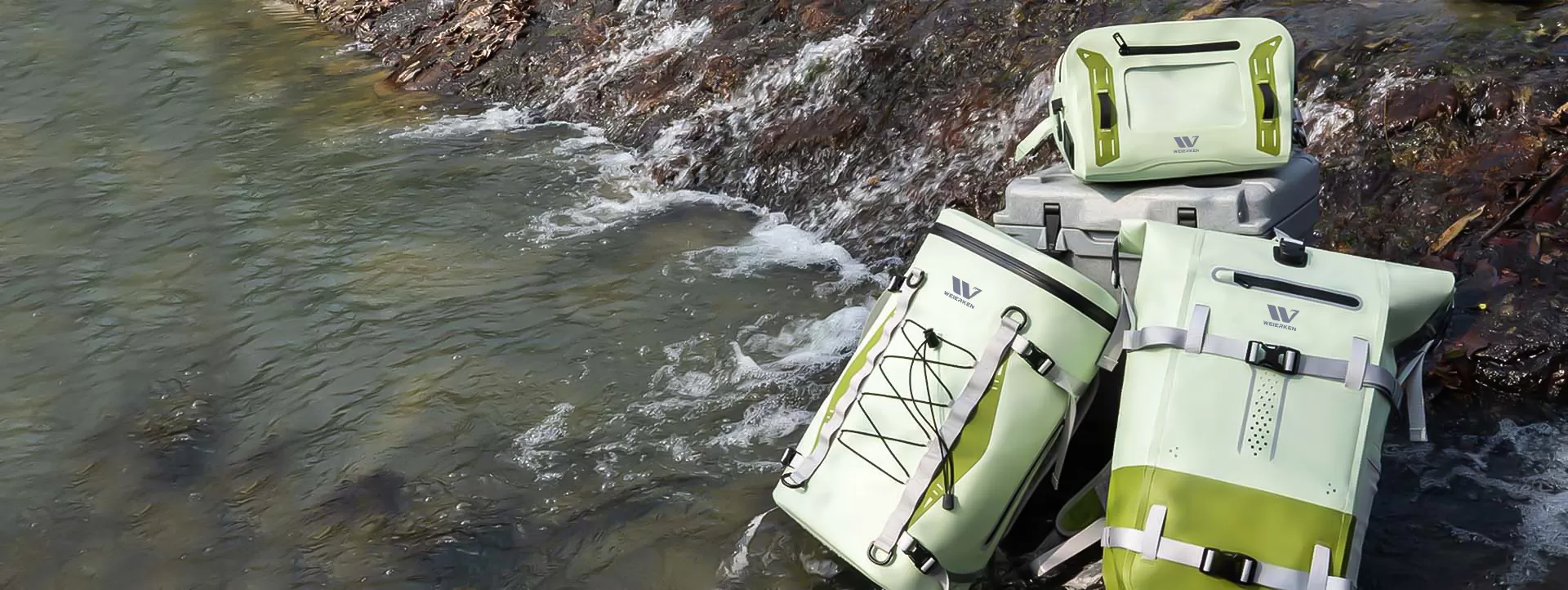
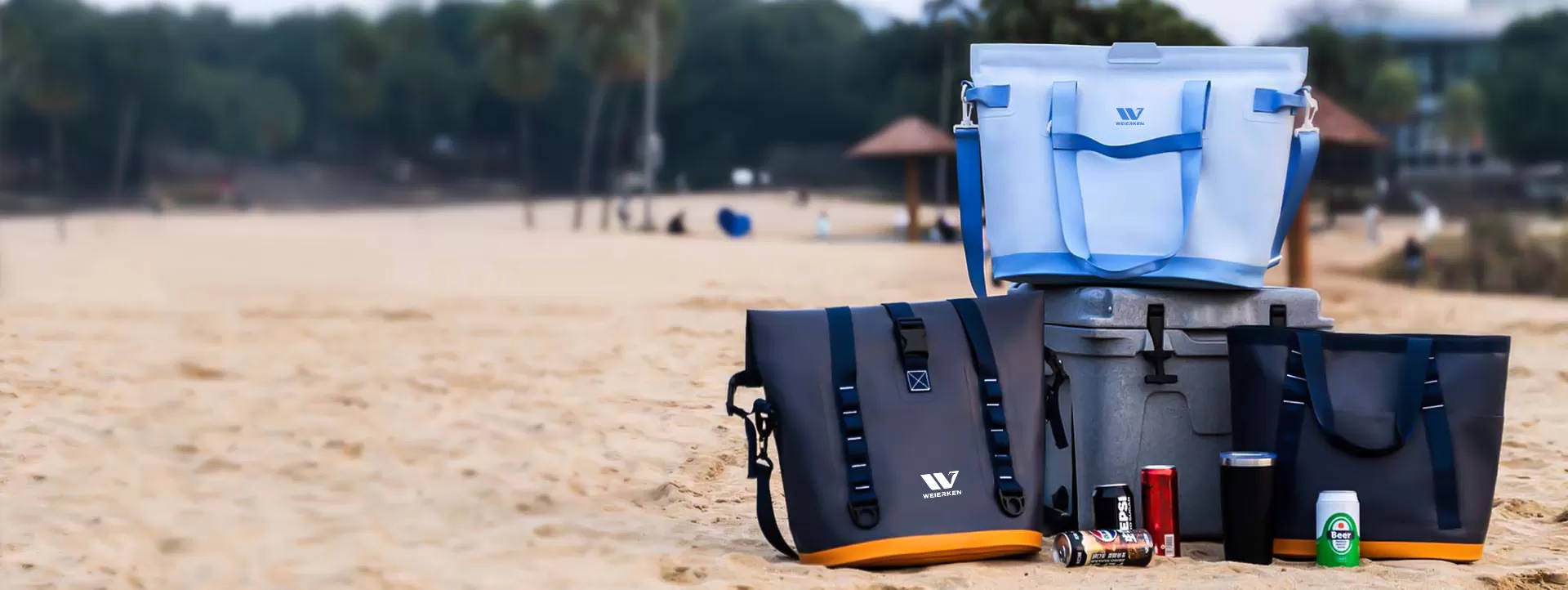
Imagine the scenario: You have just received a container of 10,000 dry bags just in time for the summer peak season. On the surface, the balance sheet looks fantastic. You negotiated a rock-bottom unit price, squeezed the shipping costs, and the product looks decent enough on the shelf.
Then, the first customer email arrives. Then another. A smartphone ruined due to a pinhole leak. A strap that snapped under moderate load. Suddenly, that aggressive margin you secured evaporates into returns, bad reviews, and frantic emails to a factory that has stopped replying.
In the outdoor gear industry, the price tag on the invoice is rarely the total cost of the product. This is particularly true when sourcing technical gear where failure results in property damage. Finding a reliable IPX7 waterproof bag distributor is not just about price comparison; it is an exercise in analyzing the Cost of Quality (COQ).
Brands like Weierken have long understood that in the world of watertight storage, the “cheapest” option often becomes the most expensive mistake a B2B buyer can make. This guide analyzes the financial reality of importing waterproof bags and how to balance strict quality standards with profitability.

The Quality Cost Framework and the Real Meaning of IPX7
When we talk about the “Cost of Quality” in the context of waterproofing, we aren’t just talking about paying for premium materials. We are looking at a financial framework that breaks down into four distinct categories: Prevention, Appraisal, Internal Failure, and External Failure.
1. Prevention Costs
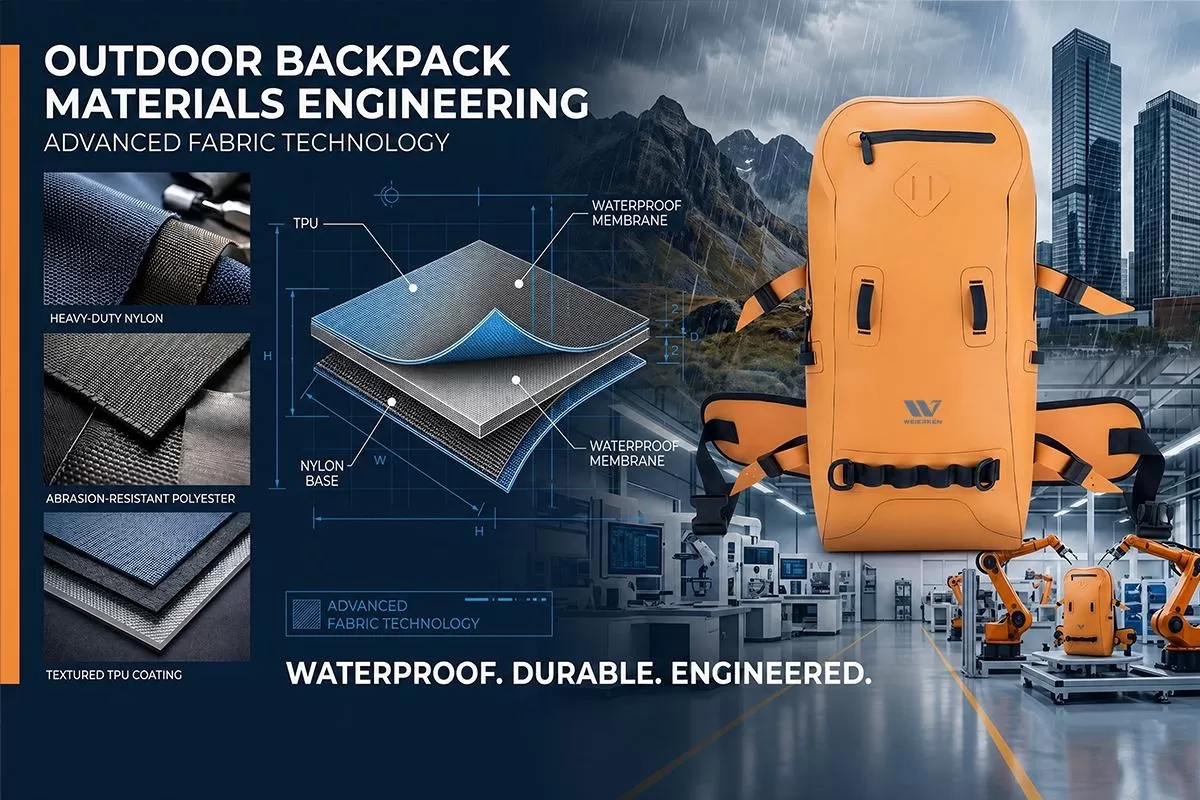
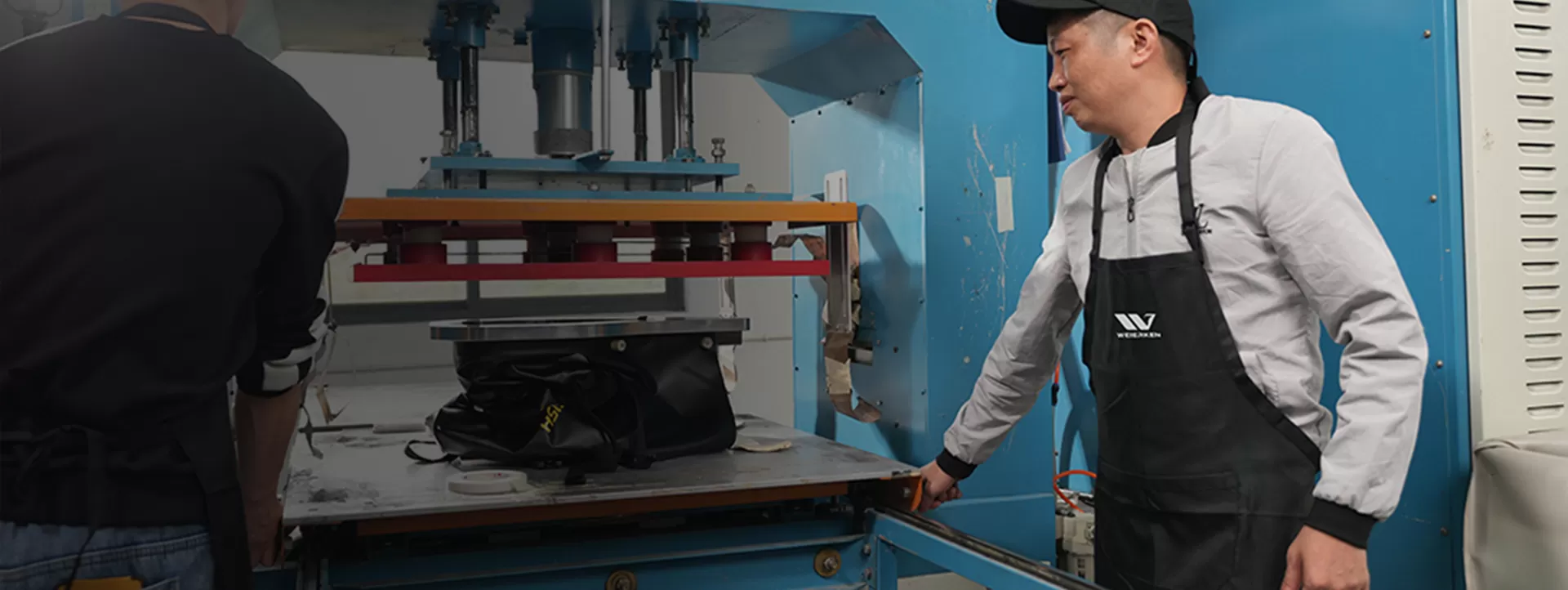
This is money spent to prevent defects from occurring in the first place. When working with an IPX7 waterproof bag distributor, this involves the engineering phase. It includes the cost of high-grade TPU or PVC materials, the maintenance of RF welding machines to ensure consistent seals, and training the factory workforce. IPX7 specifically refers to the ability to withstand immersion in water up to 1 meter for 30 minutes. Achieving this requires precise welding temperatures. If a supplier cuts corners here to save electricity or time, the prevention cost is low, but the risk skyrockets.
2. Appraisal Costs
These are the costs associated with measuring and monitoring. This includes the salary of QC staff, the cost of pressure testing equipment, and third-party inspections. A reliable distributor will have high appraisal costs because they are testing a significant percentage of the batch, not just a random sample of three units.
3. Internal Failure Costs
These are costs incurred when defects are found before the product leaves the factory. If a batch of waterproof bags fails the air-leak test, they must be scrapped or reworked. A low-quality factory will try to hide these costs or ship the borderline products. A high-quality partner absorbs this cost to protect you.
4. External Failure Costs
This is the nightmare scenario. These are defects found by the customer. It includes warranty claims, shipping returns, legal liabilities for damaged electronics, and loss of brand equity. In the waterproof bag niche, external failure costs are disproportionately high because the product is meant to protect expensive items.
The Strategic Value of IPX7
The IPX7 standard is a critical threshold. It separates “splash-proof” toys from serious outdoor gear. By insisting on true IPX7 certification, you are essentially buying an insurance policy. It dictates that the supply chain must adhere to a higher standard of manufacturing discipline, which naturally filters out the lowest-tier, highest-risk manufacturers.
Unveiling Explicit and Implicit Import Costs
When you request a quote from an IPX7 waterproof bag distributor, you are usually presented with the explicit costs. However, experienced procurement managers know that the “Iceberg Principle” applies heavily here. The visible costs are only a fraction of the total financial picture.
The Explicit Costs
These are the numbers on your spreadsheet:
- Unit Price (FOB/EXW): The cost per bag.
- Logistics: Freight, insurance, and customs duties.
- Certification Fees: Costs for CE, RoHS, or specific IP testing reports.
While these are easy to calculate, focusing solely on minimizing them often leads to inflating the implicit costs.
The Implicit Costs
These are the silent profit killers that occur when quality is compromised:
Sample Iteration Loops:
If a supplier doesn’t understand the technical requirements of IPX7, you might go through five rounds of sampling instead of one. Each round costs money in courier fees, but more importantly, it costs time. Missing a summer launch window because of sampling delays is a massive opportunity cost.
Communication Friction:
How much is your time worth? If you have to micromanage a distributor because they lack internal QC processes, your administrative costs rise. A cheap supplier effectively outsources their project management to you.
The Cost of Inconsistency:
Imagine receiving a shipment where 10% of the buckles are a slightly different shade of black, or the material thickness varies by 0.1mm. It’s not enough to reject the shipment, but it degrades the perceived value of your brand. This inconsistency makes it impossible to build a premium reputation.
Long-Term Reputation Costs
This is the most dangerous implicit cost. If a user trusts your bag with their $1,200 smartphone during a kayaking trip, and the bag leaks, they won’t blame the IPX7 waterproof bag distributor in China. They will blame your brand. Customer acquisition is expensive; losing a customer due to a product failure burns that investment instantly.
Strategies for Balancing Quality and Cost in Supplier Selection
Finding the sweet spot between a competitive price and unshakeable quality requires a rigorous vetting strategy. You cannot simply accept a claim of “High Quality” at face value. You need a systemic approach to filter potential partners.
1. Verify, Don’t Just Trust
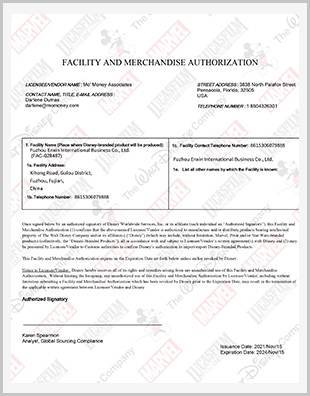
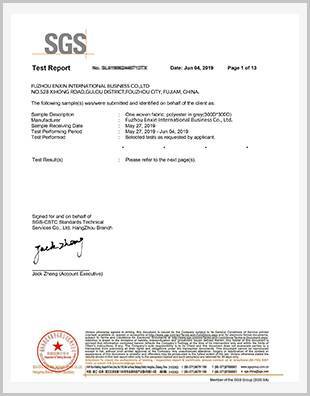
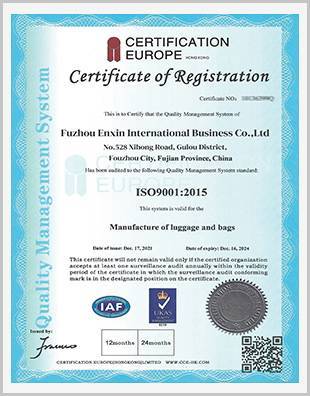
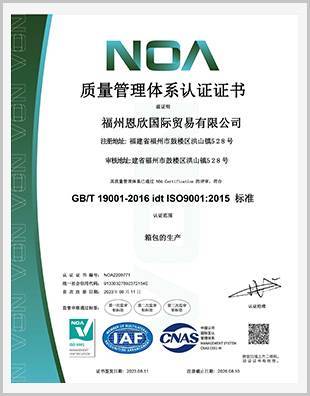
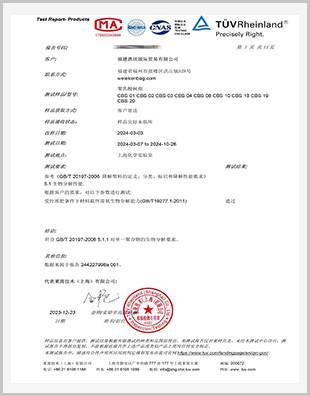
A common pitfall is accepting a PDF certificate as proof. Many manufacturers use expired or forged IPX7 reports. You must demand the full test report, check the testing body (e.g., SGS, TUV), and verify the report number online. Furthermore, ask the distributor if the report applies to your specific material and design, or if it’s a generic report for a different product.
2. Supply Chain Transparency
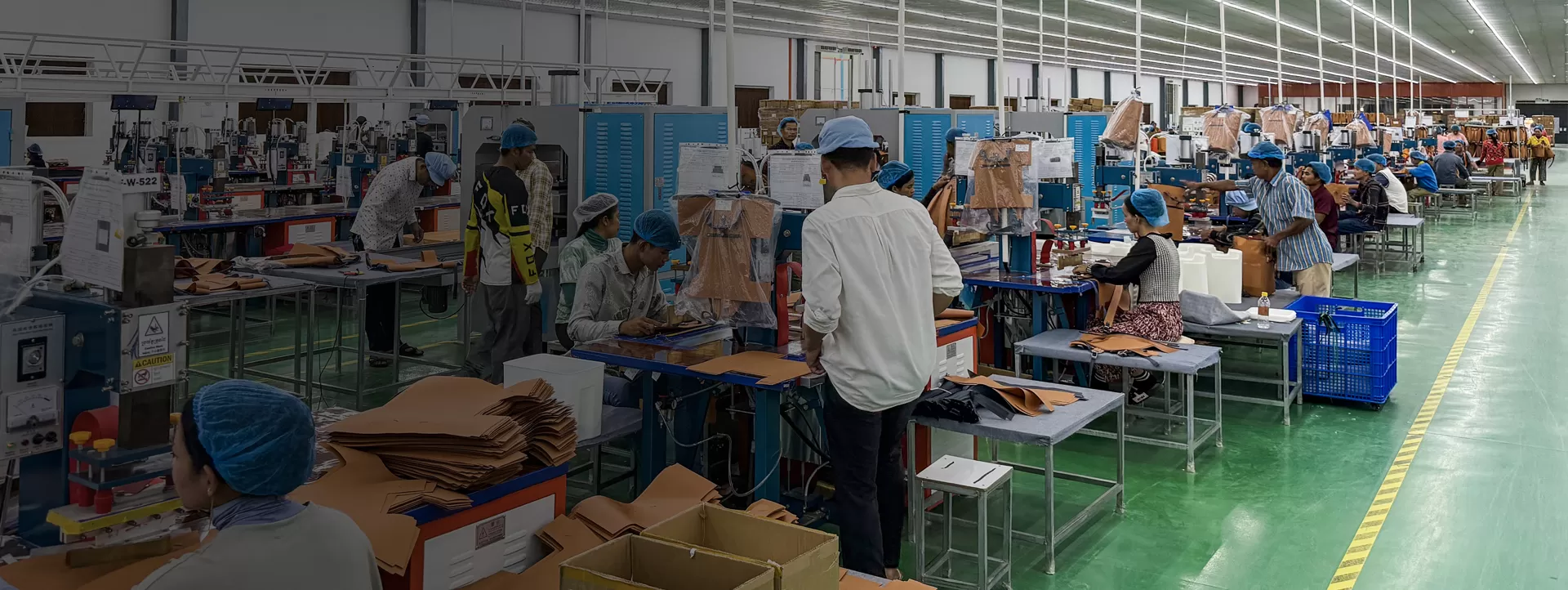
Does the distributor own the factory, or are they a middleman? If they are a factory, where do they source their raw materials? The integrity of the waterproof membrane (often TPU or PVC) is paramount. Ask for material data sheets. Brands like Weierken often maintain strict control over their raw material sources to ensure that the chemical composition doesn’t degrade under UV exposure, a common failure point for cheaper plastics.
3. The “Torture Test” Pilot Run
Before committing to a 40HQ container, purchase a small trial batch. Do not just look at them.
- Submerge them: Expose them to the IPX7 standard (1 meter water depth) for 24 hours, not just 30 minutes.
- Load test: Fill them with weight and hang them to test the strap welding strength.
- Environmental test: Leave them in direct sunlight for a week. Cheap materials will become brittle or sticky.
4. Long-Term Incentives
Shift the conversation from “lowest price per unit” to “lowest total cost of ownership.” Propose a contract where the supplier is liable for defect rates above a certain threshold (e.g., 1%). If they refuse to back their quality with financial guarantees, you have your answer regarding their confidence in their product.
Navigating Costs in ODM/OEM Partnerships
Many B2B buyers utilize an IPX7 waterproof bag distributor for ODM (Original Design Manufacturer) or OEM (Original Equipment Manufacturer) projects. This adds a layer of complexity to the cost structure. Customization is where quality risks often creep in if not managed correctly.
Mold and Development Costs
When creating a custom shape or size, new high-frequency welding molds are required.
- The Cost: Molds can range from hundreds to thousands of dollars.
- The Strategy: Negotiate an amortization deal. For example, the distributor pays for the mold, but you guarantee a minimum order quantity (MOQ) within a year. Alternatively, you pay for the mold upfront but retain exclusive ownership of the design.
Customized Components
Standard waterproof bags often use generic “water-resistant” zippers. If your design calls for a truly airtight/watertight zipper (like a TIZIP equivalent), the unit cost will jump significantly.
- The Balance: Analyze the use case. Does a beach tote need a $15 zipper? Likely not. Does a submersible camera bag? Absolutely. Work with the distributor to source components that match the intended price point without compromising the core IPX7 rating.
Process Validation
For custom products, the standard QC line might not fit. You need to pay for a “Golden Sample” process. This involves a signed-off, perfect sample that sits on the production line. Every 100th unit is compared against this master sample. This ensures that “feature creep” or gradual degradation doesn’t happen during a long production run.
The Synergy of Design
Experienced distributors can offer “Design for Manufacturing” (DFM) advice. They might suggest that a slight change in the corner radius of your bag will reduce the rejection rate during welding by 50%. This collaborative approach reduces waste and lowers the final unit price, proving that a knowledgeable partner is worth a slightly higher initial quote.

Building a Continuous Improvement Model
The relationship with your supplier should not be static. To truly minimize the cost of quality, you need a dynamic model of continuous improvement.
The Quality Dashboard
Create a shared digital dashboard with your IPX7 waterproof bag distributor. Track key metrics:
- On-time delivery rate.
- First-pass yield (what percentage of bags pass QC the first time).
- Customer return rate categorized by defect type (e.g., leakage, strap failure, cosmetic).
By sharing this data, you move away from subjective arguments (“The quality feels worse”) to objective facts (“Leakage rates increased by 0.5% this quarter”).
Joint Improvement Projects
If you notice that shipping costs are high because of the packaging volume, work with the manufacturer to redesign the folding method or the retail box. If the bags are arriving with crush marks, investigate the carton stacking pattern.
Companies that succeed in the long term, much like the operational philosophy at Weierken, treat their supply chain as an extension of their own business. They invest in the relationship. When you help your distributor improve their efficiency, you eventually reap the benefits in the form of stable pricing and priority scheduling during peak seasons.
Importing waterproof gear is a high-stakes game. The difference between a profitable bestseller and a brand-damaging recall lies in the rigorous analysis of the Cost of Quality. By understanding the distinction between the sticker price and the total cost, verifying the capabilities of your IPX7 waterproof bag distributor, and managing ODM complexities with precision, you build a resilient business.
The goal is not to find the cheapest bag in the world. The goal is to find the most cost-effective bag that delivers on the promise of keeping gear dry. Whether you are a startup or an established retailer, partnering with seasoned manufacturers like Weierken ensures that your quality costs remain an investment in brand equity, not a drain on your profits.
FAQ: Sourcing from an IPX7 Waterproof Bag Distributor
Q1: How can I verify if a distributor’s IPX7 claim is legitimate?
A1: Do not rely solely on the distributor’s word. Ask for the full test report from an accredited third-party laboratory (like SGS, Intertek, or TUV). Check the report date and ensure the product tested matches the specifications (materials and design) of the product you are buying. You can also hire a third-party inspection agency to perform on-site water immersion tests during the Pre-Shipment Inspection (PSI).
Q2: What is the typical Minimum Order Quantity (MOQ) for custom IPX7 bags?
A2: MOQs vary by distributor and level of customization. For standard stock items with a simple logo print, MOQs can be as low as 500 units. However, for fully custom OEM/ODM projects requiring specific material colors or custom welding molds, reliable IPX7 waterproof bag distributor partners usually require between 1,000 to 3,000 units to cover setup and material extrusion costs efficiently.
Q3: Why are RF (Radio Frequency) welded seams better than sewn seams for these bags?
A3: Sewn seams create thousands of needle holes that must be taped to be waterproof, which is a point of failure over time. RF welding uses high-frequency electromagnetic energy to fuse the thermoplastic materials (like PVC or TPU) together at a molecular level. This creates a single, continuous piece of material that is air and watertight, which is essential for meeting the IPX7 standard.
Q4: Can I customize the material from PVC to TPU with the same distributor?
A4: Most professional distributors offer both materials, but they have different cost and performance profiles. PVC is cheaper and stiffer, while TPU is more expensive, eco-friendly, flexible, and resistant to abrasion and cold temperatures. If you switch materials, the distributor will need to adjust their welding machine parameters, so expect a new round of sampling and testing.
Q5: What should I do if I receive a batch of bags that leak?
A5: This depends on the contract terms you signed. A solid agreement should include a “defect allowance” (usually under 1-2%). If the failure rate exceeds this, the distributor should replace the defective units or offer a credit. Immediate action involves isolating the batch to prevent sales to customers and sending photo/video evidence of the failure testing to the distributor to identify the root cause (e.g., machine error vs. material failure).
Ready to secure your supply chain with reliable, high-quality waterproof gear?
Don’t let hidden quality costs sink your profit margins. Contact us today to discuss your requirements and get a quote from a trusted partner.