Imagine the scene: A grand banquet hall, two hundred guests waiting, and the main course arrives… lukewarm. It is the nightmare scenario for any catering manager or logistics director. In the cold chain and food delivery industry, the battle isn’t just about cooking the food; it is about fighting thermodynamics during transport.
The equipment you choose acts as the shield against temperature loss. While many focus on the kitchen, the real variable often lies in the quality of the thermal transport gear. This is where the expertise of a specialized food warmer distributor becomes the most critical asset in your logistics chain.
Whether you are running a high-frequency delivery fleet or a central kitchen, the difference between a satisfied client and a refund request often comes down to the heavy-duty bag you use. Industry leaders, including established names like weierken, understand that a bag is not just a container—it is an engineering solution to thermal decay.
Industry Application Scenarios for a Food Warmer Distributor
Not all thermal bags are created equal because not all food transport scenarios are the same. A reliable food warmer distributor will categorize their inventory based on specific industry pain points. Understanding where your operation fits is the first step in selection.
The High-Frequency Food Delivery Sector
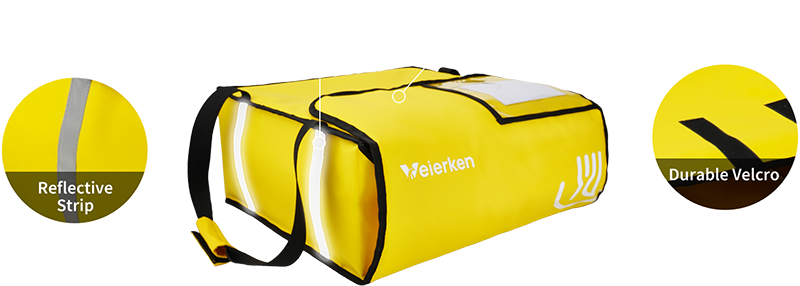
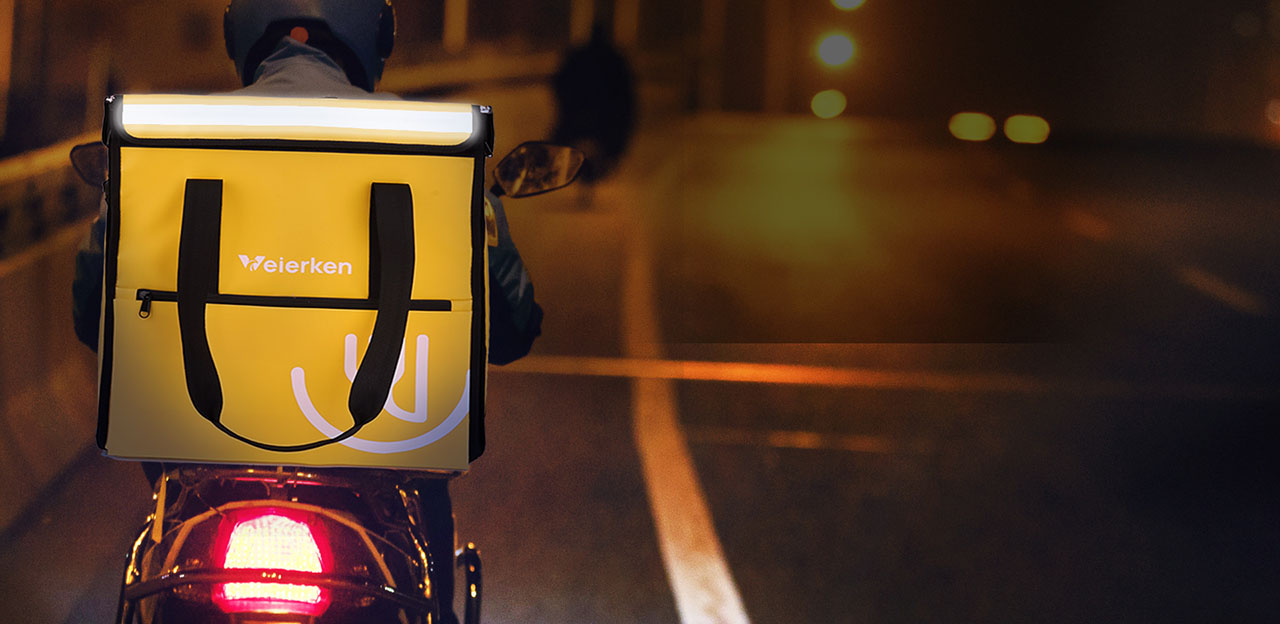
For third-party delivery platforms or fast-food chains, speed and ergonomics are paramount. Drivers open and close bags dozens of times a shift. Here, the requirement is for lightweight yet rigid structures that can withstand constant zipper usage.
The bags need to fit onto mopeds or e-bikes securely. A distributor must offer options that balance thermal retention with the physical rough-and-tumble of urban delivery.
Hotel Banquets and Catering
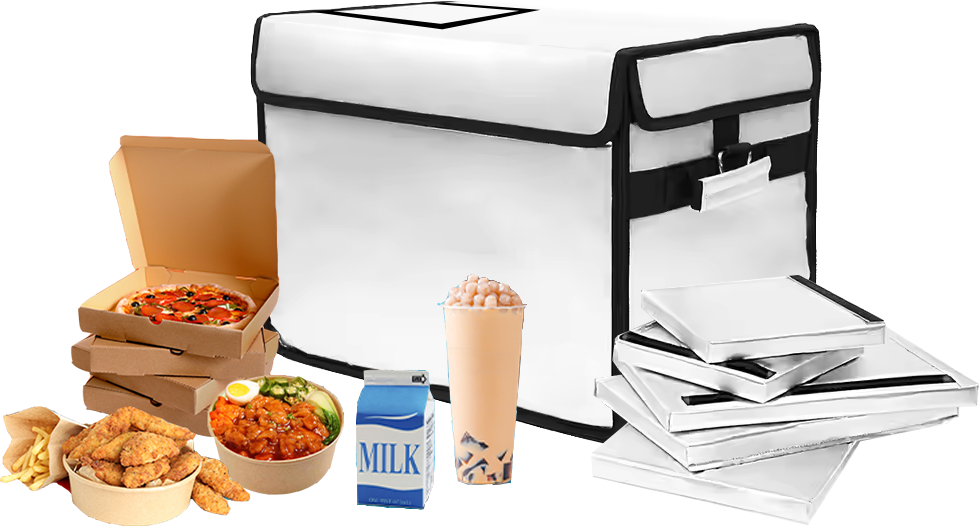
In contrast to individual delivery, hotel catering deals with volume. You aren’t moving a single pizza; you are moving ten full-sized GN pans. The focus here shifts to structural integrity and load-bearing capacity.
These bags must maintain temperature for longer periods, often sitting in staging areas before service. The heavy-duty nature implies they must support 20kg or more without the bottom sagging, which would destabilize the food containers.
Central Kitchens to Satellite Locations
This is the logistical heavy lifting. Food prepared in a central hub and shipped to satellite cafeterias requires industrial-grade insulation. These bags often undergo transit in trucks that may not be refrigerated or heated.
In this scenario, the food warmer distributor should recommend bags with thicker insulation walls and stackable designs to maximize truck space efficiency.
Mobile Food Trucks
Space is a luxury in a food truck. Thermal bags here often serve as temporary holding cabinets. They need to be compact, easily collapsible when not in use, and exceptionally easy to wipe down to maintain health code compliance in tight quarters.
Key Selection Metrics When Talking to a Food Warmer Distributor
When you are browsing the catalog of a food warmer distributor, it is easy to get lost in product descriptions. However, cutting through the marketing fluff requires focusing on five specific technical indicators.
Insulation Performance and Material Composition
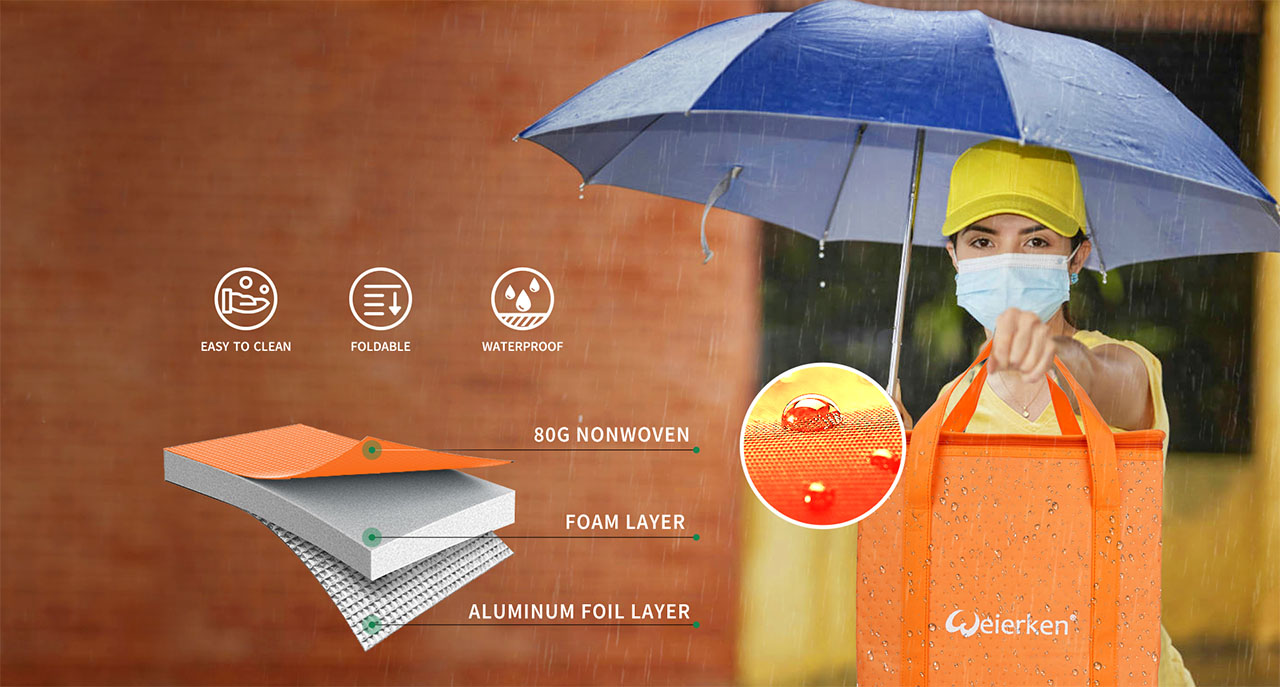
The core function is heat retention. You need to look past the surface. High-quality bags utilize a multi-layer approach. Usually, this involves a durable outer shell, a thick layer of high-density foam (PE or PU), and a reflective inner lining (aluminum foil or food-grade PVC).
The thickness of the foam is the defining factor. For heavy-duty applications, a foam thickness of 5mm is the bare minimum, with 10mm to 20mm being preferred for longer durations. Brands like weierken often emphasize the density of this foam layer, as it prevents heat transfer via conduction.
Durability and Fabric Technology
A bag that tears after a month is a sunk cost. The industry standard for heavy-duty exteriors is Oxford cloth, specifically looking at the “Denier” (D) rating.
Avoid anything below 600D for commercial use. For true heavy-duty application, look for 1680D nylon or polyester. These materials are water-resistant, scratch-proof, and can survive being dragged across pavement or thrown into vans.
Capacity and Dimensional Logic
“Big” isn’t always better. If a bag is too large for the order, the empty air space acts as a heat sink, cooling the food down faster.
A professional distributor will help you calculate volume based on your standard container sizes (e.g., matching standard Gastronorm pan dimensions). The fit should be snug to minimize air circulation around the hot food.
Hygiene and Safety Certification
This is non-negotiable. The inner lining comes into direct contact with food packaging or sometimes the food itself.
Ensure the distributor provides documentation that materials meet FDA (US) or LFGB (Europe) standards. The interior should be seamless where possible to prevent crumbs and liquids from seeping into the foam, which breeds bacteria.
Cleanliness and Maintenance
Can the bag be machine washed? If not, is the interior fully waterproof for spray-and-wipe cleaning? The ability to sanitize the bag daily without degrading the material is a key selection criterion.
Cost-Benefit Analysis: A Perspective from a Food Warmer Distributor
Procurement officers often face pressure to cut initial costs. However, buying the cheapest bag from a generic seller versus a specialized food warmer distributor often results in higher long-term operational expenditures.
Initial Investment vs. Replacement Cycle
A budget bag might cost $15 but last only three months before the zipper fails or the lining rips. A professional-grade bag might cost $45 but lasts 18 months.
Over a three-year period, the “cheap” option requires 12 replacements, costing $180 per driver. The quality option requires two, costing $90. The math favors quality.
Protecting Brand Reputation
Beyond the cost of the bag, consider the cost of the food. If a bag fails to keep food warm, the customer blames the restaurant, not the logistics provider. Investing in high-quality insulation from manufacturers like weierken is essentially an insurance policy for your brand’s reputation.
The Power of Customization
Established distributors offer customization. While this costs more upfront, branded bags serve as mobile billboards. Furthermore, custom pockets for receipts, card machines, or specific menu items improve driver efficiency, saving seconds on every drop-off.
Trends and Innovations in Thermal Transport
The industry is not stagnant. A forward-thinking food warmer distributor keeps up with trends that improve efficiency and sustainability.
Eco-Friendly Materials
Sustainability is becoming a corporate mandate. We are seeing a shift toward bags made from recycled PET plastics (rPET) and biodegradable insulation materials.
Distributors are now sourcing bags that offer the same thermal resistance without the heavy carbon footprint associated with virgin plastics.
H3: Smart Insulation
The era of the “dumb bag” is ending. High-end options now include pockets for smart temperature loggers or even built-in heating elements that can be plugged into a car adapter.
While passive insulation is standard, active heating hybrid bags are gaining traction for ultra-long-distance catering deliveries.
Structural Innovation
Modern designs are focusing on space-saving. Hard-shell bags that can collapse flat when empty are increasingly popular for logistics companies trying to optimize warehouse storage space.
How to Evaluate a Food Warmer Distributor
Finding a vendor is easy; finding a partner is hard. How do you assess if a food warmer distributor is reliable enough for your B2B needs?
Verifying Credentials and Experience
Look for a track record. How long have they been in the industry? Do they supply known chains? Ask for case studies or references.
A distributor who hesitates to share client success stories usually lacks them. Companies like weierken have built reputations over time by consistently meeting the rigorous demands of the global market.
The Sampling Protocol
Never place a bulk order without a sample. A legitimate distributor will encourage you to test a unit.
When you get the sample, abuse it. Load it with heavy weights, test the zippers aggressively, and perform your own temperature drop tests with a thermometer. This is the only way to verify the claims made in the brochure.
H3: After-Sales Support
What happens if a zipper breaks on 50 units? Does the distributor offer a warranty? Do they have a return policy for manufacturing defects? Support after the sale is the hallmark of a professional B2B relationship.
Selecting the right heavy-duty thermal bag is a strategic decision that impacts food safety, customer satisfaction, and operational costs. It requires moving beyond simple price comparisons and understanding the technical nuances of insulation and durability.
By partnering with a specialized food warmer distributor, you gain access to industry insights and products designed to withstand the rigors of commercial use. Whether you opt for a standard model or a customized solution from brands like weierken, prioritize quality and thermal performance.
Your food deserves to arrive as fresh as it left the kitchen. Make sure your transport gear is up to the task.
Are you ready to upgrade your logistics equipment? Contact our team today to discuss bulk pricing and customization options for your fleet.
FAQ: Common Questions for a Food Warmer Distributor
Q1: What is the standard temperature retention time for heavy-duty bags from a professional food warmer distributor?
A1: Generally, a high-quality heavy-duty bag with at least 10mm of insulation can keep food hot (above 60°C) for 45 to 60 minutes, provided the bag is fully loaded. If using active heating elements or additional heat packs supplied by the distributor, this can be extended to 2-3 hours.
Q2: Can a food warmer distributor customize bags for specific food container sizes?
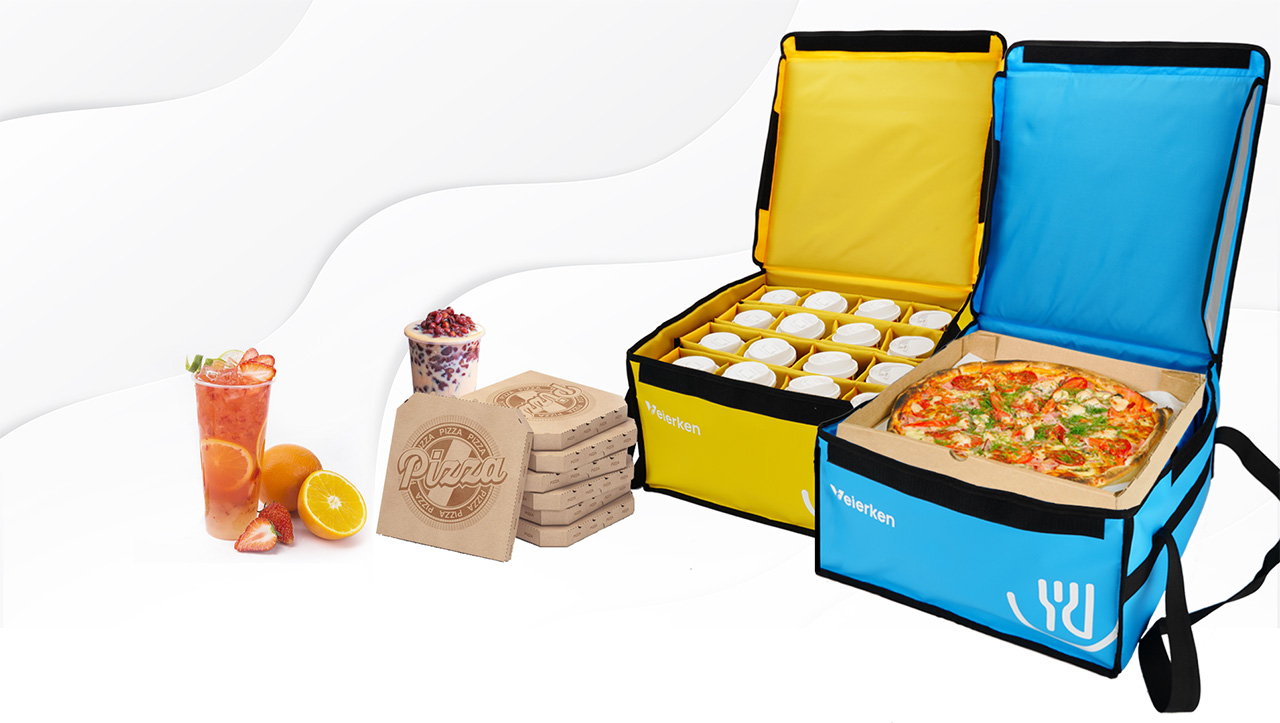
A2: Yes, most professional B2B distributors and manufacturers offer customization services. This includes adjusting dimensions to fit specific GN pans, pizza boxes, or bento boxes, as well as adding custom branding, logos, and external pockets for accessories.
Q3: How do I clean the bags purchased from a food warmer distributor?
A3: It depends on the material. Most heavy-duty bags use water-resistant Oxford cloth and PVC or foil linings that are designed to be wiped down with a sanitizer spray and a damp cloth. Some soft-sided bags are machine washable, but you must check the specific care label provided by the distributor to avoid damaging the insulation foam.
Q4: Does a food warmer distributor usually require a Minimum Order Quantity (MOQ)?
A4: For in-stock items, distributors may allow smaller orders (e.g., 10-50 units). However, for custom designs, sizes, or logos, the MOQ is typically higher, often ranging from 500 to 1,000 units depending on the complexity of the manufacturing process.
Q5: What is the difference between PE foam and PU foam in bags sold by a food warmer distributor?
A5: PE (Polyethylene) foam is the most common; it is lightweight, cost-effective, and provides good insulation. PU (Polyurethane) foam is denser and offers superior thermal retention and structural rigidity but is generally more expensive. A knowledgeable distributor will help you choose based on your budget and heat retention requirements.