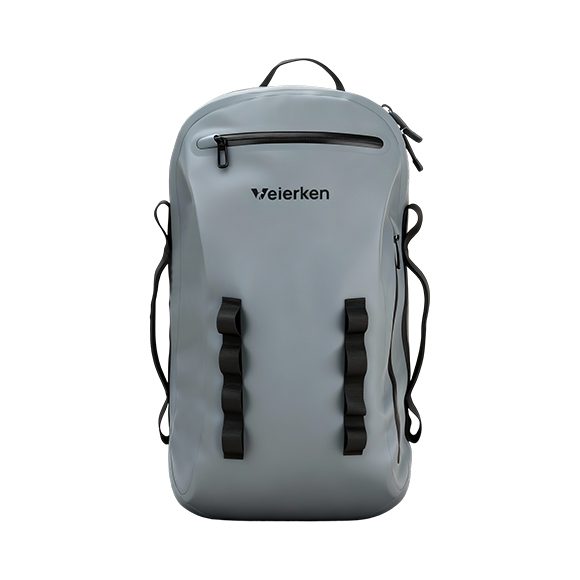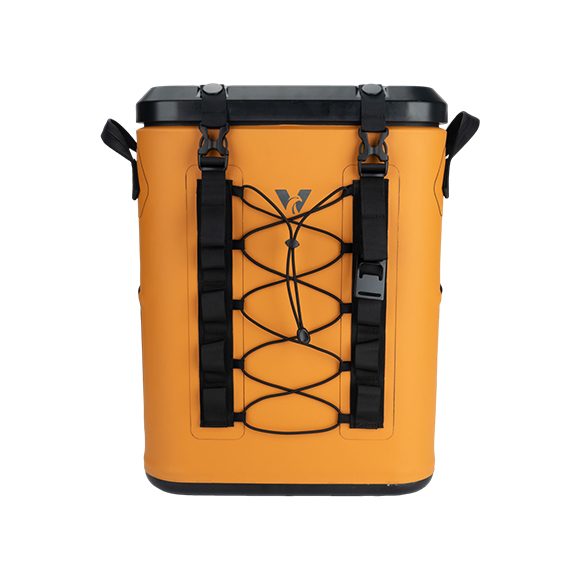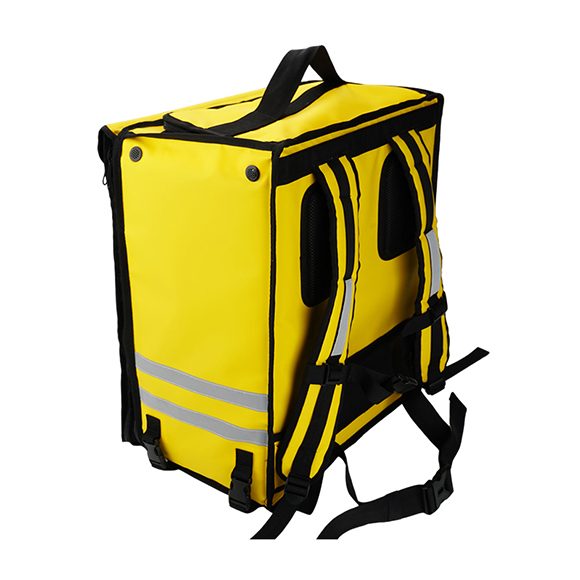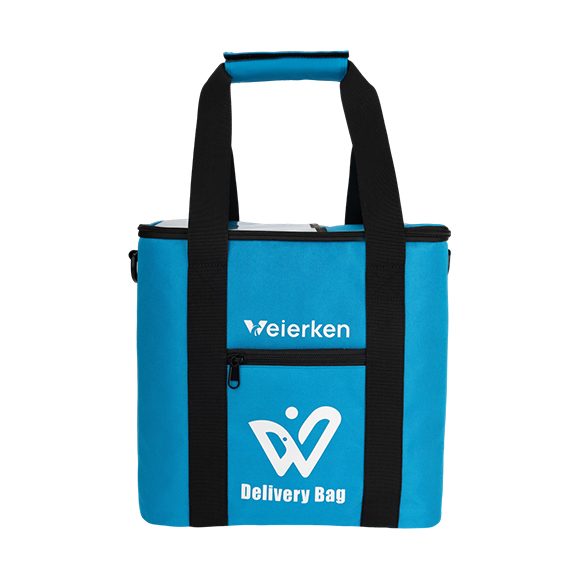
In the outdoor industry, a product failure is not just a return; it is a ruined adventure. When a customer trusts your brand to keep their sleeping bag dry during a storm or their camera safe on a kayak, they are trusting the integrity of your manufacturing. One leak can destroy years of brand building.
For this reason, selecting the right manufacturing partner is the most high-stakes decision a product manager makes. It is not enough to find a factory that can sew; you need a specialized waterproof bag fabricator that understands the physics of water pressure, the chemistry of coatings, and the precision of welding.
At weierken, we have navigated these challenges for years. We know that the difference between a premium product and a defective one often lies in the invisible details of the production process. Whether you are a startup or an established label, following a structured selection process is the only way to mitigate risk.
Here is a comprehensive, seven-step guide to finding a partner who can deliver on your promises.

Step 1: Clearly Define Brand Positioning and Product Requirements
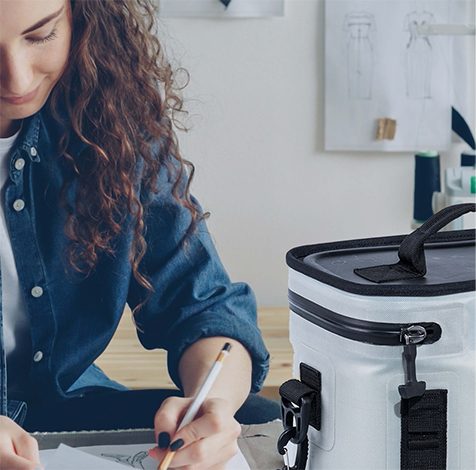
Before you send a single email to a factory, you must have internal clarity. Many brands approach manufacturers with vague ideas, leading to inaccurate quotes and mismatched expectations. A professional waterproof bag fabricator needs specific technical boundaries to offer a viable solution.
You must first define your market positioning. Are you building ultra-lightweight gear for elite mountaineers, or durable, heavy-duty dry bags for rental operators? The materials and construction methods for these two demographics are entirely different.
Key Definitions to Establish:
- Target Scenarios: Is this for daily commuting (light rain), whitewater rafting (submersion), or coastal fishing (saltwater spray)?
- Waterproof Rating: Define the IP rating. Do you need IPX4 (splash resistant) or IPX7 (temporary submersion)? This dictates whether the factory uses sewing with tape sealing or high-frequency welding.
- Functional Specs: Determine capacity, weight limits, and specific features like air-purge valves or modular attachment systems.
By presenting a clear brief, you signal to the potential waterproof bag manufacturer that you are a serious buyer who understands the product.
Step 2: Conduct Industry Research and Initial Screening
The global manufacturing landscape is vast. To find a true specialist, you need to filter out the generalists. Many bag factories claim they can make waterproof gear, but they often lack the specialized machinery required for true airtight seals.
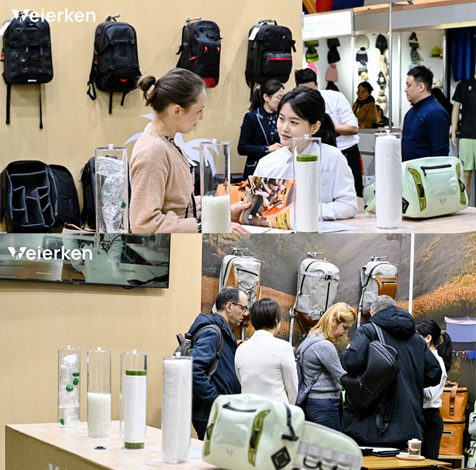
Start your search through industry trade shows, verified B2B platforms, and supply chain referrals. Your goal is to build a “long list” of candidates. During this phase, pay close attention to their product portfolio. A factory that makes 90% fashion handbags and 10% dry bags is a risk. You want a partner whose core competency is weather protection.
Screening Criteria:
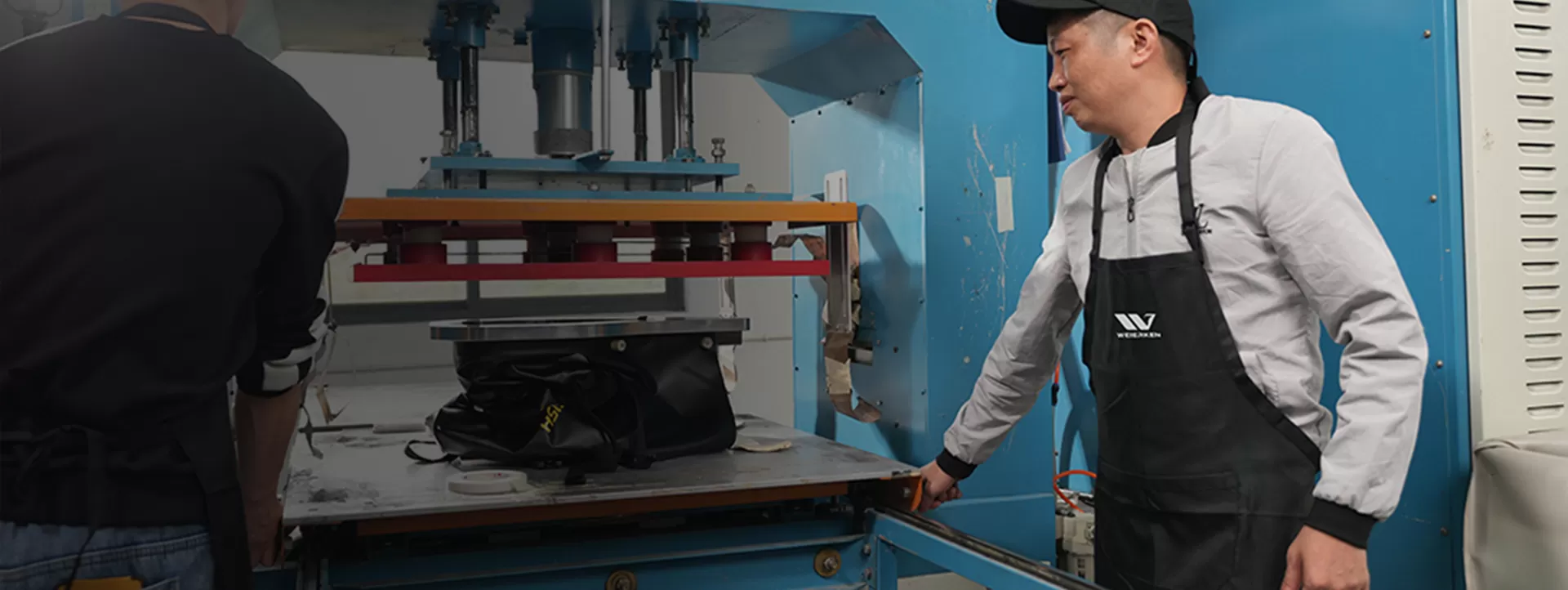
- Technology Focus: Look for explicit mentions of High-Frequency (RF) welding, Ultrasonic sealing, or heat-press taping. These are non-negotiable for waterproof gear.
- Product Line: Do they manufacture for other reputable outdoor or marine brands?
- Capacity: Does their production scale match your growth projections?
A focused waterproof bag fabricator will usually showcase their welding equipment front and center. If their website focuses entirely on stitching capabilities, they may not be the right fit for high-performance dry bags.
Step 3: Audit Manufacturer Qualifications and Production Capability
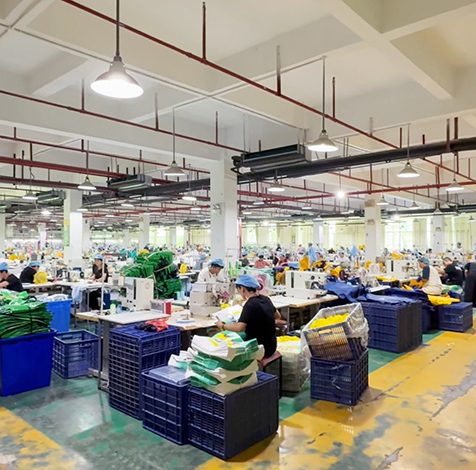
Once you have a shortlist, it is time to look under the hood. In the digital age, a slick website can hide a disorganized workshop. You need to verify that the factory physically exists and operates at a high standard.
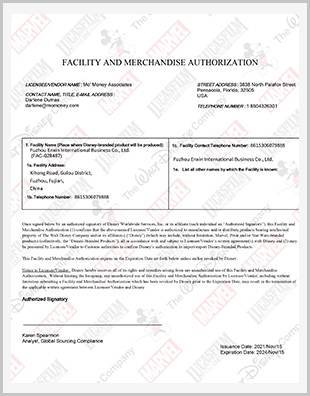
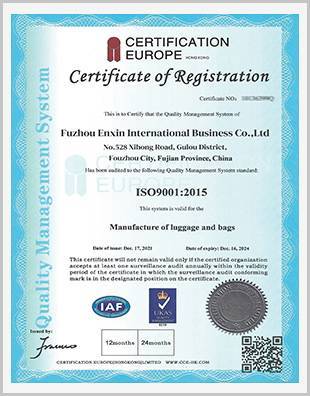
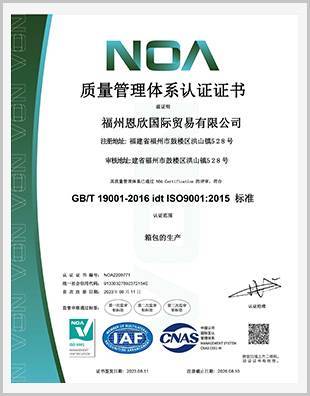
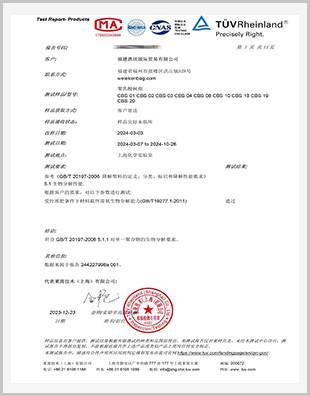
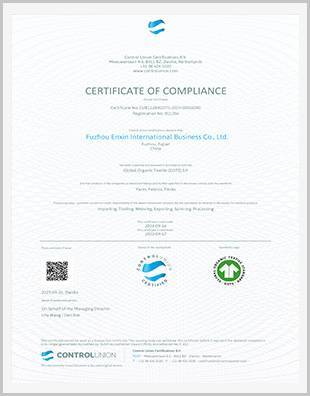
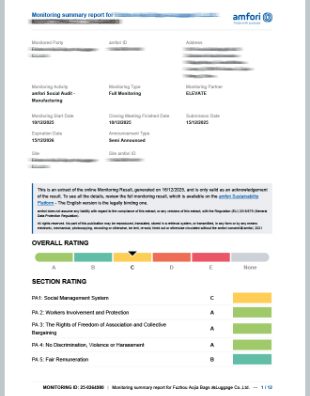
If you cannot visit in person, demand a virtual tour or hire a third-party auditing agency. You are looking for a robust Quality Management System (QMS). ISO 9001 certification is a baseline, but for our industry, environmental certifications are increasingly vital.
What to Verify:
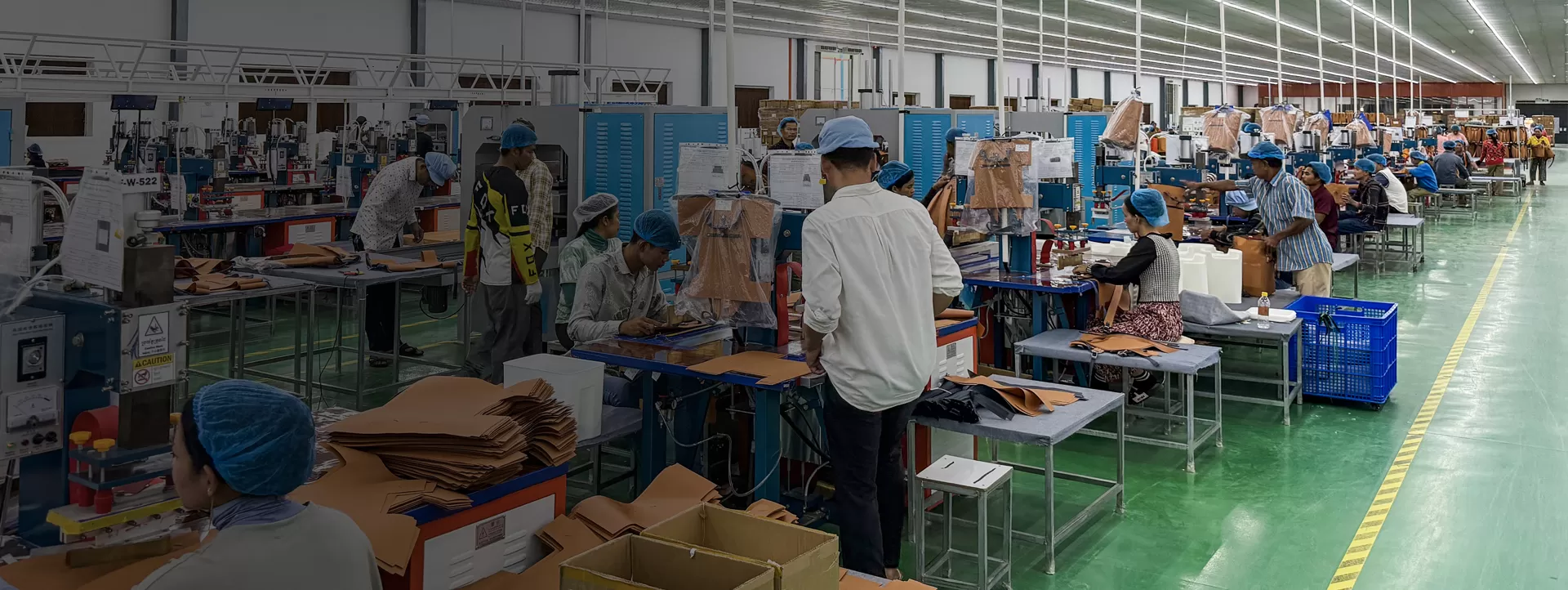
- Machinery: Do they have modern RF welding machines? Are the voltage and pressure settings digital and precise, or old and manual?
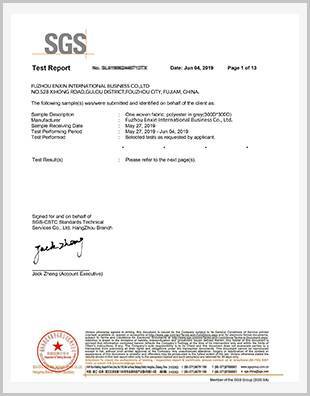
- Testing Equipment: Does the factory have an in-house lab? Look for hydrostatic head testers and air-retention testing rigs.
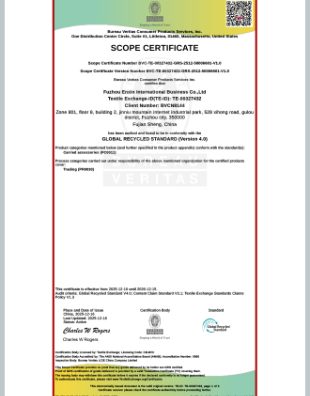
- Certifications: Check for environmental compliance like Bluesign® or GRS (Global Recycled Standard), especially if your brand promotes sustainability.
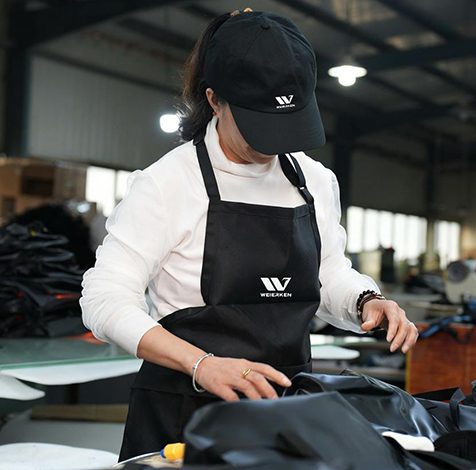
At weierken, we invite clients to inspect our production lines because transparency builds trust. A waterproof gear factory that hesitates to show you their floor is likely hiding a deficiency.

Step 4: Assess Material and Process Expertise
The best fabricator is not just a pair of hands; they are a brain. They should know more about materials than you do. When you engage with their engineering team, test their knowledge. Ask them about the hydrolysis resistance of their TPU (Thermoplastic Polyurethane) versus their PVC offerings.
A skilled waterproof bag fabricator will have deep relationships with top-tier material suppliers. They should be able to trace the origin of every roll of fabric. This is critical because waterproof coatings can look identical but perform very differently after six months of UV exposure.
Evaluate Their Supply Chain:
- Material Sourcing: Can they source specialized zippers (like TIZIP or TRU Zip) and marine-grade buckles?
- Process Knowledge: Ask them how they handle “junction points”—the areas where multiple layers of fabric meet. This is the most common leak point. A pro will explain their specific welding overlap technique.
- Alternatives: If you ask for a material that is too expensive or structurally weak, do they push back and offer a better alternative?
If they simply say “yes” to everything without offering technical insight, be cautious. You want a partner who prevents mistakes, not just follows orders.
Step 5: Request Samples and Perform Rigorous Testing
Never place a bulk order based on a drawing. You must hold the product in your hands. Request a prototype and then try to destroy it. This step is the “moment of truth” for any OEM waterproof bag supplier.
When the sample arrives, assess the craftsmanship. Are the weld lines clean and uniform? Is there any delamination at the edges? But don’t stop at visual inspection. You need to simulate the product’s life cycle.
Essential Tests:
- Static Water Test: Fill the bag with water and hang it upside down for 24 hours. Check for dampness at the seams.
- Air Retention: Inflate the bag, close it, and place a weight on it. Measure if it loses pressure overnight.
- Abrasion Testing: Drag it over rough surfaces to see how the coating holds up.
If the sample fails, note exactly where. A responsive waterproof bag fabricator will analyze the failure, adjust the tooling or temperature, and send a refined sample. This iteration process reveals their commitment to quality.
Step 6: Negotiate Collaboration Terms and Customization Support
Once the quality is verified, you move to the business terms. This is where many partnerships stumble. A low price per unit is meaningless if the terms expose you to massive liability.
You need to discuss the scope of OEM/ODM services. If you are developing a unique shape or a proprietary locking mechanism, who owns the mold? Who owns the intellectual property? Clear contracts prevent future disputes.
Discussion Points:
- Cost Structure: Ask for a breakdown. Understand how much is material, labor, and packaging. This helps you identify where to optimize.
- MOQ and Lead Time: Can they handle a rush order? What is the penalty for late delivery?
- Warranty: If a customer returns a leaking bag six months later due to a manufacturing defect, how does the factory compensate you?
A reliable waterproof bag fabricator will have a clear policy on defect rates (usually allowing for less than 1-2%) and a process for handling claims. Transparency here saves headaches later.
Step 7: Small Batch Pilot Run and Long-Term Evaluation
The final step is not the full production run; it is the pilot run. Even if the sample was perfect, mass production introduces new variables. Different workers, different shifts, and material batch variations can affect consistency.
Order a small quantity (e.g., 300-500 units) to test their operational flow. Monitor how they handle packaging, labeling, and shipping documentation. This trial run is the final exam.
Continuous Improvement:
- Consistency Check: Randomly sample 10% of the pilot batch. Is the quality identical to the golden sample?
- Communication: Did they keep you updated during production? Did they flag issues early?
- Feedback Loop: Establish a quarterly review to discuss new materials, cost-saving ideas, and design improvements.
At weierken, we view this stage as the beginning of a relationship, not the end of a sale. We actively seek feedback to refine our processes for your specific product line.
Selecting a manufacturing partner is a journey that requires diligence, technical knowledge, and patience. By following these seven steps, you move beyond simple price shopping and start building a strategic supply chain.
You are not just looking for a vendor; you are looking for a waterproof bag fabricator that acts as an extension of your own team. You need a partner who safeguards your quality, navigates supply chain disruptions, and helps you bring innovative products to market.
Whether you are launching a new brand or upgrading your current supplier, taking the time to vet your manufacturer pays off in customer loyalty and brand reputation. At weierken, we are ready to stand up to that scrutiny. We invite you to test our capabilities, inspect our quality, and see why we are the trusted choice for top-tier outdoor brands.
Frequently Asked Questions (FAQ)
1. What is the difference between a “sewn” bag and a “welded” bag from a waterproof bag fabricator?
A sewn bag uses needle and thread, creating thousands of tiny holes. Even with waterproof fabric, water will eventually seep through unless the seams are taped, which is only water-resistant. A welded bag uses High-Frequency (RF) waves to melt the thermoplastic coating of the fabric layers together. This creates a single, continuous piece of material with no needle holes, making it 100% air and watertight.
2. How does a fabricator determine the Minimum Order Quantity (MOQ)?
MOQs are usually determined by material procurement and machine setup times. Specialized waterproof fabrics often have to be ordered in specific roll lengths. Additionally, setting up RF welding molds takes time. A standard waterproof bag fabricator typically sets MOQs between 500 and 1,000 pieces, though this can be negotiated for pilot runs or simple designs.
3. Can I use my own design, and will the factory protect my Intellectual Property (IP)?
Yes, reputable manufacturers offer OEM (Original Equipment Manufacturer) services where they build to your exact design. To protect your IP, you should sign a Non-Disclosure Agreement (NDA) before sharing detailed tech packs. A professional custom dry bag manufacturer will respect your ownership of custom molds and design files.
4. What is the typical lead time for manufacturing waterproof bags?
Lead times vary based on material availability and production queues. generally, after the sample is approved, production takes 30 to 45 days. However, sourcing specialized materials (like custom-colored TPU) can add 2-3 weeks to the timeline. It is crucial to factor in shipping time when planning your product launch.
5. What happens if I receive a batch of bags that leak?
This is why the contract and warranty terms in Step 6 are vital. A professional waterproof bag fabricator conducts Quality Control (QC) before shipping. However, if defects are found, the industry standard is for the manufacturer to either replace the defective units or issue a credit. Always inspect your shipment upon arrival to identify issues immediately.
Ready to secure your supply chain?
Don’t leave your brand’s reputation to chance. Work with a manufacturer that understands the science of waterproofing. Contact weierken today to discuss your project requirements and start your journey toward defect-free production.[Click Here to Send an Inquiry]