Choosing a partner for your temperature-controlled packaging is a high-stakes decision. Whether you ship fresh seafood, life-saving vaccines, or gourmet meals, the integrity of your cold chain rests on the quality of your gear. A professional thermal bag fabricator does more than just stitch fabric together. They engineer thermal barriers. Brands like weierken understand that a single degree of temperature deviation can lead to spoiled products and lost revenue.
Finding the right manufacturer requires looking beneath the surface of a sample bag. You need to evaluate their technical depth, their machinery, and their understanding of thermodynamics. This guide breaks down the essential criteria to ensure your chosen partner can deliver consistent, high-performance solutions.
1. Expertise in Core Thermal Technologies and Materials
The performance of an insulated bag begins and ends with material science. A top-tier thermal bag fabricator must demonstrate a deep understanding of how different layers interact to block heat transfer.
Insulation Material Selection
You should evaluate how the manufacturer applies various insulation mediums. Common materials include:
- PE Foam and EVA Foam: Great for lightweight, everyday use.
- Aluminum Foil Reflective Layers: Essential for blocking radiant heat.
- Vacuum Insulation Panels (VIP): Necessary for high-end pharmaceutical shipping where space is tight but thermal demands are extreme.
- Phase Change Materials (PCM): Used for precise temperature maintenance over long durations.
Ask about their technical reserves in different densities and thicknesses. Furthermore, ensure they offer food-grade materials that meet international safety standards.
Material Lamination and Composite Processes
Insulation efficiency depends on the quality of the “sandwich” – the outer fabric, the insulation core, and the inner lining. A skilled insulated bag manufacturer knows how to bond these layers without creating “cold bridges.” These are spots where heat leaks through gaps in the insulation. Look for techniques like multi-layer pressing and seamless bonding that keep the thermal barrier continuous.
2. Structural Design and Sealing Integrity
A bag is only as good as its weakest point. Usually, that point is the opening or the seams. You need a thermal bag fabricator that prioritizes structural integrity.
Minimizing Heat Exchange
The design must minimize openings where air can escape. Professional fabricators use:
- Overlapping closure systems.
- Wide-gauge industrial Velcro.
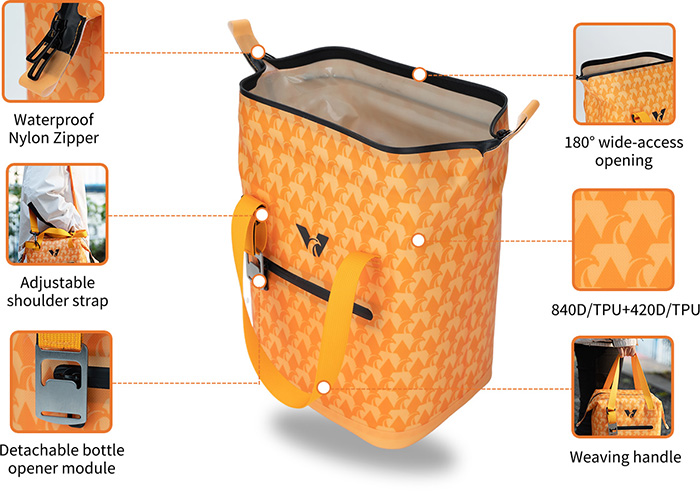
- Airtight zipper systems or magnetic pressure closures.
These features ensure that once the bag is closed, the internal environment remains stable. Even a small gap can ruin the thermal performance of a high-quality insulation layer.
Seam and Edge Treatment
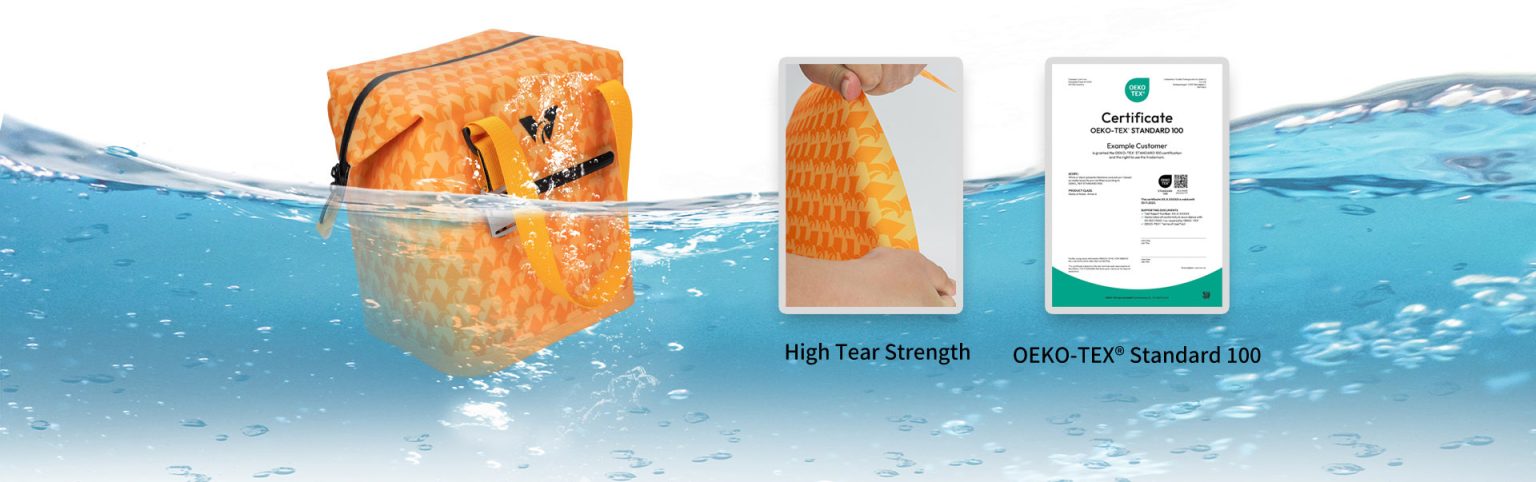
Traditional stitching creates thousands of tiny holes in the fabric. Heat moves through these holes easily. Leading companies, including weierken, often utilize high-frequency welding or heat-sealing technology. These methods fuse the materials together, creating a waterproof and airtight bond. If they do use sewing, check if they apply waterproof seam tape to prevent energy loss.
3. Manufacturing Processes and Specialized Equipment
You cannot build a high-performance thermal product with standard garment machinery. A dedicated thermal bag fabricator invests in specialized hardware.
Professional Processing Equipment
Check if the factory floor includes:
- Flatbed heat presses: For consistent lamination of large panels.
- High-frequency welding machines: To create leak-proof, seamless interior liners.
- Automatic quilting machines: To ensure insulation doesn’t shift or bunch up over time.
Consistent equipment leads to consistent products. If a factory relies too heavily on manual labor for technical seals, the quality will fluctuate between batches.
Production Environment Control
High-performance materials like Vacuum Insulation Panels (VIP) are sensitive. They require clean, temperature-controlled environments during the assembly phase. A reputable custom thermal bag supplier will maintain a workspace that prevents dust or moisture from getting trapped inside the insulation layers during production.
4. Temperature Control Testing and Validation
Never take a manufacturer’s word for how long a bag stays cold. You need data. A reliable thermal bag fabricator should function like a laboratory as much as a factory.
Testing Equipment and Methods
The best partners own and operate:
- Constant temperature and humidity chambers: To simulate extreme summer or winter conditions.
- Thermal imaging cameras: To identify heat leaks in a prototype.
- Multi-channel data loggers: To track internal temperature curves over 24, 48, or 72 hours.
They should follow recognized standards, such as ASTM D3103, which measures the thermal efficiency of distribution packages.
Providing Real-World Data
Ask for internal or third-party test reports. A professional cold chain bag manufacturer can provide graphs showing how the internal temperature changes at an ambient temperature of 35°C. This transparency allows you to choose the right thickness of insulation for your specific shipping window. weierken prides itself on providing validated performance metrics to ensure client peace of time.
5. Customization and Collaborative Development (OEM/ODM)
Your business is unique, and a “stock” bag rarely fits perfectly. You need a thermal bag fabricator that can act as a design partner.
Functional Customization
Can they build a bag specifically for your use case?
- Food Delivery: Needs moisture-wicking liners to prevent soggy crusts.
- Medical Logistics: Requires dedicated pockets for gel packs and secure dividers.
- Outdoor/Retail: Needs rugged outer shells and ergonomic carry straps.
Collaborative Innovation
The ODM (Original Design Manufacturing) process is vital. Your fabricator should help you solve problems. If you need a bag that is 20% lighter but maintains the same thermal rating, they should suggest new composite materials. They should move your project from a rough sketch to a functional, mass-produced product through rigorous prototyping.
6. Cost Structure and Supply Chain Transparency
In the world of thermal packaging, you often get what you pay for. However, you still need to manage your budget. A professional thermal bag fabricator offers a clear window into their pricing.
Cost Component Analysis
Insulation materials, especially specialized foams and foils, make up a large portion of the cost. Ask for a breakdown. You should know how much you are paying for the “skin” versus the “insulation.” This clarity helps you understand how fluctuations in raw material prices might affect your future orders.
Supply Chain Stability
Where does the fabricator get their VIP panels or specialized PCM? A disruption in their supply chain becomes your disruption. Ensure they have stable relationships with tier-1 material providers and have backup plans for core components. This stability ensures that when you need a large production run, they can deliver on time without compromising on material quality.
7. Compliance, Certification, and Product Safety
Safety is non-negotiable, especially in the food and medical sectors. Your thermal bag fabricator must adhere to global safety standards.
Food Contact Safety
If the bag carries food, the interior liner must be safe. Look for compliance with:
- FDA (USA)
- LFGB (Germany)
- EU 10/2011 (Europe)
These certifications ensure that no harmful chemicals migrate from the bag into the food products.
Environmental and Chemical Compliance
Beyond food safety, the entire product should be “clean.” Check for REACH and RoHS compliance, which limit hazardous substances. If your industry requires fire-retardant properties, ensure the manufacturer can provide CA Prop 65 compliant materials that meet those specific safety hurdles.
Working with a certified partner like weierken ensures that your brand remains protected from legal and safety risks.
Frequently Asked Questions
Q1: What is the typical lead time for a custom project with a thermal bag fabricator?
A: Usually, prototyping takes 7 to 14 days. Once the design is finalized, mass production typically ranges from 30 to 45 days, depending on the complexity of the materials and the order volume.
Q2: Can I get a bag that maintains a specific temperature for over 72 hours?
A: Yes, but this requires high-performance materials like Vacuum Insulation Panels (VIP) and Phase Change Materials (PCM). A professional thermal bag fabricator will need to run specific tests to verify this duration based on your expected ambient temperatures.
Q3: What is the Minimum Order Quantity (MOQ) for custom thermal bags?
A: MOQs vary by manufacturer. For fully customized shapes and printed fabrics, MOQs often start at 500 or 1,000 units. Some fabricators offer lower MOQs for standard sizes with custom logos.
Q4: How do I know if a bag is truly “leak-proof”?
A: Look for “heat-welded” or “high-frequency welded” seams. If the liner is sewn, it is likely not 100% leak-proof unless it features a secondary waterproof coating or heavy-duty seam taping.
Q5: Are the materials used in thermal bags recyclable?
A: Many modern materials like R-PET (recycled polyester) and certain PE foams are recyclable. If sustainability is a priority, ask your thermal bag fabricator for eco-friendly insulation and fabric options during the design phase.
Q6: Why is my bag losing cold air even though the insulation is thick?
A: This is usually due to “thermal leakage” at the zipper or seams. If the closure system isn’t airtight or doesn’t have an insulated flap behind it, cold air escapes quickly regardless of how thick the walls are.
Selecting the right partner is the most important step in your product development journey. A dedicated thermal bag fabricator will guide you through material choices, structural designs, and rigorous testing. Don’t settle for a simple bag when you can have an engineered thermal solution.
Ready to secure your cold chain?
Our team at weierken specializes in high-performance thermal solutions tailored to your specific needs. Whether you are looking for medical-grade precision or robust food delivery gear, we provide the expertise and technology to keep your products at the perfect temperature.
[Contact our technical team today for a custom quote and thermal analysis.]