


Finding the right rowing bag fabricator requires a careful balancing act. You want highly durable bags that protect expensive gear, but you also need to manage your procurement budget carefully. Rowers expose their equipment to harsh elements on a daily basis. Water, direct sunlight, and abrasive boat surfaces take a massive toll on poorly constructed bags. You must source products that survive these rugged conditions without bankrupting your business.
At weierken, we know that striking this precise balance matters significantly for your bottom line. We have spent years helping brands navigate the complex realities of sports bag manufacturing. This article breaks down exactly how you can optimize your costs while maintaining high product performance. By understanding material choices, design efficiency, and smart production strategies, you can make much better sourcing decisions.
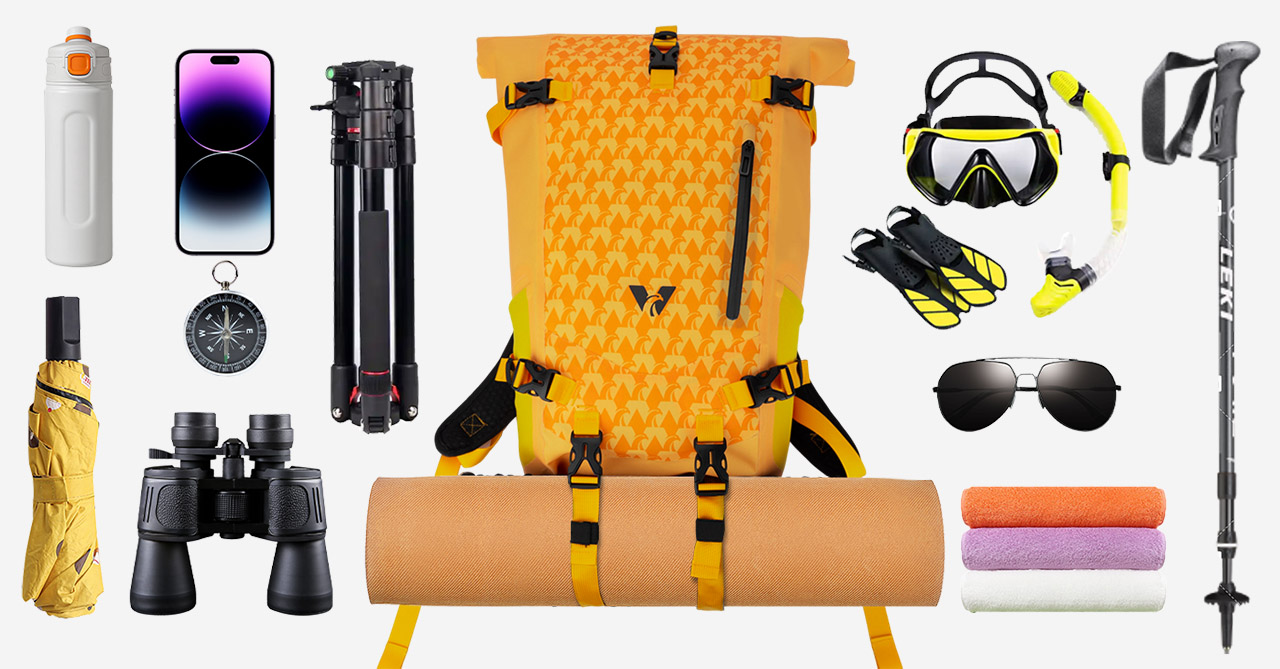
Define Your Core Quality Requirements First
A competent rowing bag fabricator understands the highly specific needs of the sport. You cannot treat a specialized rowing bag like a standard promotional gym duffel. It needs high water resistance to fight off continuous splashes from the oars and unpredictable weather. Rowers often leave their bags on damp docks, making heavy bottom waterproofing absolutely essential.
Abrasion resistance represents another critical requirement. Bags constantly rub against fiberglass boat hulls, concrete steps, and rough wooden surfaces. Lightweight construction makes transport significantly easier for athletes. Rowers already carry heavy boats and oars, so the bag itself should not add unnecessary physical burden.
Furthermore, sensible internal compartments keep essential gear properly organized. Rowers need dedicated, separated spaces for wet clothing, electronics, and large water bottles. Consider these essential quality checkpoints before finalizing your blueprint:
- Waterproofing levels: Identify if you need full submersion protection or just heavy splash resistance.
- Abrasion resistance: Focus your strongest materials on high-wear zones like the base and corners.
- Weight limits: Choose technical fabrics that offer structural strength without heavy bulk.
- Internal routing: Ensure compartments logically separate dry goods from wet gear.
You must set your minimum performance standards early in the development phase. Decide on exact seam strength requirements and zipper durability upfront. This proactive approach prevents you from paying for over-engineered features you do not actually need. A clear specification sheet helps your factory quote accurately.
What Drives the Cost? Analyzing Materials, Craftsmanship, and Design
Every rowing bag fabricator calculates pricing based on three primary pillars of production. Understanding these exact cost drivers helps you identify structural areas where you can trim expenses safely.
Material Costs
The fabrics and hardware you choose dictate a massive portion of the final unit price. High-end waterproof fabrics, such as branded Cordura® or specialized TPU-coated nylon, cost significantly more than standard woven polyester. These premium fabrics offer incredible longevity, but they consume a large chunk of your manufacturing budget.
Hardware choices also impact your financial planning heavily. Rowers operate near water continuously, so bags require highly corrosion-resistant components. Stainless steel rings or heavy-duty nylon zippers cost more than basic metal alternatives but completely prevent rust. Common material cost tiers include:
- Premium tier: TPU-coated nylon, authentic YKK waterproof zippers, stainless steel hardware.
- Mid-range tier: 1000D polyester with heavy PU backing, SBS water-resistant zippers, durable POM plastic hardware.
- Budget tier: 600D standard polyester, generic zippers, basic plastic loops.
Craftsmanship Complexity
How a rowing bag fabricator puts the raw pieces together matters just as much as the materials themselves. Advanced sealing techniques like seamless taping and high-frequency (RF) welding create perfectly waterproof joints. However, these premium methods slow down the production line and require expensive, specialized machinery.
Standard sewing costs much less to execute but leaves tiny needle holes where water can eventually seep in. Manufacturers charge higher labor rates for operators trained in complex welding processes. You pay a direct premium for the time and skill required to ensure absolute zero leaks.
Design Intricacy
Complex designs inherently inflate labor costs. Every additional hidden pocket, specialized ergonomic shoulder strap, or custom-molded rubber logo adds minutes to the assembly line. More compartments mean more fabric cutting, more zipper installations, and more rigorous alignment checks.
A highly intricate bag requires skilled workers to spend more total minutes per unit. Your factory passes these accumulated labor costs directly to your final invoice. Simplifying the blueprint remains one of the fastest and most effective ways to cut costs.
Strategy 1: Select Materials and Craftsmanship Based on Actual Needs
You do not always need expedition-grade, military-spec materials for everyday consumer products. For bags used in non-extreme club environments, you can choose highly cost-effective material alternatives. A high-density 600D polyester finished with a thick PU coating provides excellent splash protection.
This setup costs a fraction of the price of heavy technical composites while serving the average rower perfectly well. Your rowing bag fabricator can help you source secondary materials that hit the perfect sweet spot between unit price and visual appeal. Rely on their supply chain expertise to find localized fabric alternatives.
Focus your budget strictly on the physical areas that take the most abuse. Apply reinforced, heavy-duty tarpaulin or nylon exclusively to the bottom panel and main strap stress points. Use standard, lighter-weight materials for the upper body of the bag to control total expenses.
Similarly, apply expensive taped seams only on the bottom and top-facing panels where rainwater actively pools. You can safely use cheaper standard stitching on all internal dividers and side panels. This hybrid approach guarantees durability where it counts while saving money on protected surfaces.
Strategy 2: Optimize Design to Reduce Waste
Smart engineering and efficient pattern making save significant money. Simplify unnecessary structural elements to drastically lower your manufacturing bill. Review your physical prototype carefully and ask yourself if every single compartment serves a critical purpose.
Removing just two redundant internal pockets can noticeably reduce the total number of fabric panels. Fewer panels mean faster machine cutting and far less complex assembly for your rowing bag fabricator. You maintain the core functionality of the bag while stripping away excess labor and material waste. Consider these design optimizations:
- Consolidate compartments: Merge smaller pockets into one larger mesh organizer.
- Standardize hardware: Use the same size buckles across all straps to secure raw material volume discounts.
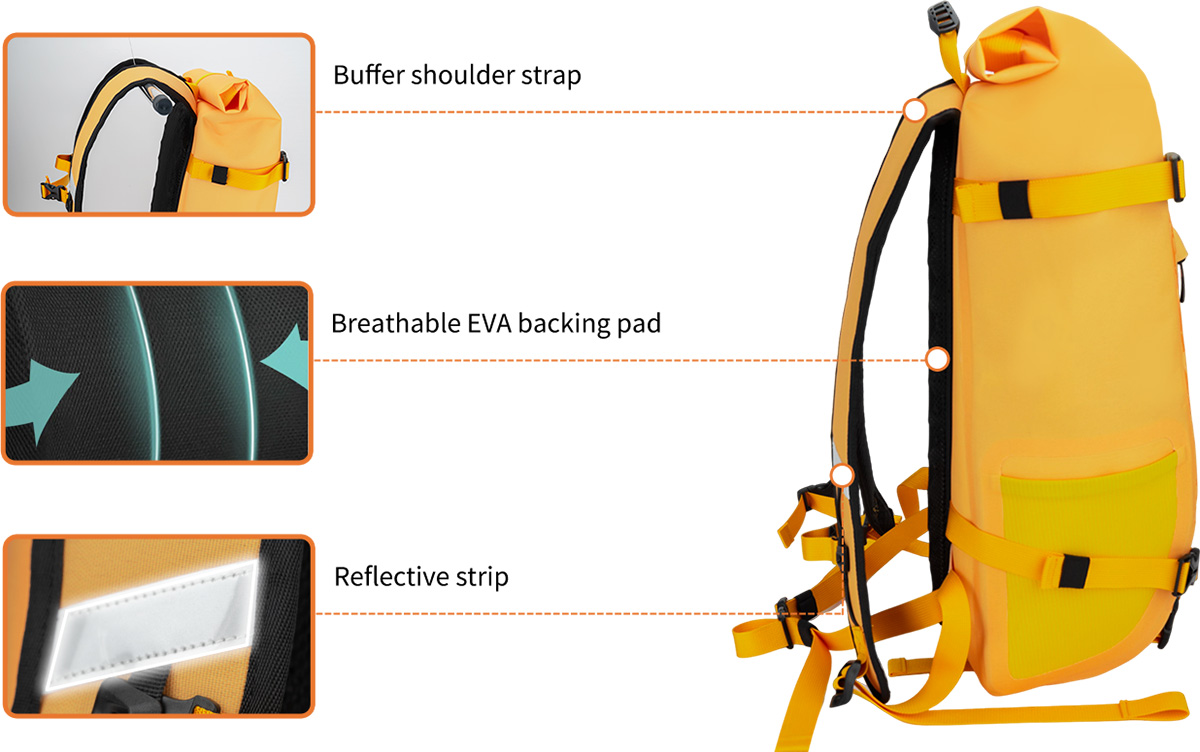
- Simplify straps: Replace complex custom-molded foam with reliable, high-density EVA foam pads.
Consider adopting a modular design strategy for your product line. Instead of developing five completely different specialized bags, create one incredibly strong base model. You can then offer attachable accessories, like external waterproof pouches or extra gear straps, to adapt the base bag for different racing scenarios.
This clever approach drastically reduces the heavy mold fees and initial development costs you pay to your manufacturer. It also simplifies your warehouse inventory management, as you only need to stock one primary product body.
Strategy 3: Plan Order Scale and Customization Depth
Production volume directly influences your final per-unit cost. Factory production runs require extensive machine setup time, regardless of whether you order one hundred or one thousand units. By slightly increasing your Minimum Order Quantity (MOQ), you spread the upfront cutting mold and R&D costs over a much larger number of bags.
Discuss exact volume pricing tiers with your rowing bag fabricator to find the most economical order size. Sometimes adding just fifty units drops the unit price enough to easily justify the extra inventory holding costs.
Take a gradual, measured approach to product customization if you operate on a strict budget. Start your brand journey with an Original Equipment Manufacturer (OEM) model. Choose a top-selling, proven style your manufacturer already produces on their line. Add your brand logos, custom zipper pulls, or specific team colors to make it yours.
This strategy completely skips the expensive, time-consuming prototyping and pattern-making phase. Once the market validates your product and generates steady revenue, you can safely invest in deep Original Design Manufacturer (ODM) development. This step-by-step method minimizes your initial financial risk.
Maintain Transparent Communication with Your Manufacturer
Treat your rowing bag fabricator as a strategic business partner rather than just a disposable vendor. Open, honest communication remains essential for strict cost management. Always ask your account manager for a fully itemized quotation.
You need to see the distinct financial breakdown of material costs, labor fees, packaging, and custom mold charges. This high level of transparency helps you identify exactly which minor features are unexpectedly blowing up your budget. At weierken, we routinely sit down to review these line items with our clients to find instant optimization opportunities.
Collaborate with your factory’s engineering team to discuss viable alternatives. Ask them to actively suggest local materials that offer similar performance but carry a significantly lower price tag. Sometimes, tweaking a minor process parameter yields surprising financial savings.
Adjusting the thickness of a strap padding by just three millimeters can lower foam costs without sacrificing noticeable core comfort. A trustworthy factory wants your business to succeed so you keep ordering. They will gladly share their industry secrets to help you hit your target retail margin.
Sample Validation and the Value of Long-Term Partnerships
Never skip the physical prototyping phase just to save a few dollars or speed up a launch. A physical pre-production sample serves as your only guarantee that the quoted price actually matches the expected quality. Put the sample bag through rigorous, real-world field testing.
Check the water resistance with a high-pressure hose, load the carrying straps with heavy iron weights, and test the zippers repeatedly. Relying purely on the lowest factory bid often leads to disastrous structural quality issues down the line. Defective sports products will cost you far more in customer returns and a permanently ruined brand reputation.
Build a lasting, stable relationship with a reliable rowing bag fabricator. Long-term partnerships naturally create mutual trust and high operational efficiency. Loyal, repeat clients often receive much more stable pricing during sudden raw material market fluctuations.
Factories protect their best buyers when global nylon or shipping prices suddenly spike. You also gain priority production scheduling during busy manufacturing seasons. Furthermore, a long-term partner will proactively share the latest technical material upgrades with you, achieving a true win-win for product quality and budget control.
Frequently Asked Questions (FAQ)
1. How do I choose the most reliable rowing bag fabricator for my brand?
Look for a manufacturer with proven, verifiable experience in outdoor or marine sports gear. Ask to see their previous work with heavy waterproof fabrics and industrial-grade stitching. A reliable rowing bag fabricator will gladly provide detailed case studies and clearly explain their quality control processes during your initial meetings.
2. What is the standard minimum order quantity (MOQ) for custom rowing bags?
MOQs vary heavily depending on the factory size and your specific design complexity. For highly customized ODM bags, expect MOQs to range between 300 to 500 units per colorway. If you choose an existing OEM design and only change the external logo, many factories will lower the MOQ to 100 or 200 units.
3. How can I lower production costs without losing critical waterproof qualities?
You can use expensive high-frequency welding only on the bottom panel where the bag touches wet docks. For the upper panels that only experience light splashes, use standard heavy-duty stitching paired with a PU-coated fabric. This hybrid manufacturing approach significantly cuts specialized labor time while strongly protecting the gear inside.
4. Should I start with OEM or ODM manufacturing for my first product launch?
If you have a tight budget and want to test the market quickly, always start with OEM. You simply place your branding on a bag style the factory has already perfected and tested. Once you build a loyal customer base and secure more capital, you can seamlessly transition to ODM to design a completely unique bag from scratch.
5. How long does it usually take to develop a custom pre-production sample?
A standard prototype sample takes about 7 to 14 days to produce once you finalize the design blueprint and select the raw materials. If your design requires custom-molded hardware or highly specialized fabrics that the factory must order externally, the sampling process can easily extend to three or four weeks.
Ready to Build Your Custom Rowing Gear?
Balancing strict budgets and high product performance does not have to be a frustrating process. By deeply understanding your materials, optimizing your cutting patterns, and choosing the right manufacturing partner, you can create exceptional sporting products. At weierken, we dedicate our manufacturing resources to helping you achieve that perfect balance. We guide you through every single step, from initial material selection to final mass production scheduling.
Are you ready to bring your custom gear project to life and dominate your market? Contact our expert team today to send an Inquiry. We will provide a detailed, highly transparent quote and help you build a rugged product your athletes will truly love.


