Sourcing outdoor gear requires strict attention to detail. Prices fluctuate wildly based on materials, labor, and compliance testing. Finding the right river life tote fabricator can define your product’s success.
You need to understand exactly what goes into the quotes you receive. As a brand navigating the 2026 supply chain, clarity is essential. Weierken knows firsthand how minor design adjustments shift your final production costs.
Many buyers only look at the bottom line. They miss the hidden variables that affect bag quality. A reputable waterproof tote manufacturer provides transparent pricing structures.
This guide breaks down the four main variables that dictate your unit price. Read on to master your budget and negotiate better terms with your chosen river life tote fabricator.

1. Professional Material Costs: Balancing Waterproofing, Durability, and Weight
Defeating Moisture with Premium Coatings
Waterproof bags demand premium textiles. A dedicated river life tote fabricator usually presents several material tiers during the sourcing phase. You have to balance waterproof capabilities, overall durability, and target weight.
Standard polyester fails quickly in constant moisture. You need materials built specifically for aquatic environments. River trips require high waterproof performance and excellent anti-hydrolysis properties.
- High-End Waterproof Fabrics: TPU-coated and PVC-composite fabrics resist long-term dampness. A skilled custom river bag supplier knows that hydrolysis destroys inferior fabrics over time. Choosing high-end names like Cordura® or Dyneema® drives up the quote significantly compared to generic nylon.
- Abrasion and Tear Resistance: River bottoms feature sharp rocks and abrasive sand. The bottom panels require high-density nylon or reinforced weaves to survive. This extra material thickness increases the cost from your river life tote fabricator.
- Lightweight Demands: Consumers constantly push for lighter gear. Using ultralight composite materials, like laminated nylon, trims the fat. However, these specialized composites cost more, which your waterproof tote manufacturer will reflect in the pricing.
- Eco-Friendly Trends: The 2026 market heavily favors sustainable materials. Post-consumer recycled (PCR) nylon and bio-based coatings currently carry a market premium. A forward-thinking river life tote fabricator secures reliable supply chains to keep these green premiums manageable.
- Hardware and Trims: Marine-grade zippers and rust-proof buckles add up. Your custom river bag supplier must source corrosion-resistant components. These small details ensure longevity but raise the raw material expenses.
2. Structural Design and Functional Integration Complexity
Engineering Bags for Real-World River Use
Complex designs slow down the assembly line. Every extra stitch adds seconds to the manufacturing process. A specialized waterproof tote manufacturer carefully calculates these labor costs.
Riverside activities require highly functional layouts. You cannot just use a basic bucket design and expect users to love it. Structural engineering plays a huge role in factory pricing.
- Drainage and Ventilation Design: River bags get wet inside and out. The base needs drainage holes or breathable mesh panels to prevent water pooling. Cutting and sewing these elements requires precision and time from the river life tote fabricator.
- Multi-Functional Zoning: Users carry wading shoes, dry bags, water bottles, and fishing tackle. Designing multiple compartments, lash points, and quick-access pockets adds assembly complexity. This forces the river life tote fabricator to spend more time on pattern making.
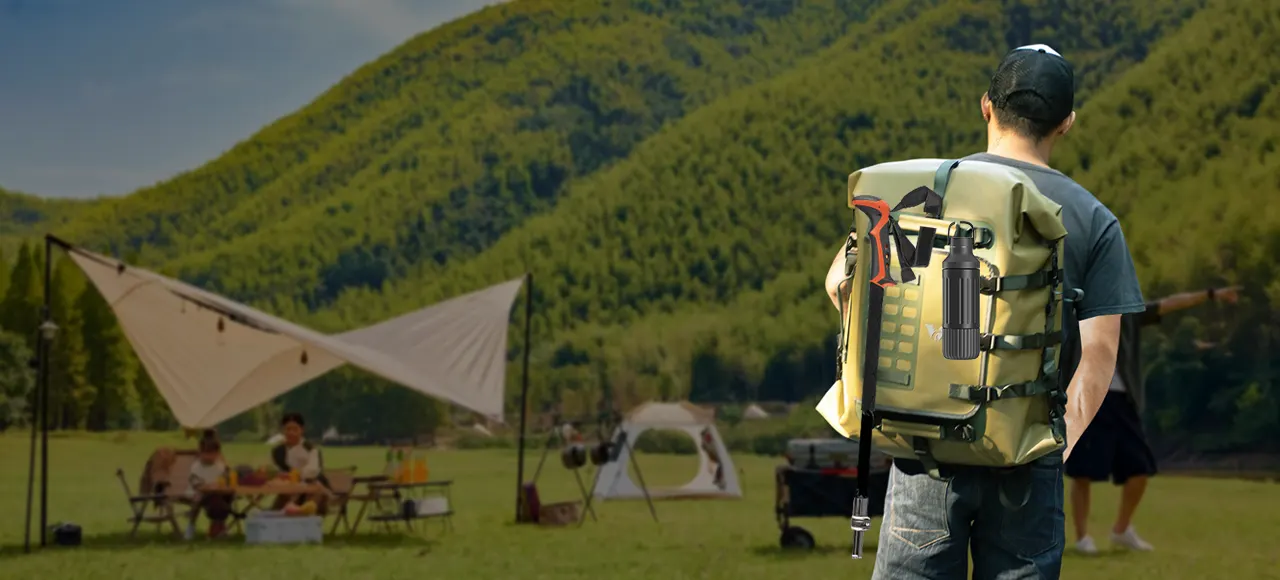
- Advanced Carrying Systems: Ergonomics matter when carrying heavy gear over slippery rocks. Adjustable shoulder straps, sternum straps, and waist belts improve comfort. Weierken often works with clients to refine these load-bearing systems without inflating costs unnecessarily.
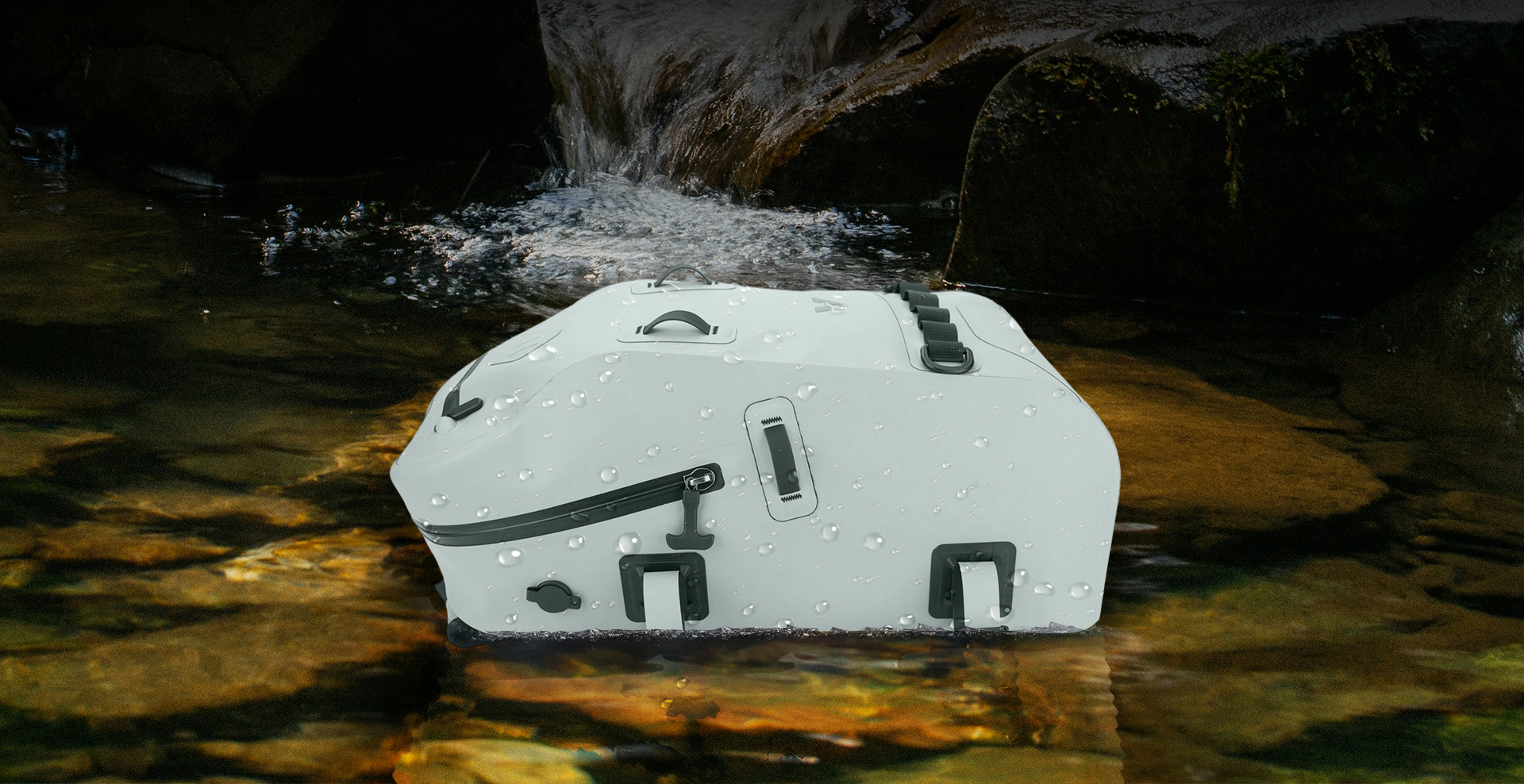
- Strict Sealing Requirements: Fully waterproof bags cannot rely on standard thread. The seams require high-frequency welding or seamless seam taping to block moisture completely. This machinery consumes more energy and demands highly skilled operators from your river life tote fabricator.
- Tooling for Molded Parts: Many modern river bags feature compression-molded EVA bottoms. This structural choice keeps the bag upright on uneven ground. However, creating the initial steel molds requires a substantial upfront investment from your custom river bag supplier.
3. Depth of Customization and OEM/ODM Services
Tailoring the Product to Your Brand Identity
Your customization depth directly affects your upfront and unit costs. Do you need a factory to tweak an existing design, or build one from scratch? Most brands seek specific modifications to stand out.
Let’s look at how these manufacturing choices impact your final pricing. A transparent waterproof tote manufacturer will explain these custom fees upfront.
- Brand Customization (OEM): Adding your logo changes the production flow. Embroidery, heat transfer labels, and custom color matching require specific setup fees. A river life tote fabricator will charge for plate making, color mixing, and small-batch machine starts.
- Original Design Manufacturing (ODM): Starting from zero involves heavy research and development. The factory handles market research, structural design, prototyping, and mold development. Your custom river bag supplier amortizes these initial investments into your per-unit price.
- Minimum Order Quantity (MOQ) Impact: MOQs dictate your pricing leverage. Highly customized products carry higher minimums. Small orders cannot absorb the initial setup costs efficiently, meaning your river life tote fabricator must quote a higher unit price.
- Prototyping Iterations: Developing the perfect bag rarely happens on the first try. Each sample round requires material sourcing, pattern cutting, and dedicated sewing time. A premium river life tote fabricator provides multiple sample iterations, which factors into the project’s overall cost.
- Exclusive Material Sourcing: Sometimes brands want a very specific fabric pattern or camouflage print. Custom fabric runs require large minimum yardages from the textile mills. Your waterproof tote manufacturer must purchase this bulk fabric, increasing your financial commitment.

4. Compliance Certifications and Sustainability Add-ons
Meeting Global Standards in 2026
Regulations strictly govern outdoor gear safety. Shipping products globally means clearing various customs and safety hurdles. A reliable river life tote fabricator builds compliance directly into their production quotes.
Testing and certification are not optional in the 2026 market. Buyers expect proven performance. Factories must invest heavily to meet these international benchmarks.
- Safety and Environmental Certifications: Exports to Europe or North America must meet REACH, RoHS, or CA Prop 65 standards. If the tote holds food, you need FDA or LFGB certification. The custom river bag supplier passes these third-party laboratory testing fees onto the buyer.
- Performance Testing: Brands promise specific waterproof ratings to their customers. Third-party or internal labs conduct IPX4 or IPX7 waterproof testing. Load-bearing and abrasion tests ensure the bag survives actual river use. Your river life tote fabricator factors these quality control steps into the overhead.
- Sustainability Requirements: Supply chain transparency dominates the industry. Corporate buyers now demand carbon footprint reports and certifications proving recycled material percentages. Securing these administrative records adds to the management costs of your waterproof tote manufacturer.
- Factory Audits: Many global brands require BSCI, Sedex, or ISO 9001 audits before placing an order. Factories spend significant capital maintaining safe work environments and fair labor practices. An ethical custom river bag supplier incorporates these operational costs into their transparent pricing.
- Packaging Compliance: Sustainable packaging is no longer just a trend. Clients ask for biodegradable polybags or FSC-certified paper tags. Upgrading the final packaging materials slightly increases the per-unit cost generated by your river life tote fabricator.
Frequently Asked Questions (FAQ)
Q1: How does a river life tote fabricator calculate the MOQ for a new project?
Minimum Order Quantities depend mostly on raw material suppliers. If you choose a standard black TPU fabric, the MOQ stays low. If you request a custom-dyed Cordura, the textile mill enforces a high fabric minimum. The river life tote fabricator then converts that fabric yardage into the final bag quantity.
Q2: Why do TPU materials cost more than PVC from a waterproof tote manufacturer?
TPU (Thermoplastic Polyurethane) offers superior flexibility in freezing temperatures. It also resists abrasion better and is far more environmentally friendly than PVC. Because the chemical production process is more complex, a waterproof tote manufacturer pays more for raw TPU rolls.
Q3: Can a custom river bag supplier help my product achieve an IPX7 waterproof rating?
Yes, they achieve this by eliminating traditional stitched seams entirely. Your river life tote fabricator uses high-frequency RF welding to fuse the fabric panels together. They also install specialized airtight zippers. These upgrades guarantee the bag can survive full water submersion for 30 minutes.
Q4: How long does the ODM development process take with a river life tote fabricator?
Developing a bag from scratch usually takes 45 to 60 days. This timeline includes structural sketching, 3D modeling, material sourcing, and sewing the first physical prototype. If the design requires custom plastic injection molds for handles or bases, your custom river bag supplier will need an extra 30 days.
Q5: What safety certifications should I ask my river life tote fabricator to provide?
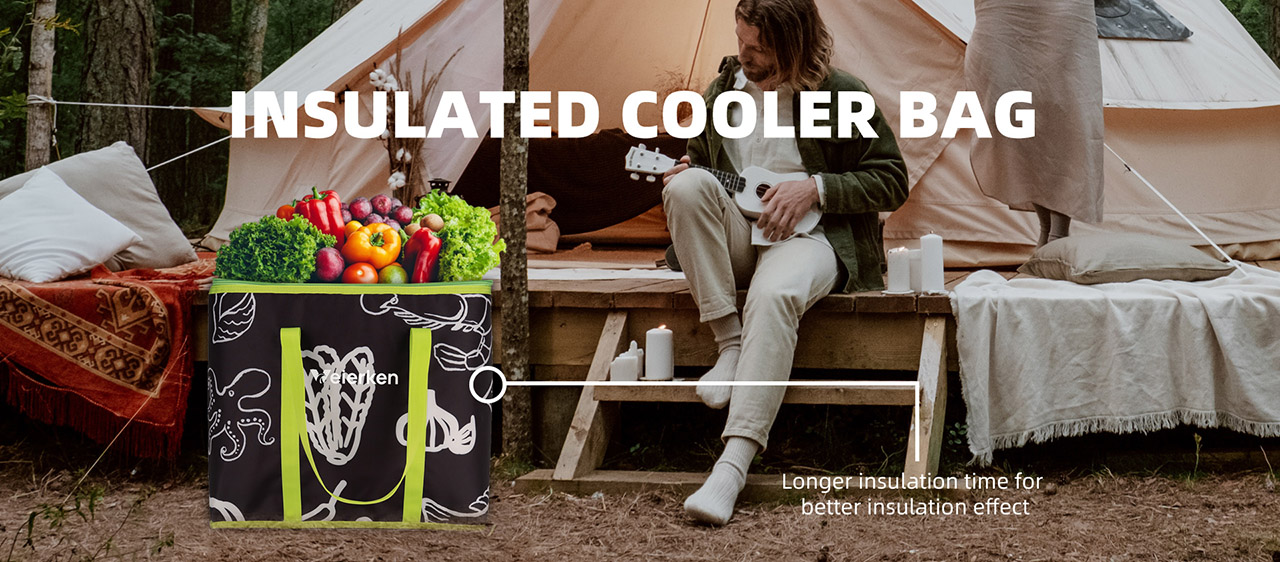
You should always request REACH compliance for the European market and CA Prop 65 for the US market. These certify the materials lack harmful chemicals like lead and phthalates. If the bag features a cooler compartment for snacks, insist that your river life tote fabricator conducts FDA or LFGB food-safe material testing.
Ready to Manufacture Your Next River Tote?
Securing a fair price requires understanding the complete manufacturing process. Material choices, structural design, branding, and compliance all shape your final quote. You want a partner who explains these costs clearly.
Finding a dependable river life tote fabricator saves you time and protects your brand reputation. Don’t let hidden fees or poor craftsmanship derail your 2026 product launch. Partner with experts who know the outdoor industry inside and out.
Weierken offers premium manufacturing solutions tailored to your specific budget and functional requirements. We build durable, compliant, and market-ready gear that stands up to the toughest currents.
Are you ready to bring your outdoor bag design to life? Inquiry now and let our engineering team provide a detailed, transparent quote for your next project.