Finding a reliable manufacturing partner requires more than a simple web search. The cycling market continues to shift toward specialized niches. Gravel riding and urban commuting now demand highly technical gear. Finding a competent riding bag fabricator dictates whether your brand thrives or struggles with product returns.
B2B buyers need suppliers who actually understand their market and speak their language. We often see industry leaders like Weierken setting a high standard by offering genuine manufacturing expertise instead of just acting as middlemen. You need a factory that thinks like a brand.
Many factories promise the world during the sampling phase. Then mass production hits, and everything falls apart. You cannot afford this. Let us break down the exact steps you should take to audit your next bicycle bag manufacturer and secure a profitable supply chain for 2026.
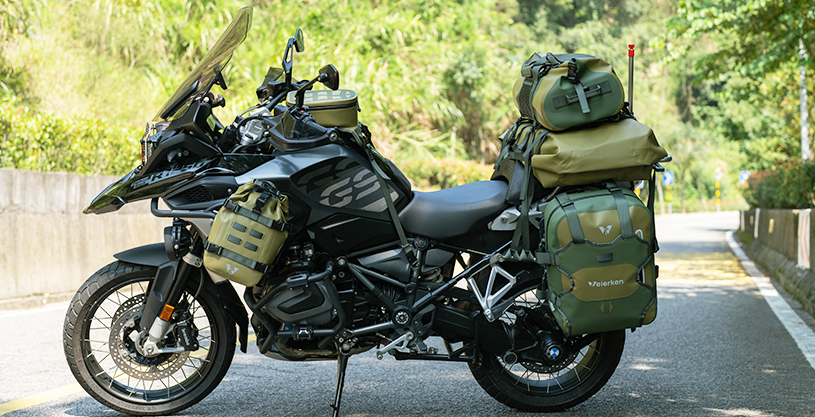
Step 1: Deeply Assess Real OEM/ODM Conversion Capabilities
You must look past the glossy factory photos. The core of any great riding bag fabricator lies in how they translate ideas into physical products. You need to evaluate their specific OEM and ODM proficiencies separately.
OEM (Original Equipment Manufacturer) Assessment
For OEM orders, the factory must execute your vision flawlessly. A professional riding bag fabricator does not just blindly sew what you give them. They analyze your technical data critically.
- Blueprint Replication: Check if the factory can 100% understand your brand’s Bill of Materials (BOM) and Tech Pack.
- Process Optimization: A competent custom bike bag factory will spot structural flaws in your design. They suggest practical optimizations to prevent mass production failures.
- Tooling and Molds: Verify if they have in-house capabilities to customize hardware molds or if they outsource this crucial step.
ODM (Original Design Manufacturer) Assessment
If you prefer to select pre-designed products, the factory’s innovation speed becomes your lifeline. Market trends in 2026 move fast. Your riding bag fabricator must keep up.
- Trend Readiness: The factory should offer market-tested, white-label solutions for 2026 trends like Gravel bikepacking and sleek urban commuter bags.
- R&D Team Size: Ask about their internal headcount. How many dedicated pattern makers and designers do they employ full-time?
- Sampling Efficiency: An ideal riding bag fabricator should turn around a customized ODM sample in 7 to 15 days. Anything longer indicates a lack of dedicated R&D resources.
Step 2: Break Down the Supply Chain Network and Core Fabric Mastery
Cycling bags face brutal outdoor conditions. They endure harsh sunlight, heavy rain, and constant friction. A factory’s sewing skills mean nothing if their raw materials fail. You need a riding bag fabricator with deep supply chain roots.
The Hardcore Manufacturing Threshold
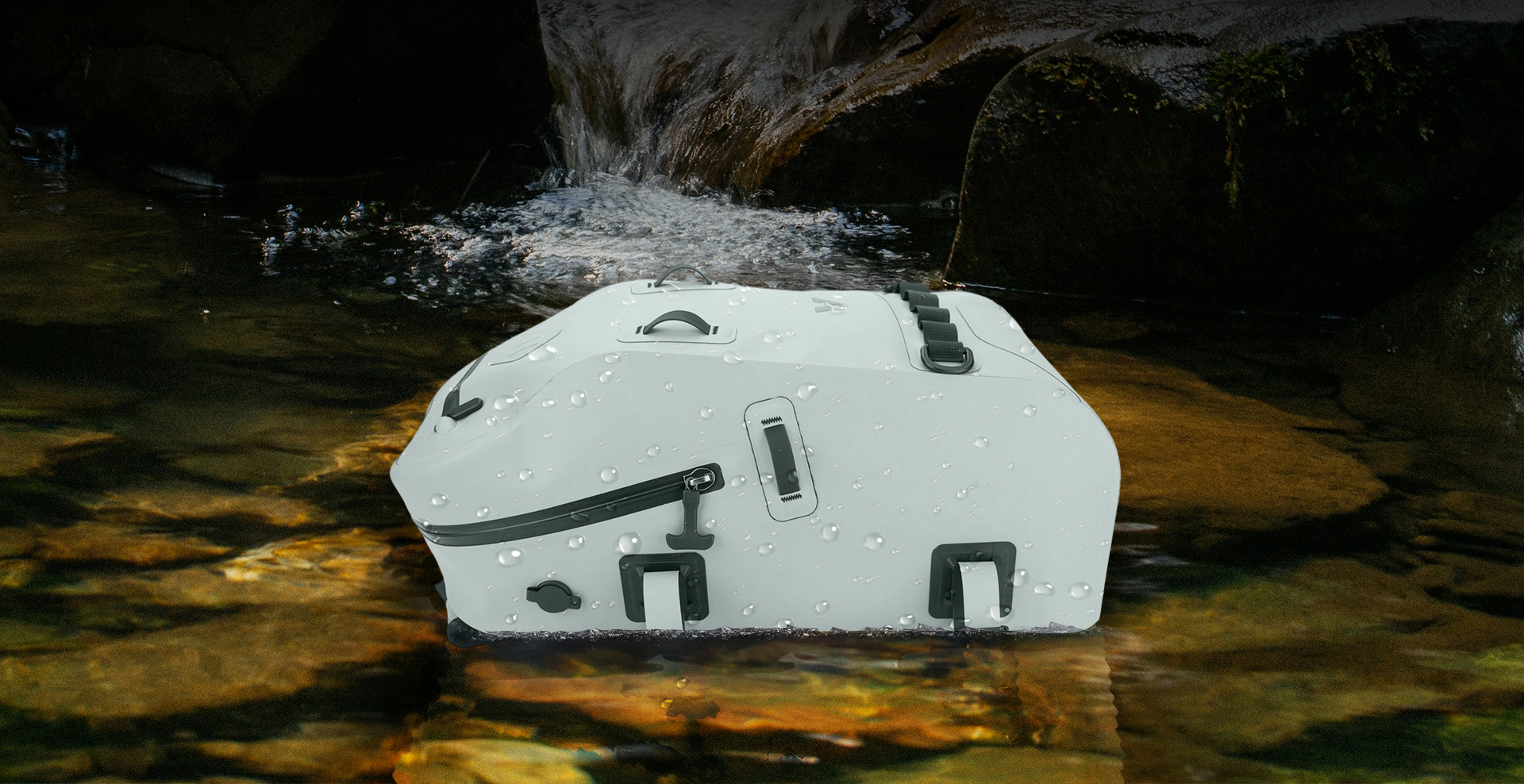
Fully waterproof bags require specific machinery. Traditional sewing leaves needle holes that let water seep in. You must verify if your chosen riding bag fabricator owns High-Frequency Welding (also known as RF welding) equipment.
High-frequency welding fuses thermoplastic materials together at the molecular level. This creates a seamless, 100% waterproof bond. It stands as the non-negotiable standard for premium cycling gear in 2026.
Material Supply Chain Depth
A premier riding bag fabricator maintains direct relationships with advanced material mills. By 2026, buyers expect sustainable and ultra-durable options.
- TPU Coated Fabrics: Essential for mud resistance and easy cleaning on gravel trails.
- Dyneema: An ultra-lightweight, exceptionally strong material used by top-tier brands.
- GRS Certified Nylon: Global Recycled Standard materials are mandatory for eco-conscious European and North American consumers.
The B2B Audit Tip
Always conduct a spot check on the factory’s raw material warehouse. A genuine riding bag fabricator holds long-term stock of core fabrics and zippers. If they buy materials on demand for every single order, they act as mere assemblers rather than true manufacturing partners.
Step 3: Scrutinize QA/QC Systems and Global Compliance (ISO & ESG)
Never accept verbal promises about quality control. True product reliability stems from rigid, documented processes. A professional riding bag fabricator transparently shares their quality manuals.
Reject “Verbal” Quality Control
You need to see their Standard Operating Procedures (SOPs). A qualified riding bag fabricator implements a strict three-tier inspection system.
- IQC (Incoming Quality Control): Testing raw fabrics and buckles before they hit the cutting floor.
- IPQC (In-Process Quality Control): Inspecting stitching and welding integrity during the assembly line phase.
- OQC (Outgoing Quality Control): The final visual and functional check before packing the cartons.
In-House Testing Laboratory
Cycling bags require rigorous physical testing. A specialized riding bag fabricator operates an internal testing lab to simulate real-world abuse. Look for the following testing equipment:
- Tension Testers: Verifying the breaking strength of shoulder straps and mounting velcro.
- Salt Spray Chambers: Testing metal zippers and hardware for rust resistance against human sweat and rain.
- Water Repellency Testers: Measuring the hydrostatic head rating of the finished bag.
- Vibration Simulators: Testing the bag’s stability when loaded and mounted on a shaking bicycle frame.
2026 Global Compliance Standards
For B2B buyers targeting the US and EU markets, compliance prevents catastrophic delays at customs. Your riding bag fabricator must hold verifiable ISO9001 certifications and BSCI audit reports.
Furthermore, the materials must pass REACH or RoHS chemical standards. Partnering with a factory that maintains strong ESG (Environmental, Social, and Governance) practices, similar to the operational ethos at Weierken, protects your brand from severe public relations risks.
Step 4: Stress-Test Flexible Capacity and Lead Time Guarantees
Delivering a perfect sample means little if the factory misses your peak season launch date. You need to critically evaluate the mass production stability of your riding bag fabricator.
Mass Production Stability
Evaluate their actual monthly output limits. Ask for the exact number of active production lines and skilled sewing workers. A modern riding bag fabricator relies on advanced ERP (Enterprise Resource Planning) software to track order schedules, ensuring your delivery dates remain accurate.
Flexible Manufacturing and MOQs
The retail market in 2026 moves unpredictably. B2B clients frequently require “small order, quick return” models to test new bag designs in the market before committing to massive volume.
You must verify if the riding bag fabricator offers elastic Minimum Order Quantities (MOQs) for both OEM and ODM projects. Do they force you into a 2,000-piece minimum, or can they accommodate a 500-piece trial run?
Handling Peak Season Spikes
Ask the factory how they handle sudden surges in demand. A capable riding bag fabricator has a reliable backup plan. They either possess rapid capacity expansion protocols or maintain strict control over trusted sub-contractors to meet your urgent deadlines.
Step 5: Evaluate Business Communication and Value-Added Services
Friction in communication costs you money and time. The professionalism of the sales and merchandising team directly impacts your project’s success. You want a riding bag fabricator that acts as a true extension of your business.
B2B Communication Efficiency
The account manager must speak fluent, professional English. They should understand complex trade terms like FOB, CIF, and DDP without confusion. When you submit a Tech Pack revision, a dedicated riding bag fabricator responds with updated CAD drawings or cost adjustments within 24 hours.
Non-Disclosure Agreement (NDA) Execution
If you design a proprietary mounting system for a bikepacking bag, intellectual property protection becomes critical. Verify that the riding bag fabricator signs and legally adheres to strict NDAs. They must demonstrate physical and digital security measures to prevent your designs from leaking to competitors.
Value-Added Logistics and Packaging
The best suppliers go beyond manufacturing. An ideal riding bag fabricator in 2026 offers retail-ready packaging solutions, including custom hangtags and polybags.
Premium partners, much like Weierken, provide comprehensive warehousing services. They can even manage your FBA (Fulfillment by Amazon) prep and handle the first-leg shipping directly to your overseas distribution centers. This saves you the headache of hiring third-party logistics firms.
Frequently Asked Questions (FAQ)
1. What is a reasonable MOQ for a custom riding bag fabricator?
For fully custom OEM designs requiring unique fabric dyeing or custom molds, MOQs typically start at 1,000 pieces. However, a flexible riding bag fabricator may offer 300 to 500 pieces for ODM designs using stock fabrics.
2. Why is High-Frequency Welding necessary for bicycle bags?
Standard stitching creates microscopic holes in the fabric, allowing rainwater to penetrate. High-frequency welding melts the TPU/PVC layers together, creating a seamless bond that ensures 100% waterproof protection for sensitive gear like electronics.
3. How long should the sampling process take for an ODM bag?
A well-equipped riding bag fabricator with an in-house R&D team should deliver an ODM sample within 7 to 15 days. Complex OEM designs requiring custom hardware molds may take 20 to 30 days.
4. What certifications should I request from a bag factory in 2026?
You should request an ISO9001 certificate for quality management and a BSCI or SMETA report for ethical labor practices. Additionally, ask for REACH or RoHS compliance reports for the raw materials to ensure they are free of toxic chemicals.
5. How can I verify a factory’s true production capacity before ordering?
Request an interactive video tour of their facility during working hours. Ask to see their live ERP system dashboard, inspect their raw material inventory, and count the active production lines. A transparent riding bag fabricator will gladly accommodate these requests.
Ready to Upgrade Your Supply Chain?
Stop settling for inconsistent quality and missed deadlines. Partner with a professional riding bag fabricator that understands your market and protects your brand. Send us your Tech Pack or inquiry today, and let our engineering team provide a detailed manufacturing quote within 24 hours!