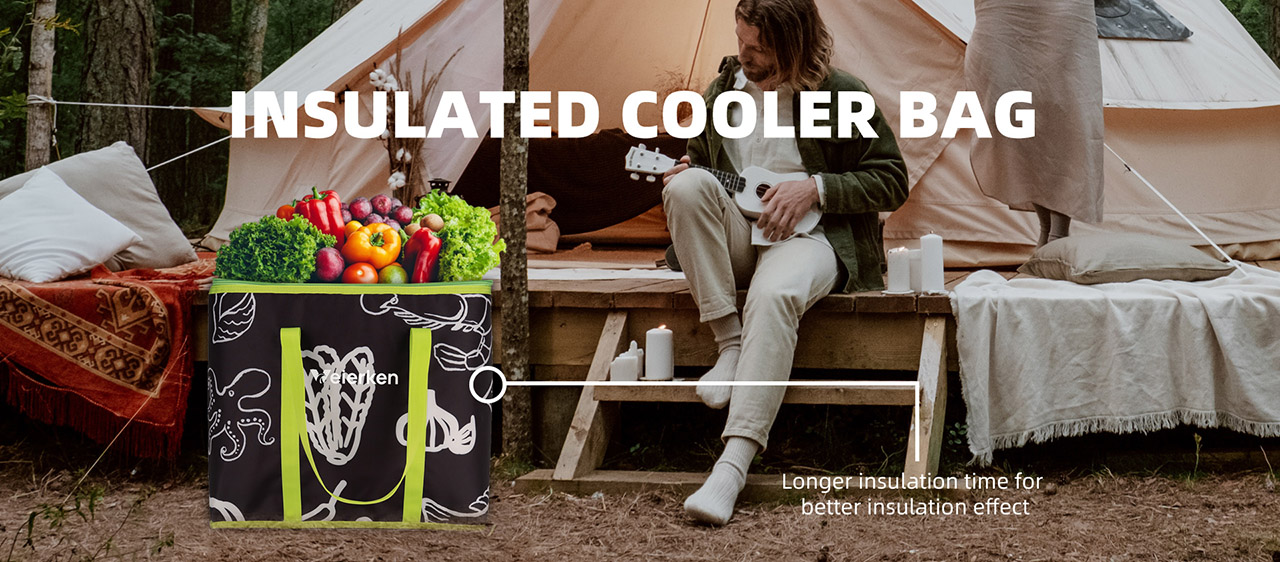
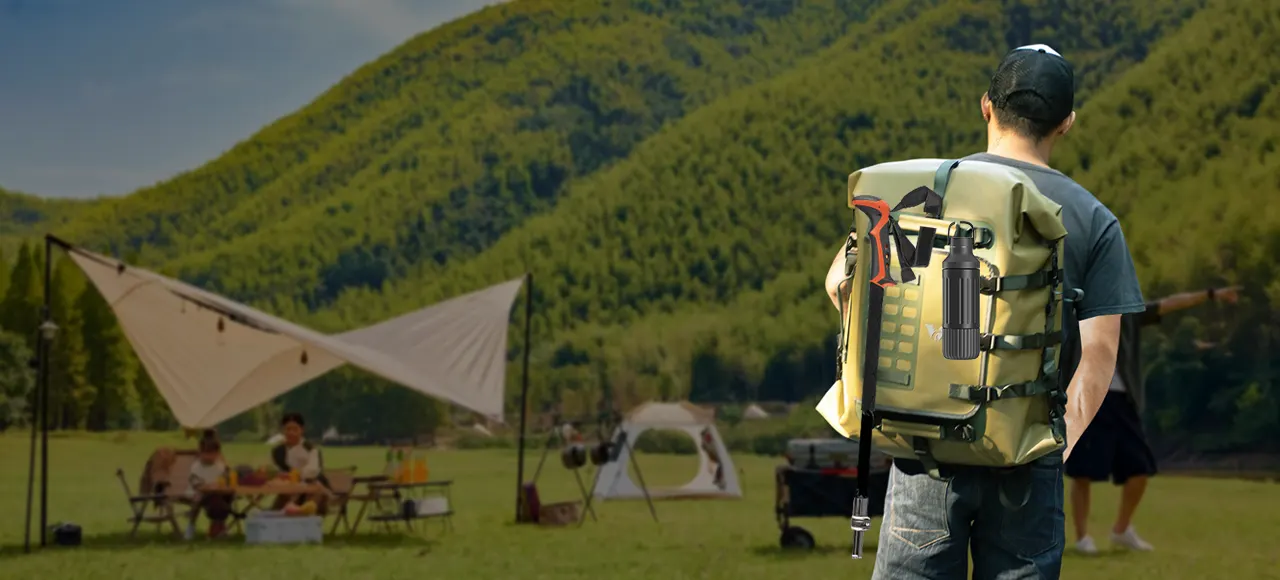
Finding the right pizza thermal tote fabricator can make or break your delivery operation. With so many manufacturers claiming superior insulation, how do you separate reliable partners from the rest? We’ve built this four-step guide specifically for catering directors, restaurant chains, and pizzerias scaling their delivery. We’ll walk through technical must-haves, customization depth, and compliance—and along the way we’ll show how weierken, an experienced thermal tote fabricator, approaches these challenges.
Step 1: Pinpoint Your Core Requirements – The Unique Demands of Pizza Delivery
Pizza isn’t just another dish. It brings a set of logistics headaches: you need intense heat retention, a crisp crust, and the ability to carry multiple boxes without crushing them. Before you talk to any pizza thermal tote fabricator, map out these operational needs.
1.1 Heat Retention and Crust Preservation
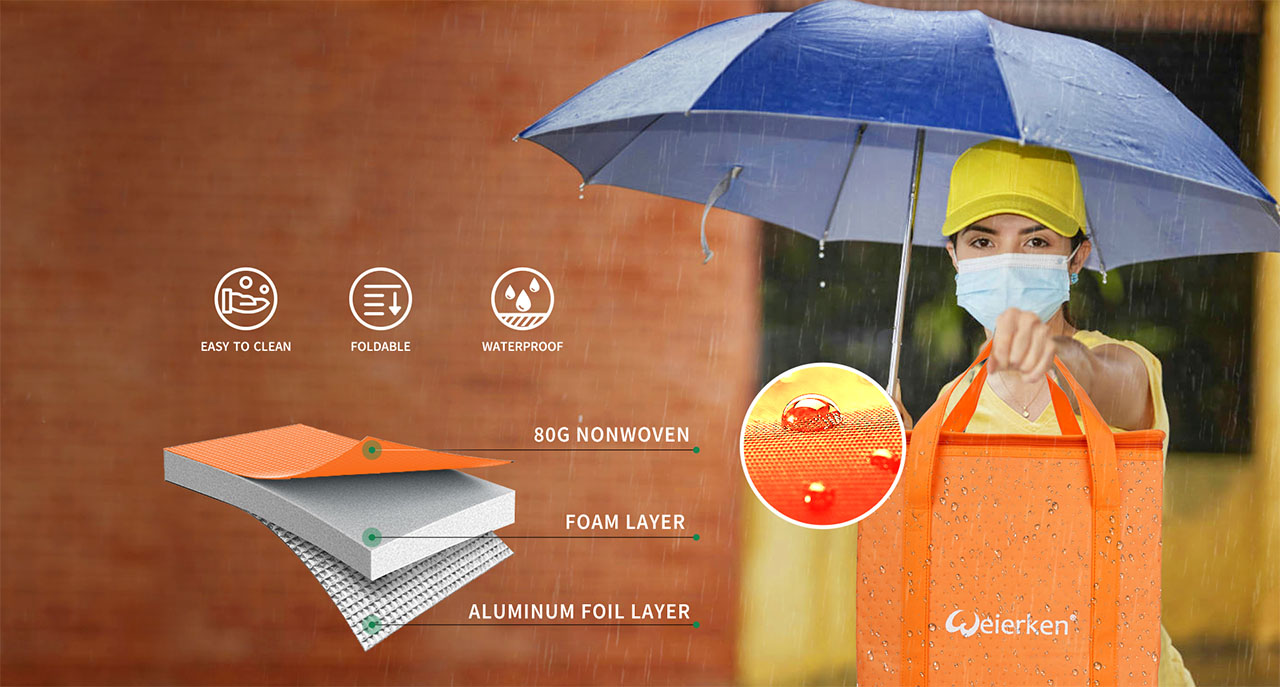
Customers expect pizza at 60°C or hotter, with a crust that still cracks. That means your bags must resist condensation—soggy cardboard ruins the base. Look for a fabricator that uses multi-layer insulation: closed-cell PE foam, reflective aluminium layers, or even vacuum insulated panels (VIP). Ask for real-world data: a reputable pizza thermal tote fabricator like weierken provides internal test results showing temperature drop ≤5°C per hour.
1.2 Size Compatibility: From 9 to 14 Inches and Beyond
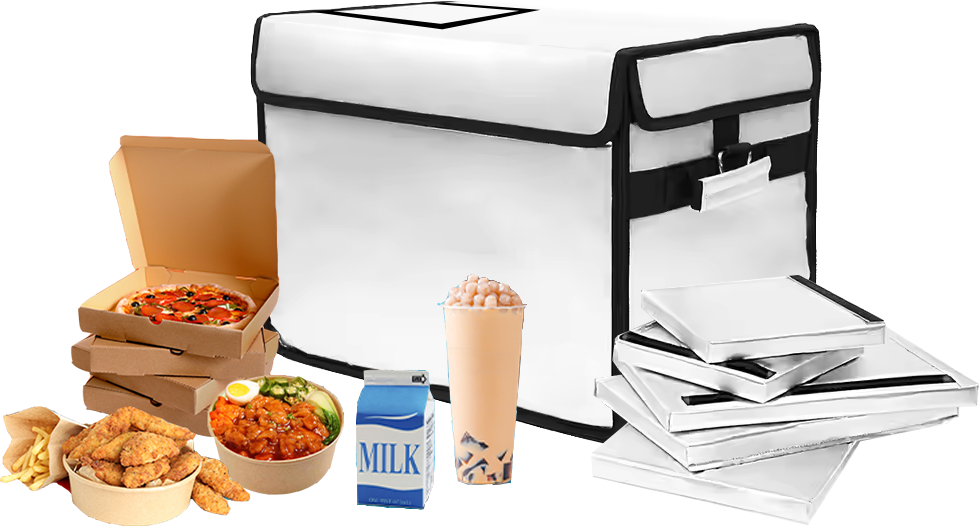
You probably handle a mix: 9-inch personal pans, 12-inch mediums, and 14-inch family pies. Some are round, some are square boxes. Your totes need to fit them snugly—excess space lets heat escape. A flexible pizza thermal tote fabricator offers modular interiors with adjustable dividers. They should also accommodate stack heights, because one order might include three pizzas and sides.
1.3 Stacking and Portability for Delivery Drivers
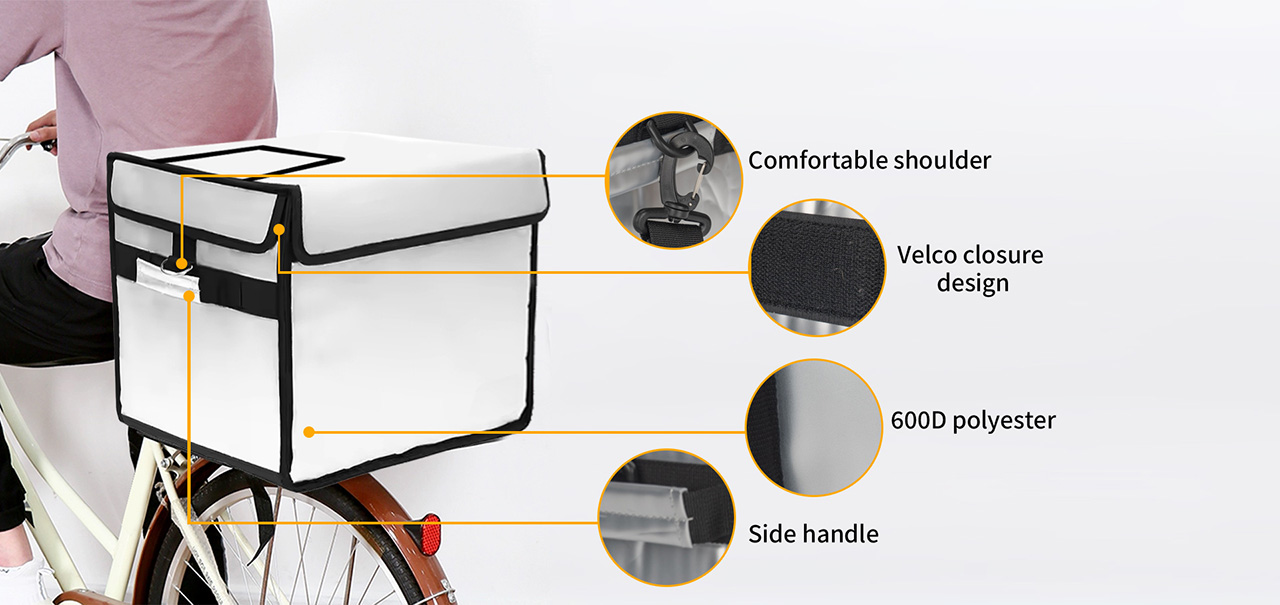
Delivery staff often carry multiple bags at once. A flimsy tote collapses under weight, squashing the bottom pizza. Insist on reinforced bases, internal support boards, and padded dividers that prevent boxes from shifting. Also evaluate the handles: padded shoulder straps, anti-slip grips, and balanced weight distribution. The right thermal tote fabricator will engineer bags that keep their shape even when fully loaded.
1.4 Branding Opportunities on the Go
Every bag you put on the street is a moving billboard. Make sure the fabricator’s surface accepts vibrant logo printing, whether through heat transfer, screen printing, or woven labels. With weierken, for instance, you can match Pantone colours precisely, and the prints resist fading after months of sunlight and rain.
At this stage, weierken works with catering brands to define every dimension and feature—so you’re not guessing, you’re specifying.
Step 2: Evaluate the Manufacturer’s Core Technical Competencies
Once you know what you need, shift focus to the pizza thermal tote fabricator’s workshop. You want a partner that masters both materials and mechanical design.
2.1 Insulation Materials and Technologies
Don’t settle for vague “thermal layers”. Dig into what fills the walls. High-density PE cotton is common, but ask if they use reflective foil laminates or VIP (vacuum insulated panels) for ultra-thin high performance. A trustworthy fabricator shares their insulation R-value and real-world tests. For example, weierken provides charts showing internal temperature curves over 4 hours. You also need to verify the material won’t sweat—condensation inside wets the box and the pizza.
2.2 Structural Design Capabilities
Look beyond the fabric. Can they build in rigid support sheets that prevent crushing? Do they offer removable or adjustable partitions to fit different box sizes? Ask if they’ve solved the “stack collapse” problem—some use extra high-density plastic sheets sewn into the bottom. Also examine the closure system: YKK zippers, hook-and-loop reinforced flaps, and magnetic snaps. A seasoned pizza thermal tote fabricator will have a portfolio of structural solutions.
2.3 Waterproof and Oil-Proof Linings
Pizza grease, tomato sauce, and condensation happen. The inner liner must resist oil and be easy to wipe clean. TPU coatings, PEVA laminates, or even food-grade PVC are common. But they also need to be non-toxic and odorless. weierken uses inner linings that pass migration tests—no chemical taste transferred to the food.
- Pro tip: Ask for a sample and pour a little olive oil on the lining. Leave it for an hour. If it stains or smells, reject it.
Step 3: Examine Customization Services and OEM/ODM Capabilities
Catering brands need differentiation. A one-size-fits-all bag won’t reflect your workflow or your brand. That’s where the fabricator’s customization depth matters.
3.1 Brand Identity Integration
Your logo needs to pop. Confirm which printing methods the pizza thermal tote fabricator masters: heat-transfer vinyl, silkscreen, embroidery, or direct-to-fabric digital print. Also, verify colour matching—especially if your brand uses a specific shade of red or green.
3.2 Size Adjustments and Functional Add-Ons
Perhaps you need an outer pocket for contactless-delivery thermal printers, or a detachable drink holder. Or you might want a clear window to display the delivery label. The ideal fabricator listens to these needs and prototypes changes quickly. For example, weierken offers modular attachments: removable shoulder pads, extra D-rings for insulated drink carriers, and reflective piping for night visibility.
3.3 Innovative ODM Services
If you have a breakthrough idea—like a tote that folds flat when empty, or one with an integrated temperature sensor strip—you need an ODM partner. Some fabricators only sew your design; others engineer from scratch. weierken’s ODM team, for instance, recently helped a client develop a pizza tote made from recycled ocean plastics, with a collapsible internal frame.
Step 4: Audit Quality Control and Regulatory Compliance
Even the most innovative bag fails if it falls apart after 50 deliveries. And if it uses unsafe materials, your brand faces legal risk. Rigorous QC and certifications are non‑negotiable.
4.1 Food-Grade Safety Certifications
All materials that contact food (or might touch food indirectly through the box) must comply with FDA 21 CFR, LFGB (German), or GB 4806 (Chinese) standards. Ask the pizza thermal tote fabricator for test reports specifically for the inner lining and any non-woven layers. Don’t accept a generic “food-safe” claim—demand certificates.
4.2 Durability Testing for Daily Use
You need bags that survive thousands of openings, closings, and weight loads. Inquire about their testing protocols:
- Handle tensile test: how much weight before stitching tears?
- Zipper fatigue test: cycles before failure.
- Drop test: fully loaded bag from 1 meter—does the inner pizza survive?
weierken shares video recordings of these tests with clients. It’s a sign of transparency.
4.3 Environmental Compliance
If you export to Europe or California, you’ll need REACH, RoHS, or CA Prop 65 compliance. Also, if your brand markets sustainability, check whether the fabricator offers GRS-certified recycled materials. Many European clients now require that.
4.4 Factory Inspection and Cleanliness
Ideally, visit the factory or arrange a video walkthrough. Look for separate cutting areas, clean sewing lines, and dust-free storage of finished goods. Hygiene in production prevents contamination of the bags. weierken, as an established pizza thermal tote fabricator, welcomes such audits and maintains an organized workshop with ISO-grade practices.
Frequently Asked Questions (FAQs)
1. What certifications should a pizza thermal tote fabricator provide?
You should ask for FDA or LFGB food-contact statements for the lining, plus REACH and RoHS if you sell in Europe. For peace of mind, also request physical test reports for insulation and durability. weierken supplies a compliance package with every bulk order.
2. Can I get a custom size for non‑standard pizza boxes, like 18‑inch extra‑large or rectangular sheets?
Absolutely. A flexible pizza thermal tote fabricator will create a pattern to your exact box dimensions. Many, including weierken, ask you to send a sample box so they can build a prototype with a snug fit and proper support.
3. How do I test the insulation performance before placing a large order?
Request a sample tote, place a pre‑heated pizza box inside (or a test brick with a data logger), and measure temperature every 15 minutes. Compare with the fabricator’s claims. Reputable manufacturers like weierken will walk you through their own test data and support your in‑house trials.
4. Does weierken offer eco‑friendly or recycled materials for pizza delivery bags?
Yes, weierken has a dedicated line using GRS‑certified recycled polyester and RPET linings. They also provide non‑toxic water‑based adhesives and plant‑based insulation upon request.
5. What are typical minimum order quantities (MOQs) for custom pizza thermal totes?
MOQs vary. For stock sizes with simple logo printing, some fabricators accept 200 pieces. For fully custom designs (new patterns, special compartments), expect 500–1000 units. weierken is known for flexible MOQs, especially for startups and regional chains.
6. How long does it take to develop a new pizza tote design from scratch?
Development typically takes 4–8 weeks for sampling, plus 4–6 weeks for bulk production. A fabricator with in-house pattern makers, like weierken, can sometimes cut sampling to 2 weeks if you’re in a hurry.
Ready to work with a proven pizza thermal tote fabricator?
You’ve mapped your needs, you know the technical questions, and you’ve seen what real compliance looks like. Now partner with a team that builds exactly what your catering brand requires. weierken combines 15+ years of material expertise with a passion for delivery innovation.
Send us your specs or ask for a catalogue — we’ll reply within 24 hours.Inquire now →
OEM/ODM inquiries welcome | Samples available
Choosing the right pizza thermal tote fabricator doesn’t need to be overwhelming. Focus on these four steps, and you’ll secure a supplier that ensures your pizzas arrive hot, your drivers stay efficient, and your brand looks professional. With weierken, you’re not just buying bags—you’re building a delivery experience.