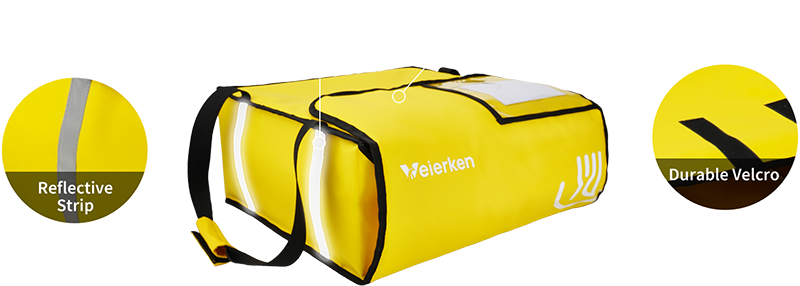
Bringing a new product to market involves many moving parts. For brands that sell insulated bags and coolers, finding the right production partner makes all the difference. A skilled picnic bag fabricator does more than stitch fabric—they guide you through a structured journey from your first idea to the final delivery at your warehouse.
At weierken, we have refined this process over years of collaboration with global brands. We understand that clarity and communication drive successful outcomes. Here is how we typically move a project from sketch to shipment.
Step 1: Requirement Communication and Concept Confirmation
Every great product starts with a conversation. You have ideas about your target audience, the features your bag needs, and the price points you want to hit. We listen carefully.
What you bring to the table:
- Product positioning and target user profile
- Core functional requirements (insulation duration, capacity, pockets)
- Design style references and aesthetic preferences
- Budget parameters and target markets
How we respond:
We kick off with a project initiation meeting. Our team asks questions to clarify vague points. We share examples from similar projects we have completed, showing what worked and what we learned. This early exchange helps us assess feasibility before any design work begins.
Key output: A mutually agreed Product Requirement Document or design brief. This document becomes our north star, ensuring both parties share the same vision.
Step 2: Design and Engineering Sample Development
With requirements clear, our creative team gets to work. A reliable picnic bag fabricator balances aesthetics with practical construction.
Our design phase includes:
- Sketches and renderings: We produce hand sketches or 3D visuals for your review. You see the proposed shape, proportions, and details before we commit to patterns.
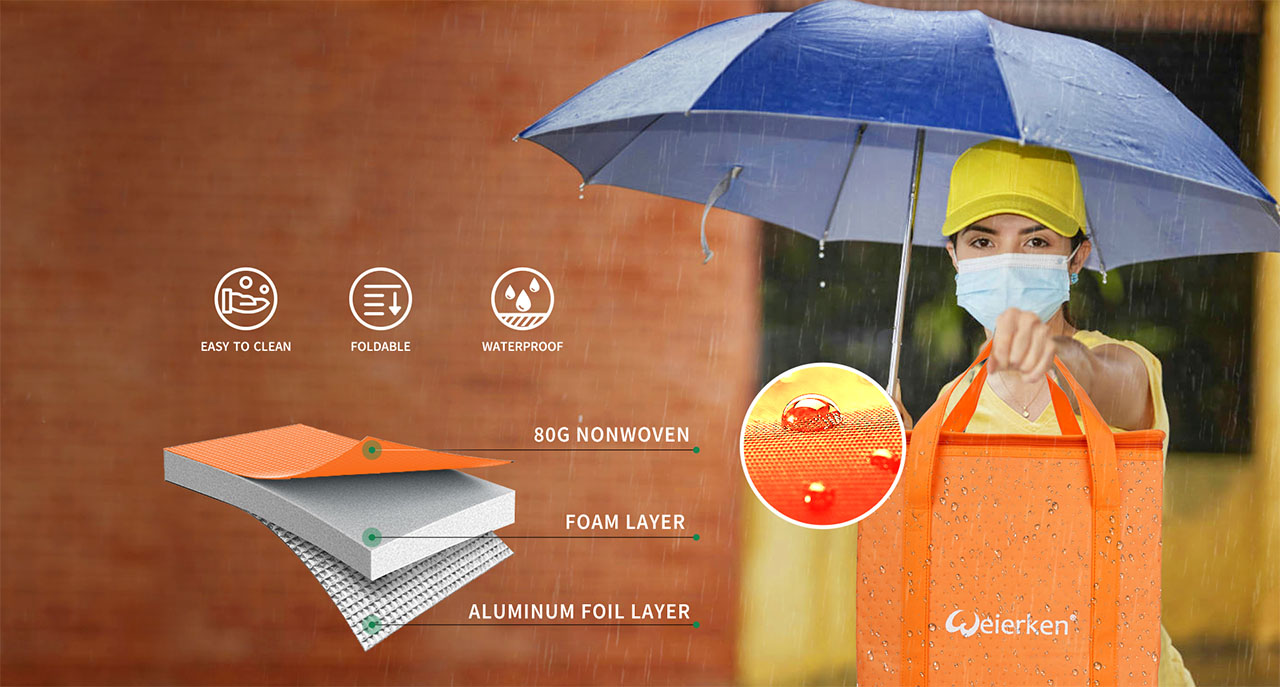
- Material selection: We recommend suitable fabrics—perhaps water-resistant polyester or abrasion-resistant oxford. We suggest insulation materials like PE foam or EVA. For hardware, we might propose YKK zippers or durable buckles. You receive material cards to touch and feel.
- Technical drawings: Once you approve the design direction, we create detailed spec sheets. These documents show every dimension, seam allowance, material specification, and construction note.
Key output: Approved design renderings, a Bill of Materials, and complete technical specifications.
Step 3: Sample Making and Approval
Paper designs look good. Physical samples reveal the truth. This step separates serious picnic bag fabricator partners from order-takers.
We produce one to three initial samples following your approved tech pack. Our sample room focuses on verifying structural integrity, dimensional accuracy, and functional performance.
The review cycle:
- You receive the samples and conduct your own tests. Does the insulation work as expected? Can the bag carry the intended load? How does it feel when packed?
- You share feedback. Maybe the straps need adjustment. Perhaps a pocket sits too high.
- We implement changes. If necessary, we create a second round of samples.
This iterative process continues until you feel completely confident. We do not rush this stage. Getting the sample right prevents costly surprises during mass production.
Key output: A signed-off sealed sample and sample approval report. These become the master reference for production.
Step 4: Testing and Validation
Before we cut hundreds or thousands of units, we verify performance. Testing protects your brand reputation and ensures compliance with market regulations.
What we typically test:
- Performance metrics: Insulation duration tests, weight capacity verification, zipper cycle testing, drop tests
- Regulatory compliance: Depending on your target markets, we arrange third-party lab testing for food contact safety (if applicable), REACH compliance for Europe, or other required certifications
We share all reports with you. This documentation supports your quality claims when selling to retailers or consumers. A trustworthy picnic bag fabricator takes no shortcuts here.
Key output: Test reports and compliance certificates.

Step 5: Mass Production and Quality Control
With samples approved and testing complete, we move to production. This phase involves careful coordination.
Our production preparation:
- We create detailed work instructions for our sewing lines
- We prepare cutting dies and tooling
- We procure all approved materials in correct quantities
- We train operators on specific construction details
Quality checks along the way:
- First Article Inspection: Before full production runs, we make the first finished unit and send it for your confirmation.
- In-Process Checks: Our line supervisors monitor critical steps like zipper installation and reinforcement stitching.
- Final Inspection: When production finishes, we sample finished goods using AQL standards. We check appearance, dimensions, function, and packaging.
Throughout this stage, we keep you informed. You know where your order stands and what quality levels we maintain.
Key output: First Article Reports, process inspection records, and Final Inspection Reports.
Step 6: Packaging and Shipment
Your products are ready. Now we prepare them for their journey to warehouses, stores, or directly to customers.
Packaging preparation:
- We apply your specified inner packaging (poly bags, dust covers)
- We attach hang tags and include instruction booklets
- We apply correct carton labels and shipping marks
Logistics coordination:
- We pack cartons and arrange pallets according to your requirements
- If you request third-party inspection, we coordinate schedules
- We book freight, handle documentation, and arrange insurance
Finally, we provide all shipping documents: packing lists, commercial invoices, bills of lading, and shipment notifications. Your order is on its way.
Key output: Complete shipping documentation and a smooth delivery experience.
Why Process Matters
Working with a structured picnic bag fabricator reduces stress. You avoid miscommunications, missed deadlines, and quality surprises. At weierken, we follow these steps consistently because they work. They give you visibility and control, even when your production happens thousands of miles away.
From your initial sketch to the moment containers arrive at your door, we stay focused on your goals. That is the value of true partnership.
Ready to start your next project? Contact weierken today. Share your concept, and let us guide you through every step of the development process.
Frequently Asked Questions
Q1: What information do I need to start a project with a picnic bag fabricator?
Start with your product concept, target audience, desired features, and budget range. Reference images help communicate your style preferences. weierken can guide you through refining these inputs into a complete brief.
Q2: How many samples does weierken typically make before production?
It depends on the project complexity. Simple designs may need only one sample round. Complex constructions with unique features sometimes require two or three iterations. Our goal is your complete satisfaction before production begins.
Q3: Can you help source specific materials for my picnic bag?
Yes. We maintain a broad network of material suppliers. Whether you need certified organic cotton, specific recycled fabrics, or branded hardware, we can source and verify materials before sampling.
Q4: What testing standards do you follow?
We test based on your requirements and target markets. Common standards include insulation performance, strap strength, zipper durability, and regulatory compliance like REACH or Prop 65. We coordinate with accredited labs for all testing.
Q5: How do you handle changes after production starts?
We minimize changes during active production through careful preparation. If adjustments become absolutely necessary, we assess impact on timeline and cost, then discuss options with you before proceeding.
Q6: What shipping options does weierken offer?
We arrange sea freight, air freight, or express courier services based on your timeline and budget. We also handle documentation, customs clearance support, and insurance arrangements.