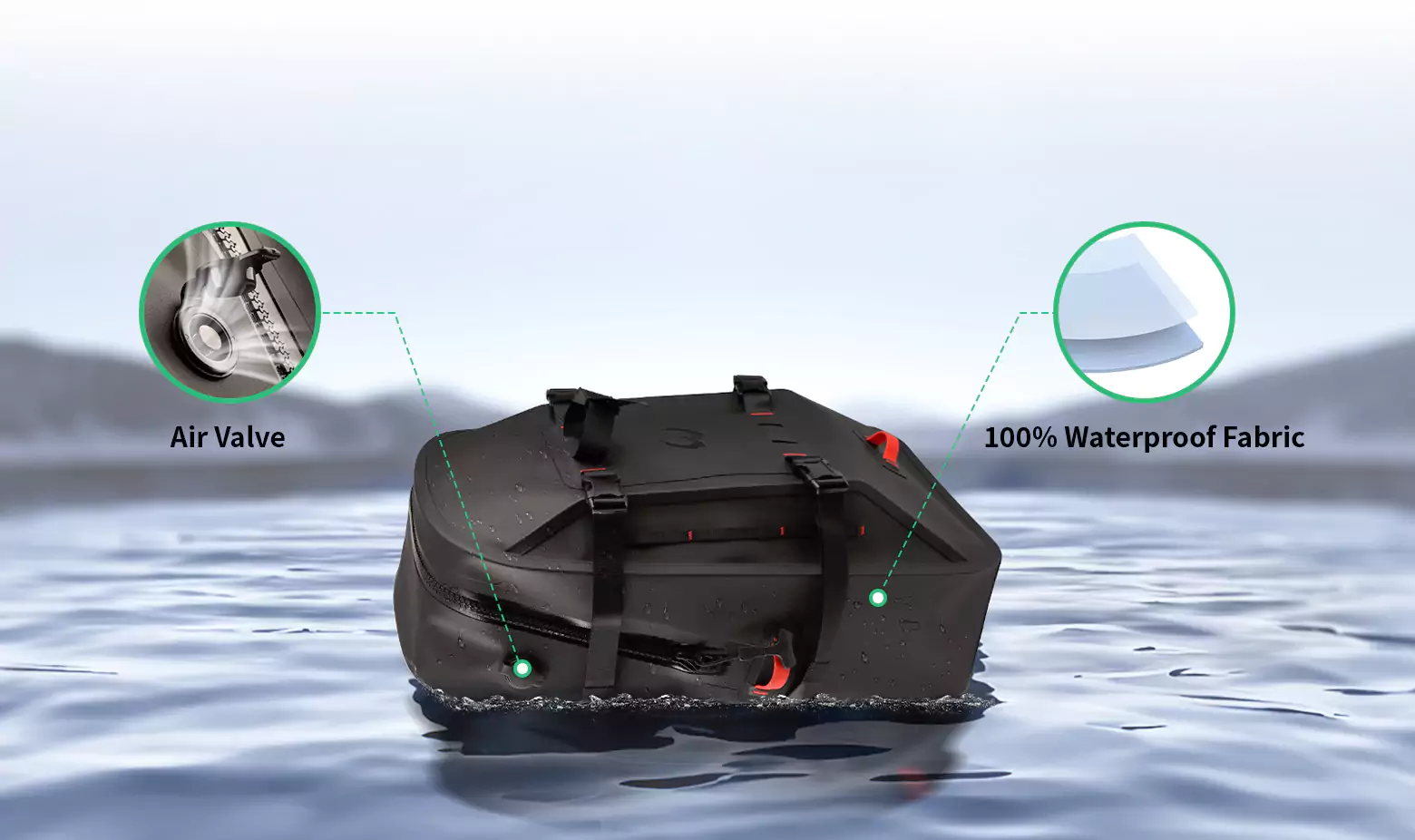
The fishing environment is brutal and unforgiving. Anglers face severe saltwater corrosion, sharp fish spines, and hours of relentless sun exposure. In this scenario, the supply chain tolerance for errors is practically zero.
If a soft cooler leaks or loses ice prematurely, it ruins the catch and instantly destroys your brand reputation. Brands like weierken understand this reality perfectly. You do not just need a basic sewing factory to stitch fabrics together. You need a specialized fishing cooler bag fabricator who masters soft-sided insulation and advanced waterproof technologies.
Finding the right manufacturing partner is a critical business decision. This guide, written from a supply chain management perspective, will walk you through the exact steps to audit, evaluate, and partner with a top-tier fishing cooler bag fabricator.

Core Hardware Requirements: Baseline Standards for Materials and Craftsmanship
When you interview a potential fishing cooler bag fabricator, you must ask hard technical questions. You cannot accept vague answers about material quality. You need to know exactly what goes into the construction of your product.
Here is how you evaluate their material choices and hardware capabilities:
- Outer Fabric Selection: A standard nylon bag will fail on a fishing boat. Ask the factory if they use high-density TPU (Thermoplastic Polyurethane) or heavy-duty PVC tarpaulin. The outer shell must resist punctures from sharp fins and withstand harsh UV rays without cracking or fading.
- Insulation Core: This is the heart of the product. Cheap PE foam is unacceptable for marine environments. A reliable marine cooler bag manufacturer will use closed-cell NBR (Nitrile Butadiene Rubber) or high-density EVA foam. Ask them for the exact thickness and density metrics. They must guarantee 48 to 72 hours of true ice retention.
- Sealing and Welding Craftsmanship: Traditional needle-and-thread stitching creates microscopic holes that leak water. You must demand Radio Frequency (RF) welding. Your fishing cooler bag fabricator should demonstrate seamless high-frequency voltage technology. Furthermore, they must use premium airtight zippers (like YKK AquaSeal or equivalent) combined with precise seam-taping processes.
Do not compromise on these hardware baselines. If a factory hesitates to confirm these specifications, walk away immediately.
R&D and Customization (OEM/ODM): Crossing from Blueprint to Mass Production
A competent fishing cooler bag fabricator does more than just blindly follow your instructions. They actively optimize your designs for manufacturing (DFM). They bridge the gap between a nice concept and a functional, mass-produced reality.
Pay close attention to how the factory processes your initial ideas.
- Tech Pack Processing: Observe how fast and accurately their engineering team parses your Tech Pack. Do they understand your Bill of Materials (BOM)? Can they read your 3D CAD files and identify structural flaws before sampling begins?
- Proactive Problem Solving: A top-tier custom cooler bag factory will suggest practical, value-adding features. Instead of just building what you drew, they might recommend adding a heavy-duty drain plug for easy cleaning. They might suggest printing a UV-resistant fish ruler on the top lid. They will also point out areas where handle reinforcements are necessary to bear heavy loads.
- Prototyping Lead Time: Time is money in retail. Ask for a strict timeline regarding sampling. A professional fishing cooler bag fabricator should provide a fully functional prototype within 10 to 15 days, provided all materials are in stock.
- Mold Cost Transparency: Custom TPU components and specialized airtight zippers often require new molds. Demand total transparency regarding mold costs, tooling fees, and the ownership rights of those molds once production concludes.
Quality Control (QC) and Extreme Testing Systems
Never judge a fishing cooler bag fabricator solely by a pristine showroom sample. A beautiful sample means nothing if the factory cannot replicate that quality across ten thousand units. You must examine their Standard Operating Procedures (SOPs) and their extreme testing equipment.
Brands like weierken build their market dominance on uncompromising testing systems. Your factory should do the same.
When auditing their QC facility, look for the following extreme testing protocols:
- 100% Leak Testing: Random sampling is not enough for airtight products. The factory must perform a 100% inflation pressure test on every single unit before packaging. Alternatively, they must fill the bag with water and leave it inverted to check for micro-leaks.
- Load-Bearing and Tensile Testing: Fishing bags routinely carry heavy loads of ice, water, and large catches like tuna or mahi-mahi. The fishing cooler bag fabricator must provide tensile testing data for the handles and shoulder straps. The straps must withstand hundreds of pounds of pull-force without tearing the welded seams.
- Zipper Fatigue and Salt Spray Testing: Airtight zippers face brutal conditions. The factory must test zipper longevity after exposing the hardware to heavy sea salt and abrasive sand. Ask to see their salt spray test chambers to verify zipper corrosion resistance.
- Drop Testing: A fully loaded cooler will inevitably be dropped on a hard boat deck. The factory should conduct drop tests from standard heights (e.g., 1 meter) at freezing temperatures to ensure the TPU shell does not shatter and the seams do not burst.
Commercial Background Checks: How to Lock in “The ONE”
After verifying the technical capabilities and quality control systems, you must evaluate the commercial viability of the fishing cooler bag fabricator. You need a partner who offers supply chain security and clear communication.
Here is how you lock in the final candidate from your shortlist:
- Certifications and Compliance: Verify their factory audit reports. Do they hold ISO9001 for quality management or BSCI for social compliance? If you sell into Europe or North America, strictly verify their REACH and RoHS certifications to ensure all materials are non-toxic and environmentally safe.
- Capacity and Flexible MOQ: Find a soft cooler OEM supplier with flexible Minimum Order Quantities (MOQ) for initial trial runs. More importantly, they must prove they have the elastic production capacity to handle your massive order surges during peak fishing seasons.
- Communication Efficiency: Evaluate their sales and engineering teams carefully. Do they speak professional English? Do the sales reps possess a strong engineering background? You must avoid factories where salespeople act as mere messengers between you and the technical team. Direct, engineer-to-engineer communication prevents costly misunderstandings.
- Financial Stability: A reliable fishing cooler bag fabricator buys raw materials in bulk to secure better pricing. Check their financial standing to ensure they can fund large production runs without demanding unreasonable upfront deposits that strain your cash flow.

Build a Long-Term Strategic Partnership
Stop looking for a mere supplier who just fills purchase orders. You need a true fishing cooler bag fabricator who acts as a strategic partner.
A reliable manufacturer forms a defensive moat around your business. They help you innovate faster, maintain flawless quality, and stand out in the highly competitive, multi-billion-dollar outdoor fishing market. Companies like weierken thrive precisely because they align themselves with manufacturers who share their relentless commitment to quality and innovation.
Audit rigorously, ask the tough engineering questions, and build a manufacturing partnership that will secure your brand’s reputation on the water for years to come.
Ready to Manufacture Your Next Bestseller?
If you need a professional fishing cooler bag fabricator with proven RF welding expertise and strict QC systems, we are ready to assist. Send us your Tech Pack, and let our engineers optimize your project for mass production.
[Send an Inquiry Now]
Frequently Asked Questions (FAQs)
. What outer materials should a premium fishing cooler bag fabricator use?
A top-tier fabricator will use high-density TPU (Thermoplastic Polyurethane) or heavy-duty PVC tarpaulin. TPU is generally preferred for high-end brands because it is lighter, more environmentally friendly, highly resistant to fish spine punctures, and performs exceptionally well in freezing temperatures without cracking.
2. Why is RF welding necessary for marine cooler bags?
Radio Frequency (RF) welding uses electromagnetic energy to fuse two pieces of material together at the molecular level. Unlike traditional sewing, which creates needle holes that leak water and cold air, RF welding creates a completely seamless, airtight, and watertight bond. This is mandatory for true ice retention and leak prevention.
3. How does a factory test the airtight zippers on a fishing cooler?
A professional fishing cooler bag fabricator uses a zipper fatigue testing machine. They repeatedly open and close the zipper thousands of times. Furthermore, they conduct salt spray tests and sand exposure tests to ensure the zipper teeth and sliders do not corrode or jam when exposed to harsh marine environments.
4. What is a reasonable MOQ for custom fishing cooler bags?
The Minimum Order Quantity (MOQ) depends largely on the factory’s scale and the custom materials required. Generally, a reliable custom cooler bag factory will ask for an MOQ of 500 to 1,000 units per color/style. However, some fabricators offer flexible MOQs for trial orders if you use their standard, in-stock TPU fabric colors.
5. How can I protect my proprietary design when working with an OEM factory?
Before sending your CAD files or Tech Packs, always require the fishing cooler bag fabricator to sign a strict Non-Disclosure Agreement (NDA) and a Non-Compete Agreement (NNN agreement if dealing with overseas factories). Additionally, ensure your contract clearly states that all custom molds and tooling paid for by you remain your exclusive property.