The choice of packaging for dairy delivery directly affects product quality, operating costs, and brand image. Insulated and non-insulated bags differ significantly in function, cost, and application scenarios. Your choice of a dairy delivery bag fabricator depends on your delivery model, product type, and business positioning.
As a specialized dairy delivery bag fabricator, Weierken knows that the right bag does more than carry a bottle. it preserves your reputation. Whether you are delivering fresh milk, artisanal cheese, or shelf-stable yogurt, the physical container is your last line of defense against spoilage and damage.
The following analysis helps you make an informed decision for your procurement strategy.
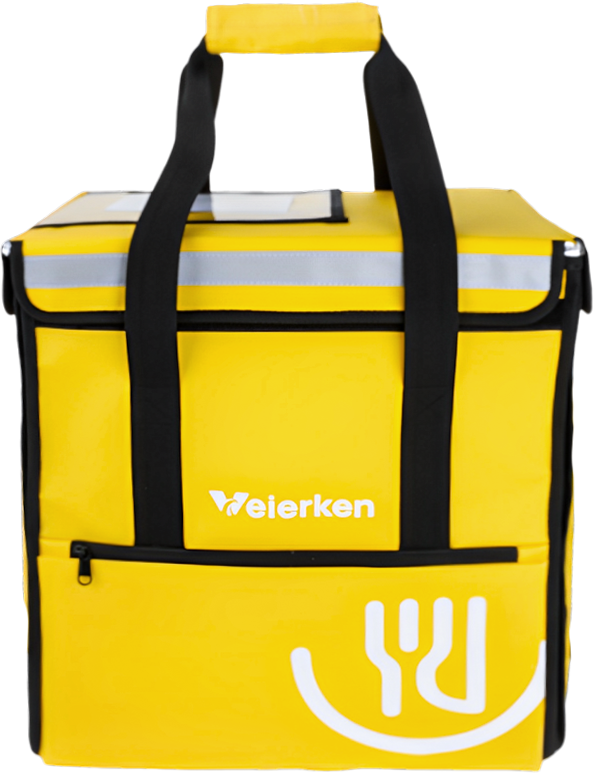
I. Insulated Dairy Delivery Bag Fabricators
Core Value and Function
Insulated bags maintain a constant low temperature (usually 0-4°C) through heat-resistant materials. They prevent dairy products from spoiling during the delivery journey. A high-quality dairy delivery bag fabricator focuses on thermal integrity.
Applicable Scenarios
- Long-distance delivery (over 2 hours).
- High-temperature summer environments (>25°C).
- Temperature-sensitive premium products like fresh milk, Greek yogurt, and soft cheeses.
- Cold chain logistics providers and fresh food e-commerce platforms.
Core Capabilities of the Manufacturer
A professional dairy delivery bag fabricator must master specific technical areas:
- Insulation Material Technology: Expertise in selecting PE cotton, EVA, VIP vacuum insulation panels, and Phase Change Materials (PCM).
- Sealing Processes: Use of high-frequency welding, seamless pressing, and waterproof zippers. These ensure cold air stays inside while preventing condensation from leaking.
- Food-Grade Liners: Liners must meet FDA, LFGB, or GB 4806 standards. They should resist oil, withstand low temperatures, and remain easy to clean.
- Structural Design: Capability to develop features like detachable ice pack compartments, temperature recorder slots, and multi-zone temperature designs.
OEM/ODM Customization
- OEM Mode: The dairy delivery bag fabricator uses standard styles but adjusts insulation levels based on your delivery time requirements. You choose the colors and add your logo.
- ODM Mode: For unique scenarios like tropical regions or cross-city logistics, the manufacturer develops a custom thermal structure. They optimize the thickness and distribution of the insulation layer.
Advantages:
These bags guarantee product quality and reduce spoilage risks. They extend your delivery radius and support business expansion. They also build a professional brand image.
Cost Considerations:
The unit price is higher (usually 2-5 times that of non-insulated bags). Minimum order quantities (MOQ) are often higher, ranging from 300 to 1,000 pieces. They also require regular maintenance, such as pre-cooling ice packs and thorough cleaning.
II. Non-Insulated Dairy Delivery Bag Fabricators
Core Value and Function
Non-insulated bags provide basic containment and protection. They are inexpensive and suit short-distance or ambient-temperature delivery.
Applicable Scenarios
- Short-distance delivery (within 30 minutes).
- Cold weather environments (winter).
- Shelf-stable products like UHT sterilized milk or room-temperature yogurt.
- In-store pickup, community distribution, or as an inner layer for a larger insulated container.
Core Capabilities of the Manufacturer
A non-insulated dairy delivery bag fabricator focuses on efficiency and durability:
- Basic Material Selection: Use of polyester, Oxford cloth, or non-woven fabrics. These are cost-effective and lightweight.
- Standard Sewing Processes: Regular stitching without the need for specialized thermal sealing.
- Printing Capabilities: Support for simple logo printing and various color customizations.
- Low-Cost Production: High-efficiency assembly lines that minimize material waste.
OEM/ODM Customization
- OEM Mode: Rapid response to requests for specific colors, sizes, and logos. This suits large-scale, standardized orders.
- ODM Mode: Design a unique exterior for brand identity. The dairy delivery bag fabricator develops simple, practical shapes that meet daily operational needs.
Advantages:
The unit price is low, keeping procurement costs controllable. MOQs are flexible, often as low as 100 pieces. Production cycles are short, allowing for fast delivery.
Cost Considerations:
The lack of insulation makes these bags unsuitable for temperature-sensitive products. Your delivery radius stays limited. These bags offer less brand prestige compared to high-tech thermal solutions.
III. How to Choose? Key Decision Factors
When vetting a dairy delivery bag fabricator, evaluate your business against these six factors:
1. Delivery Duration
If your delivery takes more than 2 hours, you must use an insulated bag. If you complete deliveries within 30 minutes, a non-insulated bag usually suffices.
2. Ambient Temperature
In summer or high-heat regions, insulation is a necessity. In freezing winters, a non-insulated bag might be enough to prevent the milk from freezing or getting too warm during the brief transfer.
3. Product Type
Freshness is the priority for raw milk and yogurt. These require thermal protection. UHT milk and ambient-temperature snacks do not need the extra cost of insulation.
4. Business Model
Cold chain logistics and e-commerce platforms should partner with an insulated dairy delivery bag fabricator. Community group buying or local store pickups can opt for non-insulated versions.
5. Brand Positioning
If you want to project a premium, professional cold-chain image, insulated bags reinforce that value. For budget-friendly, daily-use brands, non-insulated bags are the practical choice.
6. Budget and MOQ
Insulated bags require more upfront capital and higher order volumes. Non-insulated bags allow for lower initial investment and more flexible inventory management.
At Weierken, we help clients analyze these data points before production begins. This ensures you don’t overspend on technology you don’t need or compromise quality where it matters most.
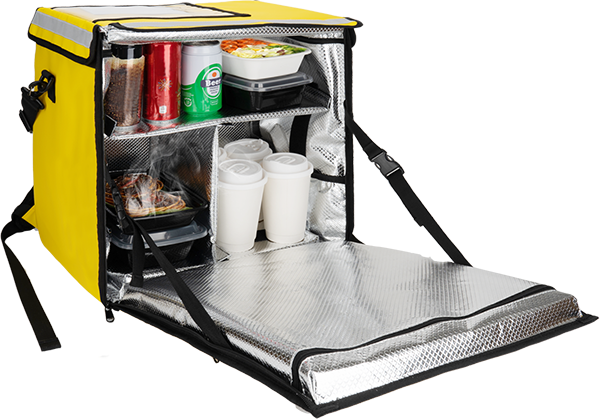
IV. Hybrid Strategy: Combining Both Types
Many dairy enterprises adopt a hybrid approach. They use different bags for different logistics layers.
- Dual-Bag Structure: Use a non-insulated outer bag with a removable insulated liner. This provides flexibility for different weather conditions or product mixes.
- Seasonal Switching: Use insulated bags during the summer and switch to non-insulated bags in the winter to optimize costs.
- Tiered Delivery: Use insulated bags for the core fresh products and non-insulated bags for promotional gifts or shelf-stable items.
- Unified Supplier Management: Source both types from the same dairy delivery bag fabricator. This ensures consistent branding and simplifies your supply chain. Look for a manufacturer capable of producing both to keep your brand colors and quality standards identical across the board.
V. Actionable Advice for B2B Clients
If you are currently looking for a dairy delivery bag fabricator, follow these steps:
- Define Your Scene: Map out your average delivery time, local temperature peaks, and the specific sensitivity of your dairy products.
- Evaluate the Cost-Benefit: Calculate the cost of an insulated bag versus the potential loss from spoiled products or customer complaints.
- Request Samples for Testing: Ask your dairy delivery bag fabricator for samples. Conduct a real-world test. Place a thermometer inside the bag and monitor the temperature over several hours of delivery.
- Check Compliance: Ensure the manufacturer provides certifications for food-grade materials.
- Look for Multi-Capable Partners: Choose a fabricator like Weierken that handles both insulated and non-insulated designs. This allows you to scale and adapt as your business grows.
A reliable dairy delivery bag fabricator acts as a partner in your growth. They don’t just sell bags; they provide solutions to logistics challenges.
Frequently Asked Questions
1. Can a dairy delivery bag fabricator customize the interior layout?
Yes. Professional manufacturers can add adjustable dividers, mesh pockets for ice packs, or specific holders for different bottle sizes. This prevents the bottles from clumping together and breaking.
2. How long can an insulated dairy bag keep milk at 4°C?
Depending on the materials and the use of ice packs, a high-quality bag can maintain the desired temperature for 4 to 12 hours. The external temperature and the frequency of opening the bag also affect this duration.
3. Are the liners of these bags easy to sanitize?
Most bags from a reputable dairy delivery bag fabricator use PVC or PEVA liners. These materials are waterproof and wipeable. For dairy products, it is vital to use liners that do not harbor bacteria or odors.
4. What is the typical lifespan of a professional delivery bag?
A well-constructed insulated bag used daily should last 6 to 12 months. Non-insulated bags made of high-denier Oxford cloth can last even longer if they are not subjected to heavy weight or sharp objects.
5. Does the color of the bag affect insulation?
Light colors reflect sunlight, which can slightly help in maintaining internal temperatures during outdoor use. However, the quality of the internal insulation layer is much more important than the external color.
6. Can I get a sample before placing a bulk order?
Most experienced fabricators provide samples. At Weierken, we encourage sampling to ensure the bag fits your specific bottles and meets your thermal requirements.
Selecting the right dairy delivery bag fabricator is a strategic move for any dairy business. Whether you need the high-tech thermal protection of an insulated bag or the cost-effective simplicity of a non-insulated carrier, the goal remains the same: getting your product to the consumer in perfect condition.
Weierken offers the expertise to manufacture both types, ensuring your brand stays consistent while your operational needs are met.
Looking for a reliable dairy delivery bag fabricator?
Contact us today to discuss your delivery requirements. Our team can provide custom quotes, material samples, and design consultations to help you find the perfect bag for your business.
[Inquire Now for a Custom Solution]