


The bike delivery bag is the most critical piece of equipment for food delivery platforms, grocery e-commerce, and restaurant chains. It handles the “last mile,” which is often the most grueling part of the logistics chain. This bag must keep food hot, stabilize heavy loads on bumpy roads, and withstand rain while keeping the rider safe.
Finding a professional bike delivery bag fabricator who understands these specific stresses is difficult. Many factories make generic backpacks, but few specialize in the engineering required for high-frequency delivery. Companies like weierken have spent years refining these designs to meet professional standards. If you are looking for an OEM partner, follow these five practical steps to ensure your brand gets a product that performs.
Step 1: Define Your Product Specs and Use Case
Before you start contacting a bike delivery bag fabricator, you must define exactly what the bag needs to do. A “one size fits all” approach usually leads to failure in the field. Your technical specification document is the foundation of your OEM partnership.
Identify the Delivery Scenario
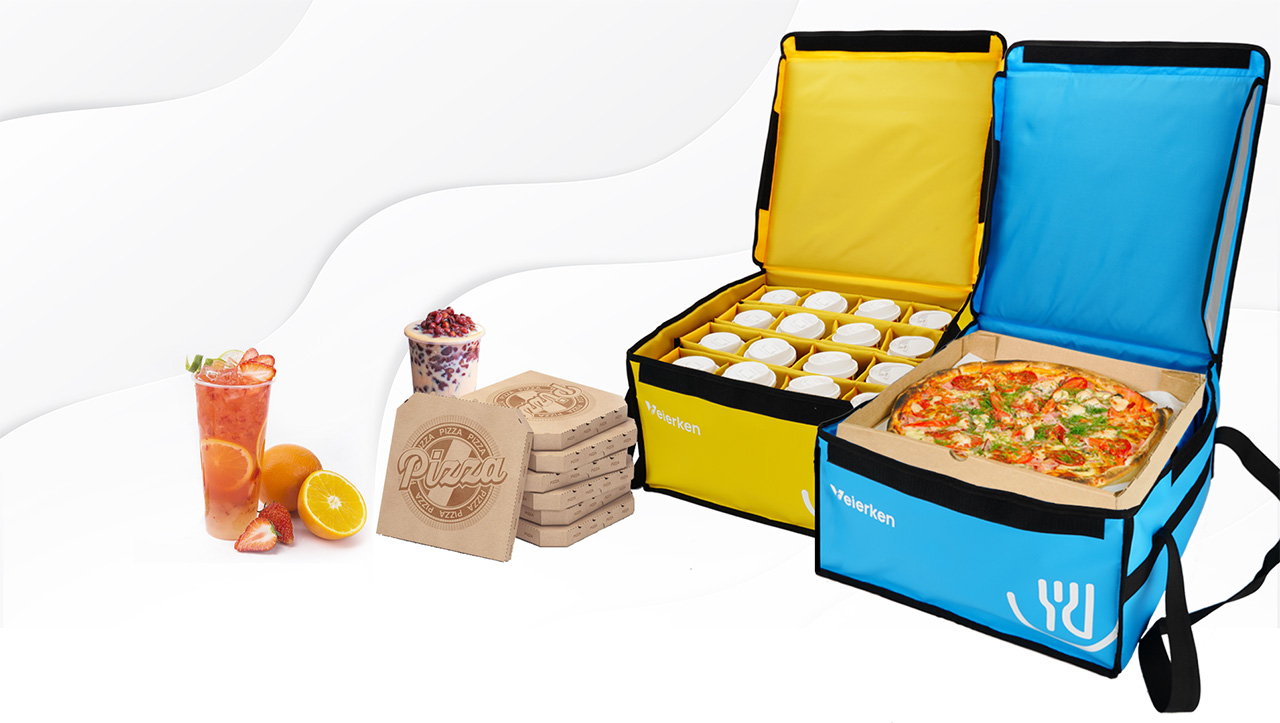
Different goods require different environments. Are you delivering hot pizza, frozen groceries, or fragile medicines?
- Food Delivery: Focuses on heat retention and moisture control to prevent sogginess.
- Cold Chain: Requires heavy insulation like EPP or VIP panels to maintain temperatures between 0-4°C for hours.
- Courier/Retail: Prioritizes volume and ease of access for high-frequency stops.
Choose the Mounting Method
The bag must integrate with the vehicle. Work with your bike delivery bag fabricator to decide if the bag will be:
- Rear Rack Mounted: Best for heavy loads and stability.
- Backpack Style: Offers flexibility for riders who must enter buildings.
- Handlebar or Frame Mounted: Good for small, quick-access items.
Establish Insulation and Structure
The internal structure dictates the bag’s lifespan. You should choose between soft-sided bags, semi-rigid shells, or full hard-shell boxes. For high-end OEM projects, specify the insulation material. PU foam offers great thermal properties, while EPP is lightweight and shock-resistant. This level of detail helps a thermal delivery bag manufacturer provide an accurate quote.
Step 2: Evaluate the Fabricator’s Experience and Niche
Not all bag factories are created equal. A factory that makes school backpacks might lack the machinery for heavy-duty insulated delivery bag production. You need to find a partner whose portfolio matches your specific category.
Look for Proven Track Records
Ask the bike delivery bag fabricator for case studies. Have they worked with major delivery platforms? Do they understand the wear and tear of a 10-hour shift? A manufacturer like weierken understands that a delivery bag is a tool, not just a container.
Check Their Material Resource Network
A specialized bike delivery bag fabricator should have established relationships with specific suppliers. They need high-tenacity fabrics (like 1680D nylon or 500D PVC tarpaulin), food-grade linings, and high-performance insulation. If the factory struggles to source waterproof zippers or reflective materials, they are not the right partner for a professional project.
Verify Technical Equipment
Professional bag construction requires more than just sewing machines. Ask if they have:
- High-Frequency Welding Machines: Essential for 100% waterproof seams.
- Heat Sealing Equipment: For creating airtight thermal barriers.
- Computerized Pattern Cutters: To ensure consistency across thousands of units.
- Injection Molding Capability: If your design requires hard plastic bases or frames.
Step 3: Audit Craftsmanship and Quality Control Standards
The environment for a delivery bag is harsh. It faces UV exposure, heavy rain, and constant mechanical stress. A minor flaw in the manufacturing process can lead to a collapsed bag or a broken strap within weeks. Your bike delivery bag fabricator must have a rigorous QC process.
Critical Control Points for Delivery Bags
When auditing a factory, focus on these specific areas:
- Insulation Uniformity: Ensure the foam density is consistent throughout the panels to prevent thermal leaks.
- Load-Bearing Reinforcement: Check the “Bartack” stitching on handles and shoulder straps. These areas take the most force.
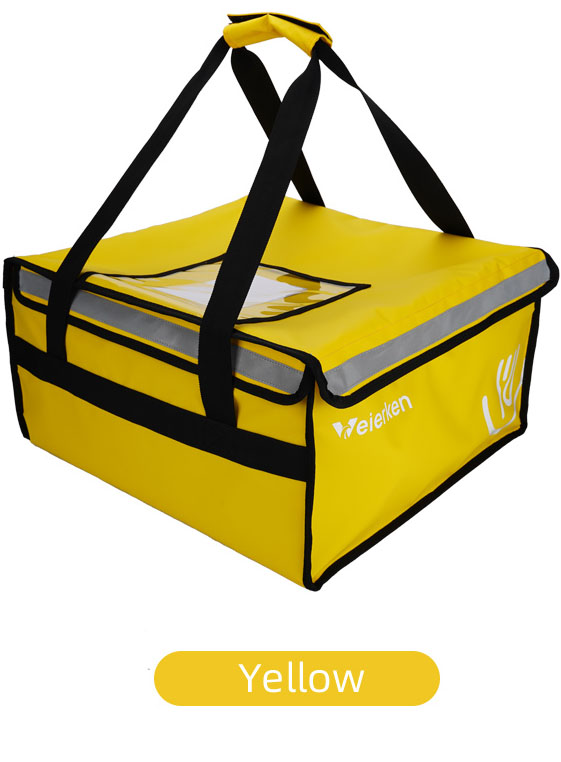
- Waterproof Integrity: For outdoor use, sewing holes are a liability. A premium bike delivery bag fabricator will use heat-welded seams or waterproof tape on the interior.
- Reflective Visibility: Safety is paramount for riders. The reflective strips must meet EN20471 standards and remain attached even after multiple washes.
Request Material Certifications
Don’t take their word for it. Request test reports for fabric abrasion resistance, colorfastness, and thermal conductivity. A reliable delivery bag OEM partner will provide these documents readily. They should also provide REACH or RoHS certifications if the bags are being exported to the EU or North America.
Step 4: Implement Dynamic Testing and Prototyping
A bag might look good on a desk, but it can fail on a bike. You must move beyond static inspection. Every successful project with a bike delivery bag fabricator involves a rigorous prototyping phase.
Thermal Performance Testing
Put a data logger inside the bag. Place the bag in a climate-controlled chamber or a hot car. Measure how long it takes for the internal temperature to drop. If your goal is to keep food at 65°C for 30 minutes, the bag must exceed that in testing.
The Real-World “Ride Test”
This is where weierken and other industry leaders shine. You must mount the sample bag on a bicycle and ride it.
- Vibration Test: Ride over cobblestones or speed bumps with a full load (e.g., 10kg). Does the bag sway? Do the straps loosen?
- Quick-Release Test: Simulate a rider’s day. Attach and detach the bag 50 to 100 times. Check for wear on the buckles and Velcro.
- The Rain Simulation: Use a high-pressure hose to simulate a rainstorm. Check the interior corners for any dampness.
Feedback Loop
Use the results of these tests to refine the design. A professional bike delivery bag fabricator will welcome this feedback. They should be able to suggest structural changes, such as adding a PE board for better rigidity or changing the strap angle for better weight distribution.
Step 5: Finalize OEM Terms and Delivery Standards
Once the sample is approved, the business side of the partnership begins. The contract with your bike delivery bag fabricator should leave no room for ambiguity.
Define Intellectual Property and Tooling
If you paid for custom molds or specific design work, the contract must state that you own the IP. This prevents the manufacturer from selling your unique design to competitors. Ensure that the custom delivery bag production agreement includes a confidentiality clause.
Establish Clear Acceptance Criteria
Use the AQL (Acceptable Quality Level) standard. For example:
- Critical Defects: 0% (e.g., broken buckles, failed insulation).
- Major Defects: 1.5% (e.g., crooked logos, minor stitching issues).
- Minor Defects: 4.0% (e.g., loose threads).
Plan for Scalability and Support
Logistics is a seasonal business. Your bike delivery bag fabricator needs to handle surges in demand. Discuss lead times for re-orders and the warranty period. A standard professional warranty for a delivery bag should be at least 6 to 12 months under normal usage conditions.
For long-term success, consider a phased approach. Start with a smaller “pilot” order of 200-500 units. This allows you to gather feedback from actual riders before committing to a massive production run. Manufacturers like weierken often assist clients in scaling from small batches to full-scale international distribution.
Frequently Asked Questions (FAQ)
1. What is the typical MOQ when working with a bike delivery bag fabricator?
Most professional fabricators require a Minimum Order Quantity (MOQ) of 300 to 500 units per design. This is because specialized materials like custom-colored PVC or specific grades of insulation foam have their own high MOQs from the raw material suppliers. Smaller batches may be possible but often come at a significantly higher unit price.
2. How long does the OEM process take from design to delivery?
The timeline usually spans 8 to 12 weeks. This includes 2 weeks for design and material sourcing, 2-3 weeks for prototyping and revisions, and 4-6 weeks for mass production. Shipping time depends on the destination and method (sea freight vs. air freight).
3. Can a bike delivery bag fabricator help with the design, or do I need my own blueprints?
Many top-tier manufacturers offer both OEM (Original Equipment Manufacturer) and ODM (Original Design Manufacturer) services. If you have a concept but no technical drawings, an ODM-capable bike delivery bag fabricator can create the structural designs for you based on your requirements.
4. What are the most durable materials for a delivery bag?
For the exterior, 500D or 1000D PVC tarpaulin is highly recommended due to its waterproof nature and ease of cleaning. For the interior, heat-reflecting aluminum foil combined with EPP (Expanded Polypropylene) or rigid honeycomb boards provides the best balance of weight and insulation.
5. How do I ensure the bag stays hygienic?
Hygiene is a major concern for food delivery. Your bike delivery bag fabricator should use “easy-wipe” interior linings. Look for materials that are antibacterial and can withstand daily cleaning with sanitizing sprays without degrading. Removable interior dividers also make deep cleaning much easier.
6. Why is the bag’s weight so important?
A heavy bag increases rider fatigue and reduces the battery range of e-bikes. A specialized bike delivery bag fabricator focuses on “strength-to-weight ratio.” They use lightweight materials like corrugated PP boards instead of heavy wood or thick plastic where possible, ensuring the bag remains upright without adding unnecessary bulk.
Work with a Professional Partner
Sourcing the right equipment for your delivery fleet is a high-stakes decision. A poorly made bag doesn’t just cost you money; it ruins the customer experience and hurts your brand’s reputation. By following these steps, you can find a bike delivery bag fabricator that delivers quality and consistency.
weierken specializes in high-performance delivery solutions tailored to your brand’s specific needs. Whether you need advanced thermal retention or rugged outdoor durability, we have the expertise to bring your project to life.
Ready to start your OEM project?
[Contact our team today for a detailed consultation and quote.]


