


Beach sports and coastal leisure activities place unique demands on gear. Unlike a standard gym bag, a beach bag must survive constant exposure to abrasive sand, corrosive saltwater, and intense ultraviolet radiation. For an importer, selecting a factory that lacks experience in these specific conditions often leads to high return rates and damaged brand reputations.
A professional beach sport bag fabricator understands that “lifestyle” bags and “performance coastal” bags are fundamentally different. The design logic must prioritize easy cleaning, rapid drying, and corrosion resistance. Brands like weierken have built their reputation by strictly adhering to these technical requirements, ensuring that products remain functional even after a full season at the shore.
If you are looking to source high-quality coastal gear, use these six core quality standards to vet your next beach sport bag fabricator.
1. Corrosion-Resistant Hardware and Accessories
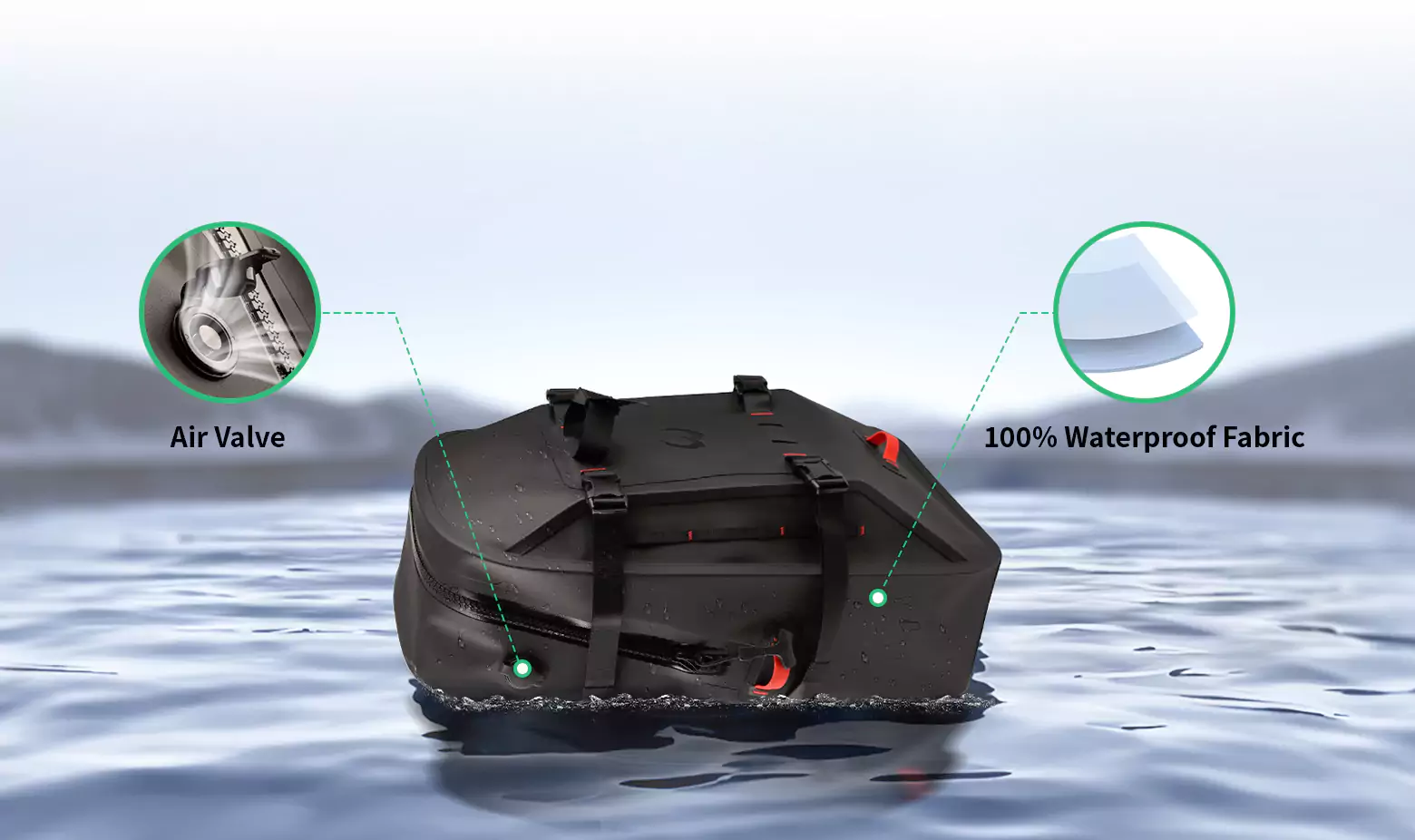
Saltwater is the primary enemy of metal components. In a coastal environment, standard nickel-plated zippers or iron rivets will show signs of “red rust” within days. A reliable beach sport bag fabricator must be disciplined in their choice of accessories.
Zipper and Slider Selection
- Plastic or Resin Zippers: These are preferred because they cannot rust. Large-tooth molded plastic zippers handle sand much better than fine-coil zippers.
- Anti-Corrosion Coatings: If metal sliders are used, they must feature electrophoretic coatings or be made of stainless steel.
- Sand-Guard Flaps: A smart beach bag manufacturer often includes a fabric welt over the zipper to prevent sand from clogging the teeth.
Buckles and Rivets
- POM (Polyoxymethylene) Buckles: These industrial-strength plastic buckles offer high rigidity and do not degrade in salty air.
- Non-Ferrous Rivets: Any metallic reinforcements, such as drainage eyelets, should be made of brass or stainless steel.
B2B Application Tip
Ask your beach sport bag fabricator for a salt spray test report (such as ASTM B117). A professional-grade component should withstand at least 48 hours of continuous salt fog without showing signs of corrosion or oxidation.
2. Sand-Proof and Easy-Clean Structural Design
The biggest frustration for beachgoers is bringing the beach home with them. Sand gets trapped in every corner and crevice. A skilled beach sport bag fabricator solves this problem through intelligent structural engineering rather than just aesthetic design.
Mesh Drainage Systems
- Honeycomb Mesh Bottoms: High-density mesh panels at the base of the bag allow sand to sift out naturally as the user walks.
- Perforated EVA Bases: Some premium designs use a molded EVA bottom with drainage holes, which provides structure while preventing water and sand accumulation.
Interior Linings and Geometry
- Seamless Interiors: Reducing the number of internal pockets and complex folds makes it easier for the user to wipe the bag clean.
- Waterproof Linings: Materials like PEVA or TPU-coated fabric allow the user to rinse the inside of the bag with a hose.
- Drainage Grommets: Strategically placed eyelets help excess water escape, preventing the bag from becoming a heavy, waterlogged mess.
B2B Application Tip
Request a “sand-shedding test” during the prototyping stage. Fill the sample bag with dry sand, shake it, and observe how much remains trapped in the seams. A well-designed bag from a custom sport bag manufacturer like weierken will clear 95% of loose sand with a single shake.
3. Weather Resistance and UV Protection Standards
Beach bags are often left in direct sunlight for hours. Without proper treatment, fabrics become brittle, and colors fade into a dull gray. Your beach sport bag fabricator must prove they use materials rated for high UV exposure.
UV-Stabilized Fabrics
- Anti-UV Additives: The base fabric (whether polyester or nylon) should be treated with UV stabilizers during the dyeing or coating process.
- ISO Testing: Fabrics should pass ISO 4892 standards, proving they can endure 300+ hours of artificial sunlight without structural degradation.
Colorfastness and Saltwater Resistance
- Light Fastness: Aim for a Grade 4 or higher on the Blue Wool Scale (ISO 105-B02). This ensures that vibrant neons or deep blues stay bright.
- Anti-Microbial Treatment: Because these bags are often stored damp, the fabric should include anti-mold agents to prevent odors and black spots.
B2B Application Tip
Ask for the technical data sheet of the raw fabric. Ensure it specifies “UV-stabilized” rather than just “water-resistant.” If the beach sport bag fabricator cannot provide this, they may be using standard indoor-grade fabrics.
4. Craftsmanship Details and Structural Strength
Sea salt and moisture can weaken traditional threads. Cotton-based threads will rot quickly in damp, salty conditions. Therefore, the assembly process is just as important as the material selection when vetting a beach sport bag fabricator.
Sewing and Threading Requirements
- Polyester or Bonded Nylon Thread: These synthetic threads resist UV and moisture. They maintain their tensile strength even when wet.
- Reinforced Stress Points: Carrying heavy towels, water bottles, and gear puts stress on the handles. Professional fabricators use “bartack” stitching at every connection point.
- Triple Backstitching: At the beginning and end of every seam, a triple backstitch prevents the bag from unravelling under load.
Edge Finishing and Abrasion Resistance
- Heat-Sealed Edges: For thermoplastic materials, heat-welding the edges provides a 100% waterproof seal and prevents fraying.
- Reinforced Bottoms: The bottom of the bag touches sand, shells, and concrete. A high-quality beach sport bag fabricator will use a double-layered base or a rugged, abrasion-resistant TPU skin.
B2B Application Tip
Perform a load-bearing test on your samples. Fill the bag to 1.5 times its rated capacity and perform a “jerk test” by lifting it rapidly 50 times. Check for any stitch elongation or fabric tearing at the handle roots.
5. Functional Testing and Physical Validation
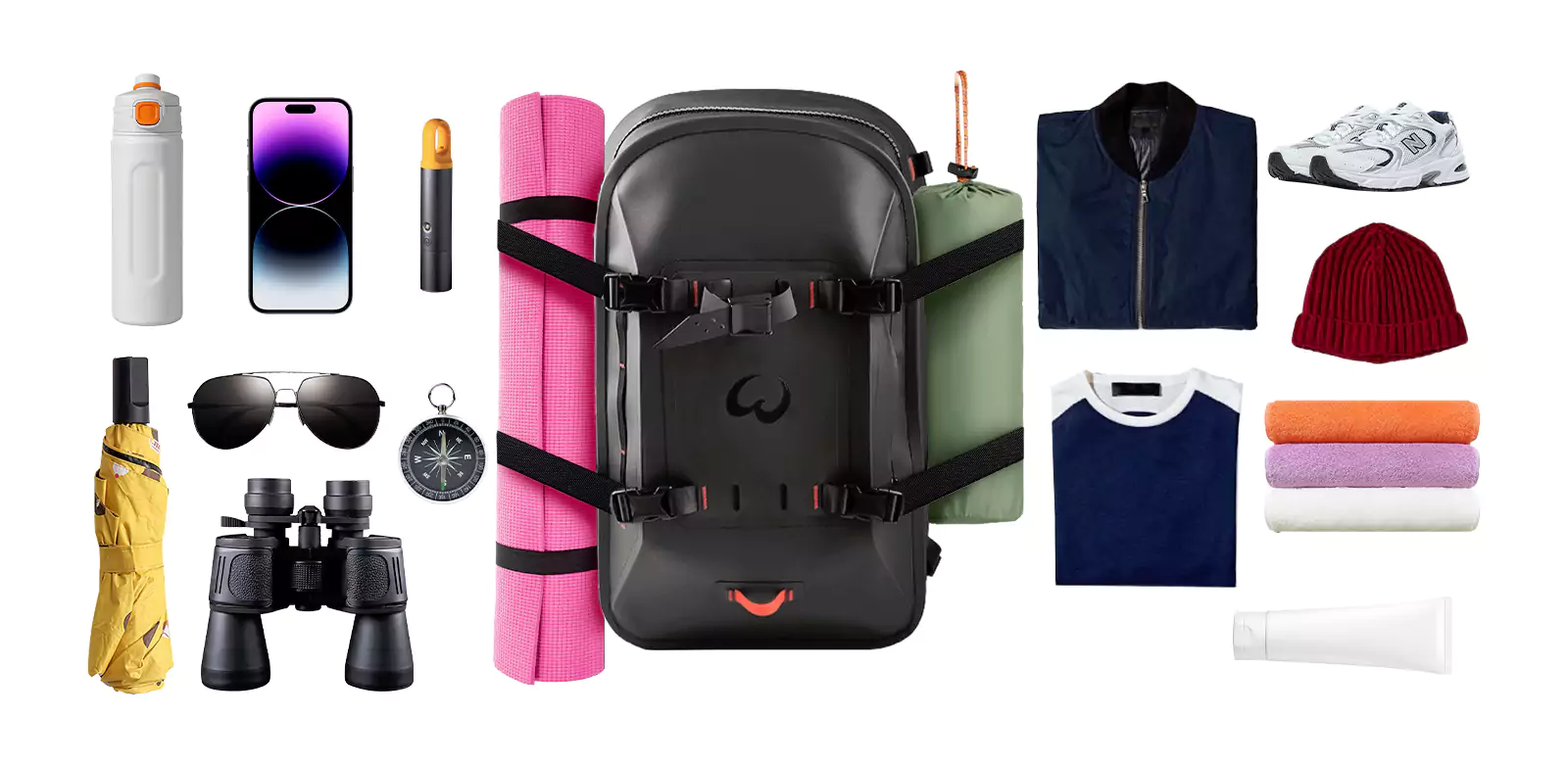
Importers should never rely on photos alone. A professional beach sport bag fabricator will have an internal laboratory or partner with third-party testers to validate every claim. Before moving to mass production, establish a testing protocol.
Essential Test List
- Salt Spray Test (48-72 hours): For all zippers, buckles, and metal eyelets.
- UV Accelerated Aging: To verify that the fabric won’t crack or fade prematurely.
- Weight Loading and Drop Test: To ensure the straps won’t fail when the bag is stuffed with heavy gear.
- Zipper Cycle Test: Opening and closing the bag 1,000 times to ensure smooth operation even after exposure to sand.
Real-World Simulations
We recommend a “soak and dry” cycle. Submerge the bag in saltwater, let it dry in the sun, and repeat this five times. If the fabric becomes stiff, or if a white salty residue remains that cannot be easily wiped off, the material choice is incorrect. Manufacturers like weierken conduct these rigorous checks to ensure their OEM products thrive in coastal retail markets.
B2B Application Tip
Include these testing requirements in your Quality Agreement. A reputable beach sport bag fabricator will sign off on these standards as part of the production contract.
6. Social Responsibility and Factory Compliance
For importers targeting Europe or North America, factory compliance is a mandatory requirement. Your beach sport bag fabricator must operate ethically and sustainably. This protects your brand from supply chain scandals and ensures consistent quality.
Certifications to Check
- BSCI or SEDEX/SMETA: These audits prove the factory follows fair labor practices, pays legal wages, and maintains a safe working environment.
- REACH and SVHC Compliance: Ensure that all plasticizers (like phthalates) and dyes are non-toxic and meet stringent chemical safety laws.
- ISO 9001: This certification indicates the factory has a documented quality management system in place.
Environmental Stewardship
The beach sports community is highly sensitive to ocean health. Working with a beach sport bag fabricator that offers recycled materials (like GRS-certified recycled ocean plastic) can be a massive selling point for your brand. Check if the factory has proper wastewater treatment protocols for their printing and coating departments.
B2B Application Tip
Request a copy of the factory’s latest BSCI audit report. Check the “validity date” and the “overall rating.” A factory with a “C” rating or higher is generally acceptable, but look for a manufacturer that proactively improves their score each year.
Frequently Asked Questions (FAQ)
1. What is the best material for a beach sport bag?
TPU-coated nylon and PVC mesh are the gold standards. TPU is more environmentally friendly and remains flexible in various temperatures, while PVC mesh is incredibly durable and allows for maximum airflow to prevent mold.
2. How does a beach sport bag fabricator handle MOQs for custom designs?
Typically, a specialized beach sport bag fabricator requires a Minimum Order Quantity (MOQ) of 500 to 1,000 pieces. This is because specialized waterproof fabrics and UV-treated materials must be ordered in large rolls from the textile mills.
3. Can I get a sample before committing to a full order?
Yes. Any professional fabricator will provide a pre-production sample. This usually takes 7 to 14 days. You should use this sample to conduct the salt spray and load tests mentioned above.
4. Are “sand-proof” and “sand-resistant” the same thing?
Not quite. Sand-proof usually refers to a material that sand cannot penetrate (like a solid TPU sheet). Sand-resistant often refers to the bag’s ability to shed sand easily (like a mesh-bottom design). Most beach sport bags are a combination of both.
5. Why are specialized beach bags more expensive than standard totes?
The cost comes from the technical treatments. UV stabilizers, anti-mold agents, and salt-resistant hardware all add to the raw material cost. However, this investment drastically reduces the rate of customer complaints and returns.
6. Do these bags require a rain cover?
Generally, no. Most beach bags are designed to be water-resistant or waterproof. A professional beach sport bag fabricator designs the product to be rinsed directly with water, making a rain cover unnecessary.
Partner with a Proven Manufacturer
Vetting a beach sport bag fabricator requires a balance of technical auditing and functional testing. By focusing on salt-resistant components, sand-shedding structures, and UV durability, you ensure your product survives the harsh coastal environment. High-quality manufacturing is the foundation of long-term brand loyalty in the outdoor sports industry.
weierken provides comprehensive OEM and ODM solutions for the beach and water sports market. Our expertise in technical fabrics and durable construction ensures your products meet the highest international standards.
Ready to develop your next coastal collection?
[Inquire now to receive a technical consultation and quote for your custom beach sport bag project.]


