


“Tear proof” is not just a clever marketing phrase. It represents a strict technical standard supported by fabric structure, sewing technology, stress design, and rigorous testing metrics. When you source products as a B2B buyer, you cannot rely solely on how a sample feels in your hands. You must ask the right questions.
Working with an experienced tear proof bag factory like weierken ensures your products withstand harsh real-world conditions. High-quality manufacturing protects your brand reputation and prevents costly product returns. This guide outlines the five critical questions you need to ask a tear proof bag factory to quickly determine if they deserve your trust and your bulk orders.
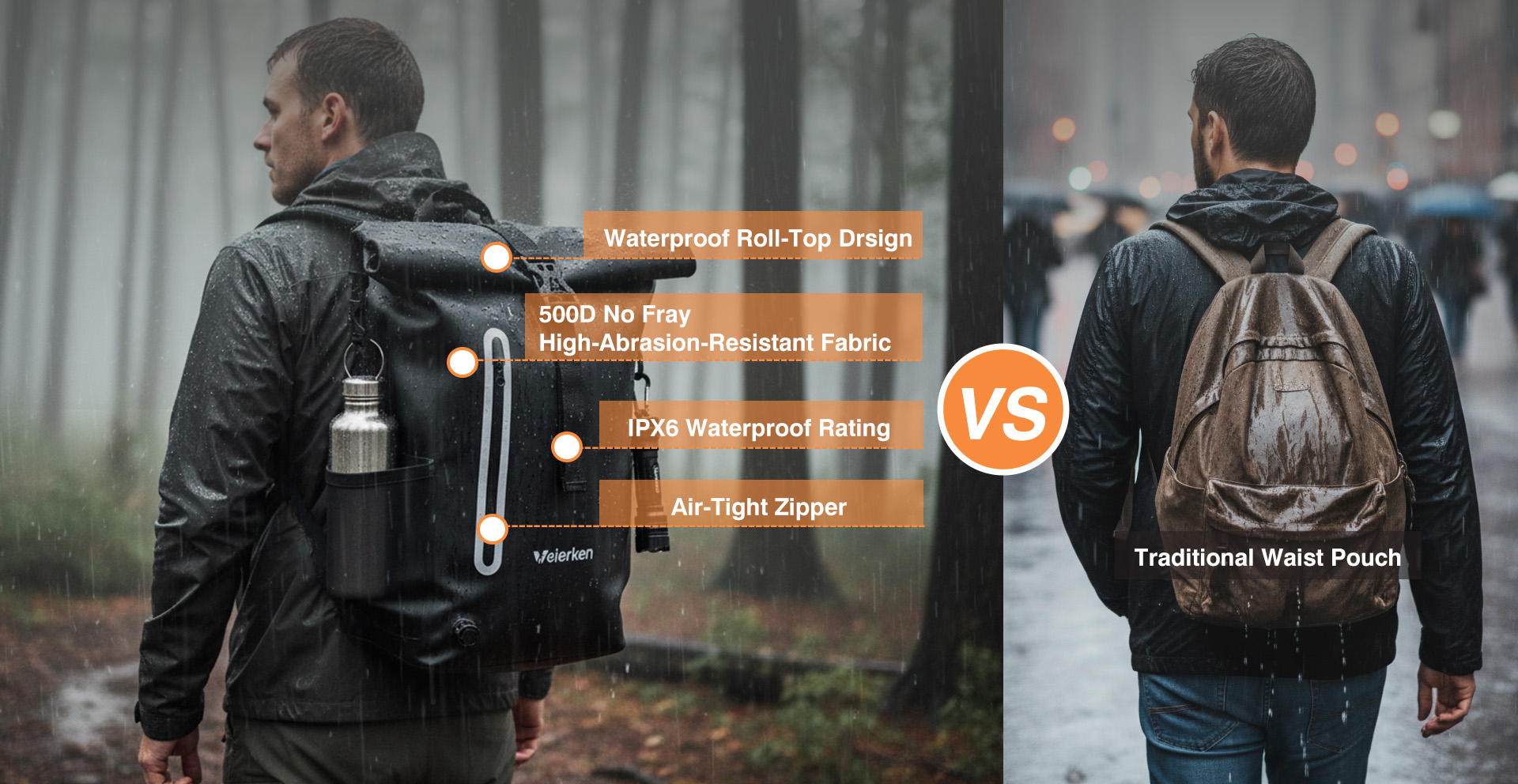
Question 1: What fabric structure do you use to achieve tear resistance?
A reliable tear proof bag factory knows that fabric choice forms the foundation of durability. Regular fabrics fail because once a small tear starts, the hole expands rapidly under tension. True tear-resistant materials feature a built-in mechanism to stop the rip from spreading.
Why Fabric Structure Matters
Standard polyester or nylon weaves lack structural breakpoints. When sharp objects pierce them, the surrounding fibers give way immediately. A professional tear proof bag factory engineers fabrics specifically to halt this catastrophic failure. They rely on specialized weaving techniques and advanced yarn materials to localize the damage.
Key Points to Investigate
When interviewing a tear proof bag factory, ask for specific material data. Do not accept vague answers about the fabric being “very strong.”
- Do they use genuine Ripstop fabric? Ask for the denier count of the grid yarn (e.g., 70D × 200D) and the grid density per square inch.
- Do they incorporate high-tenacity nylon materials like Cordura® or Robic®?
- Do they use Ultra-High Molecular Weight Polyethylene (UHMWPE) composite fabrics like Dyneema® for extreme requirements?
- Can they provide a third-party tear strength test report based on ASTM D2261 or ISO 13937 standards? The values should reach at least 35N in the warp direction and 30N in the weft direction.
What to Expect from the Factory
A competent tear proof bag factory will immediately present their fabric specification sheets. They should provide physical property charts from accredited third-party labs. If they hesitate or offer excuses instead of data, you should look for another supplier.
Question 2: How do you prevent tearing at the seams and needle holes?
Even if the fabric itself resists tearing, the seams remain vulnerable. Needle holes act as stress concentration points. Without proper engineering, these holes become the exact starting points for massive tears.
The Importance of Seam Engineering
A skilled tear proof bag factory treats every seam as a potential weak link. The sewing process naturally cuts or displaces fabric fibers. Therefore, the factory must compensate for this structural weakness through advanced stitching techniques and reinforcement materials.
Key Points to Investigate
Ask the tear proof bag factory to detail their seam construction methods. You need to know exactly how they handle high-stress areas.
- Do they use Heavy-duty stitching methods like double-needle chain stitches or zigzag stitches at critical stress points? Pay attention to shoulder strap connections, handle bases, and bottom corners.
- Do they apply tear-resistant seam tape or hot-melt polyurethane film over the needle holes for added reinforcement?
- What specific thread type do they use? They should recommend high-strength bonded nylon thread, typically size 210D/3 or thicker, for industrial applications.
What to Expect from the Factory
The tear proof bag factory should gladly show you cross-sectional samples of their seams. They might even share videos demonstrating their internal reinforcement processes. A transparent factory takes pride in its hidden construction details.
Question 3: What finished product tests do you perform for tear resistance?
Fabric data does not always equal finished product performance. The manufacturing and sewing process inherently weakens the original fabric strength. A premier tear proof bag factory like weierken understands that comprehensive finished goods testing is non-negotiable.
Why Finished Product Testing is Crucial
A bag acts as a dynamic system. When a user loads it with heavy gear and walks, the stress distribution shifts constantly. A quality tear proof bag factory measures how the entire assembled product handles these dynamic forces, rather than just testing a flat piece of fabric.
Key Points to Investigate
Challenge the tear proof bag factory on their internal quality control lab capabilities. Request documentation of their specific testing protocols.
- Do they conduct a rigorous Tensile strength test on the finished bag? They should use standard methods to pull apart key areas like side pockets and zipper ends to record the exact tearing force.
- How do they verify the overall Load-bearing capacity? They should fill the bag to its rated weight and place it on a vibration table for 20,000 cycles to simulate rough transport.
- Do they perform localized pull tests? They should apply 150kg of force to handles and webbing loops for 10 seconds, ensuring no seams stretch and no fabric tears.
- Do they test for Puncture resistance to ensure sharp tools inside the bag do not pierce through the bottom panel?
What to Expect from the Factory
The tear proof bag factory must provide recent testing reports for similar product types. They should also supply video records of their dynamic load and vibration tests. Real data proves their engineering capabilities.
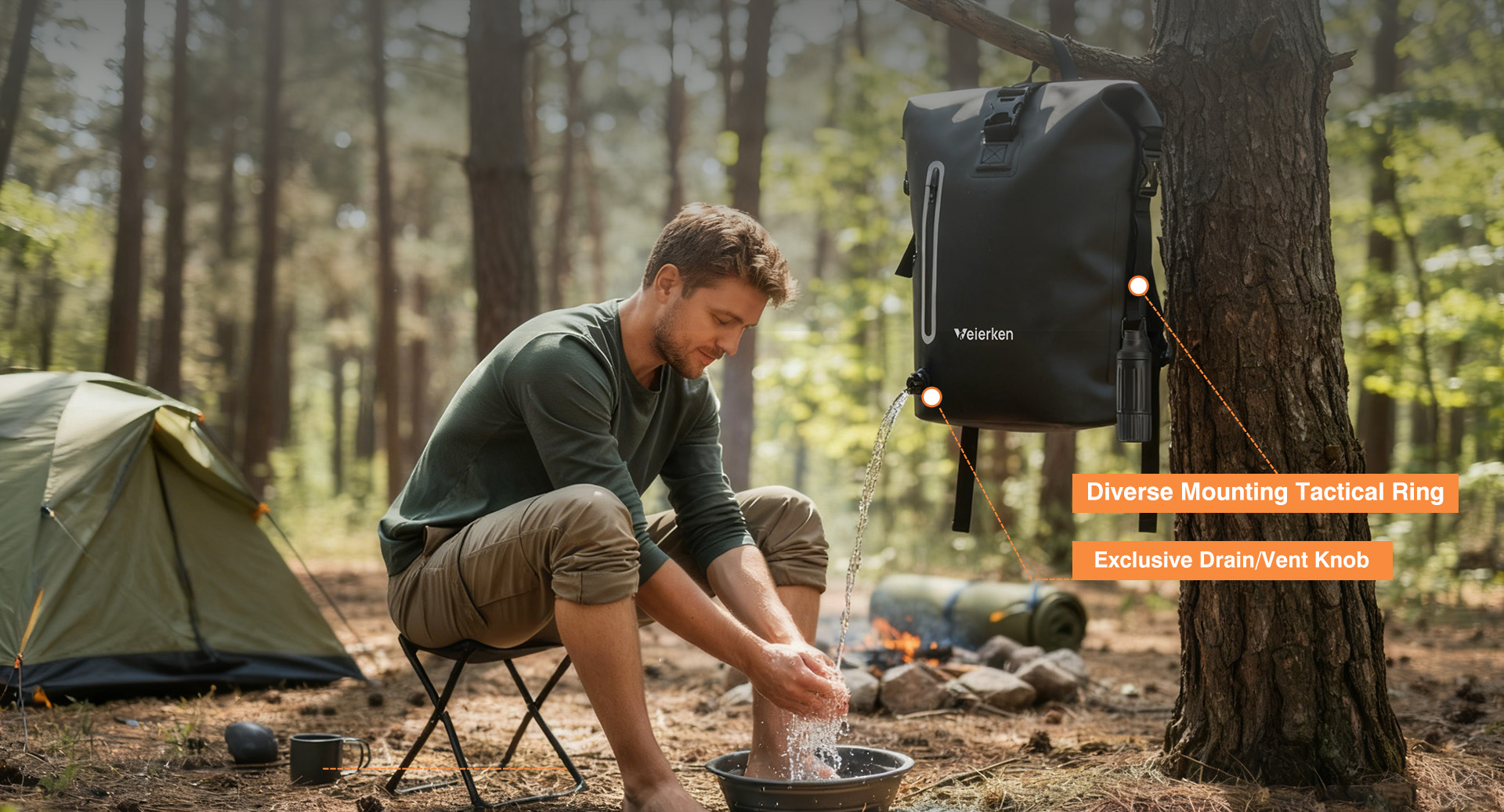
Question 4: What are your sewing process parameters?
Many buyers ignore sewing parameters, leaving them entirely up to the factory. However, an elite tear proof bag factory meticulously controls stitch density and thread tension. These tiny variables make a massive difference in product longevity.
The Science of Sewing Parameters
If the stitch density is too tight, the needles excessively destroy the fabric fibers, creating a perforated line that tears easily. If the stitches are too loose, the seam lacks the necessary strength to hold the panels together. Furthermore, uneven thread tension causes the seams to wrinkle or loosen over time.
Key Points to Investigate
Ask the tear proof bag factory for their standard operating procedures regarding sewing machines.
- What is their standard stitch density for tear-resistant areas? For thick materials, they should maintain 6 to 8 stitches per inch (2.5 to 3 stitches per cm). Thin materials require 8 to 10 stitches per inch.
- Do they use ball point needles instead of sharp cutting needles? Ball point needles push fabric fibers apart rather than slicing through them, preserving fabric integrity.
- How often does the factory calibrate thread tension on their production lines? Daily or weekly calibration is essential for consistent quality.
What to Expect from the Factory
A professional tear proof bag factory will display parameter record sheets directly on their production lines. They will confidently allow you, or your third-party inspector, to randomly check stitch density on the assembly line.
Question 5: How do you handle after-sales service if tearing occurs?
Even the best manufacturing processes occasionally yield defects. A commitment to tear resistance must come with clear after-sales responsibilities. A trustworthy tear proof bag factory stands behind its production with concrete guarantees.
Why Warranty and Liability Matter
When you sell a heavy-duty product, your customers expect it to last. If a bag fails on a job site, your brand takes the hit. You need a tear proof bag factory that shares this financial and reputational risk with you.
Key Points to Investigate
Do not wait until a disaster happens to negotiate warranty terms. Secure these agreements before you pay the deposit to the tear proof bag factory.
- Do they provide batch strength inspection reports based on strict AQL standards? Look for factories operating at a 2.5/4.0 AQL level.
- If non-artificial tearing occurs within 3 to 6 months of delivery, what is their policy? Ask if they support patch repairs, price compensation, or full batch returns.
- Does the tear proof bag factory carry product liability insurance? Ask them to provide their insurance certificates to prove their financial stability.
What to Expect from the Factory
The factory should willingly write these after-sales terms directly into your purchasing contract. They must also define a clear response time, such as providing a formal resolution plan within 48 hours of a reported defect.
Manufacturing a truly indestructible bag requires a systematic engineering approach. It involves careful fabric selection, precise seam design, strict stitch control, and punishing physical tests. By taking these five questions into your supplier meetings, you can easily separate a professional tear proof bag factory from a small workshop shouting empty slogans.
Never settle for a supplier who cannot provide hard data on tear strength. Partnering with a dedicated manufacturer like weierken ensures your products deliver on their heavy-duty promises. Choose a tear proof bag factory that values engineering as much as you value your brand.
Frequently Asked Questions (FAQs)
1. How long does a tear proof bag factory take to provide testing reports?
A well-equipped tear proof bag factory with an in-house lab can usually generate basic physical testing reports within 3 to 5 working days. If they need to send the materials to a third-party laboratory like SGS or Intertek for certified reports, expect a turnaround time of 7 to 14 days.
2. What makes Ripstop fabric different from regular nylon?
Ripstop fabric features a special reinforcing technique where thicker, high-strength yarns are woven into a crosshatch pattern at regular intervals. If the fabric gets punctured, the tear stops as soon as it reaches one of these thicker grid lines. Regular nylon lacks this grid, allowing tears to run the entire length of the material.
3. Can a tear proof bag factory achieve high Puncture resistance too?
Yes, but tear resistance and Puncture resistance require slightly different engineering. While ripstop grids stop tears, preventing punctures often requires adding high-density internal linings or utilizing composite materials like TPU-coated fabrics. A professional factory will layer materials to achieve both metrics simultaneously.
4. What is the standard MOQ for a specialized tear proof bag factory?
Because specialized fabrics and high-strength threads require custom batch ordering, the Minimum Order Quantity (MOQ) is often higher than standard promotional bags. Expect a standard MOQ of 500 to 1,000 pieces per color. However, factories may negotiate lower MOQs for initial trial orders.
5. Why does needle type matter in a tear proof bag factory?
Standard sharp needles slice through fabric yarns to create a hole, permanently weakening the material structure. A specialized tear proof bag factory often uses ball point needles. These needles gently push the woven fibers apart to let the thread pass through, maintaining the original tensile strength of the fabric.
Secure Your Heavy-Duty Supply Chain Today
Choosing the right tear proof bag factory dictates the quality of your product and the health of your B2B business. Do not leave your manufacturing process to chance. Ensure your custom bags meet the highest global standards for durability and performance.
Are you ready to build a better, stronger product? Send us your technical specifications today. Inquiry now to request a detailed quote and start your custom sampling process!


