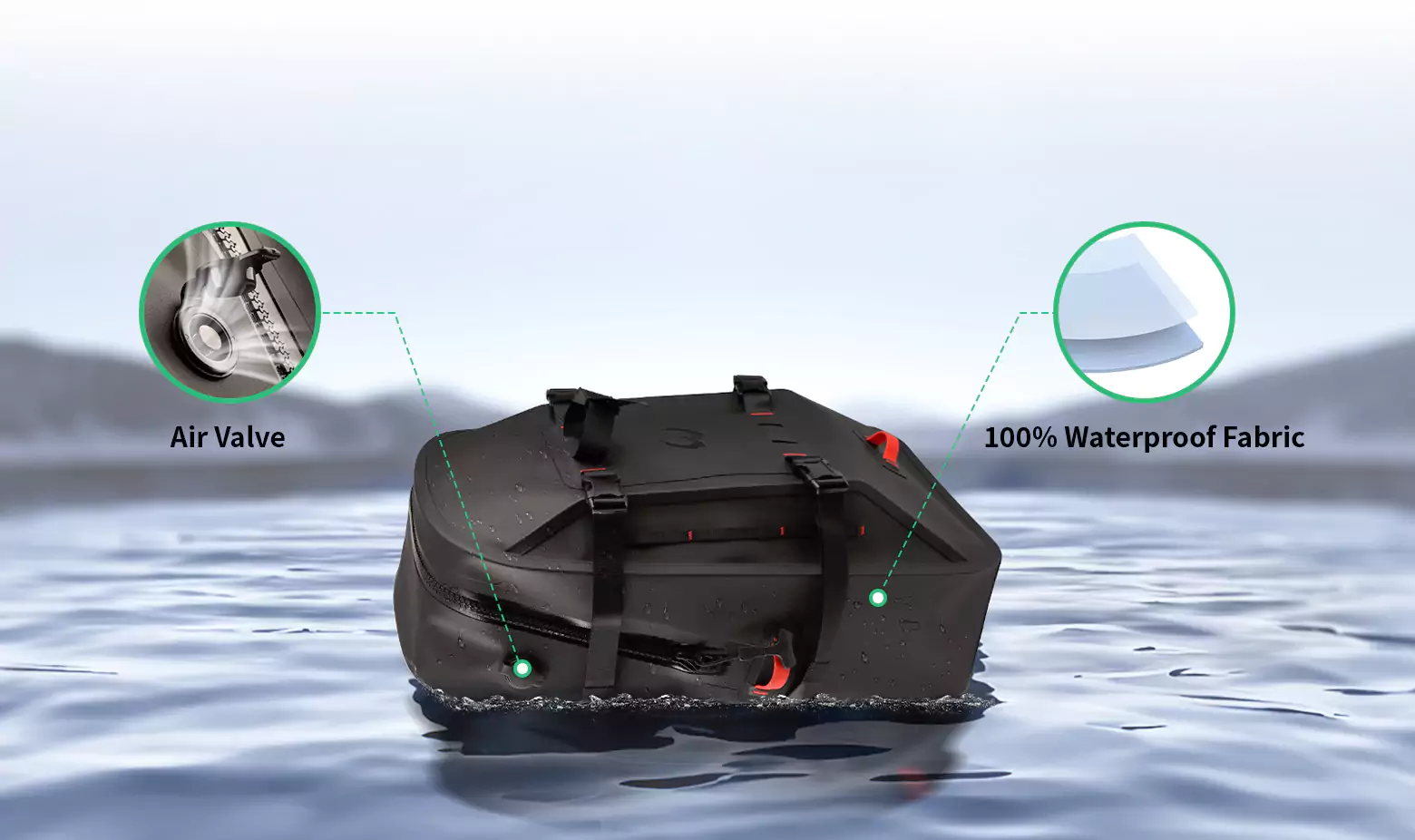
Imagine this: after months of perfecting your latest line of rugged, waterproof motorcycle bags, you’ve signed with a new distributor. The initial excitement fades as reports trickle in. Stock isn’t reaching key retailers. Marketing materials are non-existent. Communication is slow. Suddenly, your great product is stuck in a warehouse, not on riders’ bikes. This scenario is a costly reality for many brands that skip a structured vetting process.
Choosing the right motorcycle bag distributor isn’t about finding any partner; it’s about finding the strategic partner that acts as a true extension of your brand in the market. A haphazard selection can stall growth, damage brand reputation, and tie up capital. For companies like Weierken, which prides itself on durable innovation, the distributor is the critical link to the rider.
This guide provides a five-step, systematic evaluation framework to help motorcycle gear manufacturers, brands, and procurement teams make informed, confident decisions.
Step 1: Define Your Partnership Needs and Goals
Before you even look at a potential partner’s website, look inward. Clarity here prevents wasted time and mismatched expectations.
Pinpoint Your Non-Negotiables
Start by asking strategic questions. What markets are you targeting? Urban commuter hubs or long-distance touring regions? Are you aiming for volume sales or premium brand positioning? Your answers define your ideal motorcycle bag distributor profile.
Break Down Key Dimensions
Consider these core areas:
- Brand Alignment: Does your brand’s ethos (e.g., adventure-focused, luxury, tactical) require a distributor with a complementary portfolio and customer base?
- Product Line Scope: Are you looking to place a full range or just a specific, high-end line? This affects the distributor’s required capacity and focus.
- Geographic Territory: Be specific. Do you need nationwide coverage or a powerhouse in a particular region? A distributor strong in the Southeast may lack networks in the Pacific Northwest.
- Sales & Growth Targets: Set clear, measurable objectives for year one and beyond. This becomes the benchmark for performance reviews.
For instance, Weierken might prioritize distributors with deep connections to adventure touring dealerships and the ability to articulate technical features like advanced load-balancing systems.
Step 2: Assess Distributor Credentials and Core Resources
Now, begin your external search. This step is about validating basic operational strength and market standing.
Check Foundational Business Health
Verify business registration, years in operation, and financial stability. A long track record often indicates resilience and established relationships.
Evaluate Physical and Operational Capabilities
- Warehousing & Logistics: Do they have modern, secure warehouse space? What is their order fulfillment accuracy and speed? Can they handle your expected volume spikes?
- Sales Force & Coverage: How large is their field sales team? How often do they visit key retailers? A strong team on the ground is invaluable.
- After-Sales Service: Do they have a process for handling defective returns, warranty claims, and parts replacement? This directly impacts end-customer satisfaction and your brand’s reputation.
Gauge Market Reputation
Seek unbiased references. Talk to their current brand partners and, if possible, some of their retail customers. Online forums and industry networks can reveal insights about their professionalism and reliability.
Step 3: Analyze Product Fit and Supply Chain Resilience
A distributor’s existing portfolio and operational backbone can be a double-edged sword. Scrutinize both.
Review Brand Portfolio Synergy
Examine their current brand lineup. Are your products complementary, filling a gap they have? Or are you directly competing with another brand they carry? The latter can lead to conflicts of interest and divided attention. Ideally, you want a motorcycle bag distributor who sees your line as a strategic addition, not just another SKU.
Probe Supply Chain Stability
Recent global events have highlighted supply chain fragility. Ask pointed questions:
- What are their lead times for restocking inventory?
- Do they have contingency plans for logistics disruptions?
- How much safety stock do they typically hold for key brands?
A distributor with robust, diversified logistics partners and smart inventory planning, like those Weierken seeks, minimizes your risk of stock-outs.
Step 4: Scrutinize Commercial Terms and Financial Practices
The partnership’s financial framework must be transparent, fair, and sustainable for both parties.
Understand the Full Commercial Picture
- Pricing & Margin Structure: Clearly understand markup expectations, MAP (Minimum Advertised Price) policy adherence, and potential volume-based incentives.
- Payment Terms: Net 30, Net 60, or upfront payments? Terms significantly affect your cash flow.
- Marketing Commitment: Will they co-invest in local advertising, demo days, or trade show appearances? Get specific commitments.
- Return & Warranty Policies: Have clear, written agreements on handling defective goods, end-of-season returns, and warranty administration.
Assess Transparency and Communication
Is the proposed agreement clear and comprehensive? Ambiguity breeds conflict. A trustworthy distributor will have no issue providing a detailed standard agreement for review.
Step 5: Validate Through Reality Check and Gauge Long-Term Potential
The final step moves from paper evaluation to real-world validation. It’s about testing the relationship before fully committing.
Conduct a Field Test
If possible, visit their headquarters and primary warehouse. A physical visit reveals much about their organization, professionalism, and scale. Alternatively, start with a sample or pilot order. This tests their entire process—from order placement and communication to shipping accuracy and timeliness.
Evaluate Intangibles for Partnership Chemistry
Observe their team’s responsiveness, problem-solving approach, and product knowledge. Do they ask insightful questions about your brand? Do they show genuine enthusiasm for your products?
Discuss Future Vision
Explore their growth strategy. Are they investing in new technologies, sales training, or market expansion? A distributor with a forward-thinking mindset, aligned with Weierken’s own growth trajectory, is a partner for building future market share, not just moving current inventory.
Selecting a motorcycle bag distributor is a strategic investment, not a simple procurement task. Rushing this decision can undo years of product development and marketing effort. By following this systematic five-step process—from rigorous internal goal-setting to real-world validation—you move beyond guesswork.
You build a partnership on a foundation of shared objectives, proven capability, and mutual growth potential. This disciplined approach is what enables brands to ensure their products not only reach the market but thrive within it, carried by a distributor that is as committed to quality and service as they are.
Frequently Asked Questions (FAQ)
Q1: What’s the biggest red flag when evaluating a potential motorcycle bag distributor?
A1: A lack of transparency or vagueness in their answers. This applies to their current financial health, detailed customer lists, specific sales territory data, or clear contract terms. If they are hesitant to provide verifiable references or a standard partnership agreement early in discussions, it often signals potential problems down the line.
Q2: How important is it if a distributor already carries a competing motorcycle bag brand?
A2: It can be a major concern. Unless they have a dedicated, separate sales team for each brand, there is a high risk of conflict of interest. Your products may not get promoted equally, and sensitive pricing or marketing information could be at risk. It’s generally safer to choose a distributor where your line is a complementary, strategic focus rather than a direct competitor.
Q3: Should we always prioritize the largest motorcycle bag distributor in the region?
A3: Not necessarily. The largest distributor may have the broadest reach, but your brand could become a small fish in a big pond, receiving less attention and support. A mid-sized, highly focused distributor with an exceptional network in your target niche (e.g., off-road, touring, or urban commuter) may drive far better results and provide more dedicated partnership energy.
Q4: What are key questions to ask a distributor’s current brand partners?
A4: Go beyond simple “are they good?” questions. Ask: “How do they handle slow-moving inventory?” “What is their communication style during a supply chain crisis?” “Have they met the agreed-upon marketing commitments?” “Would you renew your contract with them?” The answers provide deep, operational insights.
Q5: How can we mitigate risk with a new motorcycle bag distributor?
A5: Start with a limited-territory or limited-product-line agreement. Implement a well-defined pilot program with clear KPIs (key performance indicators) for the first 6-12 months. This allows both parties to test the relationship, performance, and market fit before committing to a full-scale, long-term national agreement. Always ensure your contractual exit clauses are clear and fair.