


Imagine the scene: A meticulously aged wheel of Camembert leaves a facility in perfect condition. It travels hundreds of miles, only to arrive at the retailer’s doorstep sweating, texture-compromised, and ultimately unsellable. In the high-stakes world of artisanal dairy, the difference between a premium product and a total loss often comes down to the packaging that surrounds it during transit.
As we look toward 2026, the logistics of cold chain delivery are becoming increasingly complex. It is no longer enough to simply throw an ice pack into a foil-lined tote. B2B buyers are now demanding sophisticated thermal engineering, and regulators are tightening the noose on material safety. Consequently, when you request a quote from a cheese thermal bag distributor, the numbers you see are influenced by factors far beyond the cost of nylon and stitching.
Finding a partner who understands the biological nuances of cheese—like Weierken, a brand that has spent years refining insulation solutions—is crucial. But to negotiate effectively, you need to understand the cost structure. Whether you are a dairy producer, a gourmet subscription box service, or a high-end grocer, here is a deep dive into the three major factors that will shape pricing in the coming years.

1. Material Technology and Precision Temperature Control Performance
The first and most significant driver of cost is the level of thermal precision required. Cheese is a “living” product. Unlike a soda can that just needs to stay “cold,” cheese requires a specific microclimate, usually between 2°C and 8°C. Deviating from this range can halt ripening or accelerate bacterial spoilage. Therefore, a professional cheese thermal bag distributor will scale their pricing based on the technical complexity of the insulation used.
Specialty Insulation Materials
In the past, basic EPE (Expanded Polyethylene) foam was the industry standard. It is cheap and effective for short trips. However, as transit times extend, the demand for high-performance materials grows.
- Phase Change Materials (PCM): To maintain that strict 2-8°C window, advanced distributors are incorporating PCM elements. These materials absorb or release thermal energy at specific temperatures to maintain stability. While highly effective, they are significantly more expensive than standard foam.
- Vacuum Insulation Panels (VIP): For long-haul transport, VIPs offer the highest thermal resistance per inch of thickness. They are rigid and costly to manufacture but save money on shipping volume.
- Aerogel Composites: Known as the world’s lightest solid, aerogel offers incredible insulation but comes with a premium price tag.
If your quote seems high, check if the distributor is using these advanced materials to guarantee a 48-hour or 72-hour cold life.
Food-Grade Safety Liners
The interior lining is the only barrier between the packaging and your edible product. By 2026, standards for what constitutes “food safe” will be higher. A reputable cheese thermal bag distributor must use liners that comply with FDA 21 CFR or EU Regulation EC 1935/2004.
However, for cheese, simple compliance isn’t enough. The liner needs to be anti-fungal to prevent mold transfer and easy to clean (wipe-down friendly). Materials that offer these specific properties—such as antimicrobial TPU (Thermoplastic Polyurethane) or high-grade PEVA—carry a significant premium over generic PVC, which is increasingly being phased out due to environmental concerns.
Humidity Management Design
This is the hidden cost that many buyers overlook. Cheese releases moisture. If a bag is perfectly sealed with no humidity control, condensation (sweating) occurs, ruining the rind and label.
- Breathable Membranes: Advanced bags may incorporate Tyvek or similar one-way breathable layers that allow moisture to escape without letting heat in.
- Humidity Regulators: Some designs include pockets for silica gel or organic fiber humidity packs.
Procurement Tip:
When negotiating with Weierken or any other supplier, be specific about your “Cold Chain Profile.” If you are shipping hard aged cheddar for 2 hours, you do not need VIP insulation. If you are shipping soft brie for 48 hours, paying extra for humidity control and PCM is an investment, not a cost. Avoid paying for over-engineering, but do not under-spec for delicate products.
2. Compliance Certifications and Regional Standard Upgrades
The second major factor influencing your quote is the invisible cost of compliance. The regulatory landscape for 2026 is shifting rapidly. Governments worldwide are cracking down on single-use plastics and “forever chemicals.” A forward-thinking cheese thermal bag distributor has to invest heavily to stay ahead of these laws, and those R&D and certification costs are amortized into the product price.
The 2026 Regulatory Outlook
We are entering an era of strict chemical scrutiny.
- PFAS Restrictions: Many US states and European countries are implementing bans on Per- and Polyfluoroalkyl Substances (PFAS), which were historically used for water resistance in textiles. Developing PFAS-free water-repellent coatings that are still durable requires expensive testing and new raw material sourcing.
- EU Circular Economy: New directives may require packaging to be not just recyclable, but made from a percentage of recycled content (PCR). Sourcing high-quality, food-safe recycled plastics is currently more expensive than virgin plastic due to supply constraints.
If a quote looks “too good to be true,” ask yourself: Is this supplier cutting corners on chemical safety? Buying non-compliant bags could result in your products being seized at customs or recalled from shelves.
Full Chain Traceability Systems
Premium cheese brands are built on trust. Consumers want to know where the milk came from; now, they also want to know the safety of the packaging.
High-end distributors are beginning to invest in blockchain or IoT (Internet of Things) tracking for their supply chains. This allows them to prove that the bag materials were sourced ethically and contain no banned substances. This “Compliance Assurance” often appears in the pricing as a service fee or a higher unit cost, but it provides the documentation you need for your own audits.
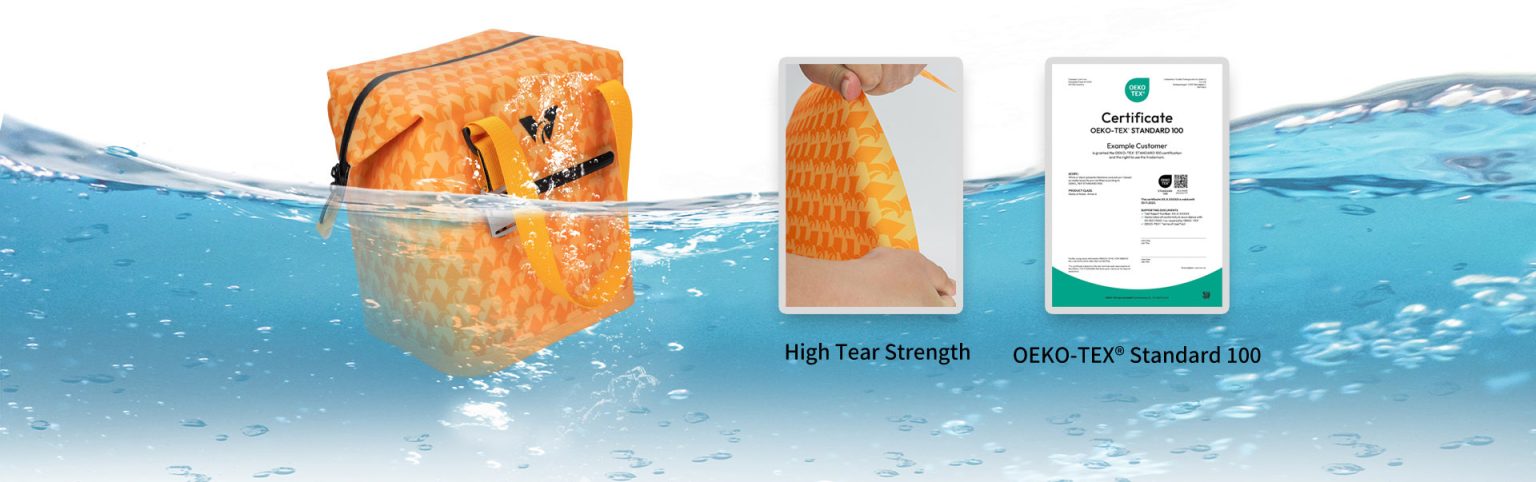
Environmental Standards and Eco-Certifications
Greenwashing is no longer tolerated. If you request “eco-friendly” bags, a verified cheese thermal bag distributor will offer materials certified by authorities like TÜV Austria (OK compost INDUSTRIAL) or GRS (Global Recycled Standard).
- Compostable Materials: PLA (Polylactic Acid) or corn-starch-based insulation is significantly more expensive to process than petroleum-based foam.
- Certification Costs: Maintaining these valid certificates costs the factory thousands of dollars annually per material type.
Procurement Tip:
Do your homework on the 2025-2026 regulations in your target market. When sending an inquiry, explicitly ask the distributor to itemize the certifications included in the price. Ask them for their “Compliance Roadmap” to ensure they won’t be regulated out of existence next year.
3. Customization Depth and Supply Chain Response Models
The final factor is how much “service” is wrapped into the product. Are you buying a stock bag off the shelf, or are you buying a bespoke brand experience delivered Just-In-Time? The strategic relationship you build with your cheese thermal bag distributor dictates the pricing structure.
Functional Customization (ODM)
Cheese comes in difficult shapes—heavy wheels, delicate wedges, and brittle blocks. A standard square cooler bag often leaves too much empty air space (which kills thermal efficiency) or crushes the product.
- Structural Engineering: ODM (Original Design Manufacturing) involves creating custom molds or sewing patterns. For example, a bag designed specifically for a 5kg cheese wheel with reinforced sidewalls to prevent collapsing.
- Premium Add-ons: For the holiday gift market, you might want internal partitions for a wine bottle, a slot for a cheese knife, or a bamboo cutting board divider.
- Integration costs: These custom elements require prototyping, mold fees, and longer sewing times, all of which increase the per-unit cost compared to a generic tote.
Smart Integration Trends
As we move into 2026, “Smart Packaging” is becoming a differentiator.
- Quality Monitoring: Integrating micro-temperature loggers or color-changing freshness indicators directly into the bag.
- Tech Costs: This involves sourcing electronic components and ensuring they function after the sewing process. A distributor offering this level of tech integration is essentially acting as an electronics assembler, and the price will reflect that value.
Supply Chain Models: Traditional vs. Agile
How you receive your goods affects the price as much as the goods themselves.
- Traditional Model: You order 10,000 bags, wait 45 days for production and 30 days for shipping. You handle the warehousing. This offers the lowest unit price.
- Agile Supply Chain: The distributor keeps stock of your branded bags in a regional warehouse (e.g., in Europe or the US) and ships to you in small batches (500 units) within 48 hours. This drastically reduces your inventory risk and cash flow pressure, but the unit price will be higher to cover their storage and management costs.
Procurement Tip:
Evaluate your product lifecycle. For your standard “House Cheddar” line, use the Traditional Model to maximize margin. For a limited-edition “Truffle Brie” holiday launch, discuss an ODM project or Agile delivery with a partner like Weierken. Mixing these models is often the smartest financial move.
As we approach 2026, sourcing thermal packaging is no longer a simple transactional purchase. It is a strategic decision that impacts product quality, legal safety, and brand perception. The pricing you receive from a cheese thermal bag distributor is a reflection of material science, regulatory assurance, and supply chain flexibility.
Cheap bags often come with hidden costs: spoiled product, failed audits, or damaged brand reputation. By understanding the three factors outlined above—Material Tech, Compliance, and Customization—you can have a more transparent and productive negotiation. You aren’t just paying for a bag; you are paying for the guarantee that your cheese arrives exactly as the cheesemaker intended.
At Weierken, we specialize in navigating these complexities. From high-tech PCM insulation to fully compliant, eco-friendly materials, we help global dairy brands protect their products and their bottom line.
If you are ready to prepare your supply chain for the future, we are here to assist.
Frequently Asked Questions (FAQ)
Q1: How do I verify if a cheese thermal bag distributor is actually capable of maintaining 2-8°C?
A1: You should request a “Thermal Chamber Test Report.” A professional distributor will have an internal lab or use a third party to simulate ambient temperatures (e.g., 30°C summer heat) and graph the internal temperature of the bag over time (24h, 48h). Do not rely on verbal guarantees; look at the data curves.
Q2: Does customizing the shape of the bag for cheese wheels significantly increase the cost?
A2: It depends on the volume. For small orders (under 500 pieces), the pattern-making and setup costs will make the unit price high. However, for orders over 1,000 or 2,000 pieces, the cost of customization becomes negligible per unit, and the benefits of better thermal fit (less air space) can actually save you money on ice packs.
Q3: What is the most eco-friendly material option for cheese thermal bags in 2026?
A3: The trend is moving toward “Mono-material” designs (e.g., all PP or all PE) which are easier to recycle than multi-layer composites. Alternatively, natural insulation fibers like recycled wool or hemp are gaining popularity for premium organic cheese brands, though they may have different thermal properties than foam.
Q4: Why are prices for “food-grade” liners higher?
A4: Food-grade materials (like PEVA or TPU) must undergo rigorous migration testing to ensure no chemicals transfer to the cheese. They are also manufactured in cleaner environments. Industrial-grade PVC is cheaper but often contains phthalates, which are increasingly banned in food contact applications.
Q5: What is the typical Lead Time for a custom ODM cheese bag order?
A5: Generally, the process takes 4-6 weeks for production after the sample is approved. However, if you require custom-dyed fabrics or specific lab-tested materials, allow for an extra 2-3 weeks. Shipping time must be added on top of this.
Is your cheese packaging ready for 2026 standards?
Don’t let spoilage or compliance issues cut into your profits. Contact our team today to discuss your specific temperature requirements and get a detailed, transparent quote.
[Click Here to Send an Inquiry]


