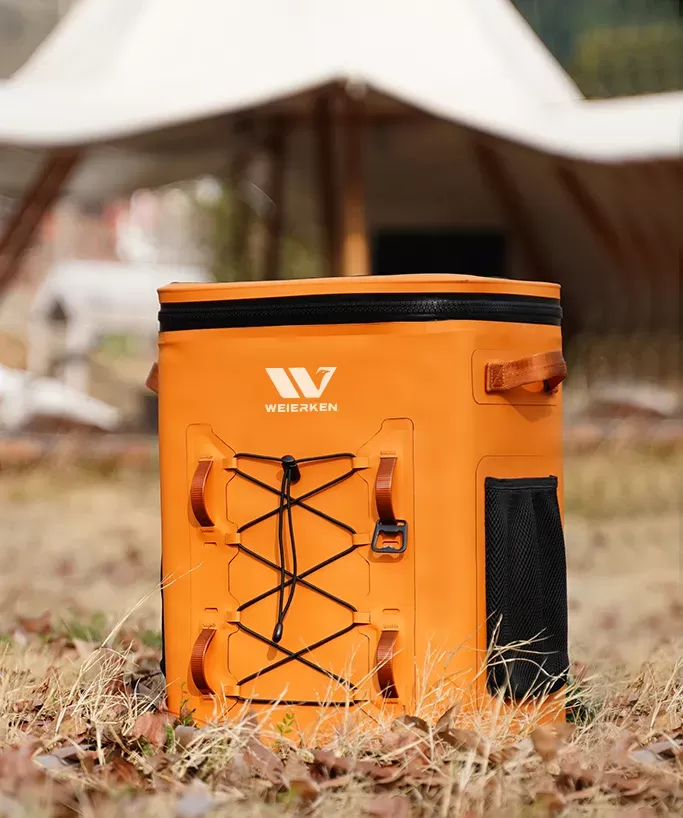

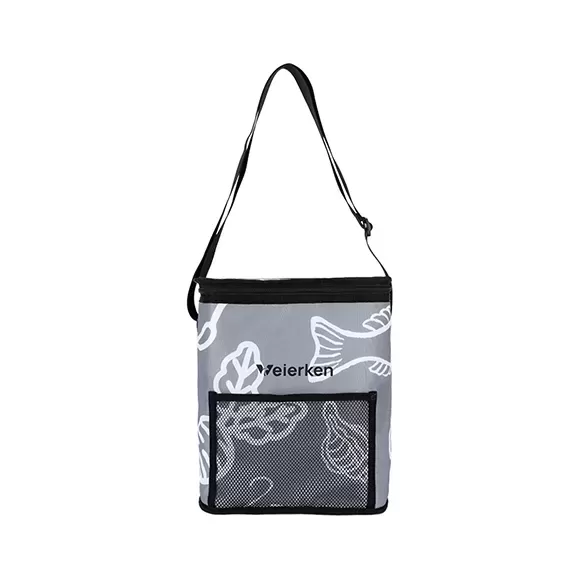
Bei der letzten Meile der Lebensmittelzustellung schädigt ein Verpackungsfehler direkt die Rentabilität. Ein defekter Reißverschluss, ein gerissener Schultergurt oder ein auftauender Eiscremebehälter verursacht einen sofortigen Verlust. Die tatsächlichen Kosten gehen über den Ersatz eines fünf Dollar teuren Lebensmittelartikels hinaus. Es führt zu Rückerstattungen von Liefer-Apps, Ausfallzeiten der Kuriere und abgewanderten Kunden, die das Vertrauen in die Integrität Ihrer Kühlkette verlieren.
Einkaufsleiter, Supply-Chain-Manager und 3PL-Führungskräfte stehen einem überfüllten Lieferantenmarkt gegenüber. Viele Schneid- und Nähwerkstätten werben als kommerzielle Kühlketten-Spezialisten. In der Praxis stellen sie billige Verbraucher-Kühler aus recycelten Schaumstoffresten, minderwertigen Fäden und giftigen PVC-Beschichtungen her, die nach drei Wochen Nutzung auf der Straße reißen.
Die Bewertung eines OEM für isolierte Lebensmittel-Liefertaschen erfordert konkrete technische Kriterien. Etablierte Hersteller wie Weierken konstruieren maßgeschneiderte Liefergeräte, die für kommerzielle Flotten gebaut sind. Dieser Leitfaden skizziert die fünf technischen Qualitätsstandards, die Ihr Einkaufsteam überprüfen muss, bevor es eine Bestellung für die Massenproduktion unterzeichnet.
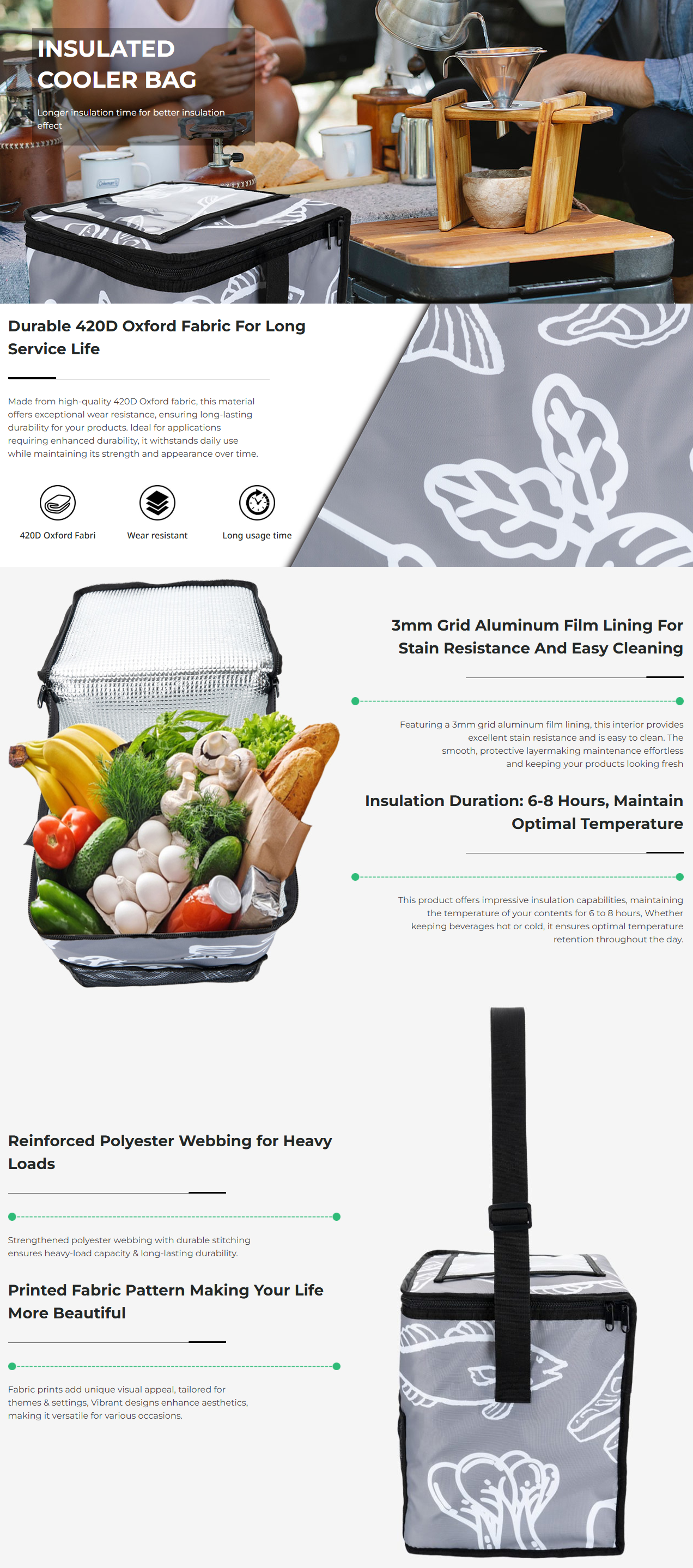
1. Thermische Retentionsengineering und zertifizierte thermische Profile
Ein zuverlässiger Hersteller von kommerziellen Lebensmittel-Thermotaschen weist generische, einlagige Aluminiumfolie und lose Füllungen zurück. Professionelle Lebensmittellieferungen erfordern präzise thermodynamische Kontrolle, um verderbliche Waren über Mehrfachlieferungsrouten bei Zieltemperaturen zu halten.
Eine Hochleistungs-Thermotüte verwendet eine verbundene Mehrschichtstruktur, die entwickelt wurde, um Strahlung, Wärmeleitung und Konvektion zu bekämpfen:
Äußere Wetterbarriere: Hochdichtes 900D bis 1680D Oxford- Polyester oder industriell beschichtetes TPU-laminiertes Planenmaterial, um Wind, Regen und UV-Abbau zu blockieren.
Thermischer Kern: 8 mm bis 15 mm geschlossenzelliger expandierter Polyethylen (EPE) oder hochdichter EVA-Schaum. Für den Tiefkühltransport beinhaltet das fortschrittliche Designs Vakuumisolationspaneele (VIP), um den thermischen Widerstand ohne übermäßiges Volumen zu maximieren.
Reflektierende innere Grenze: Aluminiumfolienverbundstoffe in schwerer Ausführung oder nahtlose silberbeschichtete TPU-Folien, die die strahlende Energie zurück in die Frachtzone reflektieren.
Fordern Sie dokumentierte Temperaturkurven von Ihrem OEM für isolierte Lebensmittellieferungstaschen an. In kontrollierten Testumgebungen mit 30 °C Umgebungstemperatur muss eine gekühlte Frachtzone Produkte zwischen 2 °C und 8 °C für 3 bis 5 Stunden halten. Mit Phasenwechsel-Gel-Packs oder Trockeneis muss ein gefrierender Bereich unter -18 °C für mindestens 2 bis 3 Stunden bleiben.
Überprüfen Sie während eines Werksaudits, ob der OEM eine kalibrierte Umwelttestkammer besitzt. Zuverlässige Lieferanten schätzen keine Haltezeiten. Sie verfolgen Temperaturverlaufskurven mit Hilfe von Mehrkanal-Datenloggern, um die Leistung unter realen Wetterbedingungen zu beweisen.
2. Nahtloses RF-Schweißen und zertifizierte Lebensmittelkontakt-Hygiene
Die Lebensmittelzustellung birgt echte betriebliche Gefahren: auslaufende Milchkartons, rissige Eierschalen, schmelzendes zerstoßenes Eis und auftauendes Meeresfrüchte-Salzlake. Wenn ein OEM Futter mit Standard-Nähstichen herstellt, dringt Flüssigkeit durch die Nadelöcher in den Isolationsschaum ein.
Eingeschlossene Feuchtigkeit im Isolationskern fördert Schimmel, gibt unangenehme Gerüche ab und zerstört den thermischen Widerstand. Einmal kontaminiert, können Kuriere die Tasche nicht desinfizieren, was die Logistikmanager zwingt, das Asset frühzeitig abzuschreiben.
Ein qualifizierter kundenspezifischer isolierter Lieferbeutel Anbieter verhindert dieses Versagen durch Radiofrequenz (RF) oder Ultraschall-Hochtemperatur-Schweißen. Dieser Herstellungsprozess verbindet Polymerplatten auf molekularer Ebene und bildet eine nahtlose, 100% wasserdichte Wannenverkleidung.
Keine Nähte unter Flüssigkeitslinien: Der untere Innenbereich der Wanne muss frei von mechanischen Nadelperforationen sein, um Flüssigkeitsverschüttungen vollständig zu enthalten.
Regulatorische Konformität: Verkleidungen müssen verifiziertes Laborprüfberichte tragen, die die Einhaltung der FDA 21 CFR 177, REACH oder LFGB Standards für direkten und indirekten Lebensmittelkontakt zeigen.
Hygiene und Reinigung: Materialien müssen tierischen Fetten, Milchsäure und standardmäßigen quartären Ammoniumdesinfektionssprays widerstehen. Kuriere sollten in der Lage sein, das Innere in Sekunden zwischen den Lieferfahrten abzuwischen.
3. Schwerlasttragfähigkeit und Verstärkung der Stresspunkte
Lebensmittelbestellungen sind dicht und schwer. Ein standardmäßiger isolierter Rucksack oder Lieferbeutel trägt routinemäßig 20 kg bis 30 kg Konserven, Getränke und frische Produkte. Kuriere ziehen an den Griffen, quetschen Taschen in Lieferboxen und setzen sie mehrmals pro Stunde auf rauen Asphalt ab.
Bei der Überprüfung der Fabrikspezifikationen für Lebensmittel-Liefer-Rucksäcke sollten Sie die interne strukturelle Ingenieurtechnik bewerten, anstatt sich nur auf das äußere Design zu konzentrieren.
Box-X und Bar-Tack-Nähte: Alle primären Ankerpunkte—einschließlich Schultergurte, Traggriffe und Fahrradträger-Befestigungsschlaufen—müssen doppelte Box-X-Nähte und hochdichte Bar-Tacks verwenden, um die Punktlastbelastung gleichmäßig über das Stoffuntergrund zu verteilen.
Hochfeste Gurtbänder: Strukturbelastungsriemen müssen aus hochwertigem Nylon oder Polyester bestehen, das auf über 1.000 Newton Zugkraft ohne Reißen ausgelegt ist.
Hardware und Reißverschlüsse: Standard-Coil-Reißverschlüsse versagen schnell im Kurierbetrieb. Gewerbliche Ausführungen erfordern industrietaugliche spritzwassergeschützte Reißverschlüsse (wie YKK oder maßgeschneiderte luftdichte TPU-beschichtete Reißverschlüsse), die für mindestens 10.000 Öffnungs- und Schließzyklen ausgelegt sind.
Bei Weierken führen Ingenieure automatisierte zyklische Ermüdungstests durch, um sicherzustellen, dass jeder Griff und jeder Ankerriemen brutale Kurier-Routinen übersteht. Wenn Sie einen OEM für schwere Kühlkettenbeutel überprüfen, fragen Sie nach der Überprüfung ihrer internen Testgeräte, einschließlich motorisierter Zugprüfgeräte und mechanischer Falltestvorrichtungen.
4. Geschlossener Qualitätskontrollkreis und AQL-Akzeptanzbenchmarks
Viele Fabriken der unteren Preisklasse produzieren einen beeindruckenden handgefertigten Prototyp, nur um fehlerhafte Serienproduktionen mit ungleichmäßiger Isolierung, schiefen Nähten und schwacher Verklebung zu liefern. Ein professioneller OEM für isolierte Lebensmittel-Lieferbeutel arbeitet während der Massenproduktion unter disziplinierten Qualitätssicherungssystemen (QA).
Ihr Herstellungsvertrag muss strenge akzeptable Qualitätsgrenzen (AQL) vorschreiben. Ein kommerzieller OEM sollte unter AQL 1,5 für kritische Mängel und AQL 2,5 für geringfügige Fehler arbeiten und eine konsistente Erstdurchlaufausbeute von über 99,5 % liefern.
Stellen Sie sicher, dass der Hersteller Qualitätskontrollpunkte in vier Produktionsphasen implementiert:
Eingehende Qualitätskontrolle (IQC): Testen von Rollmaterialien auf Zugfestigkeit, Überprüfung der Stoffreißfestigkeit mittels Martindale-Abreibmethoden und Überprüfung des hydrostatischen Wasser-Druckwiderstands der Verkleidung (über 10.000 mm Wassersäule).
In-Prozess-Qualitätskontrolle (IPQC): Durchsetzung strenger Nähdichte-Standards (streng 7 bis 8 Stiche pro Zoll), Überprüfung der Schweißbreite und Überprüfung der Nahtausrichtung an aktiven Produktionslinien.
Endkontrolle (FQC): Durchführung von pneumatischen Druck- und Wasserfüll-Lecktests an 100 % der geschweißten inneren Blasen, um zu verifizieren, dass keine fehlerhaften Einheiten in die Verpackung gelangen.
Ausgangsqualitätskontrolle (OQC): Durchführung von Metallnachweis-Tunneln für Fertigwaren, um zu verhindern, dass gebrochene Nadeln die Endverbraucher erreichen, gefolgt von stichprobenartigen Containerbeladungsinspektionen.
5. Multi-Hub Lieferkettenresilienz und globale Compliance
Ein moderner Hersteller von isolierten Lebensmittel-Lieferbeuteln OEM muss mehr als technische Handwerkskunst bieten. Sie müssen Ihre Lieferkette gegen geopolitische Instabilität, Handelsstreitigkeiten und Zollspitzen schützen.
Die Beschaffung aus einer einzigen Region birgt kontinuierliche Risiken. Beispielsweise sehen sich nordamerikanische Marken, die ausschließlich aus China beziehen, hohen Section 301-Zöllen auf funktionale Beutel gegenüber. Vorausschauende OEMs bewältigen dies, indem sie diversifizierte Fertigungskapazitäten betreiben.
Duale Betriebsmodelle: Die Beschaffung von einem OEM mit integrierten Einrichtungen – wie schnellem Prototyping und Rohmaterialzentren in China in Kombination mit Volumenfertigung in Kambodscha – ermöglicht es Marken, rechtlich strenge Zölle zu umgehen und gleichzeitig enge Lieferfristen einzuhalten.
Turnkey DDP Versandlogistik: Erstklassige Hersteller übernehmen die globale Frachtdisposition, Zollabfertigung und lokale Inlandslieferung direkt zu Ihren Fulfillment-Höfen unter den Handelsbedingungen Delivered Duty Paid (DDP).
Unternehmens-ESG-Compliance: Überprüfen Sie, ob der OEM aktive Drittanbieter-Zertifikate für soziale Compliance und Qualität besitzt. Diese sollten ISO 9001, BSCI und SEDEX-Audits sowie Global Recycled Standard (GRS) Zertifizierungen für Plattformen, die auf Netto-Null-Nachhaltigkeitsziele abzielen, umfassen.
Häufig gestellte Fragen
Q1: Wie lange dauert die typische Probenahmezeit für einen isolierten Lebensmittel-Lieferbeutel OEM?
A1: Ein agiler Hersteller mit einer internen Werkzeug- und Musterzentrale produziert typischerweise innerhalb von 3 bis 7 Arbeitstagen einen funktionalen Prototyp. Komplexe Konstruktionen, die maßgeschneiderte Spritzgussformen, geformte EVA-Rückwände oder maßgeschneiderte Extrusionshardware erfordern, benötigen zwischen 12 und 20 Arbeitstagen.
Q2: Wie unterscheidet sich das Hochfrequenz-(RF)-Schweißen von herkömmlichem Nähen bei thermischen Beuteln?
A2: Traditionelles Nähen verwendet Nadeln, die Tausende von physischen Löchern durch den Stoff stechen, wodurch verschüttete Flüssigkeiten in den inneren Schaum eindringen können. RF-Schweißen verwendet hochfrequente elektromagnetische Energie, um thermoplastische Folien (wie TPU oder EVA) zu schmelzen und zu verbinden. Dies schafft eine luftdichte, wasserdichte und durchstichsichere Verbindung, die Flüssigkeiten enthält und die Reinigung vereinfacht.
Q3: Was sollte während eines Audits für einen lebensmittelechten thermischen Kühltasche überprüft werden?
A3: Ein Audit sollte die Lagerbedingungen für Rohmaterialien, Reinraum-Montagelinien und unabhängige Laborprüfberichte auf die Einhaltung von FDA 21 CFR 177 oder EU 1935/2004 überprüfen. Auditoren müssen auch bestätigen, dass die Klebstoffe und Bindemittel der Fabrik keine giftigen flüchtigen organischen Verbindungen (VOCs) enthalten, die unverpacktes Obst oder frisches Brot kontaminieren könnten.
Q4: Was sind die typischen MOQ-Anforderungen beim Bestellen bei einem Anbieter von maßgeschneiderten isolierten Lieferbeuteln?
A4: Für vollständig maßgeschneiderte Designs mit individuellen Unternehmens-Pantone-Farben, maßgeschneiderter Hardware und angepassten Beuteldimensionen beginnen die Produktionsmindestmengen in der Regel bei 500 bis 1.000 Einheiten. Katalogmodelle von der Stange mit einfacher Außen-Siebdruck können oft zu niedrigeren Mindestmengen bezogen werden, beginnend bei etwa 200 bis 300 Einheiten.
Q5: Wie mindert die Beschaffung über einen Dual-Hub (China + Kambodscha) OEM Importzölle?
A5: China bietet tiefen Zugang zu technischen Stoffmühlen, spezialisierten Reißverschlusslieferanten und Infrastruktur für Formenbau. Die Verlagerung des endgültigen Zuschnitts und der Montage in eine Einrichtung in Kambodscha ermöglicht es, dass Fertigwaren für bevorzugte Zolltarife oder die Regeln des Allgemeinen Präferenzsystems (GSP) in Zielmärkten qualifiziert sind. Diese Struktur ermöglicht es Käufern, hohe Importzölle zu vermeiden und gleichzeitig die Produktionskosten zu kontrollieren.
Q6: Welche Spezifikationen von Fabriken für Liefer-Rucksäcke sind für den Komfort der Kuriere am wichtigsten?
A6: Kuriere tragen diese Rucksäcke 6 bis 10 Stunden am Tag. Wichtige Spezifikationen umfassen ergonomische S-förmige Schultergurte mit hochdichtem EVA-Schaumpolster, belüftete 3D-Luftkanäle im Rücken zur Ableitung von Schweiß, verstellbare Brustgurte und gepolsterte, tragende Hüftgurte. Diese Elemente verlagern das Gewicht von den Schultern des Kuriers direkt auf den Beckenbereich, wodurch Müdigkeit und Verletzungsrisiko verringert werden.
sichern Sie Ihre Kühlkette mit einem ingenieurfokussierten OEM
Die Wahl eines OEM für isolierte Lebensmittel-Lieferbeutel ist eine kritische betriebliche Entscheidung, die sich direkt auf den Lieferservice, die Kundenbindung und den Ruf der Marke auswirkt. Die Überprüfung von Lieferanten anhand strenger Standards für thermische Ingenieurwissenschaften, RF-geschweißten Leckschutz, strukturelle Haltbarkeit, AQL-Qualitätskontrolle und Multi-Hub-Logistik hilft, kostspielige Feldfehler zu vermeiden.
Weierken stellt industrielle Kühlkettenausrüstung, Liefer-Rucksäcke und kommerzielle isolierte Lebensmittelbeutel für erstklassige Lieferplattformen und Einzelhandelslebensmittelketten her. Unser duales Fertigungsnetzwerk in China und Kambodscha kombiniert fortschrittliche F&E mit kosteneffizienter, zollgeminderter Produktion.
Bereit, Ihre Last-Mile-Lieferflotte aufzurüsten? Kontaktieren Sie das Ingenieurteam von Weierken noch heute, um Ihre technischen Spezifikationen zu überprüfen, ein erstes Produktionsangebot anzufordern oder ein voll funktionsfähiges Muster innerhalb von 3 bis 7 Werktagen in Auftrag zu geben.