

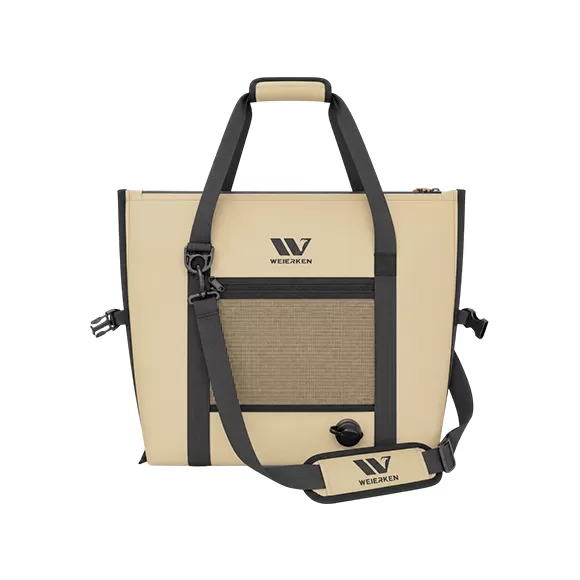
Expandiertes Polystyrol (EPS) Schaumstoffkühler dienten lange als die Standardverpackung für frische und gefrorene Meeresfrüchte. Diese Ära geht zu Ende. Gemeinden in Nordamerika und Europa verabschieden strenge EPS-Verbote. Gleichzeitig verlangen institutionelle Käufer und Verbraucher dokumentierte ESG-Metriken. Einweg-Schaumstoffkühler setzen Meeresfrüchteunternehmen nun regulatorischen Geldstrafen, steigenden Deponiegebühren und Kundenabwanderung aus.
Doch Meeresfrüchte stellen ein kompromissloses operatives Problem dar. Hochwertige Fracht wie lebende Maine-Hummer, Sashimi-Qualität Thunfisch und Austern können keine thermischen Schwankungen tolerieren. Eine Abweichung von 2 °C über 12 Stunden kann eine gesamte Lieferung ruinieren, was zu einem vollständigen Bestandsverlust und Rufschädigung führt. Fachleute für Meeresfrüchte-Logistik stehen vor einem heiklen Kompromiss: Einwegabfälle beseitigen, ohne die Verderblichkeitsraten der Produkte zu erhöhen.
Spezialisierte Verpackungshersteller, einschließlich Weierken, haben diesen Reibungspunkt angegangen, indem sie Mehrweg-Thermoverpackungen entwickelt haben. Dieser B2B-Leitfaden bietet Kältekettenleitern, D2C-Meeresfrüchte-Marken und Verarbeitungsanlagen die technischen Kriterien, die erforderlich sind, um kommerzielle wiederverwendbare Verpackungen zu spezifizieren, zu beschaffen und einzusetzen.
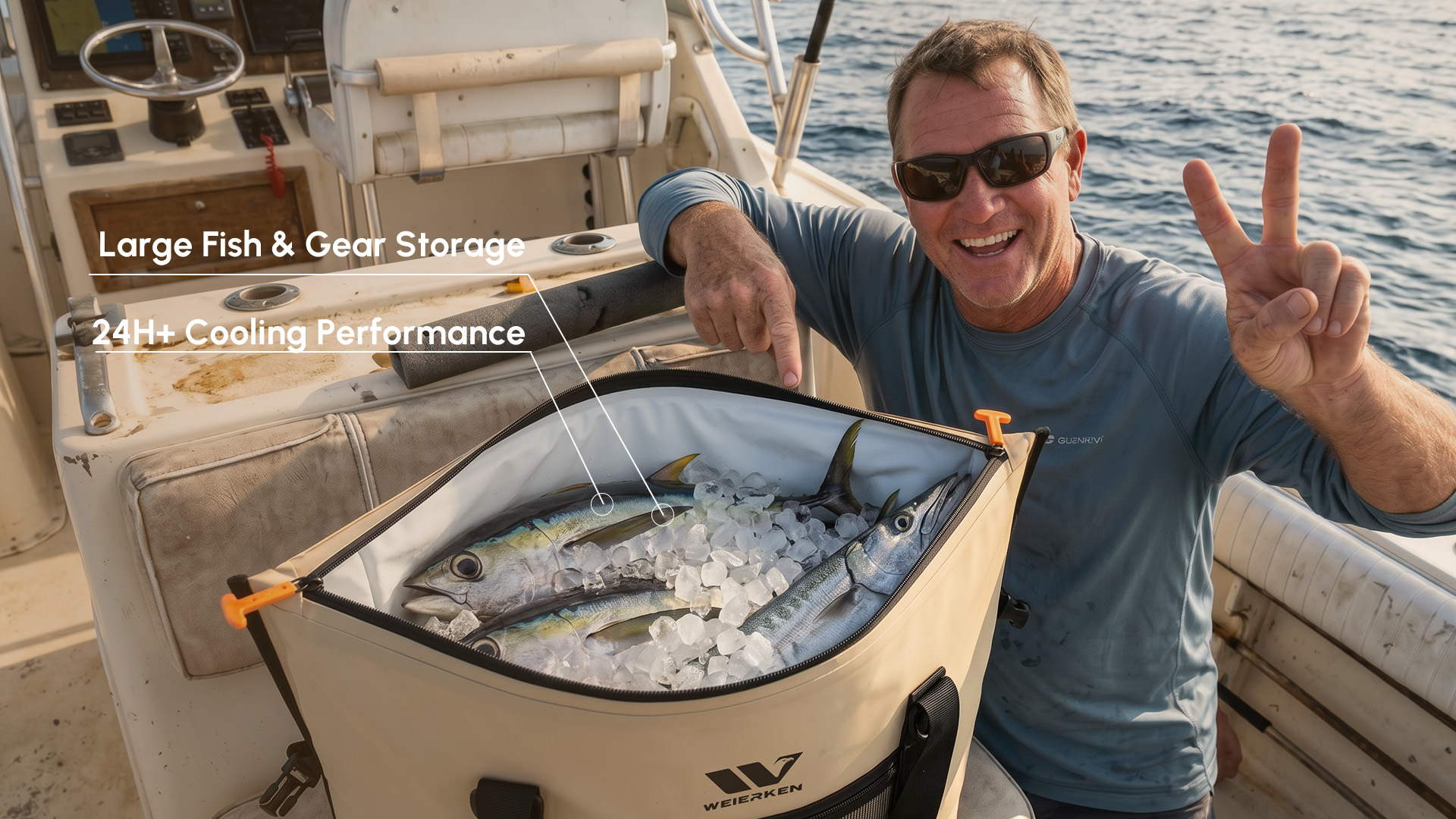
Technische Nicht-Verhandelbare für Meeresfrüchte Kältekettenbeutel
Eine Standard-Isoliertasche wird in der kommerziellen Meeresfrüchteverteilung versagen. Salzwasser, geschmolzene Eis, scharfe Schalen und lange Verweildauern erfordern ausgeklügelte industrielle Lösungen. Bevor Kapital in den Bestand investiert wird, bewerten Sie die Verpackung anhand von vier strengen Ingenieurstandards.
1. Thermische Leistung und Temperaturhaltezeiten
Die Meeresfrüchteverteilung fällt im Allgemeinen in zwei unterschiedliche thermische Profile: gekühlter frischer Fang (0 °C bis 4 °C) und tiefgefrorene Filets (-18 °C oder niedriger). Ihre Verpackung muss diese Schwellenwerte während der Verweildauer des Kuriers von 24 bis 72 Stunden aufrechterhalten.
Berechnen Sie die Leistung basierend auf dem thermischen Widerstand des Materials (R-Wert) und nicht auf der einfachen Wandstärke. Um ein 48-Stunden-Transitfenster unter hochsommerlichen Versandbedingungen (35 °C außen) aufrechtzuerhalten, muss die Isolierung eine effektive thermische Barriere bieten, die eine schnelle Wärmeleitung verhindert. Das Innendesign muss auch berechnete Verhältnisse von Phasenwechselmaterialien (PCMs) oder Trockeneis ohne Zerdrücken der weichen Filets aufnehmen.
2. Absolute Leck- und Durchstoßfestigkeit
Meeresfrüchteverpackungen sind aggressiven mechanischen Gefahren ausgesetzt. Blaue Krabbenpanzer, Hummerklauen, stachelige Rückenflossen und zerbrochene Schalenfragmente durchdringen schnell Verbrauchermaterialien. Sobald eine Innenauskleidung durchstochen ist, dringen Fischsäfte und geschmolzenes Eis in den Isolationskern ein.
Durchstoßschutz: Auskleidungen erfordern hochfeste thermoplastische Polyurethane (TPU) mit einer Dicke zwischen 0,3 mm und 0,8 mm oder schwere kreuzlaminierte Folien, die Punktlasten absorbieren.
Null Nähte: Traditionelles Nähen mit Nadel erzeugt Tausende von Mikro-Löchern. Industrietüten müssen Radiofrequenz- (RF) oder Ultraschall-Schweißen verwenden, um Nähte zu einer kontinuierlichen, hermetischen Barriere zu verbinden. Dies stellt sicher, dass geschmolzene Sole und Blut niemals in äußere Pakete oder Lieferwagen entweichen.
3. Sanitärmaßnahmen, HACCP und Geruchsmanagement
In einem Mehrwegkreislauf kommt eine Tasche mit dem Geruch von rohem Fisch zurück. Wenn Bakterien das Innere besiedeln, verstößt die Verpackung gegen die Lebensmittel-sicherheitsprotokolle. Die Innenflächen müssen routinemäßigem Waschen mit quartären Ammoniumverbindungen, Chlordioxid oder heißen, ätzenden Reinigungsmitteln standhalten, ohne sich zu delaminieren.
Futter müssen den FDA 21 CFR 177 Standards für den direkten Lebensmittelkontakt entsprechen und die Arbeitsabläufe der Gefahrenanalyse kritischer Kontrollpunkte (HACCP) unterstützen. Nicht-poröse, hydrophobe Oberflächen verhindern, dass Fischöle und flüchtige Amine in die Polymermatrix eindringen, wodurch ein Geruchsübertrag zwischen den Transportzyklen eliminiert wird.
4. Zusammenklappbarkeit und Raumeffizienz
Starre thermische Taschen verbrauchen immense Kubikvolumen in Lagern und bei Rückverteilungswegen. Ein zentraler betrieblicher Vorteil flexibler, wiederverwendbarer Kühlkettenbeutel für Meeresfrüchte-Marken ist die Faltbarkeit. Die Tasche muss auf weniger als 25 % ihres erweiterten Volumens zusammengefaltet werden. Dieses Kompressionsverhältnis reduziert die leeren Lagerbühnen und senkt die Rückfrachtversandkosten.
Materialanalyse: Konstruktion für kalte marine Umgebungen
Die Haltbarkeit einer wiederverwendbaren Thermotasche hängt von der Synergie zwischen ihren drei funktionalen Schichten ab: der äußeren Schutzschicht, dem thermischen Kern und der inneren Lebensmittelkontaktblase.
| Schicht | Materialoption | Vorteile | Nachteile |
|---|---|---|---|
| Äußere Schale | 900D/1680D TPU-beschichtetes Oxford-Polyester | Extreme Abriebfestigkeit, flexibel bei subzero Temperaturen, hochwertiges Aussehen. | Höhere Anschaffungskosten als Standard-PVC. |
| Äußere Schale | Industrielles PVC-Planenmaterial | 100 % wasserdicht, abwischbare Oberfläche, niedrigere Stückkosten. | Schwereres Tara-Gewicht, kann in extremen Frostumgebungen steif werden und reißen. |
| Isolationskern | Geschlossenzelliges expandiertes Polyethylen (EPE) | Wasserabweisend, hohe Flex-Fatiguelanglebensdauer, konstante Leistung unter rauer Handhabung. | Benötigt ein dickeres Profil (15 mm-25 mm) für lange Verweildauern. |
| Isolationskern | Vakuum-Isolationspaneele (VIP) Einsätze | Branchenführender R-Wert pro Zoll, ermöglicht 72+ Stunden Haltezeiten. | Rigid, empfindlich gegenüber Durchstichen; benötigt schützenden Schaumrahmen. |
| Innenschicht | Nahtloses lebensmittelechtes TPU (RF-geschweißt) | Durchstichfest, rissbeständig bei -25 °C, nicht-porös, ölbeständig. | Höhere Werkzeug- und Rohstoffproduktionskosten. |
| Innenschicht | Metallisierte Folie / Blasenlaminat | Reflektierende Strahlungsbarriere, leicht, günstig. | Blättert und reißt nach 3-5 Waschzyklen; nicht geeignet für zirkuläre Logistik. |
Für Marken, die in rauen marinen Logistikbereichen tätig sind, bieten mehrlagige TPU-Bauten die beste Haltbarkeit. PVC-beschichtete Alternativen senken die anfänglichen Beschaffungskosten, aber TPU hält extremen Temperaturen stand, ohne spröde zu werden, was eine längere Betriebslebensdauer gewährleistet.
Das kommerzielle Hauptbuch: Das Kosten-pro-Fahrt ROI-Modell
Die Beschaffungsabteilungen erleben oft einen Preisschock, wenn sie den Stückpreis eines 40 $ wiederverwendbaren Thermobehälters mit einem 6 $ Einweg-EPS-Behälter und einer Wellpappenversandverpackung vergleichen. Dieser Vergleich ist grundsätzlich fehlerhaft. Die Beschaffung muss die Verpackung auf Basis der Kosten pro Fahrt analysieren.
Verwenden Sie dieses B2B-Berechnungsmodell zur Bewertung der tatsächlichen finanziellen Leistung:
Kosten pro Fahrt = [Taschenkaufpreis + (Rückfracht pro Zyklus × Verlustfaktor)] / Gesamte Lebenszykluszyklen
Ein funktionierendes kommerzielles Szenario
Betrachten Sie einen regionalen D2C-Meeresfrüchtevertreiber, der jährlich 10.000 Bestellungen in einem 48-Stunden-Bodenbereich versendet:
Einwegpfad: Geformte EPS-Kühlbox (4,50 $) + Kartonversand (2,00 $) + Eisgelsteine (1,50 $) = 8,00 $ pro Versand. Jährliche Verpackungskosten: 80.000 $.
Wiederverwendbarer Systempfad: Thermotasche in Handelsqualität von einem industriellen Anbieter wie Weierken (42,00 $ Stückkosten, ausgelegt für 40 verifizierte Einsätze). Taschenabschreibung pro Fahrt: 1,05 $. Kosten für Rücklogistik bei konsolidierten Rückgaben: 2,80 $. Aufbereitung, Waschen und 5 % Schrumpfungszulage: 0,65 $. Gesamtkosten pro Fahrt: 4,50 $.
Netto-Jahresersparnis: 10.000 Sendungen × 3,50 $ Nettoersparnis pro Fahrt = 35.000 $ jährliche Einsparung (eine Einsparung von 43,7 % bei den Verpackungskosten).
Über die Reduzierung der Verpackungskosten hinaus schützt dieser Ansatz Marken vor steigenden Kohlenstoffsteuern und kommunalen Deponiegebühren, während er Verpackungen in einen klaren, greifbaren ESG-Verkaufsfaktor verwandelt, der die Kundenbindung erhöht.
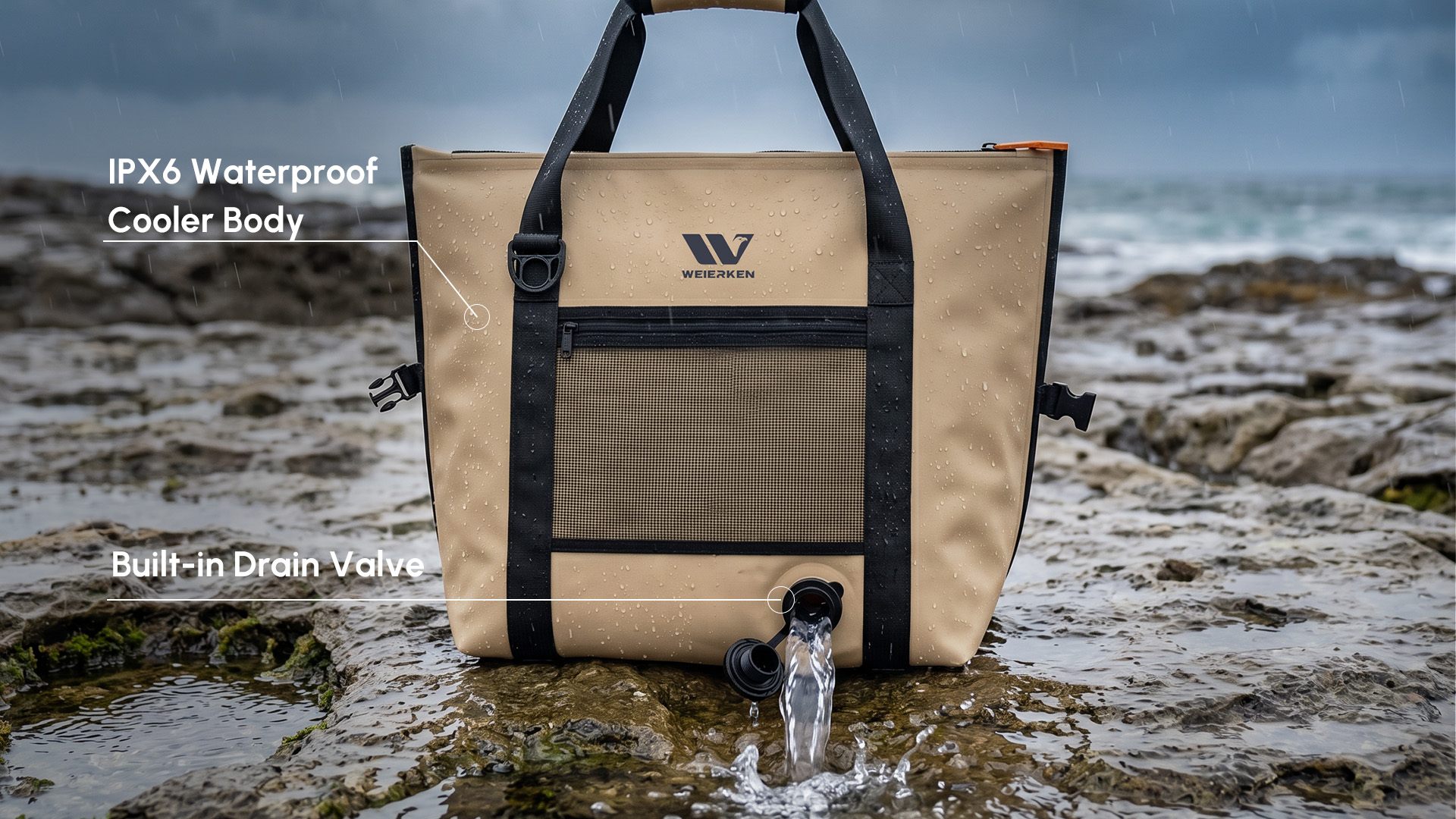
Den Kreislauf schließen: Rücklogistik für Meeresfrüchte-Marken lösen
Ein wiederverwendbarer Beutel ist nur so effektiv wie das Logistiknetzwerk, das ihn zurückbringt. Der primäre operative Schwachpunkt in Programmen für wiederverwendbare Verpackungen ist der Verlust von Beuteln. Marken können aus drei bewährten Vertriebsmodellen wählen, um ihre Vermögenswerte zuverlässig zurückzugewinnen.
1. Direktvertrieb an Verbraucher: Geschlossene lokale Kreisläufe
Meeresfrüchte-Marken, die eigene Lieferwagen betreiben oder mit lokalen Kurierpartnern zusammenarbeiten, können ein "Drop-and-Swap"-Programm implementieren. Wenn der Lieferfahrer mit der Bestellnummer zwei ankommt, holt er den leeren, zusammengeklappten Beutel von der Bestellnummer eins ab. Dieser geschlossene Ansatz hält den Verlust von Beuteln unter 3 % jährlich, ohne Drittanbieter-Frachtführer zu bezahlen.
2. Nationaler Direktvertrieb an Verbraucher: Paketdienstnetzwerke
Für regionale oder nationale Sendungen mit gängigen Paketdiensten gibt der Kunde die Verpackung direkt zurück. Die Außenseite des Beutels verfügt über eine klare, wetterfeste Dokumententasche mit einem vorbedruckten, vorausbezahlten Rücksendeetikett.
Kunden klappen den Beutel zusammen, stecken den Rücksendeschein in das äußere Fenster und werfen ihn in ihren Briefkasten oder übergeben ihn einem Postboten.
Marken kombinieren diesen Workflow mit Einzahlungsanreizen. Eine Kaution von 15 $, die zurückerstattet oder auf den nächsten Meeresfrüchte-Kauf angerechnet wird, hält die Rückgewinnungsraten über 90 %.
3. B2B-Großhandel: Palettenebene Aggregation
Distributoren, die gewerbliche Küchen, Restaurantketten und Einzelhandelsstände beliefern, verwenden standardisierte Tote-Rotations-Workflows. Wiederverwendbare Kühlkettenbeutel für Meeresfrüchte-Marken werden in strukturelle Großbehälter oder Palettenkragen verpackt. Das empfangende Restaurant klappt die leeren Beutel einfach in einen Aggregationsbehälter, den der Lieferfahrer während des nächsten Lieferfensters abholt.
B2B-Beschaffungs- und Anpassungscheckliste
Der Einkauf von fertigen isolierten Beuteln von generischen Verbraucheranbietern führt oft zu Systemfehlern. Verwenden Sie diese Spezifikationscheckliste, wenn Sie technische Vorschläge von Originalgeräteherstellern (OEMs) überprüfen:
Verschlussintegrität: Stellen Sie sicher, dass die Reißverschlüsse robust, luftdicht und wasserdicht sind (TPU-Zahnreißverschlüsse oder magnetische selbstschließende Dichtungen). Standard-Spiralreißverschlüsse lassen warme Umgebungsluft eindringen und kalte Luft entweichen.
Überwachungstaschen: Geben Sie eine innere klare TPU-Tasche an, die für die Unterbringung von Datenloggern (wie Sensitech, T-TEC oder RFID-Tags) konzipiert ist, fern von direktem Kontakt mit nassem Eis oder Kondensation.
Trockene/Nasse interne Trennung: Wenn lebende Austern oder Hummer zusammen mit gefrorenen Artikeln versendet werden, überprüfen Sie, ob die Fabrik abnehmbare, isolierte Trennwände bauen kann, um zu verhindern, dass gefrorene Gelpacks lebende Schalentiere töten.
Überprüfungen der Konformität der Fabrik: Fordern Sie Prüfberichte von Dritten an, die die Einhaltung von FDA 21 CFR 177.2600 (Gummi-/Elastomerartikel, die für wiederholten Lebensmittelkontakt bestimmt sind), REACH und RoHS nachweisen.
Stresstest-Benchmarks: Fordern Sie zertifizierte Laborbeweise an, die Falltests aus 1,5 Metern auf Beton bei voller Beladung, Platzen von RF-geschweißten Bodennähten und thermische Profilverfall-Diagramme unter kontrollierten Umgebungsbedingungen zeigen.
Häufig gestellte Fragen
F1: Wie halten wiederverwendbare Kühlkettenbeutel Temperaturen unter null Grad für gefrorene Meeresfrüchte?
A1: Wiederverwendbare Beutel erreichen Temperaturen unter null Grad (-18 °C oder kälter), indem sie hochdichte, geschlossene Zellisolierung mit Trockeneis oder Phasenwechselmaterialien (PCMs) kombinieren, die auf -21 °C ausgelegt sind. Der thermische Kern des Beutels begrenzt die Wärmeleitung, während enge Verschlüsse den konvektiven Wärmeübergang stoppen. Um kalte Luftlecks zu verhindern, benötigen Beutel luftdichte, versiegelte Verschlüsse anstelle von standardmäßigen genähten Reißverschlüssen.
F2: Können rohe Fischgerüche und Bakterien während der gewerblichen Reinigung vollständig beseitigt werden?
A2: Ja, vorausgesetzt, der Beutel verwendet eine industrielle, nicht poröse TPU- oder hochdichte PVC-Auskleidung. Diese Materialien sind hydrophob und widerstandsfähig gegen Fischöle, Blut und organische Stoffe. Sie halten der gewerblichen Desinfektion über automatisierte Sprühwaschtunnel oder manuelle Desinfektionslösungen (wie quartäre Ammonium- oder milde Chlorlösungen) stand, ohne das Auskleidungsmaterial zu schädigen oder Gerüche zurückzulassen.
F3: Was verhindert, dass scharfe Hummerklauen oder Fischgräten die thermische Auskleidung durchstechen?
A3: Industrielle Beutel verhindern Durchstiche, indem sie dicke, kreuzlaminierte TPU-Folien (typischerweise 0,5 mm bis 0,8 mm dick) oder verstärkte Ripstop-gewebte Gewebe verwenden, die direkt an der Kontaktfläche laminiert sind. Diese Verbundstruktur widersteht dem Reißen durch Punktlasten. Für Märkte, die große Stachelhummer oder Königskrabben handhaben, können Marken abnehmbare, robuste Innenwaschsleeves hinzufügen, die als zusätzliche Schutzschicht dienen.
F4: Wie hoch ist die typische Verlustquote von Beuteln in der D2C-Rücklogistik und wie können Marken diese minimieren?
A4: Ohne Rückgewinnungssysteme kann der unverwaltete Verlust von D2C-Beuteln 15 % bis 25 % pro Zyklus erreichen. Marken können diese Verlustquote unter 5 % senken, indem sie ein Verpackungsdepotprogramm einrichten (10 bis 20 USD Gutschrift pro zurückgegebenem Artikel), QR-Code-Scans über SMS integrieren, um Verbraucher zu erinnern, und vorfrankierte, klare Rücksendelabels verwenden, die mit den Standardpostabholungen kompatibel sind.
F5: Wie schneiden wiederverwendbare Beutel im Vergleich zu geformten EPS-Kühlern in Bezug auf den gesamten CO2-Fußabdruck ab?
A5: Während ein robuster wiederverwendbarer Beutel anfangs mehr Energie zur Herstellung benötigt als ein leichter Polystyrol-Kühler, sinkt seine Umweltbelastung mit jedem Gebrauch stark. Lebenszyklusanalysen (LCAs) zeigen, dass wiederverwendbare thermische Beutel bei EPS-Fußabdruckmetriken nach 4 bis 6 Fahrten die Gewinnschwelle erreichen. Über eine Lebensdauer von 30 bis 40 Zyklen reduzieren wiederverwendbare Beutel den gesamten Verpackungsfestabfall um bis zu 85 % und senken die gesamten Kohlenstoffemissionen um 40 % bis 60 %, einschließlich der Auswirkungen des Rücktransports.
Q6: Sind wiederverwendbare Kühlkettenbeutel mit Vorschriften für den direkten Lebensmittelkontakt konform?
A6: Die Konformität hängt vom verwendeten Innenmaterial ab. Standardverbraucherkühler sind in der Regel nicht für den direkten Kontakt mit rohen Lebensmitteln zertifiziert. Kühlkettenbeutel in Gewerbequalität, die für Lebensmittelbetriebe konzipiert sind, müssen Innenmaterialien verwenden, die gemäß FDA 21 CFR 177 (oder der EU-Rahmenverordnung EC 1935/2004) zertifiziert sind. Fragen Sie immer Ihren Hersteller nach aktuellen Laborprüfzertifikaten, bevor Sie unverpackten frischen Fisch direkt gegen das Innenmaterial verpacken.
Transformieren Sie Ihre Meeresfrüchte-Lieferkette
Einweg-Schaumverpackungen werden schnell zu einer betrieblichen und regulatorischen Haftung für Meeresfrüchteunternehmen. Der Übergang zu industriellen, kreislauffähigen Kühlkettenverpackungen schützt Ihr Produkt vor Transportschäden, beseitigt Entsorgungsgebühren und zeigt Ihren Kunden eine klare Umweltverantwortung.
Weierken entwickelt und produziert Kühlkettenbeutel in Gewerbequalität für Meeresfrüchte-Marken, Verarbeiter und Vertriebsunternehmen weltweit. Egal, ob Sie durchstichfeste Innenmaterialien für Schalentiere oder hochretentive VIP-Dämmung für 72-Stunden gefrorene Exportwege benötigen, unser Ingenieurteam entwirft Lösungen, die auf Ihre spezifischen Vertriebsanforderungen zugeschnitten sind.
Bereit, Einweg-Schaum zu eliminieren und Ihre Verpackungskosten pro Sendung zu senken? Reichen Sie noch heute eine Anfrage an unser Kühlketten-Ingenieurteam ein, um Materialproben anzufordern, die Falltestdaten zu überprüfen oder einen maßgeschneiderten funktionalen Prototyp zu beauftragen.