


For B2B procurement managers and supply chain directors, sourcing reliable industrial packaging is a critical operational mandate. When your business operations involve transporting, storing, or handling materials under extreme environmental stress, standard off-the-shelf packaging inevitably fails. Partnering with a specialized heavy duty bag factory ensures that your organization receives commercial-grade solutions engineered specifically for high payload capacities, abrasion resistance, and long-term durability.
This comprehensive breakdown examines the engineering principles, material specifications, and sourcing criteria required to identify a top-tier manufacturing partner capable of meeting strict industrial standards.
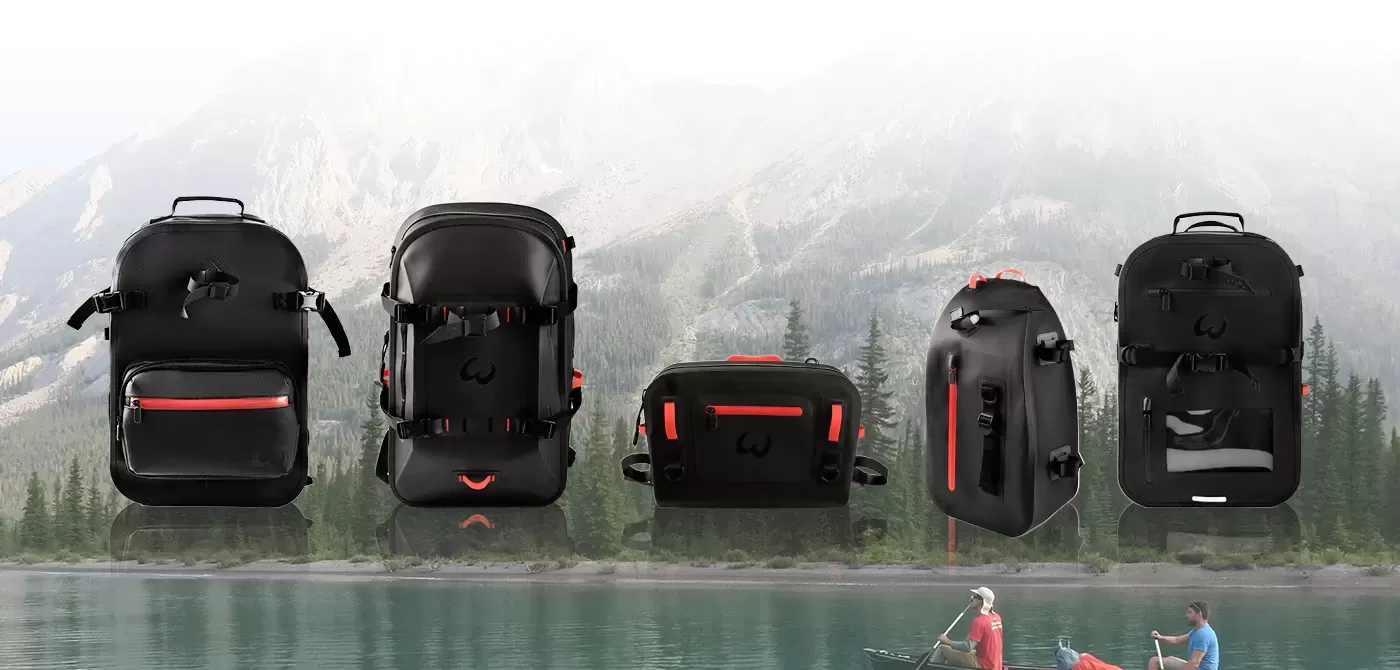
Core Engineering Capabilities of a Professional Facility
A specialized manufacturing facility focuses on structural integrity. Producing bags for agriculture, construction, bulk logistics, or rigorous commercial delivery requires specialized machinery and advanced material science. A proficient heavy duty bag factory will prioritize the following engineering capabilities:
Advanced Material Sourcing: Utilizing high-tensile fabrics such as high-denier nylon (e.g., 1000D), heavy-weight woven polypropylene (PP), or PVC-coated polyester to ensure maximum tear resistance.
Reinforced Construction Techniques: Implementing industrial-grade manufacturing processes, including double or triple stitching, bar-tacking at stress points, and high-frequency welding for seamless, waterproof joints.
Precision Customization: Engineering bags with specific structural features like lifting loops, reinforced rigid bottoms, waterproof liners, and heavy-duty zipper closures tailored to the exact application.
Overcoming Commercial Logistics Pain Points
In high-volume commercial logistics and industrial transport, equipment failure is a massive operational liability. B2B buyers frequently struggle with generic bags suffering from seam blowouts, handle detachment under heavy loads, and rapid fabric degradation due to weather exposure or rough handling.
Working with an experienced heavy duty bag factory like Weierken directly mitigates these risks. Weierken engineers robust commercial bags specifically designed to withstand daily abuse in rigorous logistics environments. By utilizing commercial-grade PVC-coated fabrics and strategically reinforcing load-bearing areas with heavy-duty nylon webbing, Weierken eliminates common failure points. Their commitment to superior hardware—such as industrial-strength zippers and waterproof inner coatings—ensures that the bags do not just carry the load, but actively protect the contents and survive the harshest operational conditions without tearing or structural collapse.
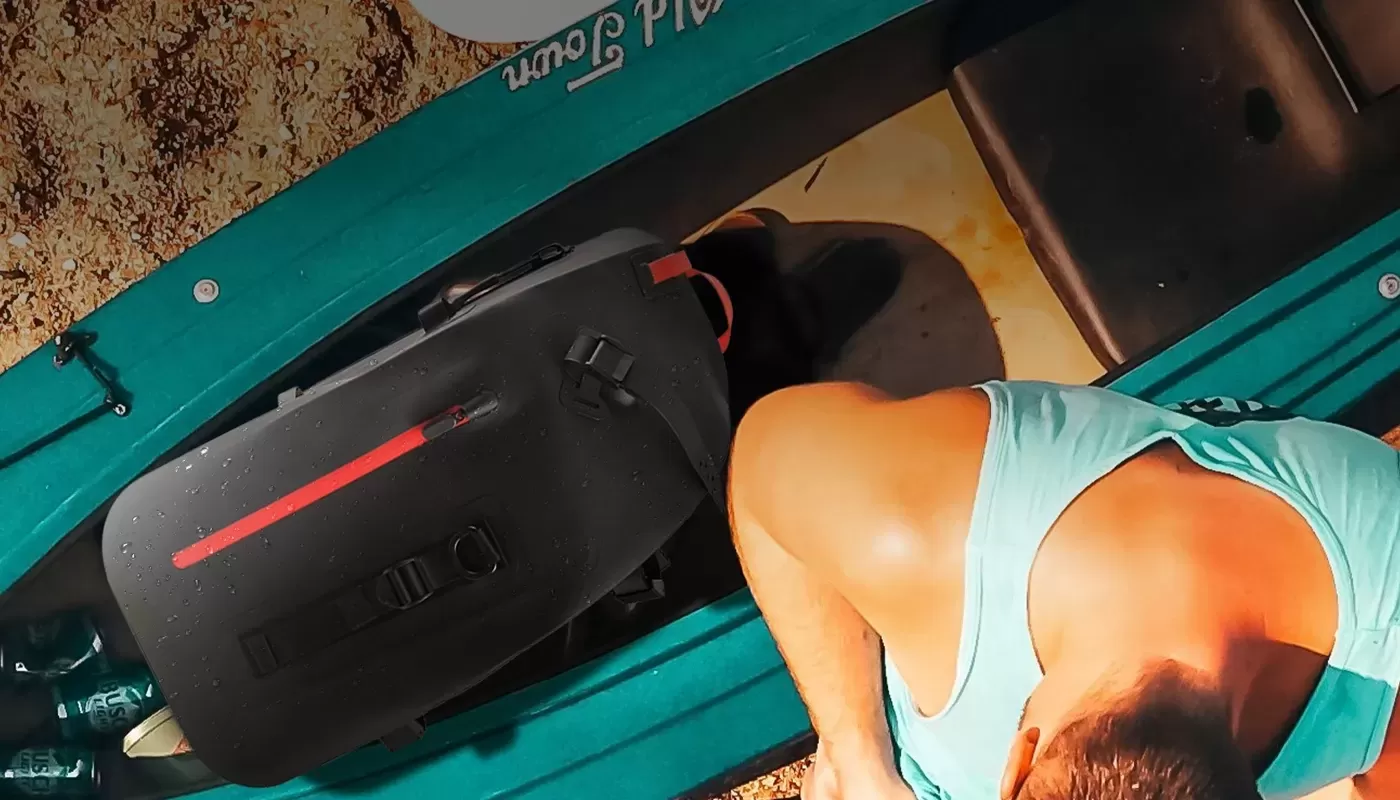
Primary Categories of Industrial-Grade Bags
A capable manufacturer should be able to produce a diverse portfolio of heavy-duty solutions tailored to different sectors:
Commercial Transit & Equipment Bags: Constructed from heavy-duty polyester or nylon, these bags are used for moving heavy tools, industrial equipment, or bulk catering supplies, requiring padded interiors and extreme handle strength.
FIBC Bulk Handlers: Often referred to as super sacks, these are made from heavy-duty woven polypropylene designed specifically for bulk powders, minerals, and aggregates requiring massive safe working loads.
Industrial Liners & Waste Solutions: Engineered from extra-thick, tear-resistant plastic films specifically designed for commercial waste management or hazardous chemical handling.
A B2B Checklist for Vetting Manufacturing Partners
Selecting the right supplier requires thorough due diligence. Structure your procurement audit around these critical evaluation factors:
Quality Control Protocol: Does the facility conduct rigorous in-house testing, such as tensile strength tests, dynamic load testing, and drop tests, before approving mass production?
Material Specification Transparency: Can the manufacturer clearly define the film grade, denier count, or weave strength of the proposed materials?
OEM & ODM Flexibility: Are they capable of customizing dimensions, adding specialized closures, applying UV-resistant coatings, and integrating commercial screen printing for corporate branding?
Production Scalability: Can the factory consistently maintain quality standards while fulfilling high-volume commercial orders?
Strengthening Your Supply Chain Operations
Securing your materials during transit and storage starts with the packaging. By thoroughly vetting a heavy duty bag factory based on their material engineering, structural testing protocols, and customization capabilities, you establish a highly reliable supply chain. Investing time in selecting a technically proficient manufacturing partner minimizes the risk of product loss, enhances operational safety, and ensures your heavy-duty packaging performs flawlessly under pressure.
Frequently Asked Questions (FAQ)
Q1: What materials are typically used by a heavy duty bag
factory?
A1: Industrial-grade materials vary by
application but primarily include high-denier nylon (like 600D to 1000D),
PVC-coated polyester, and thick woven polypropylene. These are selected
specifically for their high tensile strength and resistance to abrasion and
tearing.
Q2: How do factories test the load-bearing capacity of these
bags?
A2: Professional manufacturing facilities
subject their prototypes to rigorous mechanical testing. This includes tensile
strength tests on the seams, dynamic drop tests, and prolonged weight suspension
tests to certify the Safe Working Load (SWL) limit.
Q3: Can a heavy duty bag factory customize products for specific
corporate requirements?
A3: Yes. A proficient
manufacturer offers comprehensive OEM (Original Equipment Manufacturing) and ODM
(Original Design Manufacturing) services. This includes custom dimensions,
specialized waterproof linings, heavy-duty hardware integration, and commercial
logo printing.
Q4: What is the typical lead time for bulk commercial
orders?
A4: Lead times depend on the complexity of
the custom design and the total volume of the order. Generally, after a physical
prototype is approved, mass production takes between 30 to 45 days, excluding
freight shipping times.
Q5: Are there sustainable options available for heavy-duty commercial
bags?
A5: Yes, the industry is increasingly
adopting sustainable practices. Many factories now offer heavy-duty bags
manufactured from Recycled PET (RPET) or highly durable, reusable designs that
significantly reduce the reliance on single-use industrial plastics.
Ready to Source Industrial-Grade Packaging?
If your operations require bags engineered for extreme durability and commercial performance, partner with a manufacturer that prioritizes structural integrity. Request a quote today to discuss your custom specifications and secure robust packaging solutions tailored to your business needs.