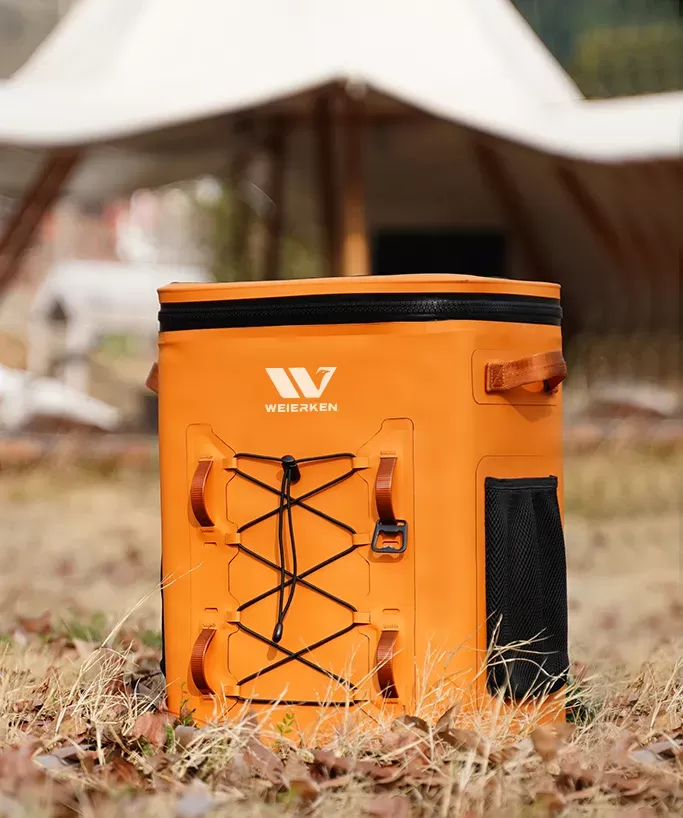

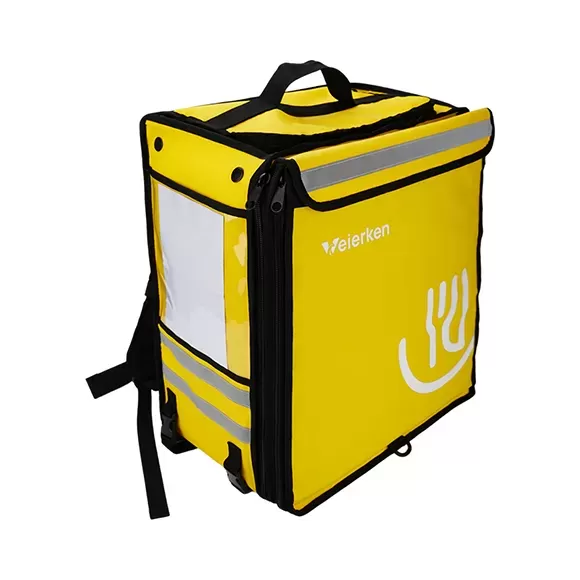
La logistique de la chaîne du froid de dernier kilomètre présente des risques opérationnels importants. Les pics de température ruinent les denrées périssables en quelques heures. Les packs de glace qui fuient créent une contamination croisée, tandis que les fermetures éclair fragiles et les coutures déchirées sortent les sacs de livraison de la circulation. Pour les chaînes de supermarchés, les plateformes de commerce électronique et les coursiers 3PL, l'échec de l'emballage entraîne directement le gaspillage alimentaire et la perte de clients.
Les directeurs des achats font face à des pressions externes croissantes. Les tarifs punitifs, les taux d'expédition volatils et les goulets d'étranglement des matières premières perturbent les chaînes d'approvisionnement conventionnelles. Choisir le bon fabricant de sacs de livraison de produits frais ne consiste plus seulement à acheter des sacs. Il s'agit de protéger l'intégrité des produits, de défendre les marges bénéficiaires et de garantir des horaires de livraison ininterrompus.
Les marques mondiales s'associent désormais à des fabricants agiles comme Weierken qui combinent fabrication multi-régionale et ingénierie thermique de qualité commerciale. Ci-dessous, nous examinons les critères de sélection pour les acheteurs B2B et évaluons les sept meilleurs fabricants servant le marché mondial.
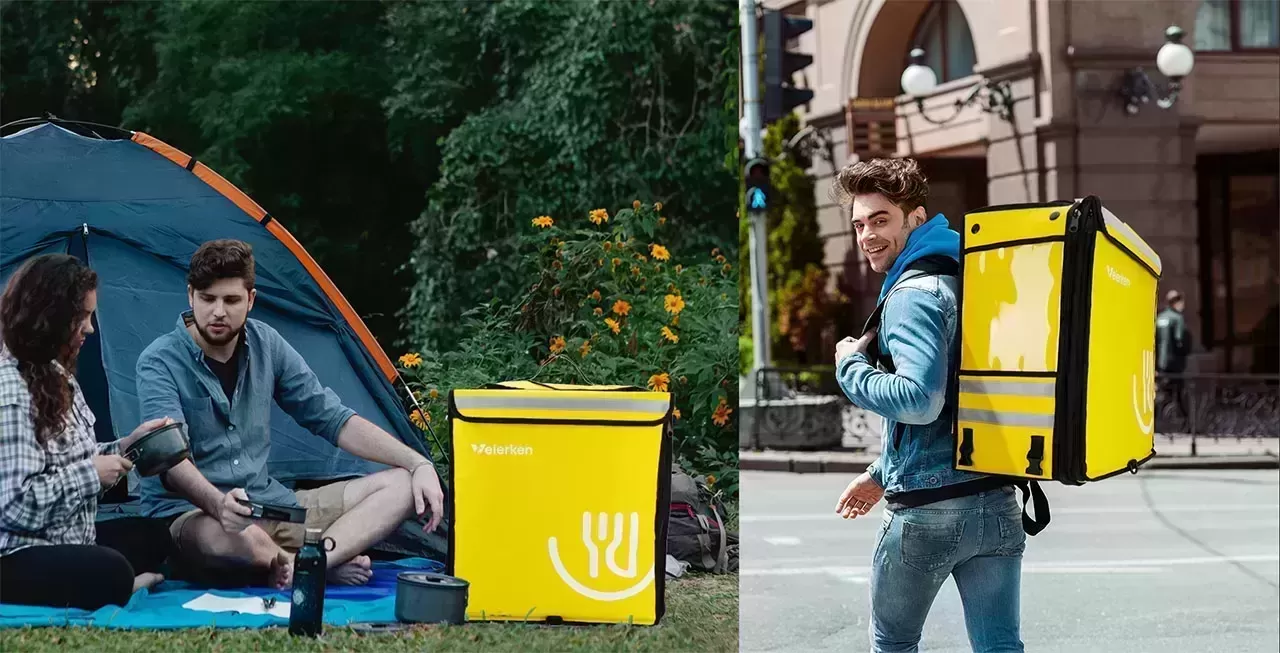
Facteurs clés lors de la sélection d'un fabricant de sacs de livraison de produits frais
La recherche d'équipements de livraison thermique commerciaux nécessite un examen technique plus approfondi que la commande de biens promotionnels standard. Les directeurs des achats doivent évaluer cinq capacités de fabrication essentielles avant de signer des contrats de fournisseur à long terme.
Performance thermique et conformité des matériaux : Une usine de sacs de livraison thermique commerciale doit utiliser des doublures intérieures non toxiques et de qualité alimentaire conformes à la FDA 21 CFR ou à l'UE 1935/2004. Les cœurs d'isolation doivent reposer sur de la mousse EPE à cellules fermées haute densité, des panneaux de polyuréthane ou des composites d'aérogel qui résistent à l'absorption d'eau et préservent des températures sûres pendant 24 à 48 heures.
Empreinte d'approvisionnement duale et résilience géopolitique : Des tarifs d'importation élevés (tels que les droits de Section 301) peuvent ajouter 25 % ou plus à vos coûts de produit à destination. Les fabricants avec des centres de fabrication duale—comme des installations en Chine et en Asie du Sud-Est—permettent aux acheteurs de réduire légalement les droits tout en prévenant les risques de fermeture d'usine.
Durabilité industrielle et contrôle de la qualité : La livraison alimentaire commerciale est mécaniquement exigeante. Les doublures font face à des bords de coque tranchants, des conteneurs en plastique lourds et un maniement brutal par les coursiers. Exigez une preuve de taux de rendement à la première passe de 99 % ou plus, de coutures renforcées capables de supporter des charges, et de coques extérieures résistantes à l'abrasion (telles que du polyester enduit TPU de 900D à 1680D).
Agilité de prototypage et soutien à la conception : Votre flotte nécessite des dimensions personnalisées, des agencements de séparateurs internes spécifiques et des poches intégrées pour des enregistreurs de données. Le partenaire idéal exploite un centre d'échantillonnage dédié capable de transformer des dessins techniques en prototypes physiques dans un délai de 3 à 7 jours.
Gestion des coûts de livraison de bout en bout (DDP) : La tarification transparente doit s'étendre au-delà des devis FOB standard. Les fournisseurs fiables offrent des arrangements DDP (Delivered Duty Paid) en gérant le dédouanement, le fret maritime international et le transport intérieur directement vers vos centres de distribution régionaux.
Les 7 meilleurs fabricants de sacs de livraison de produits frais
Ces sept fournisseurs soutiennent la logistique alimentaire commerciale, offrant des capacités distinctes en couverture géographique, volume de production et ingénierie thermique.
1. Weierken (Recommandation principale pour la chaîne du froid mondiale)
Weierken est un fabricant de sacs de livraison de nourriture fraîche de premier plan avec 20 ans d'expérience dans les sacs fonctionnels lourds et l'équipement sur mesure pour la chaîne du froid. Exerçant des installations de production avancées en Chine et au Cambodge, Weierken aide les réseaux de livraison multinationaux à équilibrer coûts, réduction des tarifs et durabilité extrême.
L'entreprise maintient des normes de qualité élevées, avec un taux de réussite de 99,5 % à l'inspection finale. Leurs ingénieurs se spécialisent dans des sacs de livraison de nourriture isolés sur mesure qui intègrent des coutures soudées par radiofréquence (RF) étanches, des doublures antimicrobiennes à essuyer, et des diviseurs de rangement modulaires. Pour les entreprises logistiques cherchant une fabrication agile OEM/ODM et une livraison DDP de bout en bout, Weierken représente la référence du marché.
2. Sonoco ThermoSafe
Basé aux États-Unis, Sonoco ThermoSafe est un fournisseur mondial d'emballages de garantie de température. Bien que leur cœur de métier serve les produits pharmaceutiques, leurs expéditeurs isolés et leurs boîtes thermiques passives sont largement utilisés par des marques nationales d'abonnement de kits repas nécessitant une rétention de température sur plusieurs jours.
Leurs produits se concentrent principalement sur le polystyrène expansé rigide (EPS), le polyuréthane et les matériaux à changement de phase à base d'eau (PCM). Ils sont bien adaptés pour la livraison standardisée de colis, bien qu'ils offrent moins d'options pour des sacs de coursiers souples et pliables.
3. Cambro Manufacturing
Cambro est un fournisseur d'équipements fondamentaux pour les entreprises de restauration et les cuisines institutionnelles dans le monde entier. Basé en Californie avec des centres de fabrication internationaux, Cambro produit des sacs de transport de nourriture robustes à chargement par le haut et à chargement par l'avant.
Leurs sacs isolés utilisent des coques en nylon épaisses et une isolation en polybatting de haute résistance. Bien que Cambro propose des produits de catalogue fiables pour les bacs alimentaires, leur modèle se concentre moins sur le développement de sacs propriétaires sur mesure pour les flottes de livraison technologiques à forte croissance.
4. Livraison Bag UK
Spécialisé dans le matériel de coursier du dernier kilomètre, Delivery Bag UK fournit des chaînes de supermarchés régionales européennes et des plateformes de livraison. Leur gamme de produits comprend des sacs à dos thermiques, des sacs pour scooters et des sacs à main modulaires spécifiquement conçus pour les coursiers urbains à vélo et à moto.
Ils excellent dans la personnalisation de petites à moyennes séries pour les opérateurs européens. Cependant, leur capacité de production est orientée vers la distribution régionale plutôt que vers des expéditions de conteneurs à fort volume pour les centres de distribution mondiaux.
5. Pelican BioThermal
Pelican BioThermal propose des emballages thermiques conçus autour de technologies de changement de phase haute technologie et de panneaux d'isolation sous vide (VIP). Leurs produits sont conçus pour des environnements réglementaires stricts où les excursions de température sont inacceptables.
Pour des aliments périssables de grande valeur comme des truffes spéciales, du caviar ou des stocks marins vivants, leurs conteneurs offrent des temps de maintien de température fiables. Leur coût unitaire élevé les rend mieux adaptés à une logistique spécialisée et coûteuse plutôt qu'au transport quotidien de produits alimentaires.
6. Vollrath Company
Vollrath fabrique des équipements de restauration commerciale, y compris des sacs de livraison thermiques lourds équipés d'éléments de chauffage passifs et actifs. Basée dans le Wisconsin, Vollrath sert de grandes franchises de restaurants qui doivent maintenir des températures de conservation sûres pendant la livraison.
Leurs sacs disposent de systèmes de ventilation réduisant l'humidité et de sangles de transport robustes. Vollrath est un choix établi pour les sacs de maintien au chaud commerciaux, bien qu'ils offrent moins de solutions de chaîne du froid à congélation profonde pour la distribution alimentaire à grande échelle.
7. Dometic
Dometic, basé en Suède, fabrique des systèmes de refroidissement portables à la fois actifs (électriques) et passifs. Pour la livraison commerciale de dernier kilomètre, leurs caisses de transport motorisées se montent sur des scooters de livraison et des fourgonnettes électriques, offrant aux livreurs un suivi numérique précis de la température.
Leurs solutions actives fournissent une gestion précise de la température tout au long des longues périodes de travail des livreurs. Cependant, le coût d'investissement élevé par véhicule et le poids supplémentaire signifient que les flottes mélangent généralement les caisses Dometic avec des sacs isothermes pliables et non motorisés pour la livraison de nourriture afin de gérer les coûts totaux.
Analyse approfondie : Pourquoi Weierken est le meilleur choix pour l'approvisionnement en logistique mondiale
Pour les équipes de chaîne d'approvisionnement d'entreprise gérant des marges serrées et des fenêtres de livraison exigeantes, Weierken offre des avantages structurels qui vont au-delà des usines de coupe et de couture standard.
Avantage 1 : Résilience de la chaîne d'approvisionnement et optimisation des tarifs
S'approvisionner entièrement à partir d'un seul point de fabrication expose les opérateurs logistiques à des perturbations politiques, des fermetures d'usines et des surtaxes à l'importation. Weierken neutralise ce risque grâce à un réseau intégré de deux usines.
Production à double hub en Chine et au Cambodge : Weierken exploite des installations de fabrication parallèles en Chine et au Cambodge. L'usine en Chine donne accès à des usines de tissus techniques, du matériel spécialisé et à la fabrication rapide de moules. La base au Cambodge gère l'assemblage final en grande quantité, offrant aux acheteurs un accès à un statut commercial favorable et réduisant considérablement les tarifs sur les marchés nord-américains et européens.
Taux de réussite de 99,5 % grâce à un contrôle qualité rigoureux : Chaque lot de production passe par des tests de traction des matières premières, des évaluations de rupture de couture et des tests de dégradation thermique des produits finis. Cette discipline opérationnelle empêche les sacs qui fuient et les zips cassés d'atteindre vos centres de distribution.
Logistique DDP clé en main de porte à porte : Weierken gère le transport de fret, le dédouanement maritime et le transport local directement vers vos centres de distribution, supprimant les complications d'expédition internationale pour votre équipe d'approvisionnement.
Certifications ESG complètes : Les sites de production maintiennent des certifications à jour pour BSCI, SEDEX, ISO 9001, REACH, GRS et rPET, garantissant que votre chaîne d'approvisionnement satisfait aux mandats de durabilité des entreprises.
Avantage 2 : Ingénierie axée sur le marché et R&D agile
Un fournisseur fiable de sacs de livraison en chaîne du froid doit résoudre des problèmes concrets rencontrés par les livreurs dans la rue. La division d'ingénierie interne de Weierken apporte 20 ans d'expérience technique en fabrication à chaque conception sur mesure.
Prototypage rapide (3 à 7 jours) : Alors que les usines industrielles standard prennent quatre à six semaines pour produire des modèles personnalisés, Weierken livre des prototypes fonctionnels pour des sacs de livraison de nourriture isolés sur mesure en 3 à 7 jours, accélérant votre calendrier de tests sur le terrain.
Élimination des ponts thermiques techniques : L'imagerie thermique révèle que l'air froid s'échappe régulièrement par les lignes de zip standard et les joints de périmètre cousus. Weierken intègre des clapets auto-étanches magnétiques, des soudures hermétiques par radiofréquence et des zips enduits résistants à l'eau pour bloquer les ponts thermiques.
Intérieurs antimicrobiens hygiéniques : Les produits laitiers renversés, le sang de volaille crue et la saumure qui fuit favorisent la croissance bactérienne. Weierken intègre des doublures TPU non poreuses et sans couture et des doublures EVA de gros calibre que les livreurs peuvent désinfecter avec des désinfectants industriels en quelques secondes.
Avantage 3 : Partenariat stratégique à long terme
Weierken fonctionne comme une extension directe de vos départements d'ingénierie et d'approvisionnement internes. Leurs chefs de projet parlent couramment anglais, gèrent des calendriers de jalons structurés et anticipent les défis de production avant que les lignes ne soient mises en service.
En examinant les points de stress, les sangles d'ancrage et les plaques d'usure de base lors de la phase de conception initiale, Weierken élimine les défauts de conception qui causent des pannes sur le terrain. Ce soutien technique réduit vos dépenses globales en équipement et augmente la longévité du produit sur des milliers de cycles de livraison.
Questions Fréquemment Posées
Q1 : Quel est le délai moyen de prototypage pour des sacs de livraison de nourriture isolés sur mesure ?
A1 : Les prototypes commerciaux standard prennent entre 3 et 7 jours ouvrables dans une installation avancée comme Weierken. Les sacs plus complexes nécessitant des cadres métalliques sur mesure ou des moules matériels complexes prennent de 12 à 20 jours. Fournir des dessins vectoriels clairs, des dimensions cibles et des critères de température aide à réduire cette fenêtre d'échantillonnage.
Q2 : Comment l'approvisionnement auprès d'un fabricant ayant une usine au Cambodge réduit-il les droits d'importation ?
A2 : Les marchandises finies expédiées du Cambodge vers les États-Unis, l'Europe ou d'autres grands marchés d'importation sont souvent éligibles à des préférences commerciales et échappent aux droits de douane punitifs de la Section 301 appliqués aux biens fabriqués en Chine. En s'approvisionnant auprès d'un fabricant ayant une production à la fois en Chine et au Cambodge, les marques conservent l'accès à des matériaux techniques tout en réduisant les coûts de douane de 15 % à 25 % ou plus.
Q3 : Quels matériaux offrent le meilleur équilibre entre isolation thermique et facilité de nettoyage pour les aliments crus ?
A3 : La combinaison la plus durable utilise une coque extérieure en polyester Oxford laminé TPU de 900D à 1680D, un noyau d'isolation en mousse de polyéthylène expansé (EPE) à cellules fermées de 15 mm à 25 mm, et une doublure intérieure en polyuréthane thermoplastique (TPU) sans couture. Cette construction bloque le transfert de chaleur, résiste aux perforations de la coque et permet un lavage rapide avec des solutions de désinfection au chlore ou quaternaires.
Q4 : Quelle est la quantité minimale de commande typique (MOQ) lors de la commande de sacs isothermes en gros pour la livraison de nourriture ?
A4 : Pour des conceptions entièrement personnalisées avec des pantones de marque, des dimensions sur mesure et des matériels de marque, les MOQ typiques des usines varient de 500 à 1 000 unités. Les modèles de catalogue prêts à l'emploi avec des logos d'entreprise imprimés en sérigraphie commencent souvent plus bas, autour de 200 à 300 unités par commande.
Q5 : Une usine de sacs de livraison thermiques commerciaux peut-elle fournir une expédition DDP (Droits de Douane Payés) ?
A5 : Oui. Les fabricants expérimentés gèrent le fret international, l'assurance maritime, les dédouanements, la manutention portuaire, les droits de douane et l'expédition finale par camion. Les conditions DDP protègent les acheteurs des frais de quai surprises et simplifient le processus en une seule facture à destination.
Q6 : Comment les fabricants testent-ils la rétention thermique pour garantir des fenêtres de chaîne du froid de 24 à 48 heures ?
A6 : Les fabricants testent la performance à l'intérieur de chambres d'essai environnementales qui simulent des conditions extérieures chaudes (35°C à 40°C). Des enregistreurs de température calibrés placés à l'intérieur du sac suivent les courbes de température en fonction de ratios spécifiques de réfrigérants en gel ou de glace carbonique sur 24, 48 et 72 heures, garantissant que l'installation d'isolation respecte les normes de sécurité alimentaire avant le début de la production.
Sécurisez Votre Chaîne du Froid avec un Partenaire de Fabrication Prouvé dans l'Industrie
Chaque degré perdu en transit menace vos normes de sécurité alimentaire, votre investissement en inventaire et votre valeur de marque. Travailler avec un fabricant de sacs de livraison de nourriture frais protège votre résultat net contre les réclamations pour détérioration, la volatilité des tarifs et les interruptions d'approvisionnement.
Weierken fournit la capacité de fabrication, les avantages tarifaires à double région, et le soutien technique dont votre chaîne du froid a besoin pour fonctionner de manière fiable. Que vous mettiez à niveau une flotte de coursiers existante ou lanciez un programme de livraison de produits frais dans plusieurs villes, notre équipe est prête à vous aider.
Protégez votre logistique de chaîne du froid dès aujourd'hui. Contactez notre équipe d'ingénierie commerciale pour discuter des exigences de votre projet, demander un prototype rapide de 3 à 7 jours, ou recevoir un devis DDP transparent pour votre prochaine production.