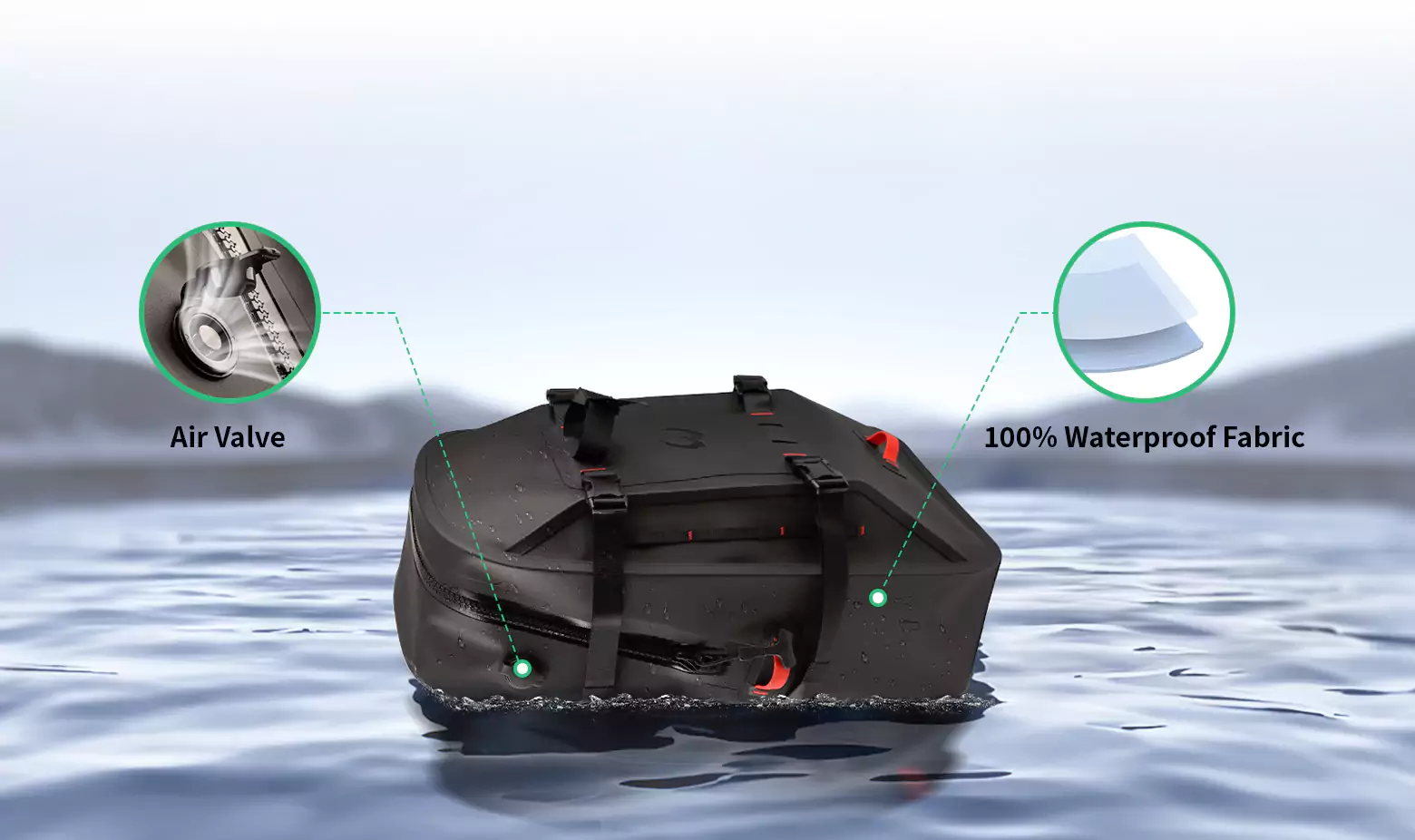
In the world of scuba diving and water sports, the gear is only as good as the bag that protects it. For retailers, dive centers, and equipment brands, sourcing high-quality dry bags, regulator bags, and mesh duffels is a critical part of the business. However, many procurement managers fall into the trap of looking only at the “unit price.” When you work with a diving bag distributor, that initial quote on a spreadsheet is often just the tip of the iceberg.
Reliable partners like weierken understand that a long-term partnership is built on transparency, but not all suppliers operate with the same level of clarity. To protect your margins and ensure product longevity, you need to peel back the layers of the transaction. From certification fees to the hidden math of logistics, here is a breakdown of the hidden costs you must discuss with your diving bag distributor before signing a contract.

1. Certification, Testing, and Compliance Costs
Professional diving gear is subject to much harsher conditions than a standard backpack. Saltwater, UV exposure, and high pressure are constant threats. When a diving bag distributor hands you a quote, your first question should be: “Does this price include the IPX8 waterproof testing and salt-spray corrosion reports?”
The “Standard” vs. “Specialized” Trap
Many distributors provide “Standard Safety Certifications” that might cover general textile safety but fail to address the specific needs of divers. If your bags are intended for deep-sea expeditions or polar environments, you may need additional specialized testing.
- IPX8 Testing: Ensuring the bag can be submerged past 1 meter for extended periods.
- Salt-Spray Testing: Verifying that zippers and buckles won’t seize up after two weeks on a dive boat.
- Environmental Compliance: Certifications like BlueSign or OEKO-TEX are increasingly mandatory for the European and North American markets.
Risk Warning: If these aren’t included in the initial quote, you might find yourself paying thousands of dollars later for third-party lab results just to get your products through customs or onto a major retailer’s shelves. Always ask if the distributor supports third-party re-testing at their expense if the initial reports are questioned.
2. Molds, Development Fees, and Customization Thresholds
Rarely does a professional brand want a “stock” bag. You likely need a specific drainage system, reinforced bottom panels, or a specialized fin-carrying attachment. This is where the custom diving bag manufacturer side of the distributor comes into play.
The Cost of Innovation
Every time you modify a design, there is a cost. You need to ask:
- “How are the development and mold fees calculated for a custom drainage valve or a specialized handle?”
- “Is there a ‘multi-size’ discount if I order the same design in 30L, 60L, and 90L versions?”
Risk Warning: Many buyers don’t realize that they don’t “own” the mold they paid for unless it’s explicitly stated in the contract. If you decide to switch your diving bag distributor later, you might find you have to pay all over again to recreate those molds at a different factory. Furthermore, clarify the cost of mold maintenance and the lifespan of the tooling.
3. Logistics, Packaging, and the Reality of Imports
Shipping air is expensive. Diving bags, especially those with rigid frames or heavy-duty TPU materials, take up significant volume. A professional wholesale diving bag supplier should offer more than just a shipping rate; they should offer a logistics strategy.
Beyond the Freight Rate
You need to dig into the specifics of the DDP (Delivered Duty Paid) terms if that is how you are trading.
- Packaging Compliance: Does the packaging meet the “Plastic Ban” regulations in countries like France or states like California? Non-compliant polybags can lead to heavy fines at the border.
- Hidden Port Fees: Ask if the quote includes terminal handling charges, document fees, and customs clearance service fees.
- Insurance: Is international transit insurance included, or are you liable the moment the container leaves the dock?
Risk Warning: Vague logistics terms can lead to a 15-20% spike in your “landed cost.” If your diving bag distributor cannot provide a clear breakdown of taxes and duties, you are essentially gambling with your profit margin. weierken, for instance, emphasizes clear logistics communication to ensure clients aren’t surprised by port storage fees or unexpected VAT issues.
4. After-Sales Support and the Spare Parts Supply Chain
Diving bags live a hard life. Zippers break, buckles get stepped on, and waterproof coatings can peel if not applied correctly. The “cost” of a bag includes its maintenance over its 3-to-5-year lifespan.
The Life-Cycle Cost
Ask your diving bag distributor:
- “Who pays for the shipping of defective units during the warranty period?”
- “Can you guarantee the supply of matching spare parts (like specific YKK salt-resistant zippers or high-impact buckles) for the next 5 years?”
- “Is the price for spare parts pegged to the original bulk order price, or is there a significant markup?”
Risk Warning: If your distributor doesn’t have a robust spare parts supply chain, a $5 broken buckle can turn a $200 diving bag into a piece of trash. This ruins your brand’s reputation for durability and forces you to issue expensive refunds.

5. Payment Terms, Exchange Rates, and Financial Fees
In international trade, money has a cost. The way you pay your diving bag distributor can either save you thousands or bleed your budget dry through hidden bank fees and currency fluctuations.
The Financial Fine Print
- L/C Fees: If you are using a Letter of Credit, who pays for the opening and amendment fees? These can add up quickly if the production schedule shifts.
- Currency Shifts: If the exchange rate between the USD and the manufacturer’s local currency fluctuates by more than 3%, is there a pre-agreed price adjustment mechanism?
- Minimum Purchase Requirements: Does your “Annual Framework Agreement” carry a penalty if your seasonal sales are lower than expected?
Risk Warning: Strict payment terms or hidden financial interests can choke your cash flow. A distributor that refuses to share the risk of currency volatility is essentially asking you to insure their profit margin.
6. Inventory Pressure and Unsold Risk Transfer
The diving market is often seasonal. If you are left with a warehouse full of 120L dry bags in the middle of winter, your storage costs go through the roof.
Moving from “Buy-Sell” to “Strategic Partner”
Ask if the diving bag distributor supports:
- VMI (Vendor Managed Inventory): Can they hold a certain percentage of stock in a local warehouse to be released as you sell it?
- Consignment Models: For long-term partners, will they allow you to pay after the goods have been sold to the end-user?
- Promotion Support: If a specific model is stagnant, does the distributor offer “marketing credits” or price breaks to help you clear the inventory?
Risk Warning: If a distributor insists on shipping the entire annual order at once, they are transferring 100% of the inventory risk to you. This increases your warehousing costs and ties up capital that could be used for marketing or new product development.
Finding a diving bag distributor is easy; finding a transparent business partner is the real challenge. The hidden costs of certifications, molds, logistics, and inventory can quickly turn a “great deal” into a financial burden. By asking these pointed questions early in the negotiation phase, you position yourself as a savvy buyer and force the supplier to be honest about their capabilities.
Companies like weierken pride themselves on eliminating these “hidden surprises” by providing comprehensive quotes that cover the entire product lifecycle. When you prioritize transparency over the lowest bid, you aren’t just buying a bag—you’re buying peace of mind and a sustainable future for your brand.
Frequently Asked Questions (FAQ)
Q1: What is the most important certification for a professional diving bag?
A: While many are important, the IPX8 waterproof rating is the gold standard for dry bags. Additionally, ensuring the hardware is tested for salt-spray resistance (ISO 9227) is crucial to prevent corrosion in marine environments.
Q2: How can I avoid paying high mold fees for custom bags?
A: Look for a diving bag distributor that offers “modular designs.” Some distributors have existing “base molds” for valves and handles that you can use without paying a full development fee, allowing you to customize the fabric and layout instead.
Q3: Is DDP (Delivered Duty Paid) always the best shipping term?
A: Not necessarily. While DDP is convenient because the diving bag distributor handles everything, they often add a “buffer” to the price to cover their risk. If you have a strong local freight forwarder, FOB (Free On Board) might be more cost-effective.
Q4: How long should a quality diving bag last?
A: A professional-grade bag made from 1000D TPU or heavy-duty PVC should last 3 to 5 years of regular use. If your distributor cannot offer at least a 2-year warranty, you should question the material quality.
Q5: What happens if the exchange rate changes significantly during production?
A: You should include a “Currency Fluctuation Clause” in your contract. Typically, if the rate changes by more than 2-3%, the parties agree to meet and re-negotiate the unit price to share the burden.
Q6: Can I request a sample before committing to the full certification cost?
A: Absolutely. You should always receive a “Golden Sample” that represents the final production quality. Use this sample to conduct your own “rough” testing before paying for expensive lab certifications.
Ready to Scale Your Diving Brand Without the Hidden Fees?
Don’t let hidden costs sink your margins. Whether you are looking for high-performance waterproof backpacks or specialized regulator cases, weierken offers the transparency and technical expertise you need to succeed in the competitive diving market.
Contact us today for a detailed, all-inclusive quote and let’s build gear that stands the test of the ocean!
[Send Your Inquiry Now]