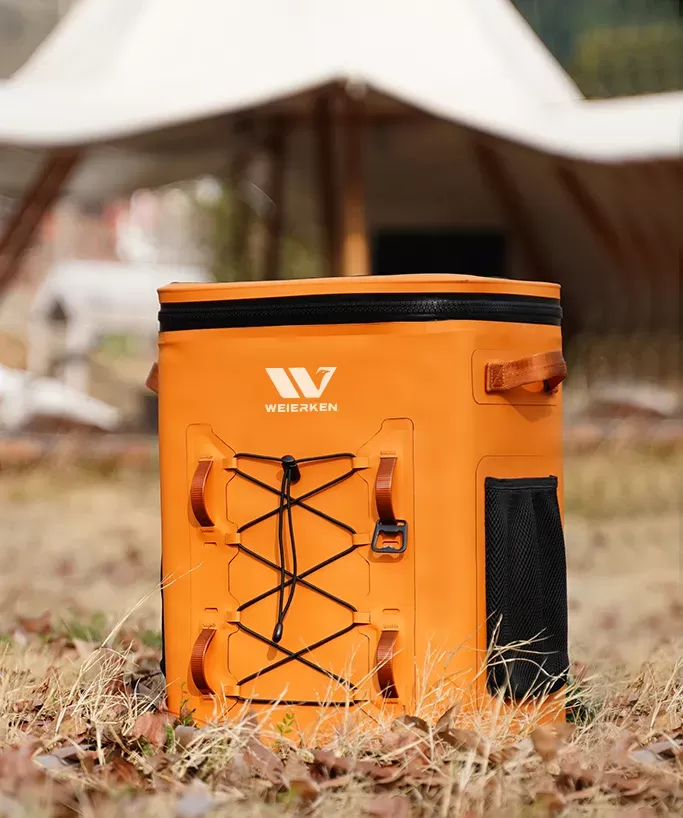

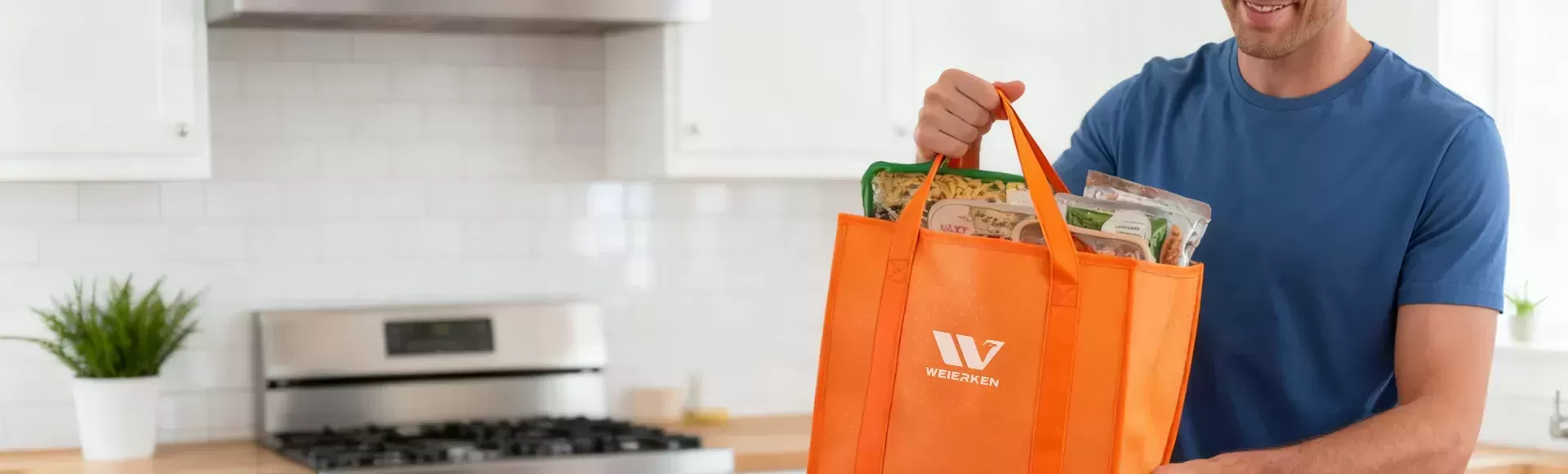
For catering brands, grocery delivery platforms, and cold-chain logistics providers, food safety does not end in the kitchen or the warehouse. The delivery phase represents a critical point in the supply chain. If food-grade standards fail during transit, risks like bacterial growth, chemical leaching, and unpleasant odors can arise. This can damage customer trust and lead to regulatory issues.
Choosing a reliable fresh food delivery bag maker is crucial for businesses that prioritize safe transport. A dedicated manufacturer like weierken approaches these products not merely as insulated carrying cases, but as food-contact containers that require strict quality controls. This article explains how professional manufacturers maintain food-grade standards from the initial raw materials to the final production steps.
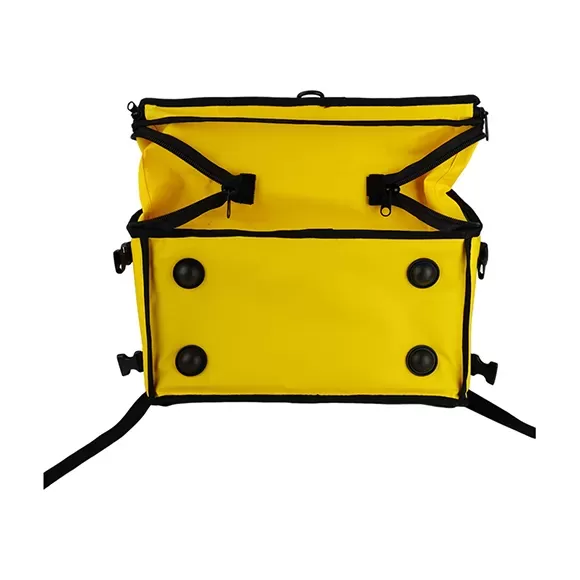
1. Strict Material Selection and Traceability
Food-grade quality begins with raw materials. Every component of an insulated delivery bag B2B buyers purchase must be safe, stable, and free from harmful chemical migration. Reputable manufacturers implement rigorous sourcing and tracking protocols to ensure compliance.
Inner Lining Materials
The interior lining directly faces the food packaging. Cheap manufacturers often use low-grade PVC because it is inexpensive. However, PVC can release harmful phthalates under heat. A responsible fresh food delivery bag maker avoids these materials. Instead, they utilize safer alternatives:
Aluminum Foil: This classic material offers excellent heat reflection. It is easy to clean and naturally non-toxic.
PEVA (Polyethylene Vinyl Acetate): This chlorine-free, eco-friendly material remains flexible at low temperatures and does not release toxic fumes.
Food-grade TPU (Thermoplastic Polyurethane): This material provides high wear resistance and oil resistance, making it suitable for heavy-duty food transport.
Antimicrobial Properties
Moisture and warmth inside a delivery bag can create an environment where bacteria grow. To address this, specialized manufacturers incorporate antimicrobial additives into the lining. These agents help inhibit common pathogens like Escherichia coli and Staphylococcus aureus, helping maintain clean interiors between deliveries.
Non-Toxic Accessories
A true food-grade delivery bag manufacturer checks more than just the large fabric panels. They also inspect accessories. Zippers, sewing threads, buckles, and hook-and-loop fasteners must be free from heavy metals and volatile organic compounds (VOCs). This ensures that no harmful chemicals evaporate inside the bag during hot food transport.
2. Advanced Manufacturing Processes and Hygiene Control
High-quality raw materials are only the first step. The manufacturing environment and assembly techniques must also prevent contamination to ensure the products remain safe for food transport.
As a seasoned thermal delivery bag supplier, weierken manages clean production workshops. This helps minimize dust, threads, and chemical residues from settling on the products during assembly.
Seamless Heat-Sealing Technology
Standard industrial sewing machines puncture the fabric with needles. In a food delivery bag, these tiny needle holes can allow liquid spills to seep into the internal foam insulation. Once liquid gets trapped inside the foam, it becomes nearly impossible to clean, leading to mold and bad smells.
To prevent this, professional manufacturers use high-frequency welding or hot-melt seam sealing. This process uses heat and pressure to fuse the inner lining panels together. The result is a completely waterproof, seamless interior. Delivery drivers can quickly wipe away spills, maintaining a hygienic environment for subsequent orders.
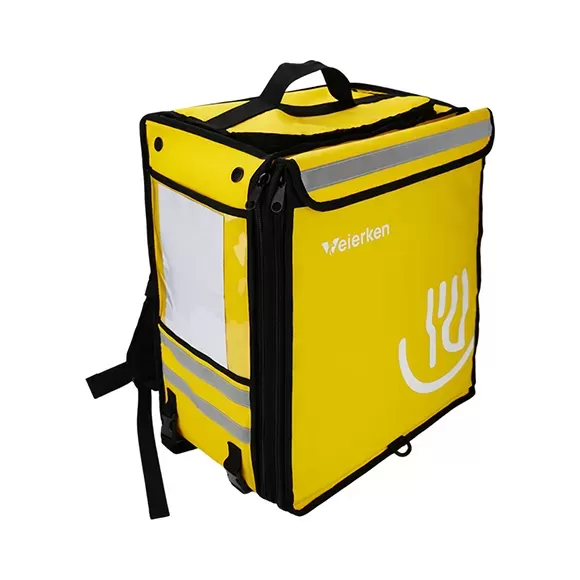
3. Rigorous Testing for Real-World Reliability
A reliable fresh food delivery bag maker does not rely on guesswork. They verify safety and durability through a series of physical and chemical tests before shipping their products.
Thermal Retention Testing
Manufacturers test their bags in environmental chambers that simulate extreme weather. They measure how well the bags maintain hot or cold temperatures over hours. This step helps ensure that perishables like meat, dairy, and seafood stay within safe temperature ranges to prevent bacterial growth.
Load-Bearing and Stress Tests
Delivery bags face rough handling daily. Testing teams place heavy weights inside the bags and subject them to machine-driven shaking, drop tests, and handle-pulling tests. This ensures that seams do not rip and straps do not break during active service.
Chemical and Wash Resistance
Food delivery bags require frequent cleaning with sanitizing sprays and alcohol. Manufacturers test the interior and exterior fabrics against common cleaning agents. These materials must not degrade, discolor, or release odors when exposed to sanitizers.
4. Certifications and International Standards
For B2B buyers, certificates provide objective proof of quality. When vetting a thermal delivery bag supplier, look for compliance with recognized international standards:
FDA & EU Food Contact Regulations: These certifications confirm that the liner materials are safe for direct or indirect food contact and will not leach harmful substances.
ISO 9001: This standard demonstrates that the manufacturer has a consistent quality management system in place.
ISO 22000 / HACCP: While usually meant for food processors, manufacturers aligned with these standards show a deep understanding of food safety hazards.
REACH & RoHS: These certifications ensure the textiles, dyes, and plastics do not contain restricted hazardous substances.
By sourcing from a certified manufacturer, procurement managers can protect their brands from liability and ensure compliance with local health department regulations.
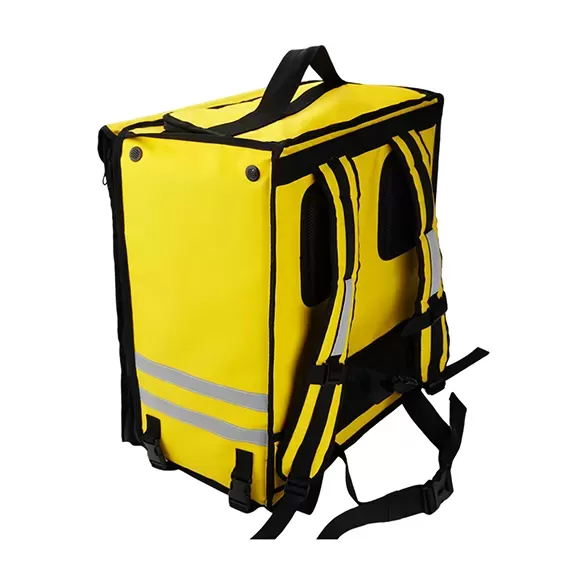
Partner with a Trusted Manufacturer
Maintaining food-grade quality requires a commitment to sourcing reliable raw materials, investing in advanced seamless production, and conducting thorough testing. Cutting corners on these steps can lead to safety risks and frequent replacement costs.
If you are looking for a reliable partner to supply your business, weierken offers structured manufacturing processes designed to meet strict food safety standards. We work closely with our B2B clients to provide durable, compliant, and highly insulated solutions tailored to your logistics needs.
Are you ready to upgrade your delivery fleet with certified, food-safe gear? Contact our team today to discuss your custom specifications or request a competitive quote.
Frequently Asked Questions
1. Why is PVC avoided in food-grade delivery bags?
Standard PVC often contains phthalates and plasticizers to make it flexible. These chemicals can migrate into food packaging, especially when exposed to heat and moisture. High-quality manufacturers use PEVA, TPU, or aluminum foil instead.
2. How does seamless heat-sealing improve food safety?
Traditional sewing leaves needle holes where liquids can seep into the insulation layer. Once wet, the interior foam can grow mold and bacteria. Heat-sealing fuses the materials together, creating a waterproof barrier that is easy to sanitize.
3. What are the most important certifications for food safe delivery bags?
Look for FDA compliance or EU food contact test reports for the lining material. Additionally, ISO 9001 certification indicates consistent manufacturing quality, and REACH/RoHS compliance ensures no toxic heavy metals are present.
4. Can these delivery bags be cleaned with industrial sanitizers?
Yes. Professional manufacturers select chemical-resistant materials. This allows the bags to be wiped down daily with alcohol-based sanitizers or mild detergents without degrading the material or releasing fumes.
5. What is the typical lifespan of a professional-grade delivery bag?
A high-quality bag built by an experienced fresh food delivery bag maker typically lasts between 12 to 24 months of daily commercial use. Lifespan depends on handling, cleaning practices, and load weight.