


For any groceries freezer distributor, the humble delivery bag is not merely a container; it is the final line of defense in a complex cold chain. It is the shield that protects product integrity, the physical touchpoint of customer satisfaction, and a critical variable in operational costs.
Choosing the wrong bag leads to melted ice cream, spoiled meat, leaked fluids, and ultimately, churned customers. Conversely, selecting the right insulated packaging can streamline logistics, reduce waste, and elevate your brand image. Whether you are a procurement officer, an operations manager, or a quality control lead, this guide breaks down the systematic framework for selecting the perfect delivery vessel.
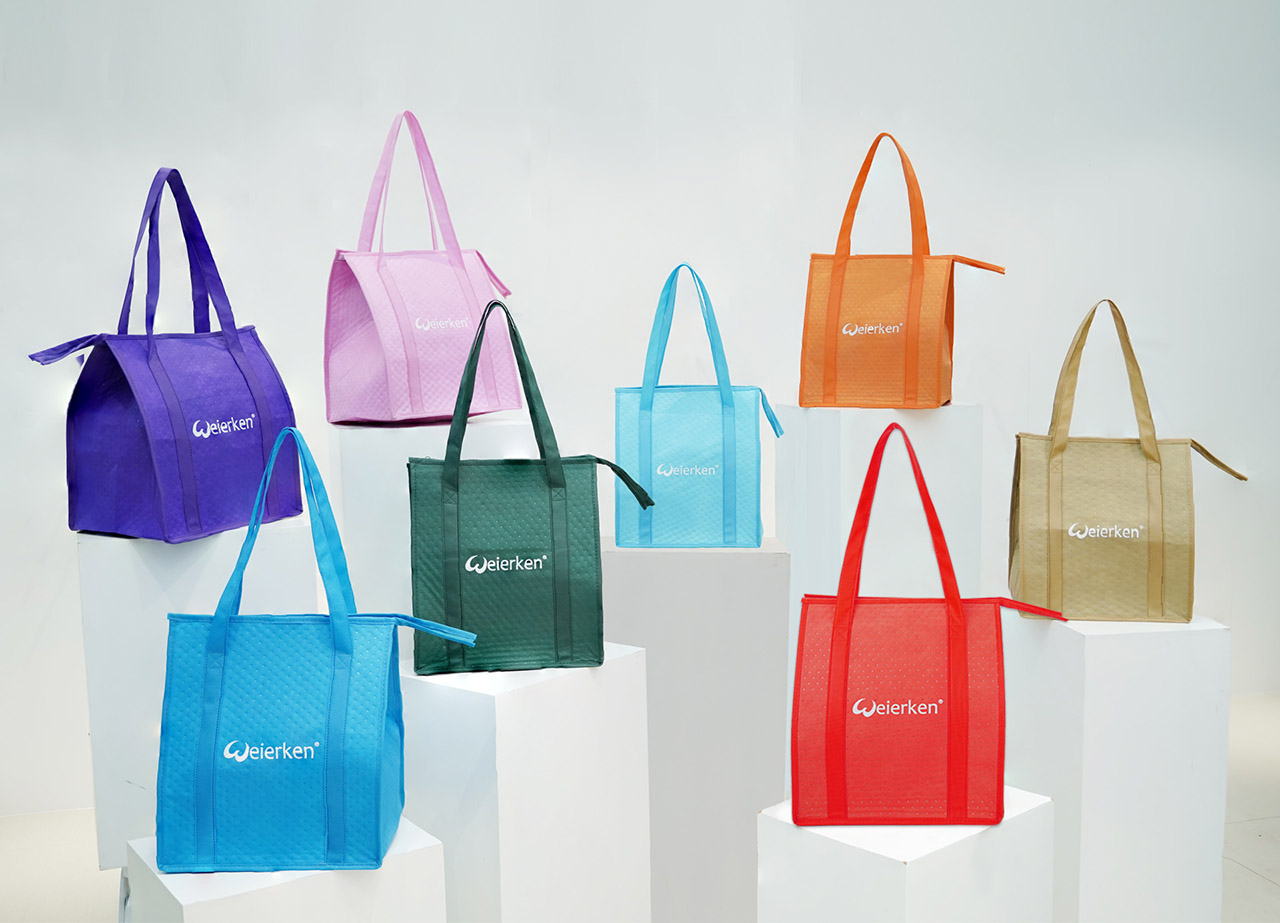
In an industry where margins are thin and temperature sensitivity is high, brands like weierken have set a benchmark by understanding that a bag is an engineering solution, not just a fabric sack. Here is how industry pros should evaluate their options.

Performance First: Scientifically Deconstructing Temperature Retention
The primary mandate of a groceries freezer distributor is to maintain the “cold chain” unbroken until the customer unpacks their goods. Therefore, the first criteria for selection must be thermal physics, not price.
Thermal Retention and Material Science
You cannot rely on guesswork. You need data. When evaluating a delivery bag, you are essentially evaluating a portable refrigeration unit that runs without electricity. The core assessment must focus on the bag’s ability to hold internal temperatures within the safe zone (usually below -18°C for deep freeze or 0-4°C for chilled goods) against a hostile ambient environment.
- Insulation Density: Look beyond the “foil lining.” The most effective bags use high-density polyethylene (PE) foam or polyurethane. The thickness matters, but the density determines the thermal resistance (R-value). A thinner, high-density foam often outperforms a thick, low-density sponge.
- Phase Change Materials (PCM): Advanced distributors are moving toward bags compatible with specific PCMs (gel packs or eutectic plates). You must verify the latent heat capacity of these materials. How long can they maintain the phase change before the temperature spikes?
- Decay Rates: Ask suppliers for degradation curves. How does the insulation perform after 100 uses? Does the foam compress and lose its thermal pockets? Reliable manufacturers, such as those supplying high-end solutions like weierken, often test their materials against repeated stress to ensure the 500th delivery is as safe as the first.
Sealing Integrity and Structural Reliability
Cold air is heavy; it sinks. Warm air is invasive; it penetrates through gaps.
- Closure Systems: A zipper is often the weak link. Assess the sealing mechanism critically. Is it a standard coil zipper (prone to leakage) or a waterproof, airtight zipper? Velcro is fast for drivers but often fails to create a true thermal seal over time as lint accumulates.
- Stress Points: A groceries freezer distributor deals with heavy loads—frozen turkeys, gallon jugs of milk, and dense meat packs. The structure must be reinforced. Check the stitching at the handles. Does the webbing go all the way around the bottom of the bag (load-bearing) or is it just stitched to the side fabric? The former lasts years; the latter tears in weeks.
Compliance and Safety Standards
Safety is non-negotiable. All materials used in the interior lining must be food-grade.
- Regulatory Adherence: Ensure the materials comply with FDA (USA) or EU food contact regulations. They must be non-toxic, odorless, and resistant to bacterial growth.
- Pharma-Grade Options: If your distribution network crosses over into delivering temperature-sensitive pharmaceuticals alongside groceries, the validation standards are stricter. You may need bags that are GDP (Good Distribution Practice) compliant.
Operational Fit: Boosting Efficiency Across the Chain
Once the physics are sorted, the logistics come into play. A bag that keeps ice frozen for 24 hours is useless if it doesn’t fit in your truck or takes five minutes to pack.
Standardization and Loading Efficiency
Space is money in last-mile logistics. The dimensions of your delivery bags should be mathematically optimized for your fleet.
- The “Tetris” Factor: If you use standardized totes or crates in your warehouse, the soft bags should nest perfectly inside them. Alternatively, if the bags are the primary vessel, they should stack securely in the delivery van without toppling.
- Menu-Based Sizing: Don’t buy one size fits all. Analyze your order data. If 60% of your orders are “family size” and 40% are “single servings,” your bag procurement should reflect that split to maximize vehicle fill rates.
Durability and Lifecycle Costs
For a groceries freezer distributor, the operational environment is brutal. Bags are dragged across concrete, thrown into vans, exposed to rain, and subjected to daily sanitization.
- The Washability Factor: Can the bag be machine washed, or does it require manual wiping? In a post-pandemic world, hygiene is paramount. Bags with removable inner liners or waterproof exteriors that can be hosed down save hundreds of labor hours.
- Abrasion Resistance: Look for exterior fabrics with high Denier ratings (e.g., 600D or 1680D Oxford cloth). These resist tearing and scuffing. Brands like weierken often emphasize these rugged exteriors because they understand that a torn outer shell compromises the insulation inside.
User Experience and Last-Mile Delivery
The driver and the customer are the end-users of this product.
- Driver Ergonomics: Is the bag designed for one-handed carrying? Does it have a shoulder strap for heavy loads? If a driver struggles with the bag, they are slower, and the risk of dropping the goods increases.
- The “Unboxing” Moment: When the customer opens the door, the bag represents your company. A floppy, stained, or torn bag screams “amateur.” A structured, crisp bag with a clear label pocket for the receipt enhances perceived value. Easy-open tabs are a small detail that customers appreciate when their hands are full.
Cost-Benefit Analysis: Beyond the Unit Price
A common pitfall for a groceries freezer distributor is fixating on the Purchase Price Variance (PPV). However, the cheapest bag is often the most expensive operational choice.
Total Cost of Ownership (TCO) Model
You must build a TCO model to make an informed decision. The formula should look something like this:
- TCO = (Acquisition Cost) + (Replacement Cost due to early failure) + (Cleaning/Sanitization Costs) + (Cost of Goods Sold (COGS) lost due to temperature failure) – (Brand Value/Customer Retention).
If a premium bag costs $20 and lasts 500 trips, the cost per trip is $0.04. If a cheap bag costs $5 but tears after 50 trips, the cost is $0.10 per trip—plus the environmental cost of disposal.
Investment Return Assessment
Consider the financial model of your assets.
- Rental vs. Ownership: Some distributors are exploring circular economy models where high-end insulated boxes are leased. However, owning your inventory allows for better branding.
- Asset Tracking: For high-value, high-performance bags, is it worth embedding RFID tags to prevent loss? This adds upfront cost but reduces the bleed of inventory disappearing with drivers or customers.
Supplier Assessment and Partnership Strategy
Finally, you are choosing a partner, not just a vendor. The supplier’s ability to scale and adapt to your needs is crucial.
Verifying Professional Capabilities
Don’t take their word for it. Demand proof.
- Third-Party Lab Reports: Ask for independent testing reports on thermal retention. If a supplier cannot provide a graph showing temperature loss over time in a controlled chamber, they are not a serious player for a groceries freezer distributor.
- R&D Depth: Does the supplier understand cold chain logistics? Can they discuss the specific latent heat requirements of your frozen peas versus your ice cream?
Supply Chain and Customization
- OEM flexibility: You want your logo on that bag, and you want it to look professional. Check the supplier’s printing capabilities. Can they customize the internal compartments? For instance, weierken is known for working closely with clients to modify designs—adding dividers or specific pockets—to suit unique SKU profiles.
- Capacity Stability: In peak seasons (like the holidays), can they ramp up production? A shortage of bags in December can cripple your operations.
Innovation in Cooperation
Move beyond transactional relationships.
- Joint Development: Work with manufacturers to develop proprietary insulation blends or custom sizes that fit your specific automation systems.
- Sustainability Goals: If your company has a “Green” mandate, partner with suppliers who offer recycled materials or fully recyclable insulation foams.
For a groceries freezer distributor, the delivery bag is the intersection of science, logistics, and marketing. It requires a rigorous selection process that prioritizes thermal performance, respects operational realities, and analyzes costs over the product’s entire lifecycle.
By moving away from commodity purchasing and toward strategic sourcing—evaluating insulation density, ergonomic design, and TCO—you safeguard your product and your reputation. Whether you are partnering with established industry names like weierken or developing a bespoke solution, remember: the quality of the bag determines the quality of the food on the customer’s table.
Frequently Asked Questions (FAQ)
Q1: What is the ideal insulation thickness for delivering frozen groceries?
A: There is no single “magic” thickness, as it depends on the material density. However, for a groceries freezer distributor targeting frozen goods (-18°C), a common standard is at least 8mm to 10mm of high-density PE foam, often combined with a reflective aluminum foil liner. For longer durations (over 4 hours), rigid insulation or vacuum insulation panels (VIP) may be necessary.
Q2: How often should delivery bags be replaced?
A: This depends on usage frequency and material quality. High-quality commercial delivery bags usually last between 6 to 12 months with daily use. Signs for replacement include torn inner linings (which harbor bacteria), broken zippers, or compressed insulation foam that no longer holds its shape.
Q3: Can we mix frozen and chilled goods in the same bag?
A: Yes, but it requires a bag with internal dividers or a “bag-in-bag” system. Using a physical separator helps create dual temperature zones. However, for maximum safety, many distributors prefer using separate bags or color-coded containers to prevent “cold burn” on chilled produce or thawing of frozen items.
Q4: How do I clean and sanitize reusable delivery bags?
A: Bags should be wiped down daily with food-safe sanitizing wipes. For deep cleaning, the bag should be made of materials that can withstand machine washing or high-pressure hosing with mild detergent. It is critical to dry the bags completely (preferably hanging upside down) to prevent mold growth in the seams.
Q5: Is it better to use gel packs or dry ice for frozen grocery delivery?
A: Gel packs (PCM) are generally safer and more reusable for standard grocery delivery. They maintain a steady temperature and don’t risk “burning” fresh produce if placed nearby. Dry ice is effective for deep freezing but is a consumable cost, requires hazardous material handling training for drivers, and can damage the fabric of some delivery bags if not properly shielded.
Q6: Why is the “weierken” brand mentioned in the context of delivery bags?
A: weierken is recognized as a manufacturer capable of producing high-standard cold chain packaging. Mentioning them highlights the importance of choosing suppliers who specialize in thermal retention technology and durability, rather than generalist bag manufacturers.


