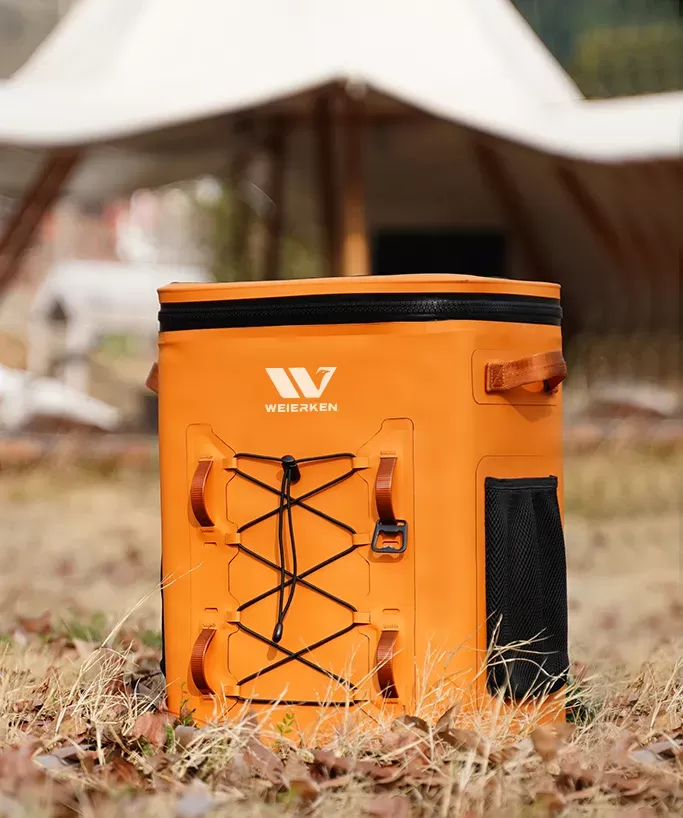

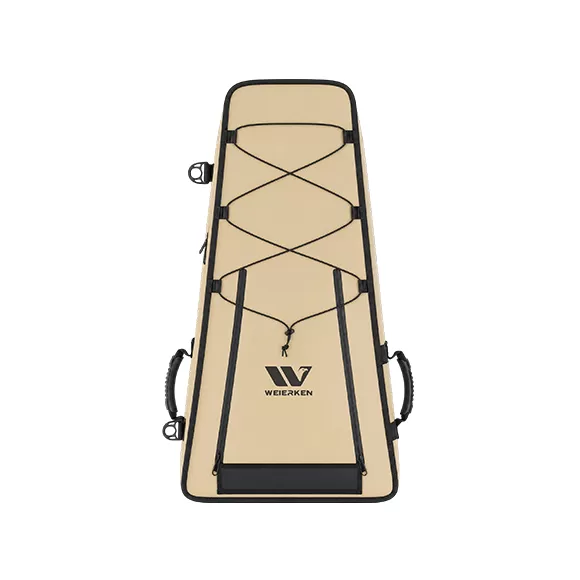
Fishing gear expectations have shifted dramatically. Anglers no longer accept flimsy duffel bags with generic pockets. They demand technical tackle storage systems engineered for specific environments, modular utility boxes, and extreme weather.
For outdoor brands, procurement teams, and tackle distributors, sourcing the right manufacturing partner for 2026 requires looking past surface-level quotes. Global trade tariffs, strict environmental bans on PFAS chemicals, and rising raw material costs mean that selecting the wrong partner can compromise your margins and brand reputation.
This B2B sourcing guide breaks down the core technical, logistical, and compliance factors you must evaluate when auditing an OEM partner. Whether developing heavy-duty offshore bags or lightweight wading sling packs with technical producers like Weierken, use this framework to secure your production line.
1. Technical & Engineering Capabilities for Tackle Storage
A standard luggage factory cannot manufacture high-performance fishing bags. Fishing gear storage requires specific structural reinforcement, saltwater-resistant hardware, and specialized compartmentalization.
Modular & Tray-Fit Engineering
Modern tackle bags must integrate seamlessly with industry-standard utility trays, primarily the Plano and Meiho 3600 and 3700 footprint series. Your factory must build to exact interior tolerances.
Precision Cavity Sizing: Internal compartments must hold full tackle trays snug without pinching the main zippers.
Load-Bearing Divider Systems: Internal Velcro dividers must use high-density EVA foam or PE board backing. This prevents interior collapse when loaded with heavy terminal tackle, lead weights, and metal jigs.
Drop-Front Access Panels: Factories need proven experience building quick-access front flaps that support horizontal tray loading without deforming the bag's frame.
Saltwater & Waterproof Construction
Salt spray and persistent moisture quickly destroy cheap components. A qualified tackle backpack OEM must demonstrate rigorous material-testing capabilities.
Corrosion-Resistant Hardware: Ensure the factory uses marine-grade nylon-coil zippers (such as YKK or SBS with salt-spray testing validation), stainless steel split rings, and acetal hardware that will not freeze up in marine conditions.
Compression-Molded EVA Bases: A 100% waterproof, thermoformed EVA bottom tub keeps the bag upright and stops standing water on boat decks or muddy banks from soaking through.
Radio Frequency (RF) Welding & TPU Lamination: For fully submersible or 100% waterproof tackle packs, your supplier must own and operate high-frequency welding machines rather than relying purely on taped needle stitching.
Heavy-Duty Ergonomics & Load Dispersion
Fully loaded 3700-size tackle bags regularly weigh between 10 kg and 20 kg. Poorly distributed weight causes seam tearing and severe user fatigue.
Look for suppliers proficient in multi-layer strap engineering. This includes perforated 3D honeycomb air mesh, dual-density EVA shoulder foam, and reinforced bar-tack stitching at all primary structural load points.
2. Supply Chain Resilience and Geopolitical Strategy for 2026
Relying on a single manufacturing origin introduces significant tariff and operational risks. Global brands now look for supply chain agility to protect their landed margins.
The Dual-Hub Manufacturing Model
The most resilient sourcing strategy blends the technical maturity of Chinese manufacturing with the tariff advantages of Southeast Asian facilities.
China Hub: Ideal for rapid prototyping (14–21 days), advanced mold making (for EVA bases and custom pullers), and specialized fabric sourcing.
Southeast Asia Hub (e.g., Cambodia, Vietnam): Optimized for large-volume container production, offering substantial duty savings (such as GSP access or lower tariff brackets into North America and Europe).
Experienced manufacturers like Weierken manage dual-facility operations, allowing clients to develop complex samples in advanced R&D centers before shifting mass production to cost-optimized export zones.
End-to-End DDP Fulfillment
Evaluate whether your supplier can support Delivered Duty Paid (DDP) shipping terms. A manufacturer with integrated logistics management handles freight forwarding, customs clearance, and local inland transport, eliminating unexpected customs delays and surprise port fees.
3. ESG, Compliance, and Material Standards
Regulatory compliance is no longer optional. Mainstream outdoor retailers like Bass Pro Shops, Cabela’s, and European buying groups now audit their supply chain partners for strict environmental standards.
PFAS-Free Waterproofing (C0 DWR)
The phase-out of per- and polyfluoroalkyl substances (PFAS/PFCs) is active across multiple US states and the European Union. Your custom tackle bag manufacturer must use certified C0 durable water repellent (DWR) coatings.
Request documentation confirming that fabrics meet fluorocarbon-free standards without sacrificing water-beading performance or oil resistance.
Certified Recycled Fabrics (GRS rPET)
Modern consumers demand sustainable gear. Leading OEM suppliers source certified Global Recycled Standard (GRS) fabrics, such as 600D and 900D rPET polyester made from recycled plastic bottles, as well as recycled ballistic nylons.
Social Audits and Quality Certifications
Ensure the production plant holds valid third-party audit credentials before placing opening purchase orders:
BSCI / SEDEX SMETA: Verifies ethical labor standards, safe factory working conditions, and fair wages.
ISO 9001: Confirms standardized quality management processes across cutting, sewing, inspection, and packing.
REACH & California Prop 65: Ensures all vinyls, plastics, prints, and coatings are free from hazardous phthalates, lead, and heavy metals.
4. Agile Prototyping and Project Management
Your manufacturer should act as an extension of your product development team, identifying structural weaknesses in your design before cutting production fabrics.
Design for Manufacturing (DFM) Feedback
A capable engineering team analyzes your tech packs and suggests adjustments to lower production scrap, strengthen stress points, and reduce stitching complexity. Early DFM reviews save thousands of dollars during mass production.
Prototyping Speed and Sample Fidelity
Speed to market matters. Top-tier manufacturers maintain dedicated sample rooms that deliver functional counter-samples within 14 to 28 days.
Sample fidelity is critical: the sample you approve must match the mass production run down to thread gauge, zipper tolerance, and internal edge binding.
Defect Control & Quality Assurance Protocols
Ask prospective suppliers to define their internal quality control metrics. Professional bag factories operate three distinct inspection gates:
IQC (Incoming Quality Control): Fabric tensile testing, zipper cycle checks, and color-fastness verification before cutting.
IPQC (In-Process Quality Control): Line inspections for needle spacing, stitch tension, and seam-allowance consistency.
FQC (Final Quality Control): 100% aesthetic inspection and AQL 1.5/2.5 functional checks prior to boxing.
5. Sourcing Scorecard: Evaluating Tackle Bag Factories
Use this quick evaluation matrix during your factory selection process:
| Audit Criteria | Baseline Requirement | Best-in-Class Benchmark |
|---|---|---|
| Manufacturing Track Record | General backpack production (3+ years) | 10+ years specialized in technical fishing/outdoor gear |
| Submersible & Molded Capabilities | Outsourced EVA / Cut-and-sew only | In-house compression EVA molding and RF welding |
| Tariff Mitigation | Single-country production | Dual-hub capacity (China R&D + SE Asia mass production) |
| Environmental Compliance | Standard C6/C8 DWR coatings | Certified PFAS-Free (C0) + GRS Recycled Fabrics |
| Prototyping Lead Time | 35–45 days with multiple revisions | 14–21 days with 90%+ first-pass tech pack fidelity |
Frequently Asked Questions (FAQ)
Q1: What is the standard MOQ for a custom tackle bag order?
A1: For full custom OEM orders requiring bespoke colors, branded hardware, and customized EVA bottom tubs, standard minimum order quantities (MOQs) typically range from 500 to 1,000 units per style. Simpler variations using stock fabrics may support lower opening runs.
Q2: How do factories ensure tackle bags fit Plano 3600 and 3700 boxes accurately?
A2: Professional fishing gear manufacturers maintain physical sets of standard utility boxes in their R&D pattern rooms. They engineer pattern templates with deliberate 5mm to 10mm clearance allowances around utility box clusters, ensuring smooth insertion even when outer accessory pockets are packed tight.
Q3: What makes a saltwater tackle bag different from a standard outdoor backpack?
A3: Saltwater tackle bags require non-corrosive plastic or nylon coil hardware, drainage grommets in external mesh pouches, UV-stabilized exterior fabrics, and heavy-gauge stitching treated to resist salt degradation and sun rotting.
Q4: How does the PFAS ban impact tackle bag material selection?
A4: Manufacturers must now coat nylon and polyester fabrics with non-fluorinated C0 water-repellent chemicals or use laminated TPU/PU membranes. Professional manufacturers provide third-party test reports confirming zero detectable fluorine compounds before export.
Q5: What is the typical lead time from design approval to delivery?
A5: Following tech pack approval, initial prototyping takes 2 to 3 weeks. Once the golden sample is confirmed, mass production typically takes 45 to 60 days. Ocean freight adds 20 to 35 days depending on the final port destination.
Q6: Can we develop custom molded EVA tool holders and plier sheaths?
A6: Yes. Specialized manufacturers like Weierken build custom aluminum tooling molds to produce thermoformed EVA side pockets, hard plier holsters, and structured sunglasses cases integrated directly into the bag's exterior.
Choose the Right Partner for Your 2026 Tackle Line
Sourcing an experienced custom tackle bag manufacturer requires balancing technical engineering, material compliance, and international supply chain agility. By selecting an OEM partner that understands both the practical demands of anglers and the business realities of global logistics, you secure higher margins, fewer customer returns, and stronger market growth.
Planning your next fishing luggage line? Contact the technical bag engineering team at Weierken today to request a custom DFM review, review material swatch catalogs, or start sample development for your brand.