Picture this: It is the height of the cycling season. The weather is perfect, bike sales are surging, and your customers are eager to outfit their new rides with gear. But there is a problem. Your accessory wall is empty. Your current supplier is citing “unforeseen logistic delays” for the third time this quarter. For any B2B buyer—whether you are a procurement manager for a retail chain or a brand owner—this is the nightmare scenario.
Selecting the right partner is not just about finding the lowest price per unit. It is about securing a lifeline for your business revenue. In the competitive world of outdoor gear, a competent riding bag distributor acts as the engine room of your accessory sales, ensuring quality, availability, and innovation align with your brand’s reputation.
Companies like Weierken have long understood that for a distributor to be truly effective, they must be more than just a middleman; they must be a strategic asset. This guide digs deep into the qualifications and capabilities you need to analyze to ensure you are partnering with a distributor who can scale with you, not hold you back.
The Evolving Landscape of the Cycling Accessory Market
The cycling industry has moved far beyond the simple binary of “road bikes” and “mountain bikes.” Today, the market is segmented into complex niches: gravel grinding, urban commuting, bikepacking, and the explosive growth of e-bikes.
Market Scale and Growth Trends
The global cycling accessory market is experiencing a significant upswing. As consumers increasingly view cycling as a lifestyle choice rather than just a sport, the demand for high-quality storage solutions has skyrocketed. Commuters need waterproof panniers for laptops; gravel riders need aerodynamic frame bags; and touring enthusiasts require rugged, high-capacity seat packs.
For a B2B buyer, this means your riding bag distributor must have their finger on the pulse of these micro-trends. A distributor stuck in the past, offering only generic heavy canvas bags, will result in dead stock on your shelves. You need partners who anticipate the shift toward lightweight, durable materials like TPU and Cordura.
Core Demands of B2B Clients
Retailers and corporate buyers have specific pain points that differ vastly from individual consumers.
- Retailers: Need high turnover, attractive packaging, and healthy margins.
- Bike Brands: Need accessories that match the aesthetic and engineering quality of their bicycles.
- Corporate Buyers: Need consistency and the ability to handle bulk orders for events or employee perks.
The ideal riding bag distributor understands these distinct needs. They recognize that a delay in shipping to a retailer isn’t just an inconvenience; it is a lost season.
Criteria for Evaluating a Reliable Distributor
When you are vetting potential partners, you need a rigorous checklist. Trust is good, but verification is better. Here is how to dissect the capabilities of a potential partner.
1. Qualifications and Certifications
The first step is establishing legitimacy. The market is flooded with “fly-by-night” operators. A professional riding bag distributor should be transparent about their business standing.
Look for a valid business license and, more importantly, brand authorization if they are distributing third-party brands. However, if they are a manufacturer-distributor (like Weierken), check for factory certifications. Look for ISO 9001 for quality management systems. This certification tells you that they have a process in place to ensure consistency. If you are targeting eco-conscious consumers, ask for BSCI (Business Social Compliance Initiative) audits or Bluesign material certifications. These documents are proof that the distributor operates ethically and produces safe products.
2. Supply Chain Capabilities
This is often where the relationship lives or dies. You need to assess their “Inventory Depth.” Does the riding bag distributor keep enough stock of best-selling SKUs to handle a sudden spike in demand? Or do they operate on a razor-thin Just-In-Time model that leaves you vulnerable?
Replenishment Speed: Ask for their average lead time during peak and off-peak seasons. A reliable partner should have a robust logistics network. If they are sourcing from overseas, do they have experience with customs clearance and freight forwarding to ensure your goods don’t get stuck at the port?
Cross-border capabilities: For global brands, the distributor must understand international shipping regulations, duties, and packaging standards.
3. Product Line Diversity and Customization
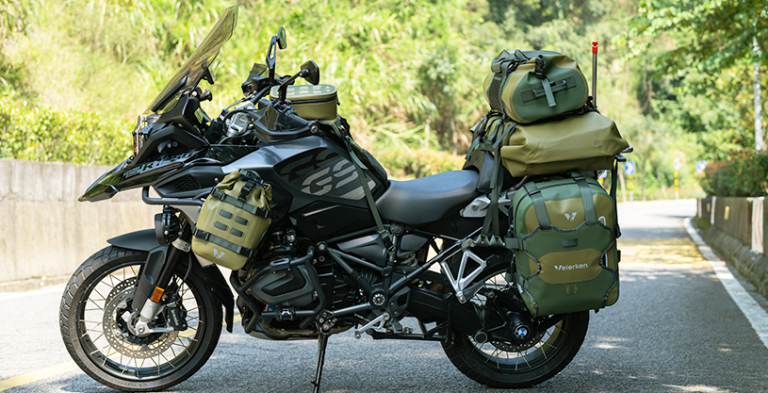
A top-tier riding bag distributor should offer a “One-Stop-Shop” experience. You want to be able to source handlebar bags, saddlebags, panniers, and hydration packs from a single source to simplify your procurement.
Furthermore, investigate their OEM/ODM capabilities. In the current market, differentiation is key. You might want a specific colorway to match your bike frame launch, or a logo placement for a corporate event. Companies like Weierken excel in this area, offering the flexibility to tweak designs or materials to suit specific B2B client needs. A distributor that rigidly sticks to a catalog without offering customization is often a bottleneck for your brand’s growth.
4. Market Support and After-Sales Service
The job isn’t done when the pallet arrives at your warehouse. How does the riding bag distributor support your sell-through?
- Marketing Materials: Do they provide high-resolution images, lifestyle videos, and detailed spec sheets? This saves your marketing team dozens of hours.
- Training: Do they offer product knowledge sessions for your sales staff? Your team can’t sell what they don’t understand.
- Warranty and Returns: What happens when a zipper fails? A clear, fair Return Merchandise Authorization (RMA) policy is non-negotiable. If they fight you on every defective unit, they are costing you money.
Analyzing Cooperation Models and Risk Management
Once you have identified a potential candidate, you need to structure the deal. The terms of your agreement define the financial health of the partnership.
Navigating the Terms
Pay close attention to the Minimum Order Quantity (MOQ). Some distributors demand massive MOQs that tie up your cash flow. A flexible riding bag distributor will often allow for smaller initial batches to test the market.
Payment Terms: Are they demanding 100% upfront? Or do they offer net-30 or net-60 terms after a credit check? The latter shows financial stability on their part and trust in your partnership.
Regional Protection: If you are a retailer, you don’t want the shop down the street selling the exact same exclusive line. Discuss territory exclusivity or channel protection early in the negotiation.
Reducing the Risks
B2B transactions carry significant risk. To mitigate this:
- Background Checks: Don’t just rely on their website. Check trade references. Call other retailers who use them.
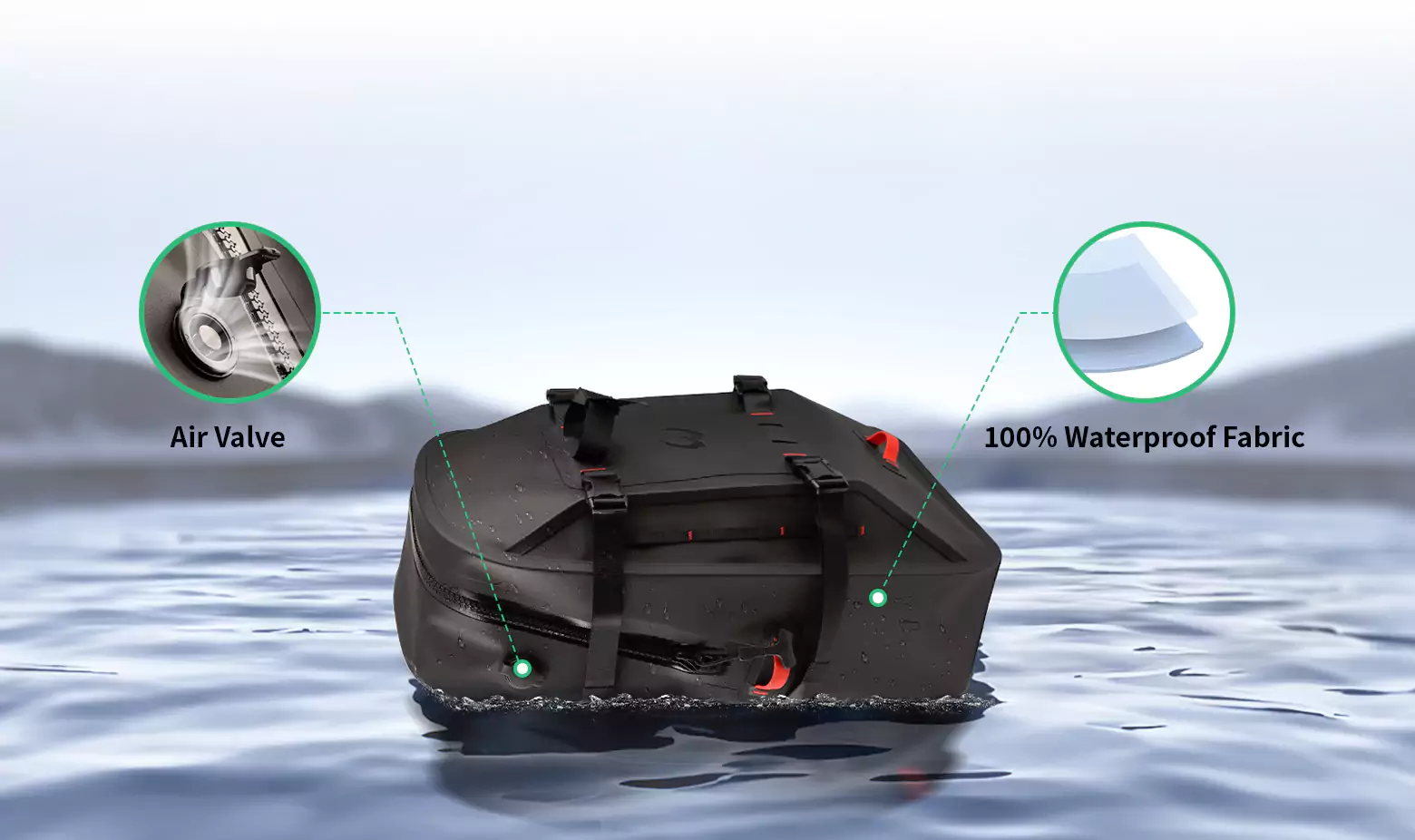
- Sample Evaluation: Never place a bulk order without seeing a production sample. Test the stitching, the waterproofing, and the zippers.
- Trial Orders: Start with a small pilot order to test their logistics. Did it arrive on time? Was the packaging damaged? Was the invoice accurate?
Industry Insights: Future-Proofing Your Supply
The cycling industry is innovating rapidly. A forward-thinking riding bag distributor helps you stay ahead of the curve.
Sustainable Materials
Sustainability is no longer a niche; it is a requirement for many Western markets. Distributors should be sourcing bags made from recycled PET (rPET) or PVC-free materials. Clients are increasingly asking for the carbon footprint of their gear. Your distributor needs to have answers, or better yet, solutions that align with these values.
Smart Integration
We are seeing a convergence of tech and textiles. Bags with integrated LED lighting for safety, solar charging panels, or compartments designed specifically for e-bike batteries are becoming popular. A capable riding bag distributor is already researching or stocking these next-gen items, ensuring you aren’t left selling obsolete gear in five years.
Actionable Guide: Selecting Your Partner
Ready to make a choice? Here is a practical roadmap for B2B buyers to select the best riding bag distributor.
Step 1: Needs Assessment
Define your volume, your target price point, and your “must-have” features (e.g., waterproof, reflective).
Step 2: Long-List Generation
Use trade shows (like Eurobike or Taipei Cycle), industry directories, and LinkedIn to find potential partners.
Step 3: The Filter
Send a Request for Information (RFI). Ask specifically about their QC process, their factory locations, and their current stock levels. Eliminate anyone who is vague.
Step 4: The Visit (or Virtual Tour)
If possible, visit the facility. If not, request a live video tour. See the warehouse. Is it organized? Is it clean?
Step 5: The Test
Order samples of their “hero products.” Abuse them. If the bag fails your test, it will fail your customer.
Step 6: The Negotiation
Focus on long-term value over immediate price. A slightly higher unit cost is worth it for a distributor who guarantees 99% on-time delivery.
Finding the right riding bag distributor is a strategic maneuver that stabilizes your supply chain and protects your brand reputation. It requires looking beyond the brochure and analyzing the operational reality of the company. You need a partner with certified quality, logistical agility, and a pulse on market trends.
Whether you are looking for standard commuting gear or specialized touring equipment, prioritizing reliability will always yield better long-term ROI than chasing the cheapest option. Brands like Weierken represent the tier of partner that B2B buyers should aim for—capable of delivering quality product while understanding the nuance of commercial cooperation. Take the time to vet your options using the criteria above, and you will build a supply chain that drives your business forward.
FAQ: Common Questions About Riding Bag Distribution
Q1: What is the most critical factor to check when verifying a riding bag distributor?
A1: While price is important, the most critical factor is supply chain consistency. You must verify their “In-Full, On-Time” (IFOT) delivery rates. A riding bag distributor with cheap prices but erratic delivery schedules will cause you to miss seasonal sales windows, which is far more costly than a slightly higher unit price. Always ask for references regarding their logistics reliability.
Q2: How do I handle Minimum Order Quantities (MOQs) with a new distributor?
A2: Negotiation is key. Many distributors list high MOQs standardly but are willing to lower them for a “trial order” or if you agree to a higher unit price for the first batch. Ask if they can aggregate orders with other clients or if they have “ready stock” items that have lower or no MOQ requirements compared to custom OEM orders.
Q3: Can a riding bag distributor help with product design and branding?
A3: Yes, capable distributors often offer OEM (Original Equipment Manufacturer) and ODM (Original Design Manufacturer) services. This means they can take your logo and apply it to existing designs, or help you engineer a bag from scratch. If brand differentiation is important to you, prioritize a distributor that has an in-house design or prototyping team.
Q4: What certifications should I look for in a distributor’s products?
A4: Look for ISO 9001 for quality management, which ensures consistent manufacturing. For materials, look for Bluesign or Oeko-Tex if sustainability is a concern. If the bags are marketed as waterproof, ask for IPX ratings (e.g., IPX6 or IPX7) and lab test reports to back up those claims.
Q5: How does a distributor handle defective products?
A5: A reliable riding bag distributor will have a clear Return Merchandise Authorization (RMA) policy. You should look for a policy that offers credit or replacement for manufacturing defects without requiring you to ship the defective low-value items back at your own cost. Always clarify the warranty period (e.g., 1 year vs. lifetime) before signing a contract.