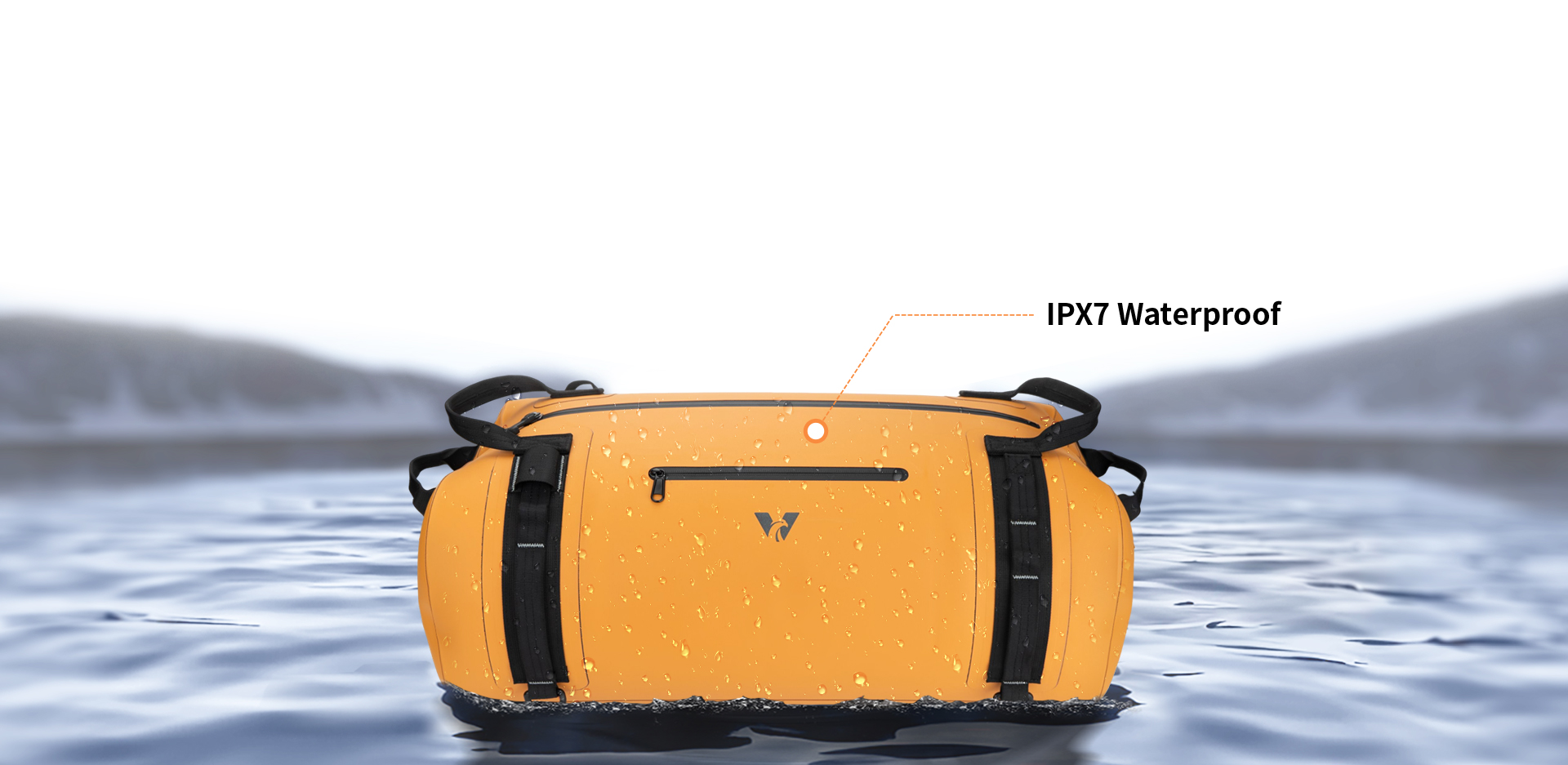
IPX7 signifies that a product can survive total submersion in 1 meter of water for exactly 30 minutes without leaking. Achieving this specific performance requires rigid quality control throughout the entire production cycle. As a B2B buyer, understanding these standards helps you evaluate a supplier’s quality assurance capabilities. It ensures consistency across your bulk orders and protects your brand reputation.
At weierken, we know that finding a trusted manufacturing partner means looking closely at how they test their products. A professional facility does not guess; they measure, test, and verify every batch. Below are the five core leak testing QC standards that every top-tier IPX7 bag fabricator follows to guarantee superior waterproof performance.
1. Incoming Material Inspection: Verifying Fabric and Accessory Waterproofing
The foundation of any IPX7 rating starts right at the raw materials. Manufacturers must conduct spot checks on all critical materials entering the warehouse before production begins. This step verifies that fabrics and trims meet strict design requirements. An experienced IPX7 bag fabricator never skips this stage. They know that poor raw materials ruin the entire production run.
Testing Standards
- Hydrostatic Pressure Test (ISO 811 / AATCC 127): This test verifies the fabric’s ability to resist water penetration under pressure. Technicians clamp the fabric into a testing machine that applies increasing water pressure. An IPX7 bag fabricator usually requires a fabric hydrostatic pressure of ≥5000mmH₂O to ensure safety margins.
- Seam Tape Peeling Test: Inspectors check the adhesion strength between the waterproof seam tape and the main fabric. They use a tensile testing machine to pull the tape apart. The standard demands a peeling force of ≥3N/mm to prevent delamination during use.
- Waterproof Zipper Spray Test: Quality control teams apply localized high-pressure spraying directly to the waterproof zippers. They monitor the zipper teeth and tape carefully. Inspectors check the reverse side for any tiny signs of water seepage.
The B2B Value
Catching material flaws early prevents inferior materials from entering the production line. This drastically reduces the risk of bulk quality accidents and costly delays. Buyers save time and avoid catastrophic product recalls down the line. Partnering with a strict IPX7 bag fabricator gives you confidence right from the material sourcing phase.
2. In-Process Inspection: Inline Air Leak Testing
During production, factory workers perform airtightness tests on semi-finished products. They test items that have just completed critical sealing processes like high-frequency welding or seam taping. Spotting leaks early avoids expensive rework later. Every serious IPX7 bag fabricator integrates this step directly into the daily assembly line routine.
Testing Standards
- Low-Pressure Airtightness Test: Technicians inflate the semi-finished bag to a specific pressure, typically around 5-10kPa. They seal the valve and hold this pressure for about 30 seconds. Machine sensors monitor the internal air pressure. A pressure drop of ≤5% means the item passes the test.
- Bubble Leak Testing: Workers inflate the semi-finished product completely and seal it shut. They then submerge the inflated bag entirely in a clear water tank. Workers watch closely for any continuous bubbles rising to the surface. Absolutely no bubbles mean a solid pass.
The B2B Value
Inline testing monitors the quality of key manufacturing steps in real time. You get the assurance that every single semi-finished item holds basic waterproof capabilities before workers add straps or hardware. It stops defective units from moving to the next production stage. A diligent IPX7 bag fabricator uses this method to maintain high yield rates and keep costs controlled for B2B clients.
3. Finished Product Sampling: Static Immersion Testing
Static immersion is the most direct way to verify the official IPX7 rating. It serves as the most critical quality control phase right before packaging and shipping. The IPX7 bag fabricator draws samples of the finished goods based on strict AQL (Acceptable Quality Limit) standard protocols. This step confirms the final assembly did not compromise the waterproofing.
Testing Standards
- IEC 60529 IPX7 Test: Quality teams submerge the sample completely in a 1-meter deep water tank. They secure the bag so it stays submerged for exactly 30 minutes. After removing the bag, they dry the exterior completely. Finally, they open it to inspect the inside and ensure it remains bone dry.
- Weight Comparison Method: Workers weigh the completely dry bag before the immersion test using high-precision scales. After the 30-minute test, they dry the outside and weigh it again. A weight increase of ≤1% indicates a pass. This method easily detects micro-seepage that the naked eye might miss.
- Sampling Standards: Facilities usually follow AQL 1.5 level II or specific client-mandated standards. The factory maintains absolute zero tolerance for critical defects like internal water pooling.
The B2B Value
Scientific sampling verifies the waterproof consistency of your batch products. This process significantly lowers the risk of customer complaints once the bags hit retail shelves. You can trust that your brand reputation remains intact. A transparent IPX7 bag fabricator will gladly share these immersion test reports with you before shipment.
4. Dynamic Simulation Testing: Waterproofing After Vibration and Bending
Static immersion alone does not replicate real-world dynamic scenarios. Top-tier suppliers, including reliable partners like weierken, add dynamic pre-treatment before running the final waterproof tests. A professional IPX7 bag fabricator knows that bags take a heavy beating in transit and during aggressive outdoor activities.
Testing Standards
- Vibration Testing (ISTA 1A / ASTM D999): Machines simulate the harsh vibrations a product experiences during long sea freight or truck routes. The machine shakes the packaged bags vigorously for a set time. Afterward, the team unpacks the bag and tests its waterproof integrity.
- Flex Fatigue Testing: Dedicated testing machines repeatedly bend folding areas, like roll tops or bag flaps, thousands of times. This simulates months of a user opening and closing the bag. Following this intense mechanical wear, the bag undergoes the standard 1-meter immersion testing.
- Drop Testing: Technicians fill the bag with a standard weight load. They drop the bag from a 1-meter height freely onto a hard concrete surface. They check the structural integrity of the welded seams before placing it in the water tank.
The B2B Value
Dynamic testing ensures the product maintains its IPX7 performance during actual rough usage. It greatly improves the end-user experience and builds brand loyalty. Buyers get peace of mind knowing the bags survive both shipping containers and rugged outdoor adventures. Working with a premium IPX7 bag fabricator means your gear works flawlessly in the real world.
5. Post-Aging Waterproof Testing: Environmental Simulation
Waterproof materials age over time. This natural aging process can cause performance drops, making materials brittle or adhesives weak. A high-quality IPX7 bag fabricator uses environmental simulation chambers to verify long-term product reliability. These rigorous tests separate premium dry bags from cheap, short-lived alternatives.
Testing Standards
- Thermal Shock Test (-20℃ to 60℃ cycle): Chambers simulate extreme day-to-night temperature changes and harsh weather conditions. The bag moves rapidly between freezing cold and extreme heat. After 3 to 5 full cycles, the bag must still pass waterproof immersion testing.
- UV Aging Test (ISO 4892-2): Specialized machines simulate long-term harsh sun exposure using ultraviolet lamps. After radiating the bag material for a set duration, such as 100 continuous hours, technicians test its water resistance. They look for surface cracking or seam degradation.
- Hydrolysis Aging Test (ISO 2440): Staff place the materials in a sealed chamber featuring high temperatures and high humidity for several days. They then test the fabric to ensure the waterproof coating (like TPU or PVC) hasn’t chemically broken down or peeled.
The B2B Value
These aging tests prove the waterproof durability of the product after prolonged outdoor use. It drastically reduces your after-sales warranty risks and return rates. Your customers receive gear that performs well for years, not just weeks. A capable IPX7 bag fabricator uses these results to select the best possible materials for your specific market.
Frequently Asked Questions (FAQ)
Q1: What exactly does an IPX7 rating mean for bags?
A: An IPX7 rating means the bag can withstand being completely submerged in water up to 1 meter deep for 30 minutes without leaking. An expert IPX7 bag fabricator uses advanced high-frequency welding techniques to achieve this. It prevents water from damaging sensitive electronics or clothing stored inside.
Q2: Why is the bubble test so important for a custom waterproof bag manufacturer?
A: The bubble test quickly identifies microscopic pinhole leaks along the welded seams or fabric surface. Factory workers pump air into the bag and push it underwater. If air escapes, bubbles form instantly, highlighting the exact spot of the defect for immediate correction.
Q3: Does an IPX7 bag fabricator test every single bag they produce?
A: Reputable manufacturers perform inline air testing on 100% of the semi-finished products. For the strict 30-minute water immersion test, they typically use AQL (Acceptable Quality Limit) sampling. This balances efficient production speed with high-level quality control.
Q4: Can long-term UV exposure ruin an IPX7 waterproof bag?
A: Poor-quality materials degrade and crack under harsh sunlight, causing leaks. That is why a leading IPX7 bag fabricator conducts stringent UV aging tests (ISO 4892-2). It guarantees the waterproof coating and welded seams hold up even after prolonged sun exposure on boats or beaches.
Q5: How do B2B buyers verify a manufacturer’s testing claims?
A: You should ask the supplier for detailed QC reports, material certifications, and video evidence of their factory testing processes. You can also hire third-party inspection agencies to visit the facility before shipping. Reliable suppliers welcome these audits with total transparency.
Partner With a Proven Manufacturer Today
Partnering with a factory that cuts corners on testing will cost you heavily in customer returns and ruined brand trust. You need a reliable partner who enforces strict, documented testing protocols from the raw material warehouse to final packaging.
At weierken, we build our reputation on uncompromised quality and highly transparent testing standards. We invest heavily in our testing equipment to ensure every batch meets your exact specifications. If you are looking for an experienced IPX7 bag fabricator for your next bulk order, let’s talk.
Ready to start your project? Send your inquiry today to get a detailed quote and discuss your custom waterproof bag requirements with our expert team.