


Sourcing the right products for your outdoor gear inventory is a critical decision. When summer approaches, the demand for high-quality thermal bags spikes. Retailers and brands often scramble to find a reliable bbq cooler bag distributor that can deliver goods on time and within budget.
The market offers two primary paths: Original Equipment Manufacturing (OEM) and full Customization. Choosing the right path depends on your business model, budget, and timeline. Whether you are a startup looking for quick stock or an established brand seeking a unique patent, understanding these models is essential. Companies like weierken have spent years bridging the gap between manufacturing capabilities and client needs, ensuring that whether you choose standard models or bespoke designs, the result meets market standards.
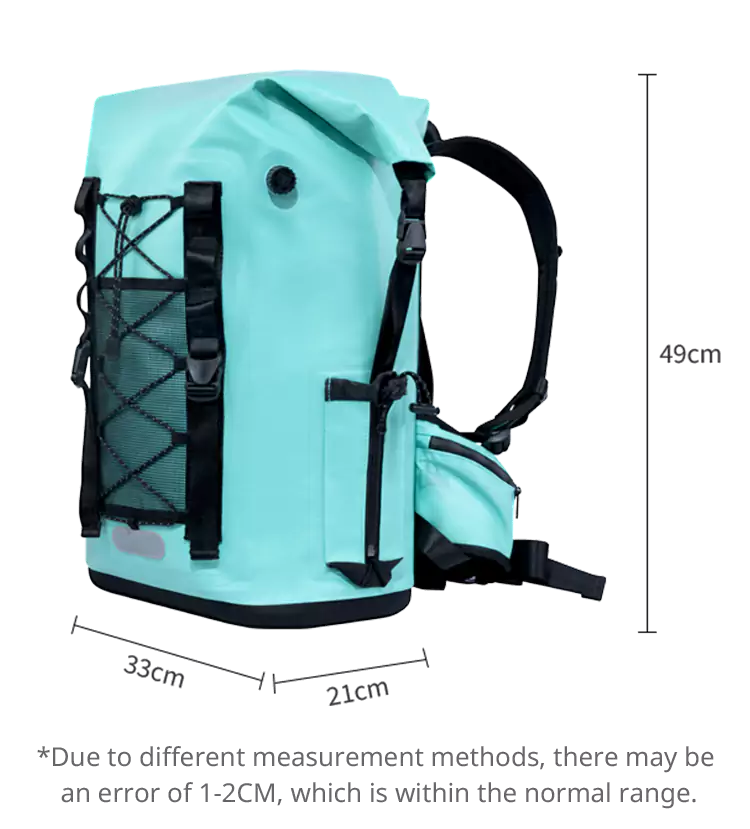
Deciding Between OEM and Custom Models
Before you sign a contract, you must define your product strategy. A professional bbq cooler bag distributor will usually offer both OEM and Custom services.
When to Choose OEM (Original Equipment Manufacturing)
OEM is the path of least resistance. In this scenario, the factory already owns the design and the molds. You are essentially selecting a product from a catalog and applying your branding to it.
This model is ideal for businesses that need to launch products quickly. If you want to test a new market without a massive upfront investment, OEM is your safety net. You save money because you do not pay for new molds.
Key advantages of OEM include:
- Speed to Market: Production starts almost immediately after artwork confirmation.
- Lower Risk: The product structure is already tested and proven in the market.
- Cost Efficiency: You avoid expensive R&D and tooling fees.
For example, if you find a wholesale cooler bag manufacturer with a solid existing design, you can simply add your logo and change the color scheme. This is a common strategy for promotional gift companies or seasonal retailers.
When to Opt for Full Customization (ODM)
Customization is for the visionaries. This approach is suitable when standard market options do not fit your brand’s narrative. Perhaps you need a bag that fits a specific set of BBQ tools, or you want a unique shape that stands out on the shelf.
A custom insulated bag supplier will work with you from the ground up. You control every aspect, from the type of zipper to the thickness of the insulation foam.
Choose customization if:
- Differentiation is Key: You need a product that looks nothing like your competitors.
- Specific Functionality: You require specialized compartments for sauces, utensils, or dry ice.
- Premium Positioning: Unique designs often command a higher retail price.
While this route requires more time and capital, it builds stronger brand equity.
The Road from Concept to Delivery
Collaborating with a bbq cooler bag distributor is a structured process. Understanding the workflow helps you manage expectations and avoid delays.
1. Requirement Analysis and Communication
Everything starts with a conversation. You need to clearly articulate your needs. Are you looking for a soft sided cooler bag or a rigid structure? What is your target price?
Efficient communication prevents errors later. Experienced partners like weierken will ask detailed questions about usage scenarios to recommend the right materials.
2. Design and Solution Confirmation
For OEM, this means selecting the model and placing your logo. For custom projects, this involves 3D renderings and technical drawings. You will review the dimensions and features to ensure they align with your vision.
3. Material and Craftsmanship Selection
This is where the quality is defined. You choose the outer fabric (e.g., Polyester, Nylon, TPU), the insulation type (PEVA, EPE foam), and the lining. The bbq cooler bag distributor should provide swatches for you to feel.
4. Prototyping and Testing
Never skip this step. The factory produces a pre-production sample. You must test this sample rigorously. Put ice in it. Carry it around. Check the stitching.
If the sample fails, the design is adjusted. Mass production should never begin until you sign off on a perfect sample.
5. Mass Production and Quality Control
Once the deposit is paid, the lines start running. A reliable promotional cooler bag supplier will have internal QC checks at various stages—cutting, sewing, and assembly.
6. Delivery and After-Sales
The final step is logistics. The goods are packed and shipped. However, the relationship doesn’t end there. Good distributors offer support if defects are found after delivery.

Cost Structures and Contract Terms
Money is often the deciding factor. The cost structure varies significantly between OEM and custom orders.
OEM Cost Breakdown:
- Tooling Fees: Usually zero. The molds exist.
- MOQ (Minimum Order Quantity): Generally lower (e.g., 500-1000 units).
- Unit Price: Lower due to standardized production flows.
- Lead Time: Short (30-45 days).
Custom Project Cost Breakdown:
- Tooling Fees: Can be high. You pay for cutting dies and hardware molds.
- MOQ: Higher (e.g., 1000-3000 units) to justify the setup.
- Design Fees: Some distributors charge for R&D time.
- Lead Time: Long (60-90 days including sampling).
When negotiating with a bbq cooler bag distributor, ensure these costs are transparent. Hidden fees can destroy your margin.
Where You Can Innovate: Customization Dimensions
If you choose the custom route, the sky is the limit. Here is where you can add value to your product.
Material Selection
The material dictates performance.
- Outer Shell: 600D or 900D Oxford cloth is standard. For a premium feel, ask your waterproof cooler bag factory about TPU (Thermoplastic Polyurethane), which is rugged and water-resistant.
- Insulation: Thickness matters. Standard bags use 5mm foam. High-performance bags might use 20mm closed-cell foam for multi-day ice retention.
- Eco-Friendly Options: Recycled PET (rPET) materials are trending. Brands like weierken can source certified eco-friendly fabrics to appeal to green consumers.
Functional Design
Think about the end-user at a BBQ.
- Dual Zones: A “wet” section for drinks and ice, and a “dry” section for buns and napkins.
- Tool Storage: Add pockets specifically designed for spatulas, tongs, and bottle openers.
- Ergonomics: Padded shoulder straps and reinforced handles are crucial for heavy loads.
- Smart Features: Some modern bags include built-in thermometers or USB ports for charging devices.
Appearance and Brand Presentation
Your bbq cooler bag distributor should offer various logo techniques.
- Embroidery: Durable and classic.
- Screen Printing: Cost-effective for large logos.
- Rubber Patches: Adds a tactical, rugged look.
- Custom Webbing: Print your slogan directly on the straps.
Protecting Your Business: Risks and Precautions
Outsourcing production carries risks. You need to protect your investment and your intellectual property.
Intellectual Property (IP) Rights
If you design a custom bag, who owns the design? Ensure your contract states that the molds and designs belong to you. A reputable bbq cooler bag distributor will sign a Non-Disclosure Agreement (NDA).
The “Golden Sample”
Always keep a “sealed sample” (or Golden Sample). This is the final approved prototype signed by both parties. If the mass production batch looks different from this sample, you have grounds to reject the shipment.
Contract Clauses
Your agreement must cover:
- Quality Standards: Define acceptable defect rates (AQL).
- Late Delivery Penalties: What happens if the outdoor gear manufacturer misses the shipping date?
- Product Liability: Ensure materials meet safety standards (FDA, LFGB, Prop 65).
FAQ: Partnering with a Distributor
Here are common questions buyers ask when looking for a bbq cooler bag distributor.
Q1: What is the typical MOQ for a custom BBQ cooler bag?
A: Most distributors require between 1,000 and 3,000 units for fully custom designs. However, for OEM orders using existing stock materials, the MOQ might be as low as 500 units.
Q2: How long does it take to get a sample?
A: A simple OEM sample with a logo print takes about 5-7 days. A fully custom prototype involving new patterns and materials can take 14-21 days, depending on the complexity.
Q3: Can the distributor ensure the materials are food safe?
A: Yes, a professional insulated bbq bag supplier must use food-grade linings (like PEVA or aluminum foil) that comply with FDA or LFGB standards. Always ask for test reports.
Q4: Do I need to pay for the molds?
A: If you are using an OEM design, usually no. If you are creating a custom shape or custom hardware (like a branded zipper pull), you will need to pay mold fees. These are often refundable after a certain order volume is reached.
Q5: How do I handle quality control if I am overseas?
A: You can hire a third-party inspection agency (like SGS or Intertek) to inspect the goods at the factory before final payment. Reliable partners like weierken also conduct internal QC and can provide video evidence of the inspection process.
Choosing the right bbq cooler bag distributor is about balancing cost, speed, and quality. Whether you opt for the efficiency of OEM or the distinctiveness of a custom design, clarity is your best tool. By understanding the production process, defining strict requirements, and protecting your legal interests, you can build a successful product line.
Manufacturers like weierken stand ready to guide you through this complex landscape, offering the expertise needed to turn a concept into a best-selling product. If you are ready to start your next project, do not hesitate to reach out.
Contact us today to send your inquiry and get a free quote for your BBQ cooler bag project.


