
Many B2B buyers approach packaging procurement with a visual mindset. They look at the exterior color, the logo placement, and the strap design. They often miss the structural engineering that keeps perishable food safe.
If you ship fresh greens, you already know how sensitive they are to temperature fluctuations. A reliable salad insulated tote factory focuses heavily on what happens inside the bag. At weierken, we approach manufacturing as an exact science rather than a simple sewing operation.
We know exactly what protects your ingredients during a harsh summer delivery route. Let me walk you through the manufacturing standards that separate premium commercial insulated bags from cheap retail alternatives.
The Invisible Liner Layering: Not All PEVA is Food-Grade
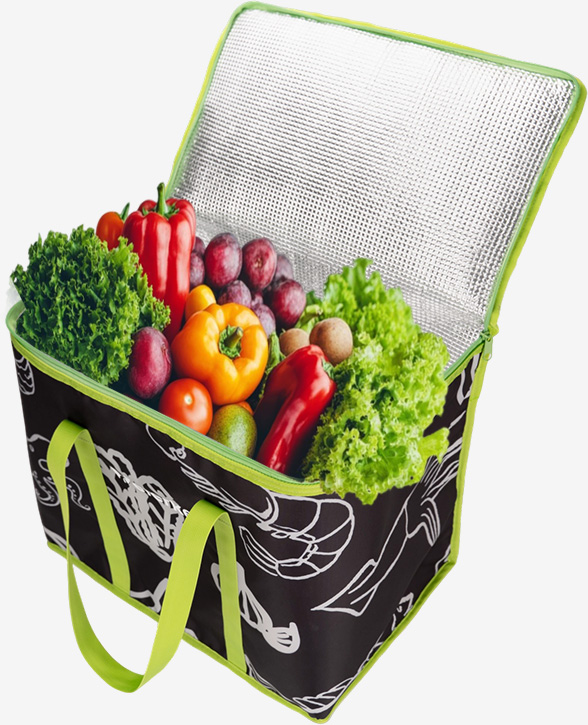
B2B clients frequently fall for the “thickened aluminum foil” sales pitch. Many suppliers use this phrase to mask inferior internal structures. In reality, the core performance of a salad bag relies entirely on the heat-sealing process and material density of the inner lining.
Low-end factories typically use a single layer of cheap pearl cotton. This material offers very short thermal retention. Worse, when condensation inevitably forms, water seeps into the middle layer and causes rapid mold growth.
Our secret lies in a sophisticated five-layer co-extrusion structure. We engineer our bags to meet the strict entry standards of major brands like Starbucks and Chipotle.
Outer layer: Heavy-duty waterproof Oxford cloth that resists tearing and abrasion.
Middle layer: High-density flame-retardant EPE foam for maximum temperature retention.
Inner layer: Double-layer antibacterial food-grade PEVA that touches the food containers safely.
The most critical component is the layer you never see. We insert an odorless ink barrier film directly into the middle of the lining. This specific barrier ensures that even if highly acidic salad dressings leak, the acid cannot corrode the industrial adhesives.
Without this barrier, acidic leaks cause rapid layer separation and terrible odors inside the bag. True thermal insulation materials must withstand chemical exposure just as well as temperature changes.
The 0.5mm Rule at Seams: Leak Prevention is Never Luck
Salad bags face one major enemy during transit: liquid leakage. Soup, dressing, and condensation can easily ruin a delivery vehicle. Market data shows that nearly 90% of food delivery packaging returns originate from pinhole leaks around the zipper seams.
Ordinary factories use standard round sewing needles to stitch their liners. These needles punch large holes through the material. Because the plastic lacks elasticity, those large holes never shrink back, creating open channels for water to escape.
Our production lines take a completely different approach to structural integrity.
We utilize imported German diamond-shaped cold needles for all initial stitching.
We follow up the physical stitching with advanced high-frequency welding technology.
We use exact voltage calibration to melt and bond the seams together.
On our factory floor, 0.5 millimeters is the absolute mandate for the heat-sealing margin. If we add one extra millimeter, we waste internal capacity. If we subtract one millimeter, the seam will inevitably leak under pressure.
This strict manufacturing tolerance is not just for show. It provides the most hardcore protection for cold chain distribution fleets looking to aggressively lower their cargo damage rates.
The Invisible Killer of Cold Retention: Zipper Rebound Angle
Very few procurement managers bother to measure the natural rebound angle of a closed zipper. They assume that if the zipper zips, the bag works. This oversight costs meal prep companies thousands of dollars in spoiled produce.
When you stuff a bag made with inferior zippers full of heavy meal prep containers, the tension alters the zipper track. The closure point naturally forms a tiny “V” shaped gap at the very end of the track.
Cold air, being heavier, literally pours out of this tiny gap. Warm air rushes in. By the time the delivery driver reaches the customer, the edges of the salad leaves have already started to turn black and wilt.
As a premium salad insulated tote factory, we engineered a specific solution for this exact problem. Weierken custom-orders #10 explosion-proof nylon heavy-duty zippers for our commercial lines.
Furthermore, we perform a strict pre-tension calibration on every zipper pull. This calibration guarantees that when the bag is stretched to maximum capacity, the zipper head locks dead onto the track at a perfect zero-degree angle.
The zipper cannot secretly slide open during transit. This small mechanical detail ensures your temperature control packaging maintains a completely sealed environment from the kitchen to the customer’s desk.
The B2B Cost Reduction Code: Flat Volume and Stacking Rate
For catering business owners and external delivery fleet managers, warehouse space equals money. You cannot afford to store thousands of bulky, rigid coolers that take up empty air in your fulfillment center.
We design our bags specifically with logistics cost reduction in mind. A bag must perform flawlessly when full, but it must practically disappear when empty.
We integrate flexible side triangular support panels and rigid bottom liner slots into our structural design. This engineering provides a massive operational advantage for B2B wholesale buyers.
The empty bags fold completely flat, reducing their footprint.
This flat-packing capability saves our clients up to 80% on shipping and warehouse storage fees.
The rigid inserts provide structural integrity when the bag is deployed.
When fully loaded with heavy food containers, you can stack our bags five layers high. Even under this significant weight, the stacking collapse rate remains strictly below 3%.
This metric directly impacts your daily labor costs. A low collapse rate means your dispatch managers do not have to pay an extra employee just to clean up and reorganize spilled food containers on the loading dock. Your bulk cooler bag supplier should make your operations smoother, not more complicated.
True Customization: From Mold Making to Antibacterial Reports
Many clients think customization just means choosing a fabric color and asking where the factory can print their logo. If you run a large franchise or a wholesale business, you need to demand much more from your OEM cooler bags manufacturer.
Stop asking just about logo placement. Start asking your factory for chemical migration test reports and low-temperature flexibility data.
We provide deep ODM (Original Design Manufacturing) services that cover every single aspect of the product lifecycle. We do not just slap your brand on a stock item. We engineer the product from the ground up to fit your specific operational needs.
We customize the exact tactile feel of the non-woven exterior fabrics.
We develop independent, proprietary molds for your specific container dimensions.
We supply full packaging compliance standards documentation for health inspectors.
For example, when dealing with large national salad chains, we analyze their specific delivery timeline. If they use dry ice to maintain freezing temperatures over long distances, standard sealed bags will eventually inflate and burst.
In these cases, we proactively suggest and engineer dedicated dry ice volatilization vent holes into the bag’s body. This prevents the bag from swelling under pressure while safely releasing the expanding gas. This is the difference between a simple sewing workshop and a professional custom cooler bag manufacturer.
Secure Your Cold Chain Operations Today
Protecting your brand reputation starts with protecting your product. You spend incredible amounts of time and money sourcing the best organic greens, crafting perfect dressings, and marketing your menu. Do not let cheap transportation packaging ruin that hard work in the final mile of delivery.
Choosing the right salad insulated tote factory is a strategic business decision. By prioritizing food-grade liners, precise seam welding, explosion-proof zippers, and smart stacking designs, weierken helps B2B clients eliminate waste and streamline their logistics.
Are you ready to upgrade your food delivery infrastructure? Stop settling for high return rates and wilted produce. Contact our engineering team today to discuss your specific payload requirements.
Send us an inquiry now to receive a detailed quote and custom sample specifications tailored to your brand.
Frequently Asked Questions (FAQs)
1. Why should I choose food-grade PEVA over standard aluminum foil for salad bags?
Standard aluminum foil reflects heat well but is highly prone to tearing and cracking after repeated folding. Food-grade PEVA is far more flexible, highly durable, and naturally antibacterial. Most importantly, high-quality PEVA can be bonded using high-frequency welding technology, creating a 100% waterproof and leak-proof interior that foil simply cannot achieve.
2. How does your factory handle custom sizing for specific meal prep containers?
We excel at deep ODM customization. You simply provide us with the exact dimensions of your containers and your desired stacking configuration. We will design custom structural templates, calculate the exact heat-sealing margins, and create independent molds to ensure your containers fit perfectly without shifting during cold chain distribution.
3. What kind of testing and certification reports can you provide for B2B buyers?
We understand the strict health regulations food businesses face. We can provide comprehensive documentation, including material migration test reports (proving no harmful chemicals leach into food), antibacterial efficacy reports, and low-temperature flexibility tests. This ensures your custom insulated totes meet all regional and international food safety standards.
4. What is the minimum order quantity (MOQ) for fully customized insulated bags?
Our MOQs depend on the level of customization required. For bags utilizing our existing premium molds with your custom branding and fabric choices, the MOQ is generally lower. For completely new structural designs requiring new tooling and custom dry ice venting, the MOQ will be slightly higher to cover the engineering costs. Please send us an inquiry with your volume requirements for an exact figure.
5. How do your bags perform if we need to use dry ice for long-distance transit?
Standard bags trap sublimating carbon dioxide, causing the bag to inflate and potentially rupture the zipper. If your logistics rely on dry ice, we specifically engineer insulated tote bags wholesale with reinforced dry ice volatilization vents. These micro-vents safely release the expanding gas while maintaining the internal temperature, keeping your fresh greens perfectly chilled without damaging the bag.