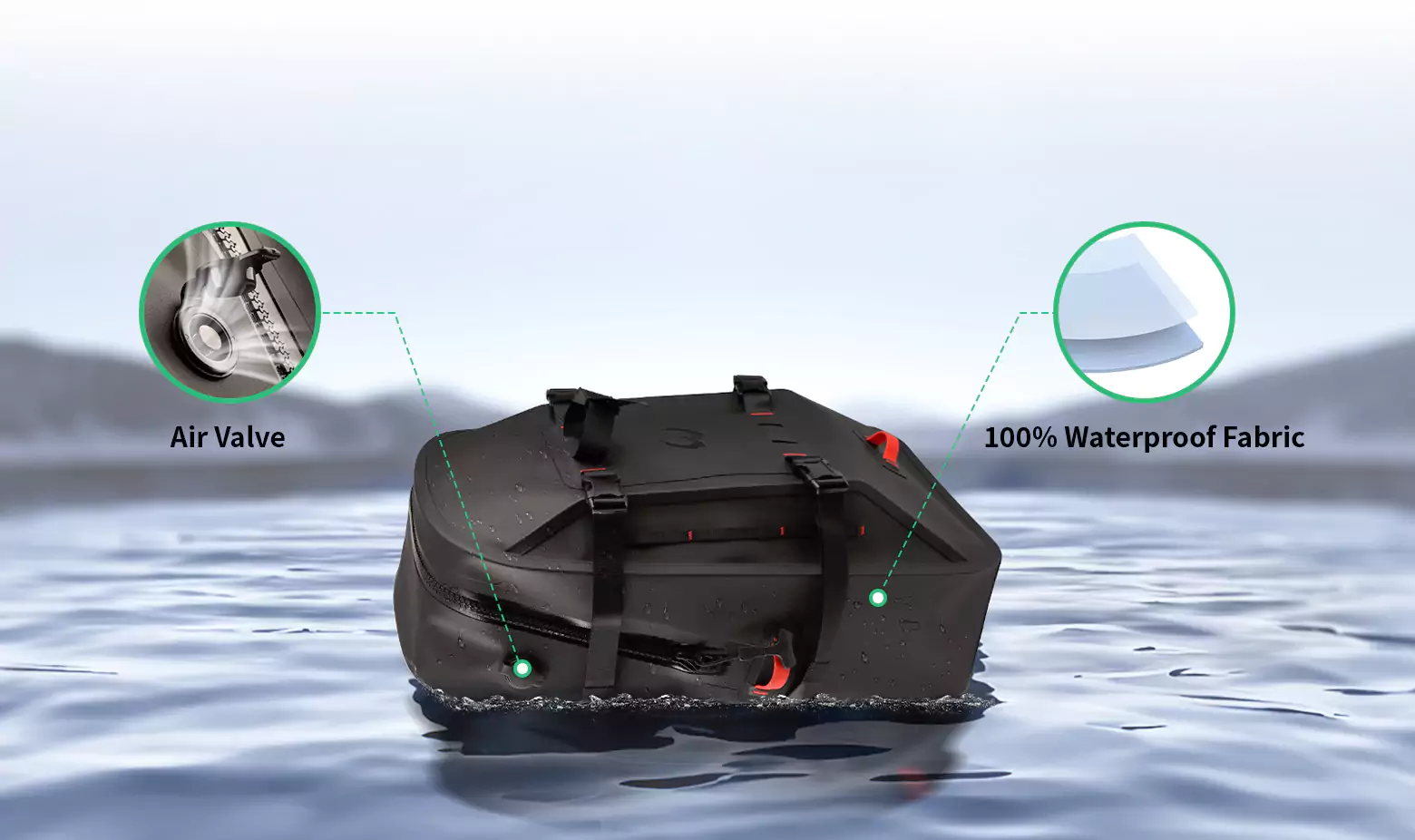
In the world of logistics and global procurement, there is an old saying: “Watch the ounces, and the pounds will take care of themselves.” For those of us managing supply chains, this isn’t just a catchy phrase—it is a financial imperative. When every gram added to a shipping container translates into increased fuel surcharges and carbon footprints, the role of a specialized lightweight bag distributor becomes a strategic pillar for business success.
At companies like weierken, the focus isn’t merely on selling a product; it’s about understanding the delicate balance between structural integrity and weight reduction. As a procurement professional, I’ve seen firsthand how the right distributor can transform a simple packaging item into a high-performance asset that drives margin and brand loyalty.
Choosing a partner in this space requires moving beyond a simple price-per-unit mindset. It demands an appreciation for material science, a commitment to manufacturing consistency, and a deep understanding of how B2B clients actually use these products in the field.
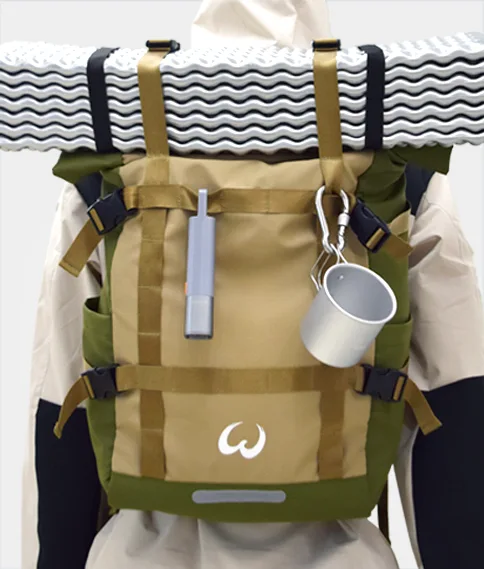
The Strategic Value of “Going Light” in B2B Operations
Lightweighting is no longer just a trend in the aerospace or automotive industries. It has become a core requirement for modern retail, e-commerce fulfillment, and corporate logistics. When you work with a top-tier lightweight bag distributor, you are essentially buying into a system that optimizes your entire operational flow.
For e-commerce giants, the benefits are immediate. Most shipping carriers now use dimensional weight (DIM weight) pricing. A heavy, bulky bag doesn’t just cost more to produce; it costs more to move across the ocean and more to deliver to the customer’s doorstep. By switching to high-tenacity, low-grammage materials, businesses can often drop a shipping weight bracket, saving thousands of dollars over a single production run.
Beyond the balance sheet, there is the end-user experience. In the world of corporate gifts and promotional events, heavy bags are a liability. Whether it is a drawstring bag for a marathon or a foldable tote for a trade show, the goal is for the user to forget they are even carrying it. A reliable lightweight bag distributor provides products that offer this “weightless” convenience without the flimsy feel of low-quality disposables.
What Defines a Reliable Lightweight Bag Distributor?
When we talk about reliability in a B2B context, we aren’t just talking about a supplier who answers the phone. We are talking about a partner who understands the high stakes of a supply chain. A truly dependable lightweight bag distributor must be measured across several critical dimensions.
First is the consistency of the material. In lightweight production, the margin for error is razor-thin. If a fabric is supposed to be 40D (denier) ripstop nylon, it must be exactly that. Variations in thickness or weave can lead to catastrophic failure under load. A reliable distributor ensures that the first bag off the line is identical to the ten-thousandth.
Second is the “Elasticity of Capacity.” Market demands are rarely a flat line. Whether you are dealing with a sudden viral marketing success or a seasonal peak like Black Friday, your lightweight bag distributor needs the manufacturing muscle to scale up quickly. This requires a distributor with deep factory relationships and a robust inventory of raw materials.
Transparency in communication is the third pillar. In procurement, bad news delivered early is manageable; bad news delivered late is a disaster. A reliable partner provides real-time updates on production milestones, shipping schedules, and potential port delays. This level of transparency allows supply chain managers to adjust their strategies before a minor hiccup becomes a full-blown crisis.
Scaling Growth Through Wholesale Procurement
The transition from “buying bags” to “managing a bag category” starts with wholesale optimization. Working directly with a lightweight bag distributor for bulk orders allows a company to leverage economies of scale that are simply unavailable to smaller players.
Wholesale isn’t just about the lowest unit price. It’s about the simplification of the procurement cycle. By consolidating your volume with a single, trusted distributor, you reduce the administrative burden of managing multiple vendors. You create a single point of accountability, which is invaluable when auditing for quality control or social compliance.
Furthermore, large-scale wholesale agreements often open the door to “Just-in-Time” (JIT) delivery models. Some distributors offer warehousing solutions where they hold safety stock of your specific items. This allows your business to maintain lean inventory levels, freeing up working capital while ensuring that a sudden surge in demand doesn’t lead to out-of-stock scenarios.
For brands like weierken, wholesale is the foundation of a long-term partnership. It allows the distributor to forecast material needs more accurately, which in turn leads to more stable pricing for the client, even in volatile global markets.

Deep Value: Custom OEM and Private Label Services
Where a lightweight bag distributor truly proves their worth is in the realm of OEM (Original Equipment Manufacturing). For many B2B clients, a “stock” bag is not enough. To stand out in a crowded marketplace, you need a product that is tailored to your specific brand identity and functional requirements.
The OEM process is a collaborative journey. It starts with material selection. Do you need a recycled polyester (rPET) for your sustainability targets? Or perhaps a TPU-coated fabric for waterproof applications? A sophisticated distributor will guide you through these choices, explaining the trade-offs between weight, durability, and cost.
Then comes the design and branding. Customization goes far beyond slapping a logo on a bag. It involves custom pullers, reinforced stitching at high-stress points, and internal pocket configurations that solve specific user problems. For example, a tech company might need a lightweight sleeve with specialized padding that doesn’t add bulk, while a fitness brand might want integrated mesh ventilation.
By utilizing the OEM capabilities of a company like weierken, businesses can turn a commodity into a brand asset. A well-designed, custom-manufactured lightweight bag serves as a mobile billboard for years. It creates a “halo effect” for your primary products, signaling to the customer that your brand cares about quality down to the smallest detail.
Sustainability as a Core Competency
The modern lightweight bag distributor must be an expert in ESG (Environmental, Social, and Governance) standards. In today’s regulatory environment, “lightweight” and “green” are often two sides of the same coin. Using less material naturally reduces resource consumption, but the source of those materials is equally important.
Leading distributors are now integrating post-consumer waste into their supply chains. This includes everything from ocean-bound plastics to recycled nylon scraps. By choosing a distributor that prioritizes eco-friendly materials and energy-efficient production methods, B2B clients can meet their own sustainability goals and satisfy the demands of an increasingly eco-conscious consumer base.
Resilience is another factor often overlooked. A sustainable supply chain is one that can survive shocks. A distributor with a diverse geographical footprint and a transparent tier-two supplier list is much better equipped to handle geopolitical tensions or climate-related disruptions. This “supply chain toughness” is what keeps your business running when others are stuck waiting for shipments that never arrive.
The Financial Impact of a Strategic Partnership
When you look at the total cost of ownership (TCO), the price of the bag is only the tip of the iceberg. A professional lightweight bag distributor helps you reduce the “hidden costs” that eat away at your margins. This includes the cost of quality failures, the cost of expedited shipping when a supplier is late, and the opportunity cost of having your team manage a problematic vendor.
By investing in a high-quality partnership, you are essentially buying insurance for your brand’s reputation. You are ensuring that your products arrive on time, look exactly as promised, and perform under pressure. This reliability allows your marketing and sales teams to move forward with confidence, knowing that the physical foundation of the business is secure.
As we look toward the future of global trade, the demand for smarter, lighter, and more customized packaging will only grow. The companies that thrive will be those that don’t just find a vendor, but those that align themselves with a lightweight bag distributor that acts as an extension of their own team.
In conclusion, the journey toward supply chain excellence is paved with small, strategic choices. Selecting a partner like weierken ensures that your lightweight bag needs are met with precision, creativity, and unwavering reliability. Whether you are scaling a wholesale operation or launching a bespoke OEM line, the right distributor makes all the difference.
Contact our expert lightweight bag distributor team for a quote today.
Frequently Asked Questions
Q1: What are the primary benefits of working with a specialized lightweight bag distributor rather than a general wholesaler?
A1: A specialized lightweight bag distributor possesses deep expertise in specific materials like high-tenacity nylon, rPET, and ultra-light composites. Unlike general wholesalers, they understand the technical balance between weight reduction and durability. They can provide expert guidance on GSM (grams per square meter) counts and specialized construction techniques that prevent tearing in thin fabrics, ensuring your product is both light and long-lasting.
Q2: Can a lightweight bag distributor help reduce my company’s carbon footprint?
A2: Absolutely. By optimizing the weight of your packaging and products, a lightweight bag distributor helps reduce the energy required for transportation. Furthermore, many specialized distributors offer recycled and biodegradable material options, as well as more efficient packing methods that reduce the volume of shipping containers, leading to a significant decrease in your overall Scope 3 emissions.
Q3: What kind of lead times should I expect for a custom OEM order from a lightweight bag distributor?
A3: Lead times vary depending on the complexity of the design and the material availability. Generally, the process involves a sampling phase (1–2 weeks), followed by mass production (30–45 days). However, a reliable lightweight bag distributor will provide a clear timeline upfront and work to optimize the production schedule based on your specific market deadlines and seasonal needs.
Q4: How does a lightweight bag distributor ensure quality consistency across large wholesale orders?
A4: Professional distributors implement multi-stage Quality Control (QC) processes. This typically includes a Pre-Production Inspection (PPI) of raw materials, a During Production Inspection (DPI) to catch errors early, and a Final Random Inspection (FRI) based on AQL standards before the goods leave the factory. This ensures that every bag in a large-scale order meets the agreed-upon specifications.
Q5: Is it possible to get custom branding and logos on ultra-light materials without damaging the fabric?
A5: Yes, an experienced lightweight bag distributor uses specialized printing and labeling techniques designed for thin materials. This includes heat transfer, high-definition silk screening, or lightweight woven labels that do not compromise the structural integrity of the bag or add unnecessary weight. They will recommend the best method based on the specific fabric and the complexity of your logo.
Q6: What should I look for when auditing the financial and operational stability of a lightweight bag distributor?
A6: Look for a distributor with a proven track record of long-term client relationships and a transparent supply chain. A stable lightweight bag distributor should be able to provide certifications (such as ISO, BSCI, or GRS), demonstrate a robust network of factory partners, and show evidence of their ability to manage large-scale logistics and inventory during market fluctuations.