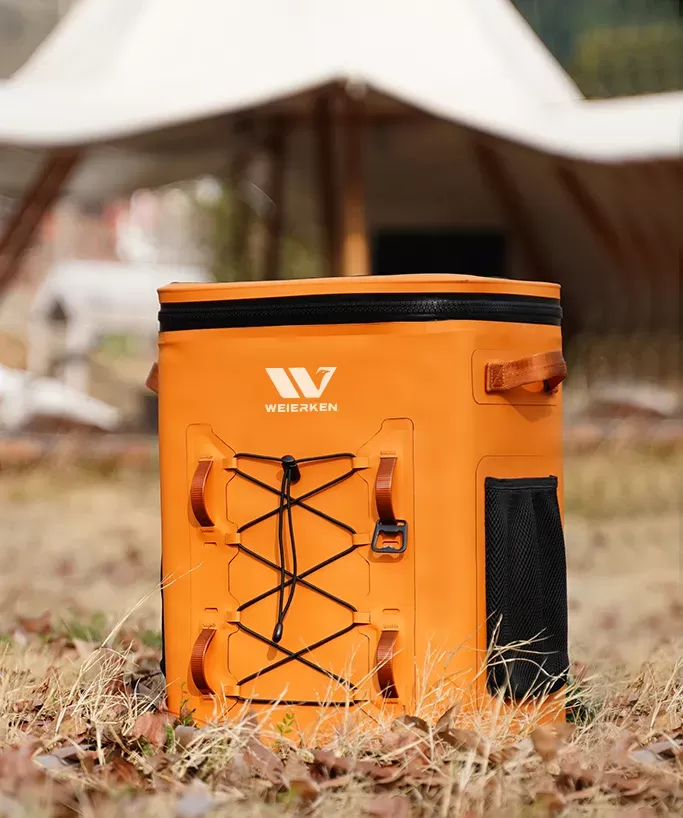

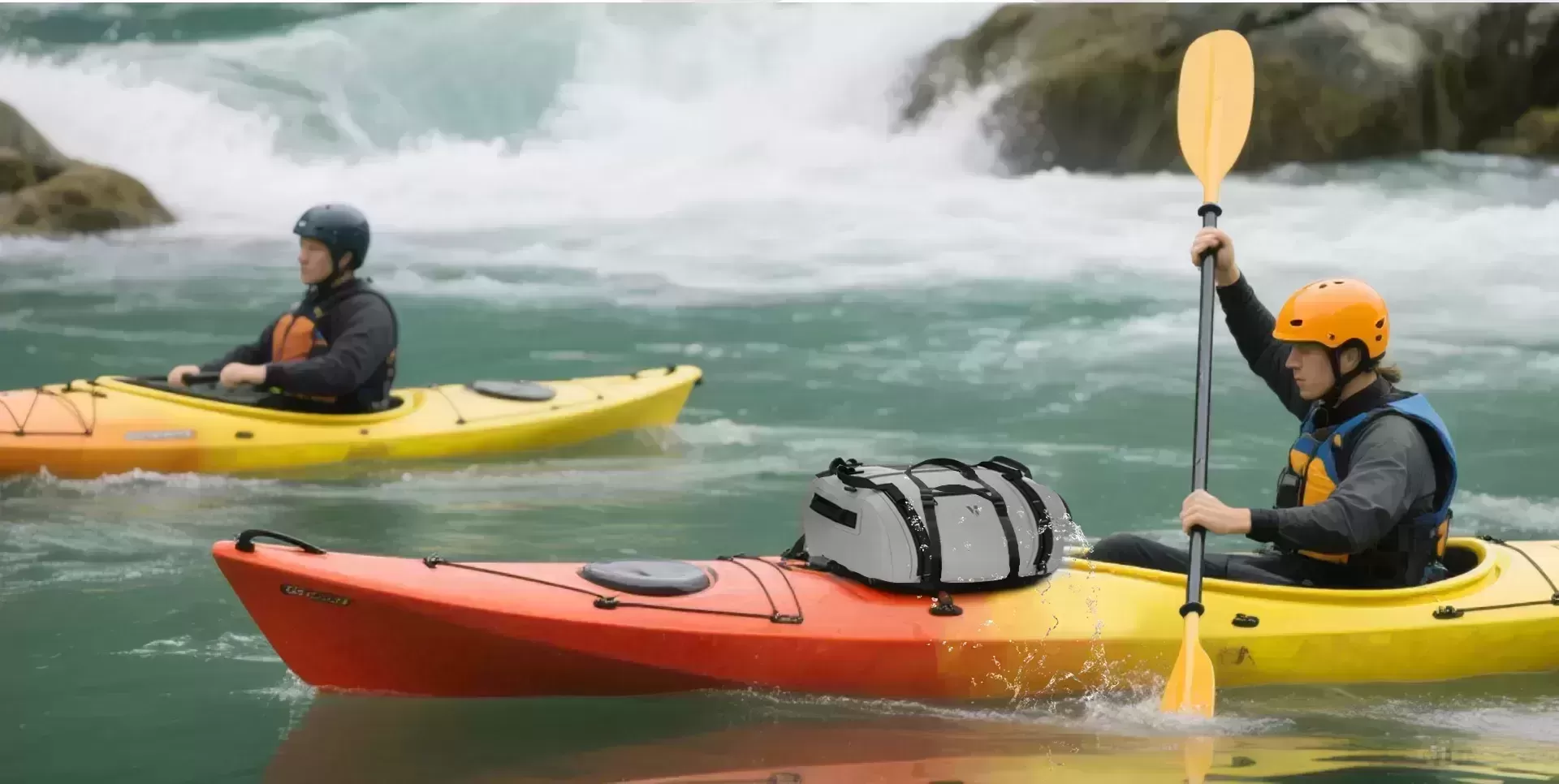
Sailing places extreme demands on gear. A standard dry bag might keep dust out during a casual kayak trip, but it will quickly fail on a sailboat deck. Constant friction against rough non-skid fiberglass surfaces, salt crust build-up, and relentless UV exposure will rapidly degrade low-grade materials.
For outdoor brand managers and marine equipment distributors, choosing the wrong factory leads to high return rates. Product failures at sea damage your brand's reputation and trust. Sourcing from specialized sailing bag manufacturers ensures your inventory can withstand these harsh open-water conditions.
Experienced suppliers, including manufacturers like Weierken, understand that maritime bags require specific materials, welding techniques, and corrosion-resistant hardware. This article explains the technical standards needed to build a durable marine gear line.
1. Material Standards for Marine Use
The deck of a sailboat acts like sandpaper on fabric. When the boat heels, gear bags slide across textured surfaces. Therefore, fabric selection is your first line of defense against wear and tear.
Abrasion-Resistant Base Fabrics
To prevent punctures and wear, professional sailing bag manufacturers offer heavy-duty textiles. Understanding these fabrics helps you make the right choice for your product line:
1000D PVC Tarpaulin: This dense, polyester-reinforced vinyl is the industry workhorse. It offers excellent resistance to tearing and abrasion at a reasonable cost.
High-Tenacity Nylon (Cordura): Known for its strength-to-weight ratio, TPU-coated Cordura nylon is perfect for lightweight sailing backpacks where durability is critical.
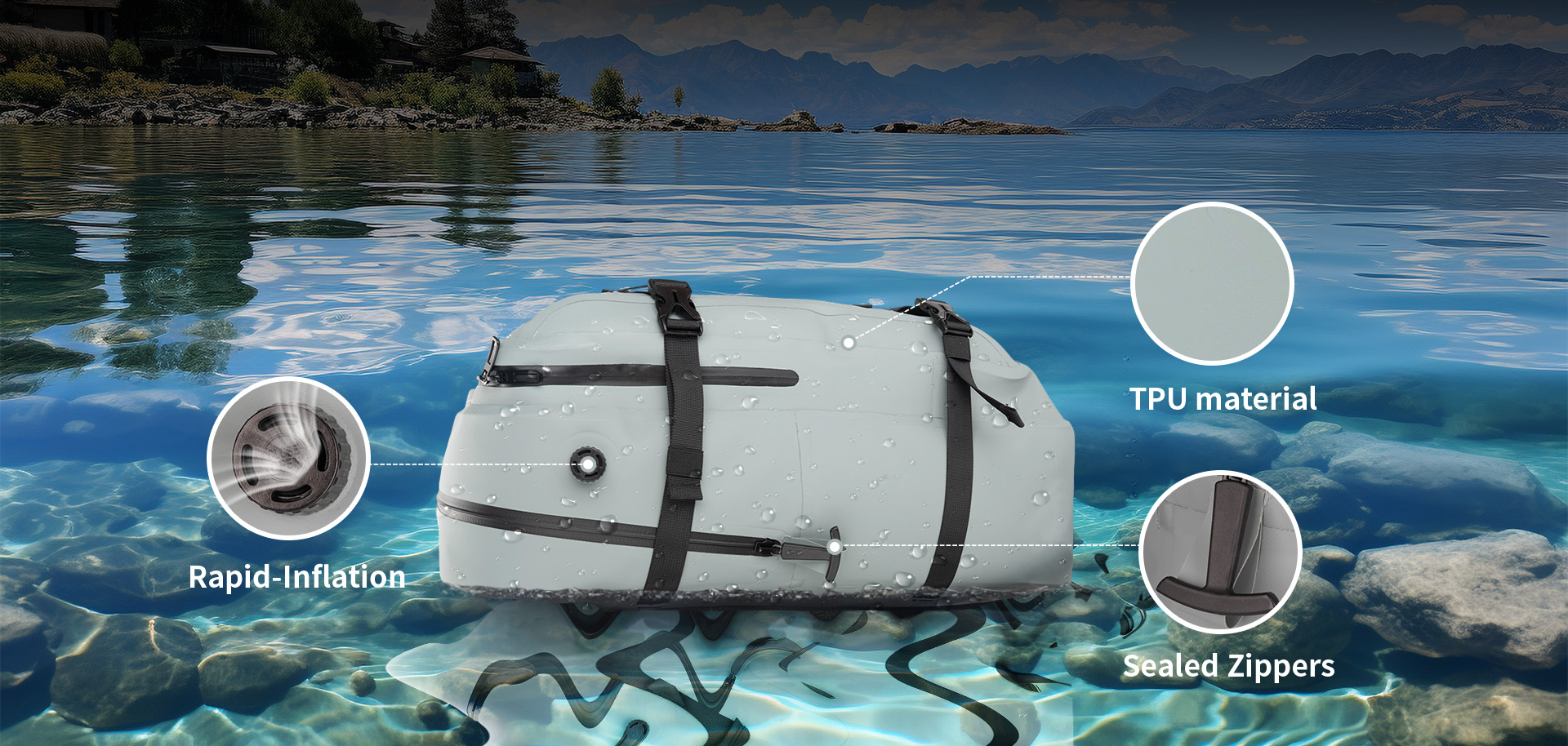
TPU Composite Fabrics: Thermoplastic Polyurethane (TPU) is lighter and more flexible than PVC. A specialized TPU sailing backpack manufacturer will recommend this material for premium collections because it does not crack in cold weather.
Saltwater and UV Degradation Resistance
Saltwater accelerates the degradation of low-quality plastics. At the same time, intense sunlight weakens fabric fibers and fades colors.
To counter this, reliable factories use raw materials treated with UV-stabilizing additives. They measure performance using standardized colorfastness tests, ensuring the fabric retains its strength and color over years of exposure.
Eco-Friendly Marine Materials
Sailing consumers are highly sensitive to ocean conservation. Choosing sustainable materials can give your brand a distinct competitive advantage.
Ask your OEM waterproof sailing gear factory about Recycled Polyethylene Terephthalate (RPET) made from ocean-bound plastic bottles. Additionally, ensure the water-repellent coatings applied to the fabric are completely PFC-free, meeting strict European environmental regulations.
2. Waterproof Standards & Construction
A bag's construction method should match its intended use. Not every sailing bag needs to survive submersion, but every bag must keep its contents dry under specific conditions.
Sailing gear is generally divided into two main categories: splash-proof luggage and fully submersible dry bags.
| Sailing Bag Type | Construction Method | Waterproof Rating | Best Application |
|---|---|---|---|
| Deck Duffels & Luggage | Seam-Taped Stitching | Splash-proof / Heavy rain | Cabin storage, travel transit |
| Gear Dry Bags | RF / HF Welding | IPX7 (Submersible) | Dinghy sailing, deck storage |
Sewn and Seam-Taped Stitching
For large duffel bags or crew gear bags, sewing remains popular. It allows for complex pocket layouts and comfortable shoulder harness designs.
To make these bags water-resistant, manufacturers apply a hot-melt polyurethane tape over the stitched seams. This tape seals the needle holes, preventing rain and sea spray from seeping inside.
Radio Frequency (RF) and High-Frequency (HF) Welding
For absolute waterproof protection, welding is necessary. RF welding uses electromagnetic energy to fuse polymer-coated fabrics together without needles or thread.
This process creates a permanent, waterproof seal at the molecular level. If you are ordering a saltwater resistant gear bag wholesale line designed for open deck exposure, specify RF-welded seams.
Hydrostatic Pressure Testing
How do you verify a factory's waterproof claims? Ask for their hydrostatic head test results.
This test measures the water pressure a fabric can withstand before moisture penetrates. High-quality sailing gear fabrics should withstand a water column of 10,000mm to 20,000mm, proving they can handle severe storms and high-pressure spray.
3. Marine-Grade Hardware and Components
Standard zippers and metal buckles corrode quickly when exposed to salt spray. Within weeks, salt crystals can lock metal sliders in place, rendering the bag useless.
Experienced sailing bag manufacturers select hardware specifically engineered to withstand harsh marine environments.
Corrosion-Proof Zippers
Avoid metal coil zippers. Instead, use molded plastic zippers, such as YKK Vislon, which feature plastic teeth that do not corrode.
For submersible gear bags, specify heavy-duty PU-coated water-resistant zippers or specialized plastic airtight zippers. These components keep water out even under direct water pressure.
UV-Resistant Buckles and Hardware
Cheap plastic buckles become brittle and crack after prolonged exposure to sun and cold wind.
Specify acetal or nylon hardware from established brands like Duraflex or ITW. These materials retain their impact resistance and flexibility in cold climates and under heavy loads.
Non-Absorbent Webbing
Standard nylon webbing absorbs water, making the bag heavy, slow to dry, and prone to mold.
A professional marine grade duffel bag manufacturer uses hydrophobic polypropylene or TPU-coated webbing. These straps repel water, dry quickly, and resist mildew growth.
4. Sourcing and Customization with Factories
Developing a custom product line requires careful coordination with your factory's design and technical teams.
When selecting a factory, look for one that offers robust OEM and ODM services. This expertise ensures they can translate your concept sketches into functional, manufacturable designs.
Crucial Marine Design Features
Sailing bags require specialized features that standard backpacks do not need. Work with your factory to incorporate these functional details:
Wet/Dry Compartments: Built-in mesh pockets or isolated internal compartments help separate wet sailing gear from dry clothes.
Lash Points and D-Rings: Secure attachment points allow sailors to tie their bags down to the deck or rigging in rough seas.
Reinforced Non-Slip Bottoms: Adding textured, heavy-duty patches to the bottom of the bag prevents sliding on wet yacht decks and protects against wear.
Essential Factory Testing Equipment
A professional OEM waterproof sailing gear factory does not guess at quality. They use in-house testing labs to verify performance before shipping.
Ensure your production partner utilizes specialized equipment, including Martindale abrasion testers to check fabric wear, salt spray chambers to test hardware corrosion, and tensile strength testers to verify strap durability.
Working with an established custom dry bags for sailing supplier like Weierken ensures your products undergo these exact quality control steps, reducing the risk of defective goods arriving at your warehouse.
5. Sourcing Strategy and Communication
Establishing clear communication lines with your manufacturer helps prevent misunderstandings, delays, and unexpected costs.
Managing MOQs and Setup Costs
Because welded construction requires dedicated tooling, sailing bag manufacturers generally set minimum order quantities (MOQs) between 500 and 1,000 units per style.
If you want to test a new market with lower quantities, ask the factory to use their existing open molds. This allows you to customize colors and logos without paying for new welding tooling.
Lead Times and Shipping Logistics
The standard production cycle for custom marine gear runs between 35 and 45 days after sample approval.
Because marine gear is seasonal, plan your production timeline to complete three months before the peak spring sailing season. This buffer protects your inventory against shipping delays.
Sourcing reliable marine gear requires a thorough understanding of fabric deniers, welding technologies, and non-corrosive hardware. By partnering with specialized sailing bag manufacturers, you ensure your products can withstand the demanding conditions of open water.
At Weierken, we focus on technical materials and precise manufacturing processes to produce durable, high-performance waterproof gear. Contact us today to discuss your next project, learn about our customization capabilities, and request a detailed quote.
Frequently Asked Questions
1. Why can't I use a standard dry bag factory for sailing bags?
Standard dry bag factories often use lightweight PVC and basic plastic buckles designed for light rafting. Sailing bags require heavy-duty fabrics like 1000D TPU, UV-stabilized materials, and salt-resistant plastic zippers to withstand constant abrasion and corrosive salt air on deck.
2. What is the minimum hydrostatic head rating required for sailing?
For deck bags exposed to heavy rain and waves, look for a rating of at least 10,000mm H2O. For gear bags that may sit in standing water on deck, we recommend fabrics rated at 15,000mm to 20,000mm to prevent water from pressing through the material.
3. How do you prevent zippers from sticking in saltwater environments?
We use high-grade molded plastic zippers, such as YKK Vislon, rather than metal coil zippers. Plastic does not rust or corrode from salt buildup. For waterproof models, specialized airtight plastic zippers provide a reliable seal without corroding.
4. What eco-friendly materials are available for sailing gear?
We offer Recycled Polyester (RPET) made from post-consumer plastic bottles, paired with biodegradable TPU coatings. We also ensure all external water-repellent treatments are 100% PFC-free to protect marine ecosystems.
5. Can I get custom branding and colors on welded sailing bags?
Yes. You can customize fabrics with your brand's colors and add screen-printed logos. For custom pocket placements or unique shapes, we can develop custom high-frequency welding tooling to meet your design specifications.