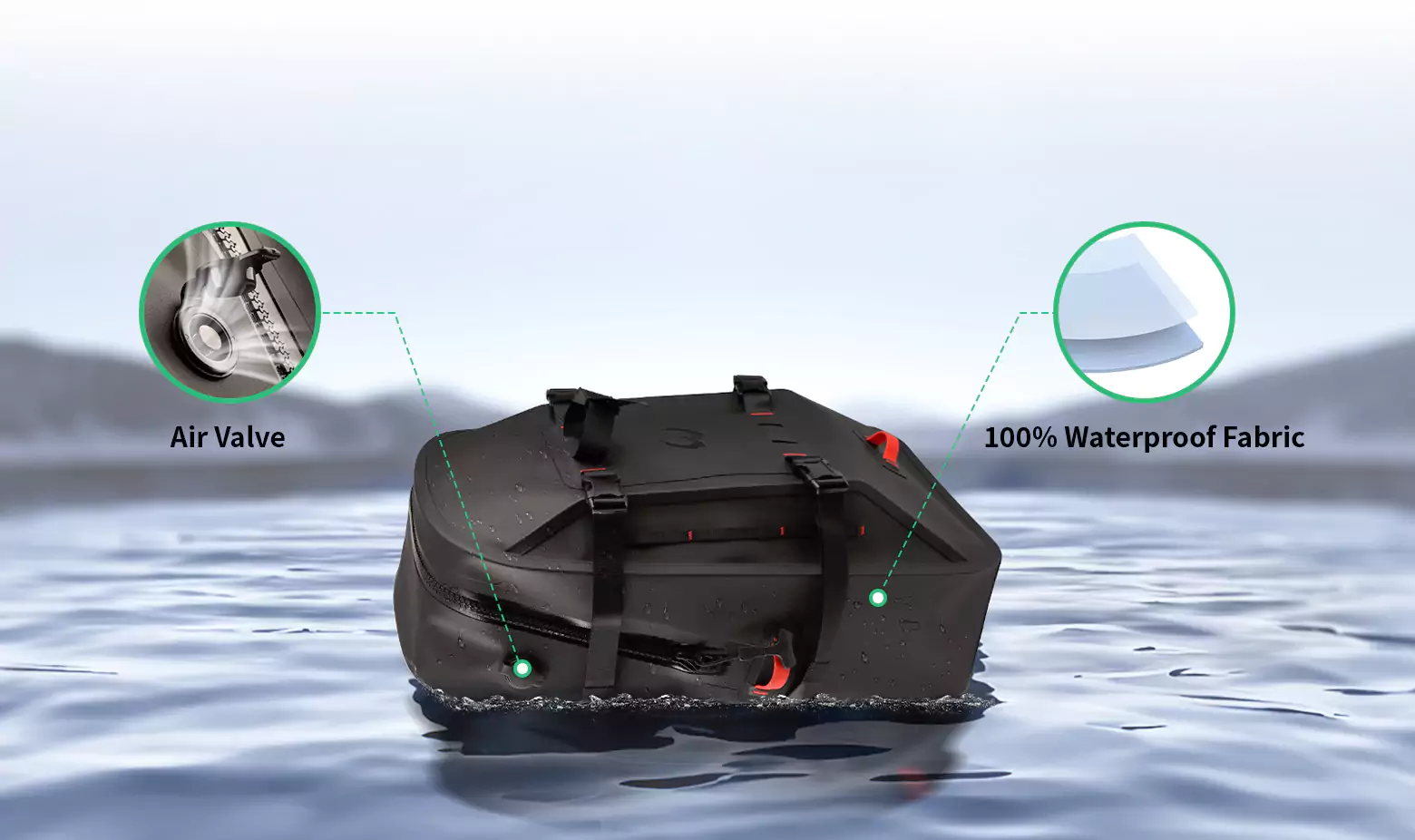
The dream of taking your brand global is thrilling. You picture your products in shops from Bondi to Biarritz. But for brands like Weierken, known for its durable and innovative surfing bags, that dream hinges on one critical partnership: finding the right global surfing bag distributor.
A distributor is more than a logistics partner; they are your local face, your market interpreter, and your growth engine. A misaligned partnership can stall expansion for years. This guide walks through the key considerations to forge a successful and scalable distribution network.
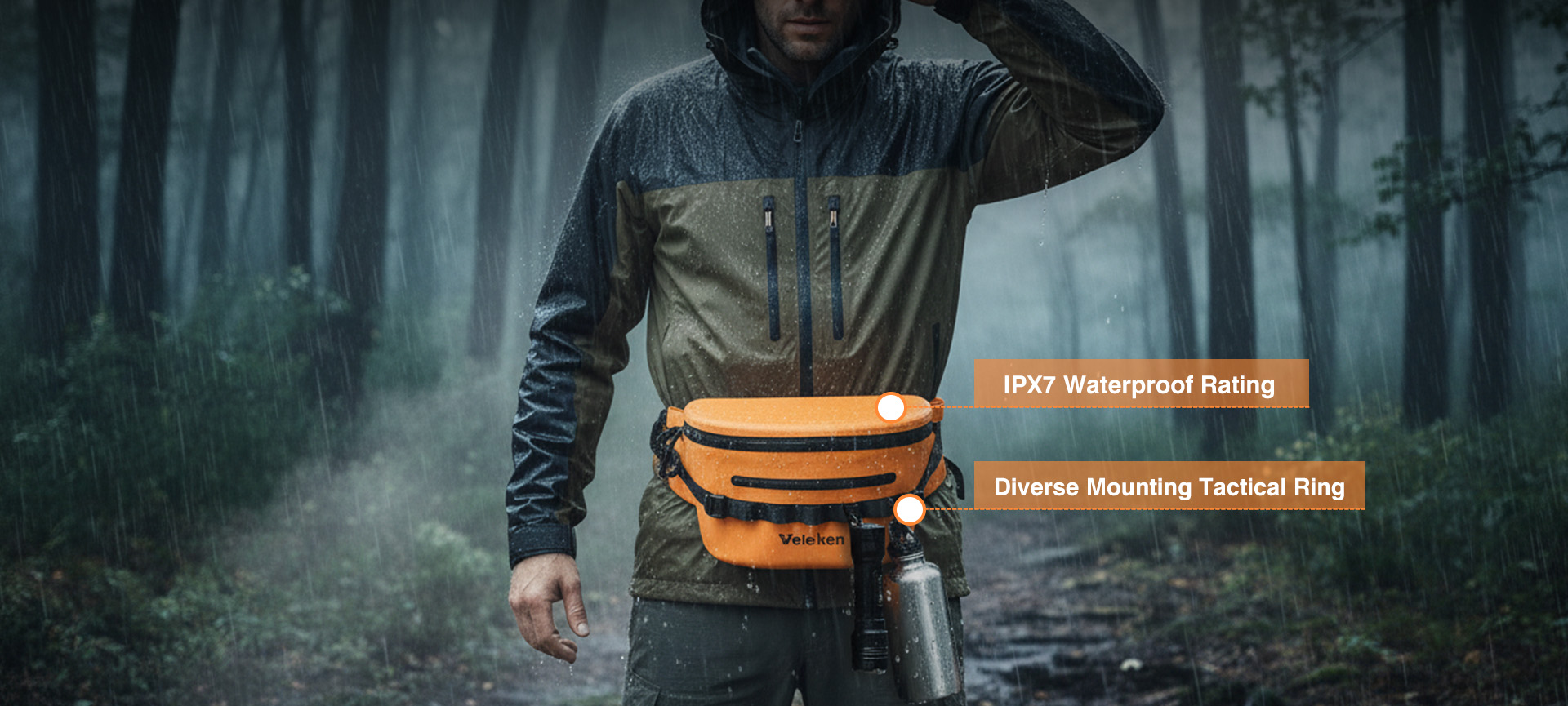
Market Positioning and Distribution Strategy
Before speaking to a single potential partner, you must have crystal clarity on your own brand’s position. Weierken isn’t just selling bags; it’s selling organized, protected, and effortless mobility for surfers.
Analyzing Your Target Landscape
Who is the surfer in your target country? In Australia, it might be a dedicated weekender with a 4×4. In Japan, it might be a urban professional taking the train to the coast. Consumer habits, competitive density, and retail channel structures vary wildly.
Study the competition. Is the market dominated by low-cost generic bags or premium technical brands? Understanding this helps you position Weierken effectively through your surfing bag distributor.
Choosing Your Distribution Model
Your brand positioning dictates your channel strategy.
- Exclusive Distribution: Grants one surfing bag distributor sole rights for a region. Ideal for premium brands like Weierken entering a new market, ensuring focused brand building and price control.
- Multi-Channel Distribution: Your products are sold through various distributors specializing in different channels (e.g., one for core surf shops, another for larger sporting goods chains). This maximizes reach but requires stringent brand guideline management.
For a brand focused on quality and community, starting with an exclusive or selective model often safeguards brand equity.
Distributor Screening and Evaluation Framework
Finding a partner with a great website isn’t enough. You need a systematic vetting process.
Core Evaluation Criteria
Build a scorecard based on these pillars:
- Financial Health & Commitment: Can they invest in sufficient inventory and marketing? Do they view Weierken as a strategic priority?
- Logistics & Warehousing Capability: Do they have the infrastructure to store and fulfill orders efficiently across the region? For surfing bags, which can be bulky, this is crucial.
- Local Channel Network & Reputation: Do they have established relationships with your target retail accounts? Their reputation becomes yours.
- Brand Partnership Experience: Have they successfully grown other complementary (not competing) sports or lifestyle brands? Ask for case studies.
Due Diligence: Beyond the Paper
Always conduct a physical visit. Meet the team, tour the warehouse, and visit a few of their retail partners. This reveals operational truths no spreadsheet can. It also shows your commitment, a key point for a quality-focused brand like Weierken.
Compliance and Localization Adaptation
Your perfectly designed bag might be stopped at customs if you overlook local rules. Your surfing bag distributor should guide, but you must lead.
Navigating Regulations
Each country has its own maze. Key areas include:
- Import Duties & Taxes: These directly impact your landing cost and final pricing.
- Product Certifications & Standards: Materials (e.g., PVC, plastics) may need specific safety or environmental certifications.
- Labeling & Language Requirements: Mandatory information must be in the local language. Your distributor should provide a precise checklist.
Adapting Product and Message
Localization isn’t just translation. For Weierken, does the “weekend warrior” bag need a dedicated laptop sleeve for the European market? Do marketing visuals reflect local surfing cultures? Your distributor’s insights here are gold for product development and campaign relevance.
Partnership Terms and Supply Chain Synergy
Clear, fair, and aligned commercial terms are the bedrock of trust. This is where the partnership between Weierken and its distributor moves from theory to practice.
Commercial Agreement Fundamentals
- Pricing & Margin Structure: Define distributor pricing, suggested retail price (SRP), and ensure healthy margins for all channel players.
- Minimum Order Quantities (MOQs): Set realistic MOQs that allow the distributor to maintain good stock levels without excessive risk.
- Inventory Management: Agree on stock level targets, reorder points, and strategies for slow-moving items.
Building a Transparent Supply Chain
Today’s partners demand visibility. Share key production timelines. Furthermore, more distributors seek brands with sustainable practices. Weierken’s commitment to durable materials and ethical production can be a powerful partnership driver.
Digital Tools and Marketing Support
A modern partnership is powered by data and seamless communication.
Leveraging Digital Integration
Utilize shared platforms to streamline operations.
- ERP/Order Management Systems: Connecting systems allows for automated ordering, real-time stock visibility, and smoother transactions.
- E-commerce Platform Integration: If the distributor sells B2B online, ensure a smooth customer experience.
Providing Launch and Sustaining Support
Your surfing bag distributor is your army, but you must supply the weapons.
- Market Entry Kit: Provide high-resolution assets, translated sell sheets, and product training modules.
- Co-marketing & Promotions: Commit to a launch marketing budget and collaborate on seasonal campaigns. Support their efforts with exclusive merchandise or athlete visits.
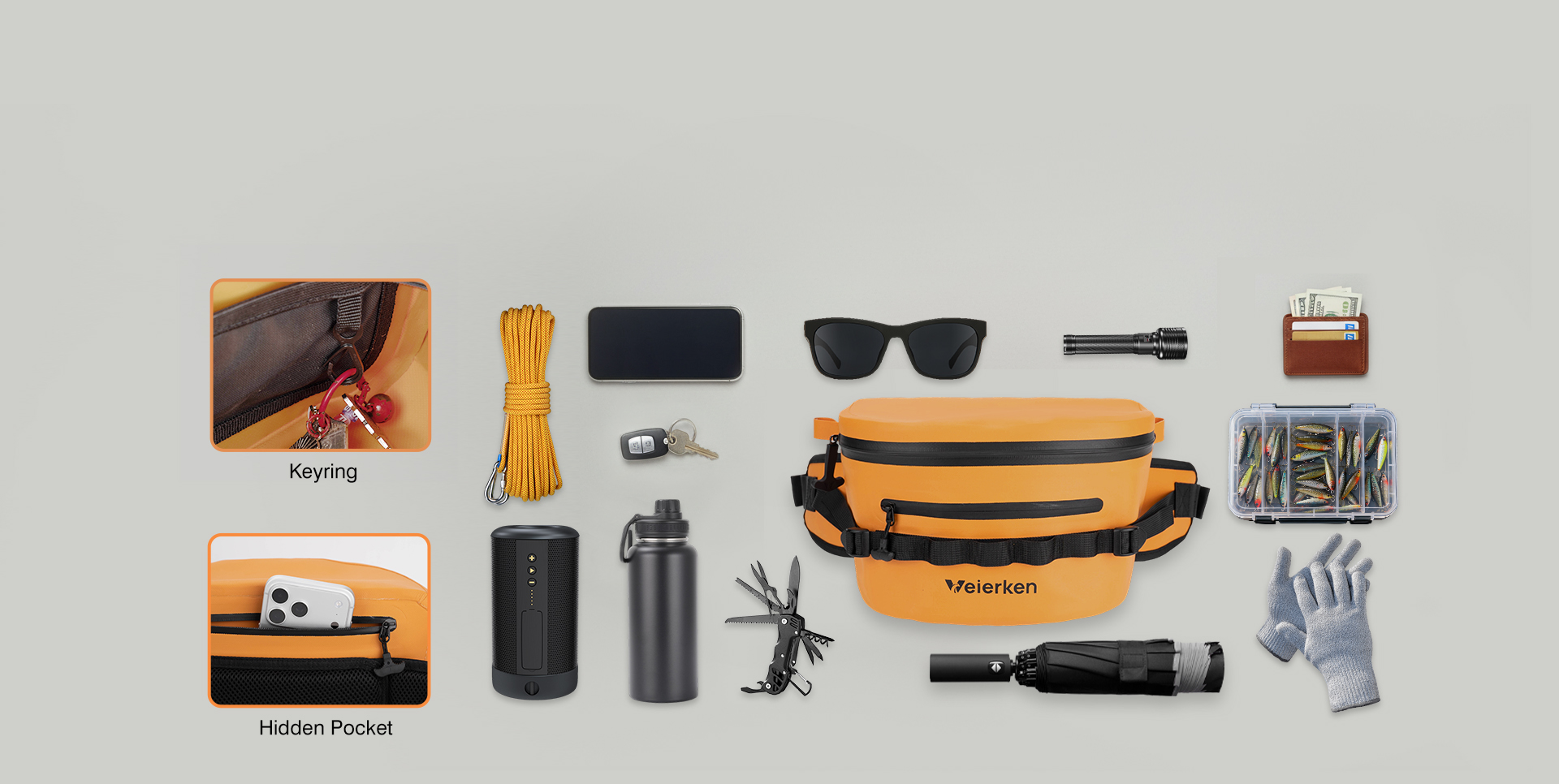
Long-Term Relationship and Feedback Loop
The signing of the contract is the beginning, not the end. The most successful brand-distributor relationships, like the one Weierken aims to build, are dynamic partnerships.
Establishing Communication Rhythms
Schedule quarterly business reviews (QBRs). These should go beyond sales figures to discuss market trends, competitor moves, and joint strategy adjustments.
Creating a Feedback-Driven Cycle
Your distributor is your eyes and ears. Create a simple system for them to feed back on product performance, customer complaints, and unmet market needs. This intelligence is invaluable for Weierken’s R&D and future collections, turning a surfing bag distributor into a true strategic partner.
Sourcing the right global surfing bag distributor is a meticulous journey of strategic alignment, rigorous evaluation, and collaborative partnership building. It’s about finding more than a vendor; it’s about finding a believer in your brand’s potential. For a brand like Weierken, committed to quality and the surfer’s journey, the right distributor becomes an extension of that promise, ensuring that every bag not only reaches a new shore but also resonates with the surfer who carries it. By investing time in these key considerations, you lay the foundation for sustainable, profitable, and mutually rewarding global growth.
Frequently Asked Questions (FAQs) on Surfing Bag Distribution
Q1: What is the typical minimum order quantity (MOQ) when working with a surfing bag distributor?
A1: MOQs vary significantly based on the distributor’s size and the brand’s policies. For a new partnership with a brand like Weierken, initial MOQs might be set to ensure viable inventory for the distributor, often ranging from a few hundred to a few thousand units across a collection. These are usually negotiated to balance the distributor’s risk with the brand’s production efficiency.
Q2: How do I verify the credibility and network of a potential surfing bag distributor?
A2: Beyond financial checks, request a detailed client list and contact references from similar brands. Insist on a physical market visit to accompany their sales team on store calls. Analyzing their social media presence and event sponsorship in the local surfing community also provides strong evidence of their active network and reputation.
Q3: What marketing support should a brand expect to provide to its surfing bag distributor?
A3: At a minimum, brands should provide a comprehensive marketing kit (high-res images, videos, spec sheets), co-op advertising funds for launch campaigns, and training for the distributor’s sales team. For premium brands, supporting key retailer openings or local surfing competitions alongside the distributor is highly effective.
Q4: Who is responsible for handling product certifications and import duties in a new market?
A4: This must be clearly defined in the distribution agreement. Typically, the surfing bag distributor is responsible for providing all local regulatory requirements and handling customs clearance. However, the brand (e.g., Weierken) is responsible for manufacturing products that meet those standards and providing all necessary test reports and documentation.
Q5: Can a distributor sell our surfing bags on online marketplaces like Amazon in their territory?
A5: This is a critical policy decision. Many brands maintain strict control over online sales to prevent price erosion and brand dilution. Your agreement must explicitly state the authorized sales channels. You may grant the distributor rights to supply bricks-and-mortar retailers only, or you may have a controlled e-commerce strategy where they fulfill online orders from local stock. Clarity here prevents major conflict.