A rapidly expanding niche where the serenity of yoga meets the adventure of stand-up paddleboarding. SUP yoga has moved from a trendy coastal activity to a global wellness movement. With it, the demand for specialized gear—particularly high-quality, functional SUP yoga bags—has skyrocketed. For brands, retailers, and procurement specialists, this surge represents a significant opportunity. Yet, it’s tightly coupled with a pressing challenge: finding a distributor that is not just a middleman, but a genuine, reliable partner in growth.
The market is flooded with options, but not all sup yoga bag distributors are created equal. Aligning with the wrong partner can mean stock shortages, quality issues, and missed sales peaks. This is where a meticulous vetting process becomes your most valuable business tool. Let’s dive into the landscape and outline the six non-negotiable criteria for selecting a distributor who can carry your business forward on steady waters.
Industry Background and Market Dynamics
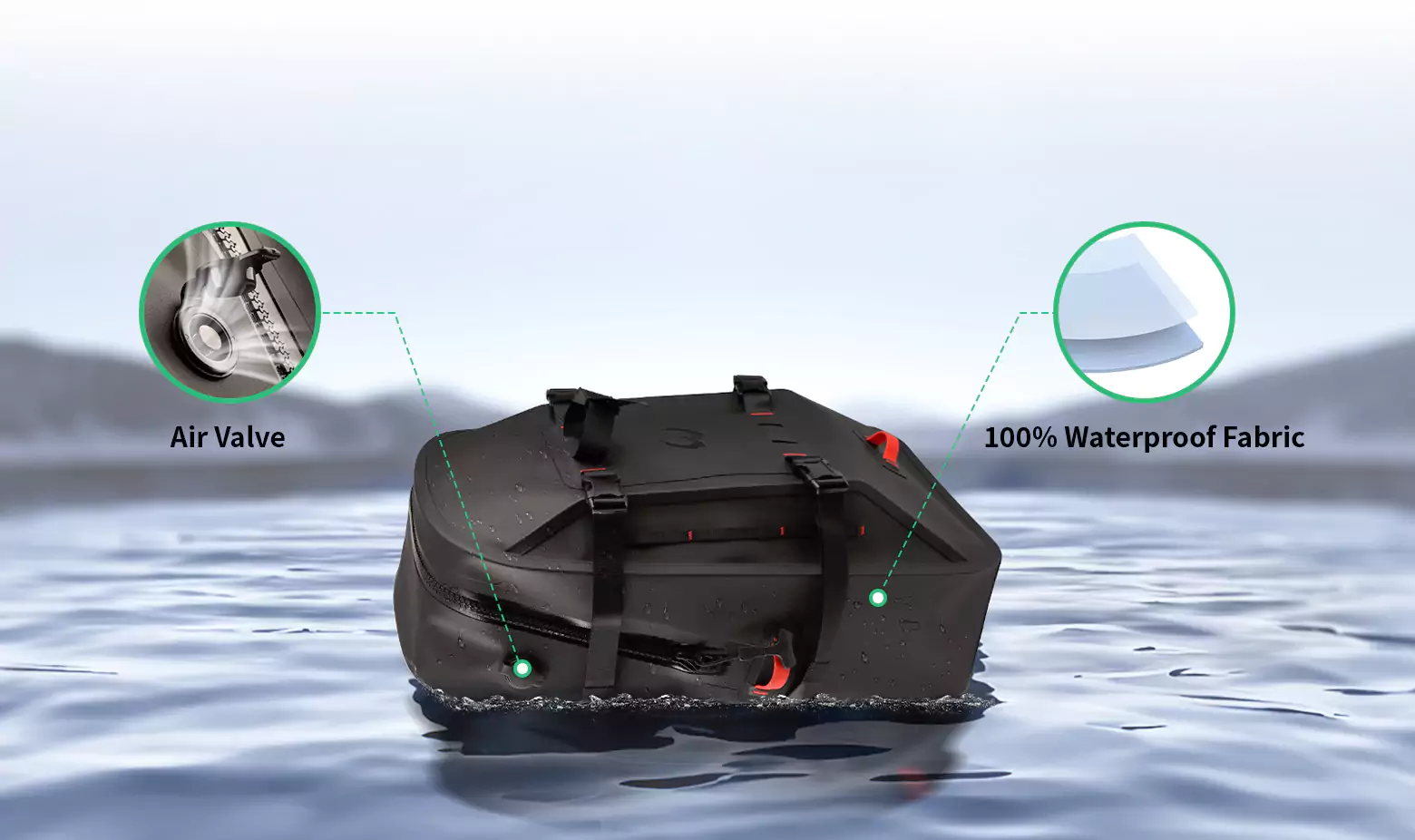
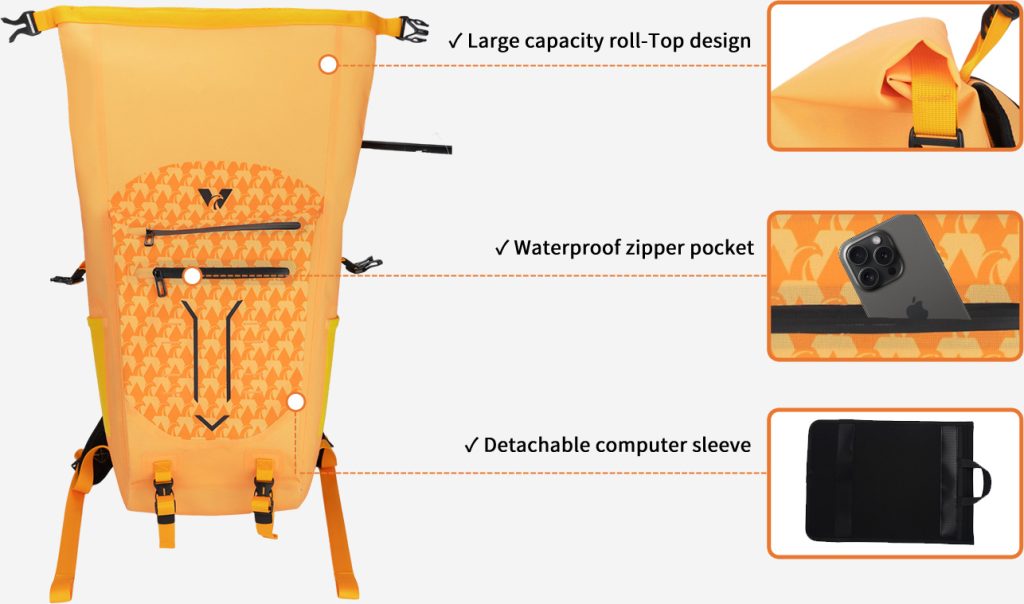
SUP yoga uniquely blends core strength and balance with outdoor immersion. Its popularity has driven a parallel boom in the accessories market. SUP yoga bags are no longer simple carry-alls; they are specialized equipment requiring durability, waterproofing, and smart storage for yoga mats, paddles, and personal items.
The distribution channel for these products is multifaceted. It includes large-scale sporting goods distributors, niche yoga/wellness wholesalers, online B2B marketplaces, and direct manufacturer distributors. Competition is intensifying as new players enter, making the choice of partner more critical than ever. A reliable sup yoga bag distributor must understand both the technical demands of watersports and the aesthetic/functional needs of the yoga community.
For a brand like Weierken, which focuses on innovative, user-centric design, navigating this fragmented landscape requires a distributor with sharp market insight and robust operational capabilities.
The 6 Essential Vetting Criteria for a SUP Yoga Bag Distributor
1. Credentials and Industry Experience
Never underestimate the value of domain expertise. A distributor with a proven track record in outdoor sports or yoga products will have established retailer relationships and understand seasonal buying cycles. Ask for their portfolio and client references. Do they grasp the unique selling points of a SUP yoga bag compared to a standard gear bag? Experience matters. Weierken, for instance, seeks partners who can articulate the value of specific features like multi-compartment designs to their retail network.
2. Supply Chain Stability and Resilience
Your distributor’s supply chain is your lifeline. Probe into their lead times, inventory management systems, and warehouse capacity. Can they handle a sudden surge in demand before the summer season? A reliable sup yoga bag distributor will have contingency plans and transparent communication regarding stock levels. Their ability to ensure consistent availability directly impacts your shelf presence and sales velocity.
3. Product Quality Control and Compliance
Quality failures damage your brand, not just the distributor. Insist on seeing product test reports for materials (e.g., rip-stop nylon, PVC-free coatings) and safety standards. A trustworthy partner will proactively manage quality audits and ensure all products, like those from Weierken, meet relevant environmental and safety regulations. They should be your first line of defense against subpar merchandise.
4. Market Reach and Channel Strength
Evaluate their actual reach. Do they have a strong network in your target regions? Assess their channel mix: can they effectively service online retailers, brick-and-mortar stores, gyms, and yoga studios? A sup yoga bag distributor with a diversified and active sales force can accelerate your market penetration far more effectively than one with a limited scope.
5. After-Sales Support and Services
The relationship doesn’t end at the sale. Examine their policies on returns, defective goods, and restocking. What is their typical response time for retailer inquiries? Do they provide marketing collateral, product training, or co-op advertising support? Strong after-sales support is a hallmark of a distributor invested in mutual success, helping to build brand loyalty for labels like Weierken.
6. Contract Terms and Partnership Flexibility
Scrutinize the fine print. Are Minimum Order Quantities (MOQs) realistic for your business scale? Are payment terms flexible? Is an exclusive regional arrangement offered, and if so, what are the performance expectations? Fair and transparent terms are the foundation of a sustainable partnership. A rigid distributor may become a bottleneck as your business evolves.
Multi-Stakeholder Application and Strategy
For Brands: A capable distributor acts as a force multiplier. They extend your brand’s reach into untapped markets and provide local market intelligence. For a brand like Weierken, the right distributor doesn’t just move boxes; they communicate the brand’s ethos and innovation story to the end retailer.
For Retailers: Your choice of wholesaler dictates your inventory health. Prioritize distributors known for reliable fulfillment, clear communication, and responsive support. They should be a partner that helps you optimize stock levels and maximize sales opportunities.
For Dealers/Procurement Agents: Think long-term. Evaluate the distributor’s financial health, management stability, and growth trajectory. A partner with a solid foundation and forward-thinking strategy offers lower risk and higher potential for collaborative growth.
Practical Steps for Due Diligence and Risk Mitigation
Verification is key. Move beyond paperwork. Conduct a site visit to their warehouse to assess operations firsthand. Interview their existing clients about reliability and service. Place a trial order to evaluate their logistics, product condition, and administrative processes.
Your contract must be explicit. Define key performance indicators (KPIs), delivery timelines, liability for damaged goods, and a clear dispute resolution mechanism. Protecting your interests from the start prevents conflicts later.
Future Trends and Evolving Partnership Models
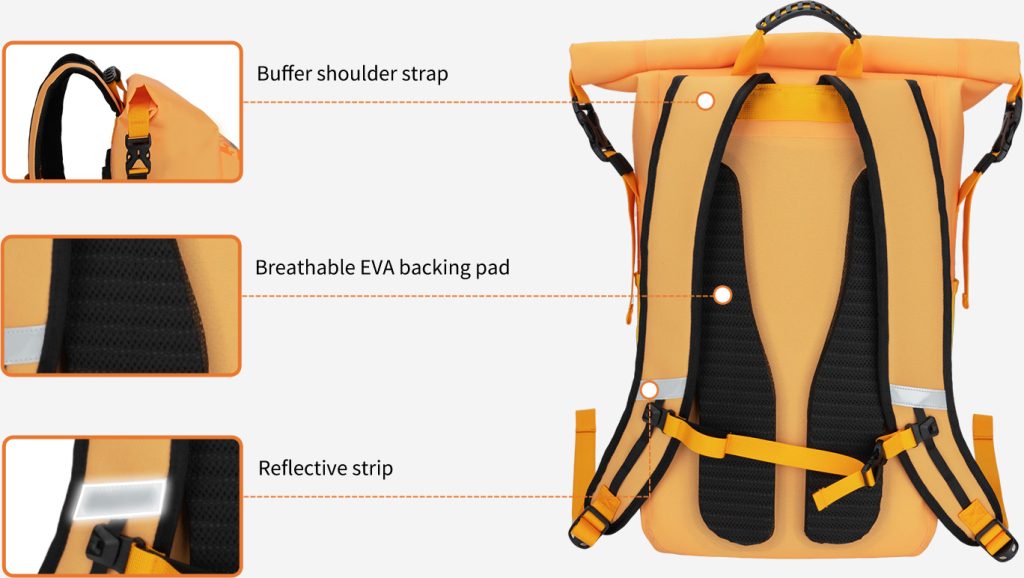
Product innovation will influence distributor selection. Trends like sustainable materials (recycled fabrics) and smart design (integrated tech pockets) require a distributor that understands and can market these advanced features effectively.
Furthermore, the blend of cross-border e-commerce with local fulfillment is creating new hybrid distribution models. The most forward-thinking sup yoga bag distributors are leveraging dropshipping and localized inventory to serve global brands seamlessly. Aligning with a partner exploring these avenues, as Weierken aims to, can provide a competitive edge.
In conclusion, selecting the right sup yoga bag distributor is a strategic decision that demands thorough investigation. By applying these six criteria, businesses can forge partnerships that are not only transactional but transformational, driving growth and stability in a dynamic market.
Frequently Asked Questions (FAQs)
Q1: What are the most important red flags when vetting a potential SUP yoga bag distributor?
A1: Major red flags include vague or inconsistent communication, reluctance to provide client references or quality certifications, lack of a physical warehouse address, and overly rigid contract terms with high penalties. A distributor unwilling to let you visit their facility or speak to current partners should be approached with extreme caution.
Q2: How can I verify a distributor’s claimed market coverage and channel strength?
A2: Request a detailed list of their active retail clients in your target region and contact a sample directly. Check their online presence and activity on B2B platforms. You can also ask for sales data or case studies related to similar products. A credible sup yoga bag distributor will have verifiable evidence of their market penetration.
Q3: Are there advantages to working with a specialist niche distributor over a large general sports equipment distributor?
A3: Yes. A niche distributor focusing on yoga, paddle sports, or outdoor fitness often has deeper relationships with specialized retailers, better product knowledge, and more targeted marketing. They can give a SUP yoga bag line more dedicated attention than a large generalist who may prioritize higher-volume items.
Q4: What should be the minimum product quality documentation I request from a distributor?
A4: At minimum, request material safety data sheets (MSDS), certificates for compliance with relevant standards (e.g., REACH, CPSIA), and factory audit reports (like SMETA or BSCI). For SUP yoga bags, specific tests for waterproofing (IP rating) and fabric tear strength are also highly recommended.
Q5: How should I structure a trial order to effectively test a new sup yoga bag distributor?
A5: Place a small but meaningful order that tests multiple facets: order processing efficiency, packaging quality, shipping speed and accuracy, and invoicing professionalism. Choose a mix of products, if possible, to assess their inventory accuracy. This low-risk order provides a realistic snapshot of their operational competence before you commit to larger volumes.