


Imagine this: a critical shipment is delayed. A key client’s order is on the line. The issue? Your supposedly rugged sea bag distributor delivered products that couldn’t withstand real-world demands, fraying at the seams—literally. In the world of procurement, where reliability is currency, your choice of a military duffle bag supplier isn’t just a transaction; it’s the foundation of your operational integrity and brand reputation.
For procurement officers, supply chain managers, and business owners, selecting the right partner goes far beyond price. It’s about forging a strategic alliance with a tactical gear distributor capable of supporting your growth and weathering market storms for years to come. A true partner, like Weierken, understands that a sea bag is a tool, not just a commodity. Here are the six essential capabilities you must evaluate to ensure a resilient, long-term supply chain.
1. Product Quality and Durability Standards: The Non-Negotiables
Your end-users rely on gear that performs. Assessing a sea bag distributor’s commitment to quality is the first critical step.
Material Integrity
Scrutinize the fabric. High-denier nylon (e.g., 1000D) or polyester with PU or PVC coatings is standard for durability. The best military backpack suppliers will be transparent about material sourcing and specifications, offering fabrics resistant to tears, abrasion, and UV degradation.
Construction and Craftsmanship
Look for double or triple-stitched seams with reinforced thread. Bar-tacking at high-stress points (straps, handles, zipper ends) is a hallmark of quality. Inspect sample units meticulously. A partner like Weierken ensures every stitch is engineered for stress, not just aesthetics.
Water Resistance and Load-Bearing
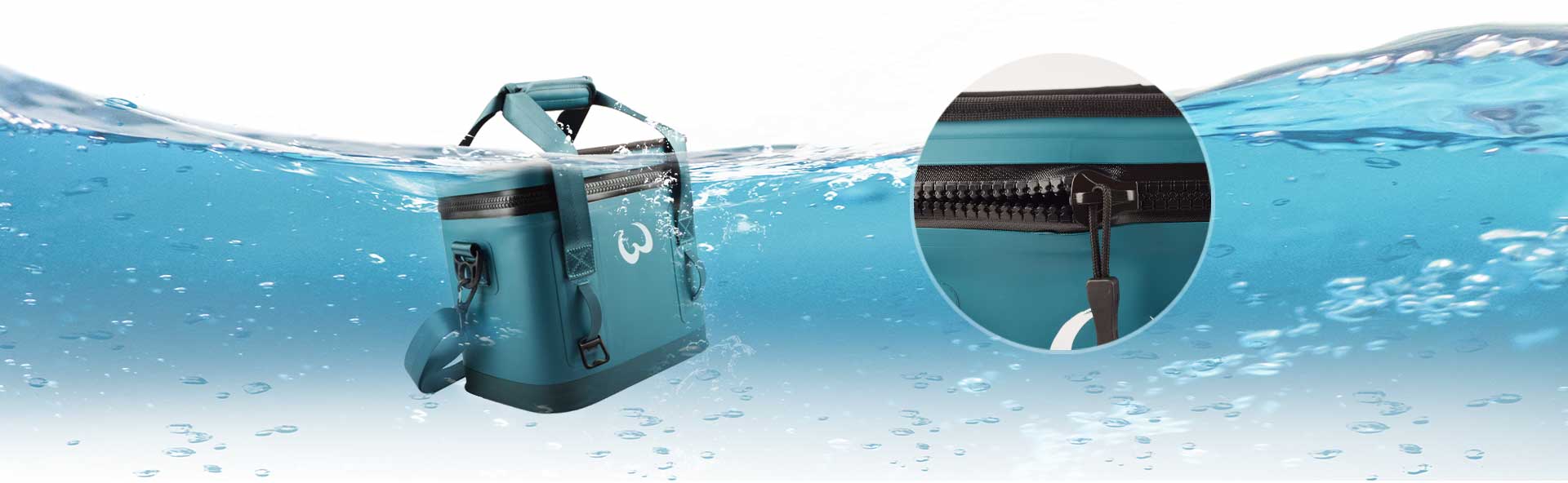
Water resistance isn’t optional. Evaluate sealed seams, waterproof zippers, and base materials. For capacity, dynamic load testing data should be available. A superior tactical duffel bag distributor designs products that maintain structural integrity under maximum load, trip after trip.
2. Supply Chain Stability and Production Capacity
A great product is useless if you can’t get it consistently. Your sea bag wholesaler must demonstrate ironclad supply chain management.
Production Planning and Raw Material Security
Inquire about their raw material inventory strategy. Do they have long-term contracts with fabric and component suppliers? How do they mitigate shortages? A robust sea bag distributor maintains strategic buffer stocks to absorb market fluctuations.
Scalability and Flexibility
Can they handle a sudden 200% spike in your order? Evaluate their factory capacity, shift patterns, and relationships with sub-assemblers. Their ability to scale production up or down directly impacts your ability to meet market demand without overstocking.
Transparent communication about production cycles is key. Partners who provide visibility, much like Weierken’s approach, turn your supply chain from a vulnerability into a competitive advantage.
3. Compliance and Certification Systems
Certifications are your objective proof of a supplier’s professionalism and commitment to ethical, reliable operations.
Industry-Specific Certifications
Look for ISO 9001 (Quality Management) as a baseline. For military-style gear distributors, compliance with specific standards like MIL-SPEC can be crucial. Maritime or safety certifications may also be relevant depending on the end-use.
Ethical and Environmental Compliance
Verify adherence to social accountability standards (like BSCI or SA8000) and environmental regulations (REACH, OEKO-TEX). A responsible tactical gear distributor protects your brand from reputational risk associated with labor or environmental malpractice.
4. Customization and Brand Collaboration Capacity
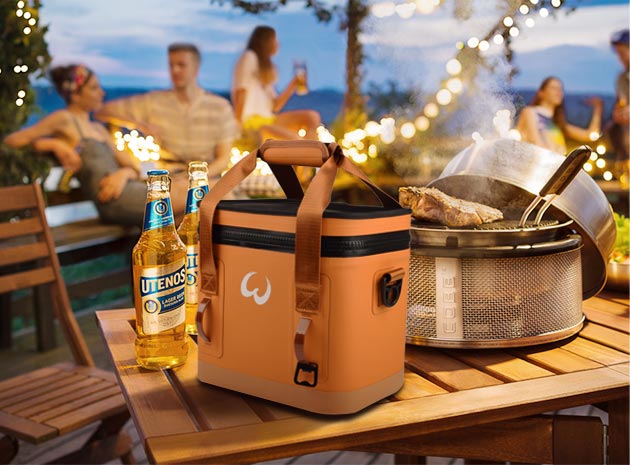
Your gear should embody your brand. A private label sea bag manufacturer must offer true flexibility production.
Logo Application and Color Matching
Assess their techniques: screen printing, heat transfer, embroidery, or patch attachment. Can they achieve precise Pantone color matches? The best partners offer multiple, durable application methods.
Design and Functional Modifications
True partnership means adapting. Can they modify compartments, add MOLLE webbing, or integrate specific pocket designs? A flexible sea bag distributor will collaborate on design adjustments to create a product uniquely suited to your users’ needs.
This collaborative spirit is where specialists excel. Weierken, for instance, often works clients through iterative prototyping, ensuring the final custom product is both brand-perfect and functionally superior.
5. Logistics and Warehousing Collaboration Efficiency
The journey from factory to warehouse defines your lead times and costs. Your sea bag distributor’s logistical prowess is paramount.
Global Logistics Network
Do they have established relationships with freight forwarders for FCL, LCL, and air freight? Can they manage efficient door-to-door shipping to your key markets, including handling customs clearance?
Strategic Warehousing and Fulfillment
Some distributors offer drop-shipping or consignment stock in regional hubs. This can drastically reduce your delivery times and inventory costs. Evaluate their WMS capabilities and order response speed. A distributor with a smart logistics footprint acts as an extension of your own warehouse.
6. After-Sales Service and Long-Term Partnership Support
The post-sale period separates vendors from partners. A long-term oriented sea bag distributor invests in your ongoing success.
Warranty and Repair Policies
Clear, fair warranty terms (e.g., 1-3 years against manufacturing defects) are essential. Do they offer repair services? A straightforward return and replacement protocol minimizes downtime for your customers.
Proactive Account Support and Value-Added Services
Beyond problem-solving, does your account manager offer insights? The most advanced partners provide procurement data analysis, forecast planning support, and market trend updates. This transforms the relationship from reactive order-taking to proactive strategic planning.
Choosing a partner who excels here, as Weierken aims to, means building a supply chain that grows smarter and more efficient over time.
Building a Foundation on Capability, Not Just Cost
Sourcing a sea bag distributor is a strategic decision with long-term ramifications. By rigorously evaluating these six capabilities—quality, stability, compliance, customization, logistics, and service—you move beyond price comparison to value partnership.
You invest in a supply chain that is resilient, responsive, and aligned with your brand’s quality promise. It’s about finding a collaborator who sees your challenges as their own and is equipped to help you overcome them. In this demanding landscape, the right partner provides not just bags, but certainty, enabling you to deliver unwavering reliability to your own customers, season after season.
Frequently Asked Questions (FAQ) About Sourcing a Sea Bag Distributor
Q1: What is the typical Minimum Order Quantity (MOQ) when working with a professional sea bag distributor?
A1: MOQs vary significantly. For standard catalog items, a reputable sea bag distributor may have MOQs starting from 500-1000 pieces. For fully customized projects, MOQs can be higher, often 2000+ units, due to setup costs. Always discuss this upfront, as some flexible suppliers offer lower MOQs for initial collaboration.
Q2: How long does the customization process usually take with a private label sea bag manufacturer?
A2: The timeline depends on complexity. Simple logo application may add 2-3 weeks. New designs or functional modifications require prototyping, which can take 4-8 weeks for samples, followed by a 60-90 day production cycle for the full order. A competent tactical gear distributor will provide a detailed, stage-gated timeline upon project initiation.
Q3: Can a reliable sea bag distributor handle both domestic (e.g., US) and international shipping for my orders?
A3: Yes, most established sea bag wholesalers and manufacturers have comprehensive global logistics networks. They should manage inland transportation, ocean/air freight, and customs clearance to major markets. Ensure you clarify incoterms (e.g., FOB, CIF, DDP) and get clarity on who manages which leg of the journey.
Q4: What certifications should I prioritize when evaluating a military duffle bag supplier for government or institutional contracts?
A4: For such contracts, prioritize suppliers with ISO 9001 certification. Explicit MIL-SPEC compliance for specific items may be required. Additionally, certifications related to material safety (e.g., OEKO-TEX) and ethical manufacturing (e.g., BSCI) are increasingly important for public sector and corporate tenders.
Q5: If product quality issues arise after delivery, what support can I expect from my sea bag distributor?
A5: A professional partner will have a clear, documented after-sales policy. This should include a defined warranty period (e.g., 2 years), procedures for reporting defects, and prompt solutions ranging from part replacement to whole-unit exchange. The best military backpack suppliers conduct root-cause analysis to prevent recurrence, offering true partnership in problem resolution.


