


The ocean is unforgiving. Salt spray, intense ultraviolet radiation, and constant humidity create an environment where standard equipment fails rapidly. For distributors and brands serving the marine industry, sourcing products is not just about aesthetics; it is about survival. Choosing the right partner to manufacture your gear is a critical strategic decision.
A professional yacht bag fabricator understands that a bag on a boat is more than storage. It is a shield for expensive electronics, emergency gear, and personal belongings. In 2026, the standards for marine manufacturing have risen. Buyers now demand smarter designs, greener materials, and absolute reliability.
At weierken, we have spent years refining our production processes to meet these rigorous demands. We know that a failure in the middle of the Atlantic is not an option. This guide outlines the five non-negotiable qualities you should look for when selecting a manufacturing partner for your marine product line.
1. Mastery of Marine-Grade Material Science
The first test of any yacht bag fabricator is their knowledge of raw materials. You cannot use standard backpack nylon for a deck bag. It will rot, fade, and delaminate within a season.
Advanced Weather Resistance
A competent manufacturer must possess a deep inventory of marine-grade fabrics. They should prioritize materials engineered to withstand specific environmental stressors:
- UV Stability: Fabrics must have high-grade UV inhibitors to prevent bleaching and structural breakdown under tropical sun.
- Salt Spray Resistance: Coatings must repel salt crystallization, which can act like sandpaper on fibers.
- Mildew Prevention: Anti-microbial treatments are essential for gear stored in damp lockers.
Anti-Delamination Technology
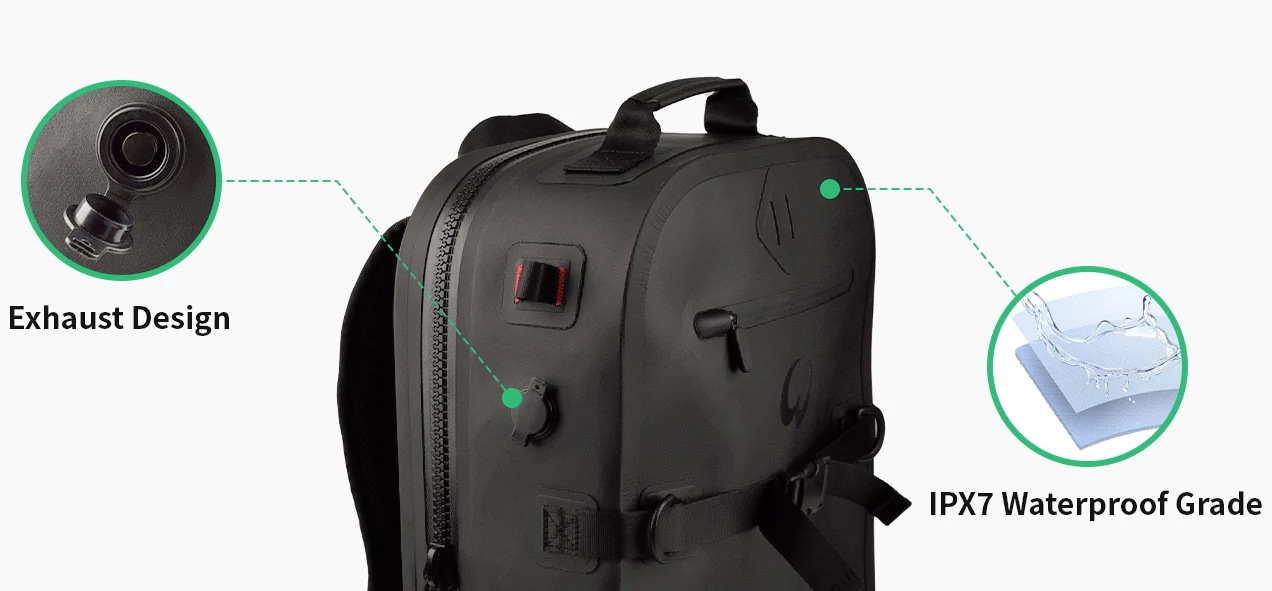
One of the most common failures in cheap marine bags is peeling. This happens when the waterproof coating separates from the base fabric. A top-tier yacht bag fabricator uses materials with exceptional peeling strength.
They understand the chemistry of TPU (Thermoplastic Polyurethane) and high-quality PVC coatings. They ensure that the lamination process creates a bond that remains stable even when subjected to the constant vibration of a boat engine or rapid temperature changes from scorching decks to cold ocean splashes.
2. Specialized Structural Design and Nautical Adaptation
Designing for yachts is different from designing for camping or hiking. Space on a boat is the ultimate luxury, and every inch counts. A manufacturer must demonstrate an ability to adapt designs to the unique constraints of nautical life.
Space-Efficient Solutions
In 2026, we see a strong trend toward collapsible gear. A rigid box is a nuisance on a sailboat when empty.
- Collapsibility: Bags should fold flat when not in use to fit into tight storage lockers.
- Modularity: Systems that allow smaller bags to attach to larger ones are highly valued.
Deck Fixation Systems
A bag that slides across the deck during a heel is dangerous. A reliable yacht bag fabricator integrates robust fixation points into the design. This includes heavy-duty lash tabs, D-rings made from 316 stainless steel (to prevent rust), or non-slip base materials that grip wet fiberglass.
The Science of Closures
The closure system is often the weak point in waterproofing. Ordinary zippers will corrode and leak. Your manufacturing partner should suggest and source:
- Submersible Zippers: Teeth that interlock to form a seal capable of withstanding submersion.
- Roll-Top Systems: A fail-safe mechanical seal that relies on folding the fabric, effective against heavy rain and spray.
- Air-Tight Valves: For gear that needs to float or be compressed, purge valves are a necessary technical addition.
3. Precision Manufacturing and Artisanal Craftsmanship
Materials and design are useless without execution. The manufacturing floor of a yacht bag fabricator looks different from a standard garment factory. It requires heavier machinery and specialized skills.
Heavy-Duty Sewing Capabilities
Marine fabrics are thick, often comprised of multiple layers of heavy canvas or coated synthetics. Processing these requires “walking foot” sewing machines that can drive needles through dense material without skipping stitches.
- Thread Selection: A true expert uses bonded nylon or PTFE (Polytetrafluoroethylene) thread. These threads are virtually immune to UV and chemical degradation.
- Sealing: Every needle hole is a potential leak. Manufacturers must tape-seal or wax-seal seams to ensure integrity.
High-Frequency (RF) Welding
For the ultimate waterproof protection, sewing is often replaced by welding. Radio Frequency (RF) welding uses electromagnetic energy to melt the material molecules together.
- This creates a seamless bond that is stronger than the fabric itself.
- It eliminates stitch holes entirely.
- It provides a smooth finish that is easier to clean and maintain.
At weierken, we utilize advanced RF welding technology to produce yacht bags that are effectively single-piece constructions, offering impenetrable barriers against water intrusion.
4. Rigorous Quality Control and Testing Certification
In the B2B sector, trust is built on data, not promises. A yacht bag fabricator must prove their products can handle the ocean before they ever leave the factory.
Simulated Marine Environments
Leading manufacturers maintain internal laboratories to simulate harsh sea conditions. You should ask your supplier if they perform the following tests:
- Salt Fog Testing: Exposing hardware and fabric to a saline mist for 24 to 48 hours to check for corrosion.
- Accelerated Aging: Using UV lamps to simulate months of sun exposure in a few days.
- Hydrostatic Pressure Testing: Forcing water against the fabric to measure exactly how much pressure it takes to penetrate the waterproof coating.
Certification and Documentation
Compliance is key for global distribution. In 2026, distributors require documentation. Your manufacturer should be able to provide test reports confirming compliance with standards like REACH (chemical safety) or specific IPX waterproof ratings.
When you work with a professional partner, you receive a full quality dossier. This transparency allows you to sell to your downstream clients with total confidence.
5. Sustainability and Comprehensive Service Capabilities
The marine industry is undergoing a green revolution. Ocean enthusiasts are naturally protective of the ocean. Consequently, the demand for sustainable manufacturing has shifted from a “nice-to-have” to a requirement.
Eco-Friendly Innovations
A forward-thinking yacht bag fabricator is actively investing in sustainable alternatives.
- RPET Fabrics: Utilizing yarn spun from recycled plastic bottles recovered from ocean waste.
- TPU over PVC: Promoting TPU, which is biodegradable and less toxic to manufacture than traditional PVC.
- Waste Reduction: Implementing nesting software in the cutting room to minimize fabric scrap.
Flexible OEM/ODM Services
The market in 2026 is volatile. Supply chain agility is a massive asset. A reliable factory offers more than just assembly; they offer a partnership.
- Design Consultation: Helping you refine rough sketches into manufacturable blueprints.
- Rapid Prototyping: Producing samples quickly so you can validate designs before committing to bulk.
- Supply Chain Resilience: Having multiple sources for raw materials to prevent delays during global shortages.
At weierken, we pride ourselves on our adaptability. Whether you need a small batch for a niche regatta or a container load for global retail, our production lines scale to meet your needs without compromising on the artisanal quality required for yacht gear.
Selecting a yacht bag fabricator is a decision that impacts your brand’s reputation. The marine environment exposes every weakness in a product. By prioritizing advanced material science, specialized design, precision manufacturing, rigorous testing, and sustainable practices, you ensure your products withstand the elements.
The right partner acts as an extension of your team, navigating the technical complexities of production so you can focus on market growth. weierken stands ready to deliver this level of expertise, ensuring that when the storm hits, your gear remains secure.
Ready to upgrade your marine product line?
Contact us today to discuss your project requirements and request a quote.
Frequently Asked Questions (FAQ)
1. What defines a “marine-grade” fabric compared to standard waterproof fabric?
Marine-grade fabric is specifically engineered to resist salt water and UV radiation. Standard waterproof fabrics often degrade when exposed to saline environments, leading to peeling coatings (delamination) and color fading. A professional yacht bag fabricator uses materials treated with specialized inhibitors to prevent this breakdown.
2. Can you customize the bags with our brand logo?
Yes. We offer various branding options suitable for marine environments. Screen printing is common, but for yacht bags, we often recommend high-frequency welded patches or TPU embossing. These methods are far more durable than traditional embroidery, which can compromise the waterproofing by puncturing the fabric.
3. What is the difference between RF Welding and sewing for yacht bags?
Sewing uses a needle and thread to join fabrics, creating tiny holes that must be taped to be waterproof. RF (Radio Frequency) Welding uses electromagnetic energy to fuse the materials at a molecular level. RF welding creates a completely airtight and watertight seam, which is generally preferred for high-performance waterproof gear.
4. Do you offer prototypes before mass production?
Absolutely. Prototyping is a crucial step in our process. It allows you to test the physical dimensions, the functionality of the closures, and the overall look of the product. We typically produce a pre-production sample for your approval to ensure the final bulk order meets your exact specifications.
5. How do you ensure the metal hardware won’t rust?
We strictly use non-corrosive materials for all hardware. This typically means using 316-grade stainless steel, which has superior corrosion resistance compared to standard 304 stainless steel. Alternatively, we use high-strength acetal plastics or anodized aluminum, both of which are excellent for resisting salt spray.


