


Sourcing high-quality soft coolers is no longer just about finding a bag that holds ice. The market has shifted. Consumers now demand accessibility and durability, driving a surge in popularity for magnetic and latch-based closure systems. For a B2B buyer, understanding the cost structure behind these products is vital.
When you work with a zipperless cooler fabricator, the pricing model differs significantly from traditional zippered bags. The engineering required to replace a simple zipper with a watertight magnetic seal or a roll-top system involves complex manufacturing steps.
At weierken, we often guide our clients through these cost drivers. We believe transparency helps you make better purchasing decisions. This article breaks down exactly where your money goes when manufacturing zipperless coolers and how to optimize your budget without sacrificing quality.

Structural Design and Process Complexity
The most immediate factor influencing the price of a zipperless cooler is the physical architecture of the opening mechanism. A standard zipper is a linear component that is sewn or welded on. A zipperless mechanism is an engineered system.
The Cost of Mold Development
Eliminating the zipper requires alternative closure methods. Common solutions include:
- Magnetic strip seals.
- Roll-top closures with buckles.
- Press-to-close interlocking tracks.
- Hard-shell latching lids on soft bodies.
Each of these requires specific tooling. For instance, integrating a magnetic seal involves creating a precise housing for the magnets. This often requires custom molds for the rim of the cooler. A competent zipperless cooler fabricator must invest in high-precision injection molds or compression molds. This upfront investment is amortized into the unit cost.
Manufacturing Craftsmanship
The assembly process for these designs is labor-intensive. In a zippered cooler, the assembly line is straightforward. With a magnetic closure, the polarity must be aligned perfectly during the High-Frequency (HF) welding process. If the magnets are misaligned by even a millimeter, the seal fails.
Production complexity increases costs in the following ways:
- Slower Line Speeds: Precise alignment takes more time than standard stitching.
- Higher Reject Rates: The tolerance for error is lower, leading to stricter quality control filters.
- Specialized Machinery: Welding thick magnetic strips to TPU fabric requires powerful, custom-tuned RF welding machines.
Durability Testing
You are paying for reliability. A zipperless design must prove it won’t pop open when the cooler is tumbled. Manufacturers conduct rigorous testing, including:
- Repeated Cycle Testing: Opening and closing the seal thousands of times to ensure magnetic strength doesn’t degrade.
- Low-Temperature Elasticity: Ensuring the closure material doesn’t crack in freezing conditions.
These R&D steps add to the overhead that a custom soft cooler manufacturer must recover through wholesale pricing.
Insulation Materials and Thermal Technology
The core function of any cooler is thermal retention. However, the price gap between “good” and “excellent” insulation is substantial.
Common Insulation Layers
Most wholesale orders utilize one of three types of insulation:
- PE Foam (Polyethylene): The most cost-effective option. It provides decent insulation but requires significant thickness to be effective.
- EVA Foam (Ethylene-Vinyl Acetate): More expensive than PE. It offers better structural rigidity and a premium feel, which is essential for zipperless coolers that need to hold their shape to seal properly.
- NBR/PVC Rubber Foam: Offers superior flexibility and thermal resistance but comes at a higher price point.
Advanced Insulation Tech
For high-end market segments, you might request Vacuum Insulation Panels (VIP) or high-density closed-cell foam. While these materials can keep ice frozen for days, they are costly to source and difficult to cut.
A zipperless cooler fabricator handling these materials needs automated cutting tables to minimize waste. The material cost (BOM) for high-performance foam can sometimes double the price of the unit compared to standard PE foam.
Regulatory Standards
Materials must meet safety standards. If your cooler is destined for the food and beverage market, the interior lining (usually TPU or PEVA) must be food-grade.
- FDA Compliance: Required for the US market.
- LFGB Standards: Required for European markets (often stricter and more expensive to certify).
Ensuring your supplier uses certified, non-toxic materials will always result in a higher, yet safer, base price.
Production Scale and MOQ Logic
Volume is the single greatest lever you have to lower costs. The relationship between production scale and unit price is non-linear.
Amortizing Fixed Costs
Every production run involves fixed costs. These include:
- Machine setup and calibration.
- Mixing custom fabric colors.
- Mold installation for magnetic rims.
If you order 500 units, these costs are divided by 500. If you order 5,000, they are negligible per unit. A zipperless cooler fabricator prefers long production runs because they maximize machine uptime.
The MOQ Threshold
Manufacturers set Minimum Order Quantities (MOQ) to ensure profitability.
- Low MOQ: Higher price. The factory disrupts its schedule for a short run. Material wastage is higher percentage-wise.
- High MOQ: Lower price. The factory can purchase raw materials in bulk, securing volume discounts from fabric mills, which are passed on to you.
At weierken, we work with clients to find the sweet spot—balancing inventory risk with the benefits of bulk pricing.
Customization and Branding Costs
Differentiation is key to brand success. However, every modification to the “standard” model adds cost.
Branding Techniques
- Screen Printing: The most economical choice, but less durable on flexible soft coolers.
- Heat Transfer: Allows for complex, multi-colored gradients. Moderate cost.
- Embroidery: Generally not recommended for waterproof coolers as it punctures the shell, requiring expensive sealing patches behind the embroidery.
- TPU Patches/Embossing: The premium choice. It looks professional and is extremely durable, but requires a separate mold fee.
Functional Add-ons
Zipperless coolers often require extra features to compensate for the lack of a zip-top handle or to add utility.
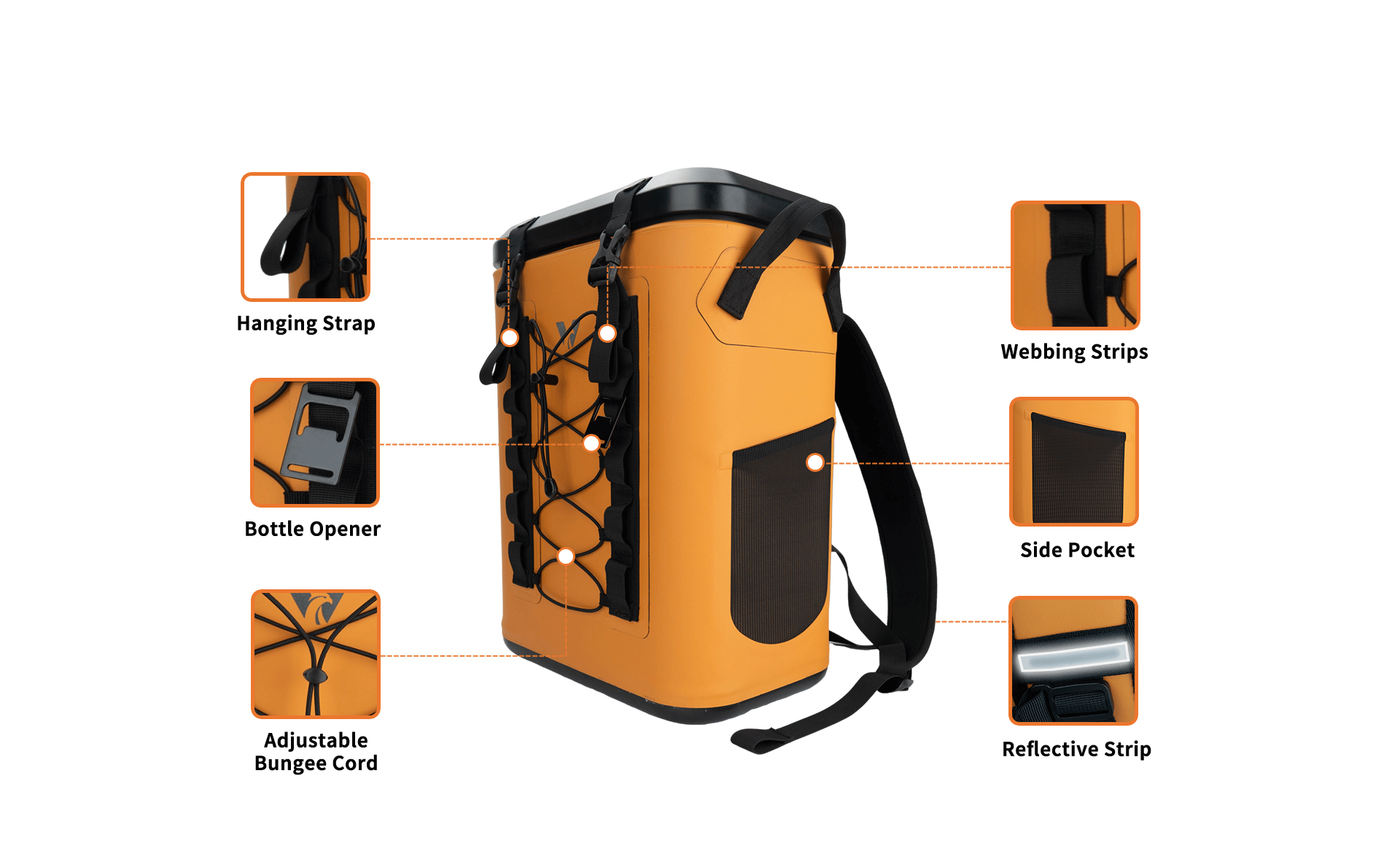
- Shoulder Straps: Padded, ergonomic straps with metal hardware cost significantly more than simple webbing.
- External Pockets: Adding water-resistant stash pockets requires extra welding steps.
- Bottle Openers: Integrated metal hardware is a popular but non-zero cost addition.
Certification and Lab Testing
If your brand claims “100% Leakproof” or “48-Hour Ice Retention,” you need data to back it up. Third-party testing (like SGS or Intertek) is an external cost. A reputable waterproof cooler bag factory can arrange these tests, but the fees are typically billed to the buyer.
Supply Chain and External Logistics
Even the most efficient zipperless cooler fabricator is subject to global economic forces.
Raw Material Volatility
The primary materials in soft coolers—TPU (Thermoplastic Polyurethane), foam, and nylon—are petroleum derivatives. When global oil prices fluctuate, the cost of raw materials shifts. A quote valid in January might need adjustment in June if oil prices spike.
Freight and Duties
- Shipping Volume: Zipperless coolers often have rigid rims or thick insulation, meaning they don’t fold as flat as simple tote bags. They take up more container space.
- Freight Rates: Ocean freight rates vary based on season and global capacity.
- Tariffs: Import duties depend on the country of origin and the destination.
Packaging
Do not overlook the final presentation.
- Bulk Packing: Cheapest option. Coolers are nested in a master carton.
- Retail Ready: Individual hangtags, polybags, or custom retail boxes add to labor and material costs.
Manufacturer Capacity and Efficiency
Who you buy from matters as much as what you buy. The operational efficiency of the factory plays a hidden role in pricing.
Vertical Integration
A factory that handles the entire process—from laminating the TPU fabric to cutting the foam and final assembly—controls its costs better. They are not paying markups to sub-suppliers for every component.
Outsourcing Risks
Some suppliers are merely assembly points. They buy pre-cut foam, pre-made magnetic strips, and simply weld them together. This adds layers of profit margin for middlemen. A true zipperless cooler fabricator like weierken invests in integrated production lines. This ensures that we can control quality while keeping the wholesale price competitive.
Expertise in Zipperless Tech
Working with a generalist bag factory can be costly. If they are learning how to make magnetic seals on your dime, you will pay for their mistakes through higher defect rates and slower delivery. Partnering with a specialist ensures that the process is optimized from day one.
Pricing for zipperless coolers is a reflection of engineering complexity, material quality, and production volume. While the initial investment might seem higher than traditional zippered bags, the value lies in durability and user experience.
To get the best price:
- Optimize your design for manufacturing.
- Choose insulation materials that match your target market’s needs.
- Commit to reasonable MOQs to amortize tooling costs.
- Work with a vertically integrated manufacturer.
At weierken, we specialize in navigating these complexities. We combine advanced manufacturing technology with deep supply chain resources to offer high-quality zipperless solutions at competitive wholesale rates.
If you are ready to develop your next product line, understanding these cost factors is the first step.
Ready to get a precise quote for your project?
Contact us today to discuss your specifications.
Frequently Asked Questions (FAQ)
1. Why is the tooling cost for zipperless coolers higher than zippered ones?
Zipperless coolers often rely on magnetic seals or specific molded plastic rims to ensure a tight closure. Unlike a zipper, which is a standard component bought off the shelf, these closure systems often require custom injection molds or high-frequency welding dies that must be fabricated specifically for your cooler’s shape and size.
2. What is the standard MOQ for a custom zipperless cooler order?
Typically, a professional zipperless cooler fabricator will set an MOQ between 500 and 1,000 units. This is because the setup time for magnetic alignment and welding machinery is significant. Lower quantities are possible but will usually incur surcharges to cover the setup and material handling costs.
3. Can I use recycled materials for insulation to lower costs?
Yes and no. You can use recycled PE foam or fabrics made from recycled PET (RPET). While this is excellent for marketing sustainability, recycled materials can sometimes be slightly more expensive than virgin materials due to the processing required. However, using recycled materials helps meet certifications like GRS (Global Recycled Standard), adding value to your brand.
4. How does the choice of magnet affect the price?
The strength and quality of the magnets are crucial. We typically use N52 grade Neodymium magnets for a secure seal. Using weaker, cheaper magnets (like Ferrite) will lower the cost but will result in a cooler that pops open easily, leading to customer returns. High-grade rare earth magnets are a significant but necessary cost driver.
5. How long does the prototyping process take for a new zipperless design?
Developing a new zipperless architecture is more complex than a standard bag. Expect the prototyping phase to take 2 to 4 weeks. This allows time for creating the molds, testing the magnetic seal integrity, and performing leak tests. A qualified zipperless cooler fabricator will not rush this stage to ensure the final mass production runs smoothly.


