

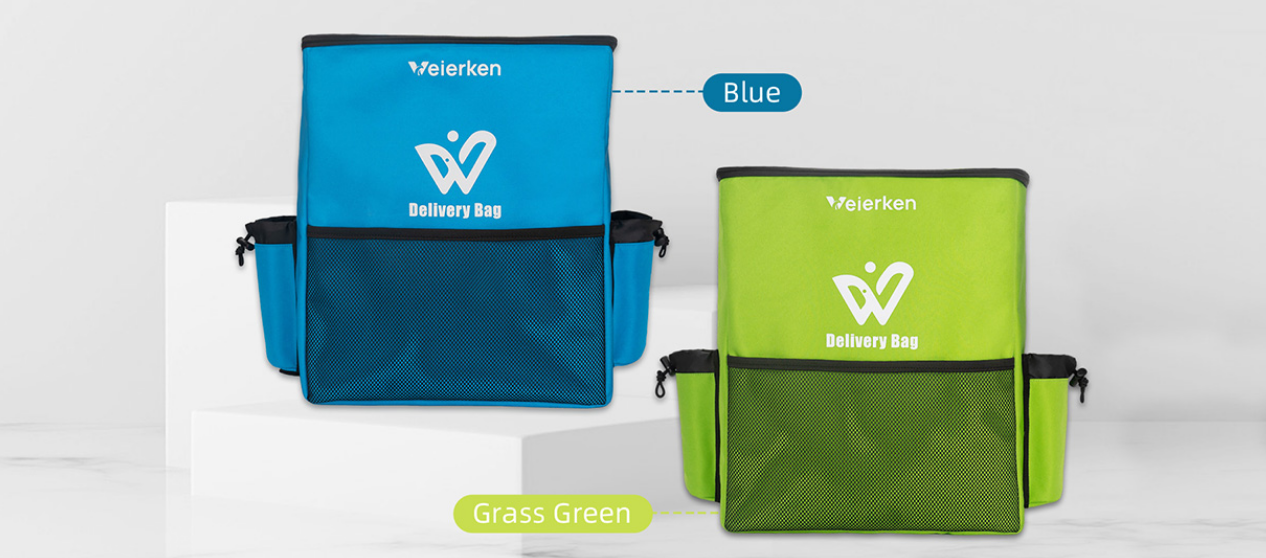
As the delivery industry approaches 2026, fleet operators and food aggregators face two converging pressures. On one side, environmental regulations are tightening rapidly. Directives like the EU Corporate Sustainability Due Diligence Directive (CSDDD) and Corporate Sustainability Reporting Directive (CSRD) now place Scope 3 supply chain emissions under strict regulatory oversight. On the other side, intense urban competition makes last-mile fulfillment speed and food condition decisive factors in customer retention.
Generic, off-the-shelf delivery packs are falling out of favor. Forward-thinking platforms recognize that standard public-mold gear fails to communicate brand quality or survive intense courier duty cycles. Instead, next-generation private label delivery backpacks are becoming sophisticated, multi-functional tools. They combine circular textiles, real-time IoT monitoring, and ergonomic safety to protect platform profit margins and fulfill corporate ESG pledges.
Pioneering manufacturers like Weierken are actively engineering these next-generation designs, blending technical textiles with micro-electronics to help logistics brands navigate evolving regulatory and commercial demands.
Trend 1: The Circular Revolution: Sustainable Materials and Regulatory Compliance
The days of cheap, unvetted PVC and toxic water-repellent treatments are ending. Global border controls and chemical bans taking full effect across 2025 and 2026 require a complete overhaul of delivery bag material science.
Eliminating "Forever Chemicals" with PFAS-Free DWR
For decades, conventional commercial delivery bags relied on fluorinated surface treatments (C8 and C6 chemistries) to resist oil, dirt, and rainwater. These treatments contain per- and polyfluoroalkyl substances (PFAS), known widely as "forever chemicals." Regulatory bodies across Europe and North America have passed strict legislation banning the import of commercial textiles treated with PFAS.
Leading private label delivery backpacks now use advanced, fluorine-free Durable Water Repellent (DWR) solutions:
Plant-based and paraffin-wax finishes that provide high water-beading performance without environmental persistence.
Modified silicone-based topcoats that repel oily grease and road grime while remaining flexible in sub-zero winter temperatures.
Bio-based Polyurethane (PU) membranes that seal exterior textiles against heavy rain without volatile organic chemical emissions.
From Recycled Bottles to True Mono-Material Design
Using recycled fabric is no longer just a marketing plus—it is an enterprise requirement. Modern tenders demand high-performance recycled polyester (rPET) certified by the Global Recycled Standard (GRS). High-grade bags use 100% ocean-bound or post-consumer plastic flakes spun into tough 600D to 900D ballistic weaves.
The industry is also solving the end-of-life recycling dilemma. Traditional bags fuse disparate materials together: nylon shells, PVC backings, aluminum foil, polyurethane foam, and steel frames. This composite construction makes post-use recycling nearly impossible, sending millions of retired bags into municipal landfills.
Forward-thinking rPET delivery backpack manufacturer networks are moving toward mono-material engineering:
All-Polyester Construction: Pairing 100% rPET shell textiles with high-density polyester thermal felt insulation and polyester inner linings.
Recyclable Thermoplastic Polyurethane (TPU): Replacing non-recyclable EVA foam cores with expandable TPU foams that weld directly to TPU shell fabrics.
Mechanical Circularity: When a fleet pack reaches the end of its road life, workers can strip the zippers and melt the entire shell down into raw resin pellets without chemical separation.
This design architecture shields international logistics brands from carbon border taxes (like the EU Carbon Border Adjustment Mechanism) while providing verified data for annual sustainability reports.
Trend 2: The Tech-Enabled Delivery Bag: IoT, Telematics, and Active Safety
Passive thermal insulation—simply packing meals into foam walls—has reached its physical limits. Delivering across busy cities during freezing winters or scorching summers leads to inevitable heat loss on long-distance routes. Leading delivery brands are integrating active electronics directly into their custom bags.
Active Thermal Heating Systems
Modern private label delivery backpacks increasingly incorporate Positive Temperature Coefficient (PTC) heating arrays. These flexible, carbon-fiber elements sit behind food-grade inner liners, drawing power directly from an e-bike's 12V terminal or a courier's portable power bank via ruggedized, waterproof USB-C ports.
Unlike old-style wire coils, carbon-fiber film heaters distribute uniform heat without hotspots, drawing minimal power to maintain a constant 65°C interior cavity. This active heat stops steam condensation inside pizza boxes, keeping crusts crispy and meals at food-safe serving temperatures regardless of weather conditions.
Digital Cold-Chain Monitoring and Dispute Resolution
High-value logistics—including cold-chain pharmaceuticals, organic meal subscriptions, and fresh grocery deliveries—require verifiable proof of temperature control. Platforms lose substantial revenue settling customer claims over spoiled goods.
Smart, custom food delivery bags now integrate compact IoT telematics:
Bluetooth Low Energy (BLE) Data Loggers: Compact sensors continuously log temperature and relative humidity levels inside the main chamber.
Real-Time Syncing: Data syncs via the courier's smartphone app, transmitting an unbroken cold-chain audit trail to dispatch systems.
Automated Evidence: If a customer claims a delivery arrived warm, the platform references time-stamped thermal logs to confirm food-safety standards were met, cutting unjustified refunds.
Digital Asset Security and Anti-Loss Tracking
High-specification commercial courier bags represent significant capital investments. Fleet managers face persistent equipment loss from opportunistic street theft and unreturned packs when gig couriers exit the platform.
OEM engineering teams now integrate concealed tracking pockets into the bag's internal structural frame. These compartments fit Apple AirTags or low-power cellular/GPS tracking tags securely behind lining fabrics, hidden from casual view. Fleet managers can locate lost equipment across major metro areas, reducing annual hardware replacement budgets.
Active Illumination and Road Incident Reduction
Rider safety directly impacts insurance costs and corporate responsibility scores. Passive retroreflective tape only works when headlights shine directly on the fabric. In rain or fog, or at blind intersections, couriers on bicycles and e-bikes remain hard to spot.
Innovative private label gear integrates active illumination:
Flexible, impact-resistant exterior LED light strips integrated into the bag's back and sides.
Low-draw lithium battery packs that run continuously for up to 14 hours on a single charge.
Wireless handlebar controls that let couriers activate dynamic left and right turn signals on the backpack shell, alerting following drivers early.
Trend 3: The Commercial Shift: Turning Cost Centers into Profit Centers
Historically, platforms viewed rider equipment purely as an overhead cost. Operations teams bought generic, low-cost bags and gave them away or charged minimal deposits. However, high-quality private label delivery backpacks are turning this model upside down.
Platforms are establishing dedicated e-commerce stores for their drivers. High-performing couriers are often eager to pay for durable, well-designed gear that makes their workday easier:
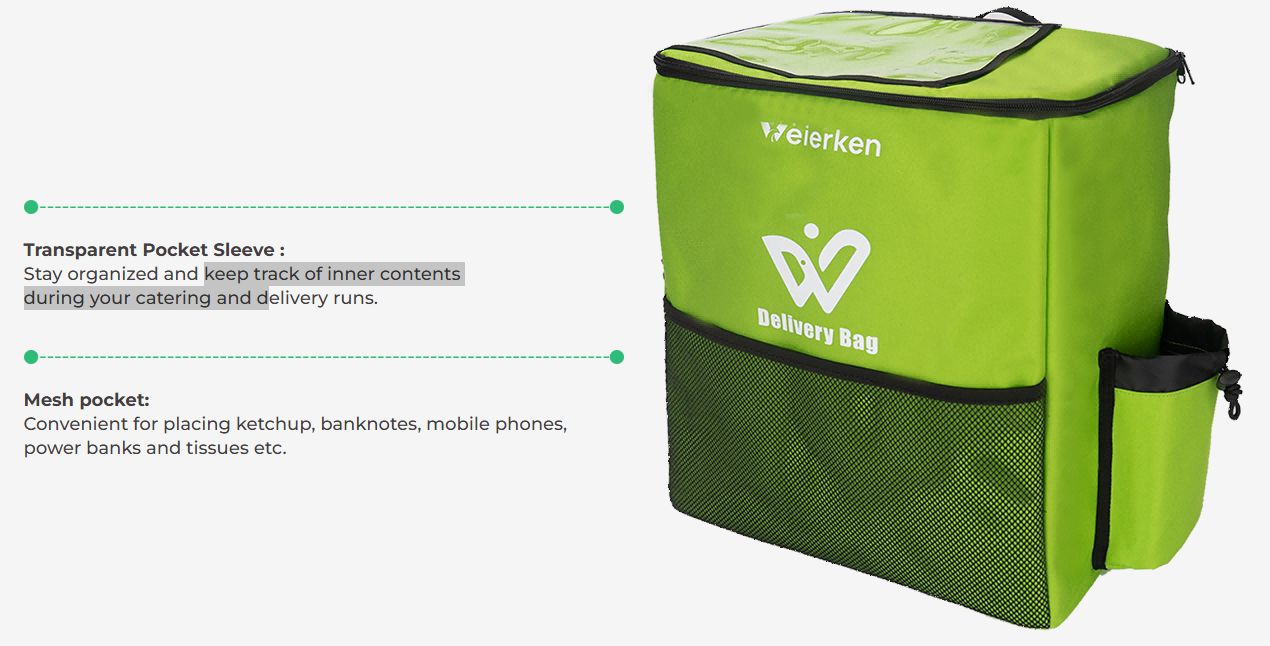
Custom Internal Form Factors: Generic rectangular bags struggle with specialty items. Custom interior layouts can feature spill-proof cup dividers for bubble tea, suspension harnesses for delicate sushi platters, or deep bases for family-sized meal combos.
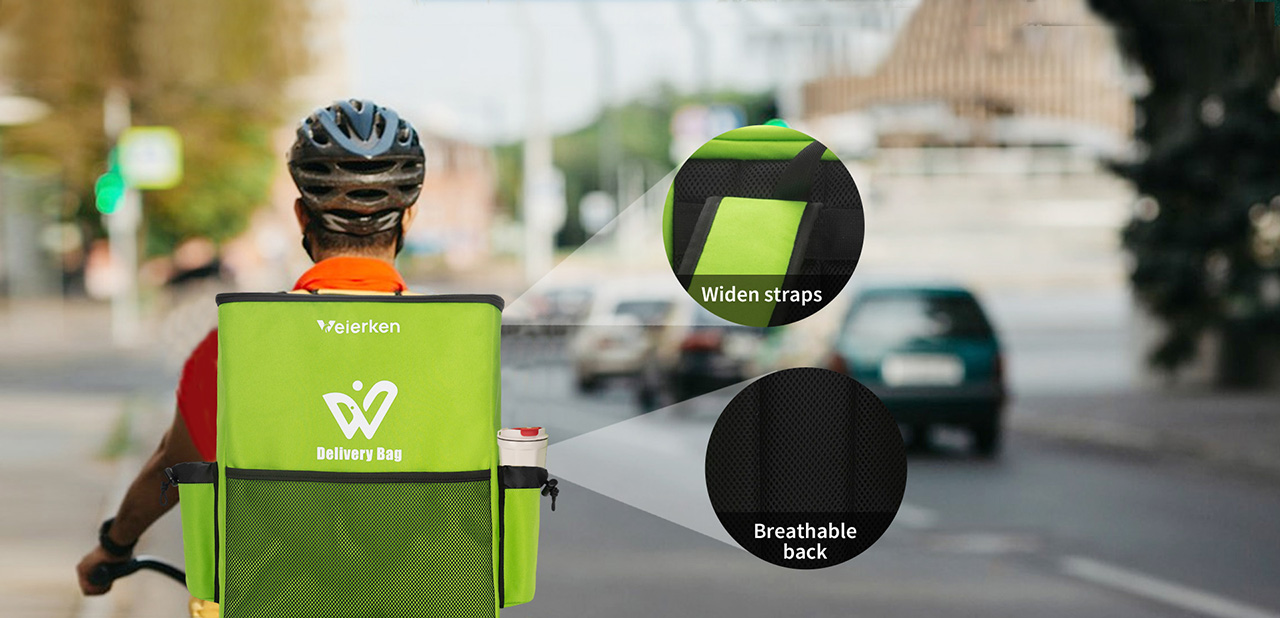
Ergonomic Weight Distribution: Custom molded EVA back panels, load-lifter shoulder straps, and padded hip belts take pressure off a courier's spine, reducing fatigue on 10-hour shifts.
Equipment as a Profit Center: By offering comfortable, feature-packed gear, platforms can sell premium packs directly to couriers at a margin, turning their procurement department into a self-sustaining revenue stream.
Furthermore, thousands of custom-branded backpacks moving through metropolitan business districts provide exceptional visual advertising, generating millions of brand impressions daily at zero media cost.
Trend 4: Selecting a 2026-Ready OEM/ODM Partner
Building a modern, tech-enabled, eco-friendly delivery pack requires far more than basic cut-and-sew skills. Sourcing teams need an advanced manufacturing partner capable of cross-disciplinary industrial engineering.
When vetting a sustainable delivery gear OEM, verify these essential capabilities:
Electronics and Waterproof Integration: The factory must demonstrate experience integrating wiring channels, sealing printed circuit boards (PCBs) against water, and installing heat-dissipation panels behind active heating units.
Verified Material Traceability: Require valid GRS Transaction Certificates (TCs), OEKO-TEX Standard 100 documentation, and third-party laboratory reports showing zero detectable PFAS or restricted phthalates.
Agile Pilot Run Capabilities: Developing advanced gear involves testing and refinement. Your manufacturing partner should support low-MOQ pilot runs (such as 500 units) to validate designs with active couriers before committing to large-scale production.
Weierken works directly with logistics platforms worldwide, maintaining in-house prototyping facilities, automated CNC cutting lines, and cleanrooms for testing electronic and thermal integration.
Frequently Asked Questions
Q1: Why are PFAS-free coatings mandatory for upcoming private label delivery backpack tenders?
A1: Regulatory bodies, including the European Chemicals Agency (ECHA) and multiple US state governments, have passed laws restricting the sale of consumer and commercial textiles using fluorinated water-repellent treatments. Platforms using PFAS-treated bags risk import seizures, fines, and serious brand damage.
Q2: Does an active heating system add significant weight to a courier backpack?
A2: No. Modern PTC heating systems use thin carbon-fiber films weighing under 150 grams. Couriers power the system via their existing phone power banks or connect directly to their e-bike battery through an external USB cable.
Q3: How do factories verify that recycled rPET fabrics are authentic?
A3: Authentic sustainable textiles include Global Recycled Standard (GRS) Transaction Certificates (TCs) for every production run. These certificates trace the material's chain of custody from post-consumer collection facilities straight through to the finished fabric roll.
Q4: How do BLE temperature sensors protect platforms from customer refunds?
A4: BLE sensors log cold-chain temperatures inside the bag every minute. If a customer claims high-value groceries or medications arrived warm, dispatch teams can review the digital log to prove the food remained below 4°C throughout the trip, preventing fraudulent chargebacks.
Q5: What is mono-material construction in delivery equipment manufacturing?
A5: Mono-material design means building the bag from a single polymer family—such as using polyester for the outer shell, insulation, and inner lining. This allows the entire bag to be shredded and recycled at the end of its useful life without costly manual disassembly.
Q6: What is the typical development timeline for a smart private label delivery backpack?
A6: Developing a smart pack typically takes 4 to 6 weeks for industrial CAD modeling, wiring schematics, and functional prototypes. Once real-world courier trials are complete, mass manufacturing generally takes 35 to 50 days.
Build Your Next-Generation Delivery Fleet Assets
The transition toward sustainable materials and smart delivery equipment is changing what logistics brands expect from their gear. Moving early lets you meet tightening environmental regulations, reduce food waste refunds, and equip your riders with professional, comfortable tools that build brand loyalty on the street.
Weierken provides custom engineering and manufacturing for commercial logistics fleets worldwide. Whether your 2026 product roadmap requires certified GRS recycled ocean fabrics, active PTC thermal heating, or integrated telematics tracking, our engineering team is ready to bring your designs to life.
Contact the OEM/ODM team at Weierken today to discuss your project requirements, request our 2026 material swatch book, or schedule an engineering consultation for your next custom delivery pack.