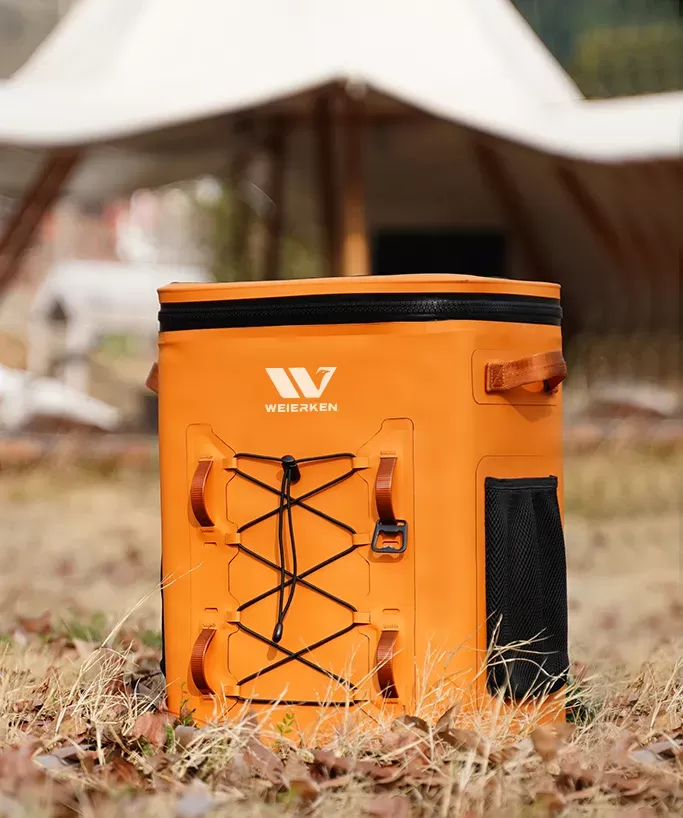

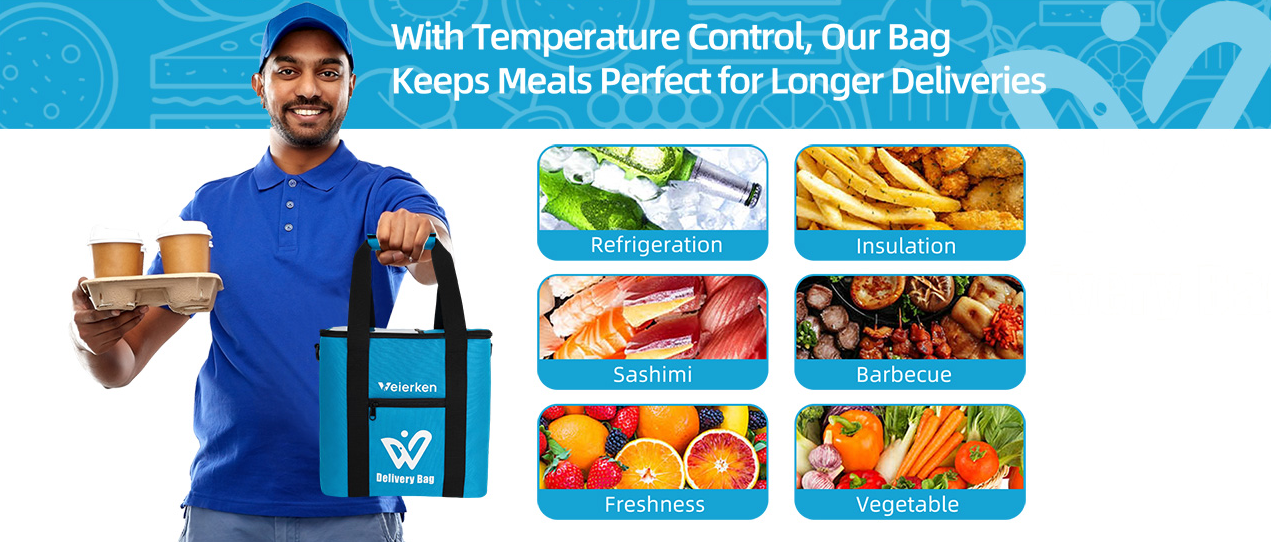
Off-premise dining now generates over 40% of total revenue for leading quick-service restaurant (QSR) chains and fast-casual brands. Takeout and delivery are no longer secondary channels; they drive core enterprise growth. For restaurant brands, the transit bag represents the final step in the cooking process, protecting meal texture and temperature until it reaches the customer.
Using cheap, generic bags quickly undermines kitchen quality. Trapped steam turns crispy fried chicken soggy. Fragile construction causes pizza boxes to sag and toppings to slide. Leaked curry or broth seeps into interior stitching, creating bacterial growth and foul odors. These failures lead to customer churn, refund requests, and damage to your brand reputation.
Finding the right restaurant delivery bag manufacturer is a strategic operational choice. Commercial manufacturers like Weierken build food transport systems that function as an extension of the kitchen line, preserving food quality and protecting franchise margins.
Food-Contact Hygiene and Advanced Thermal Engineering
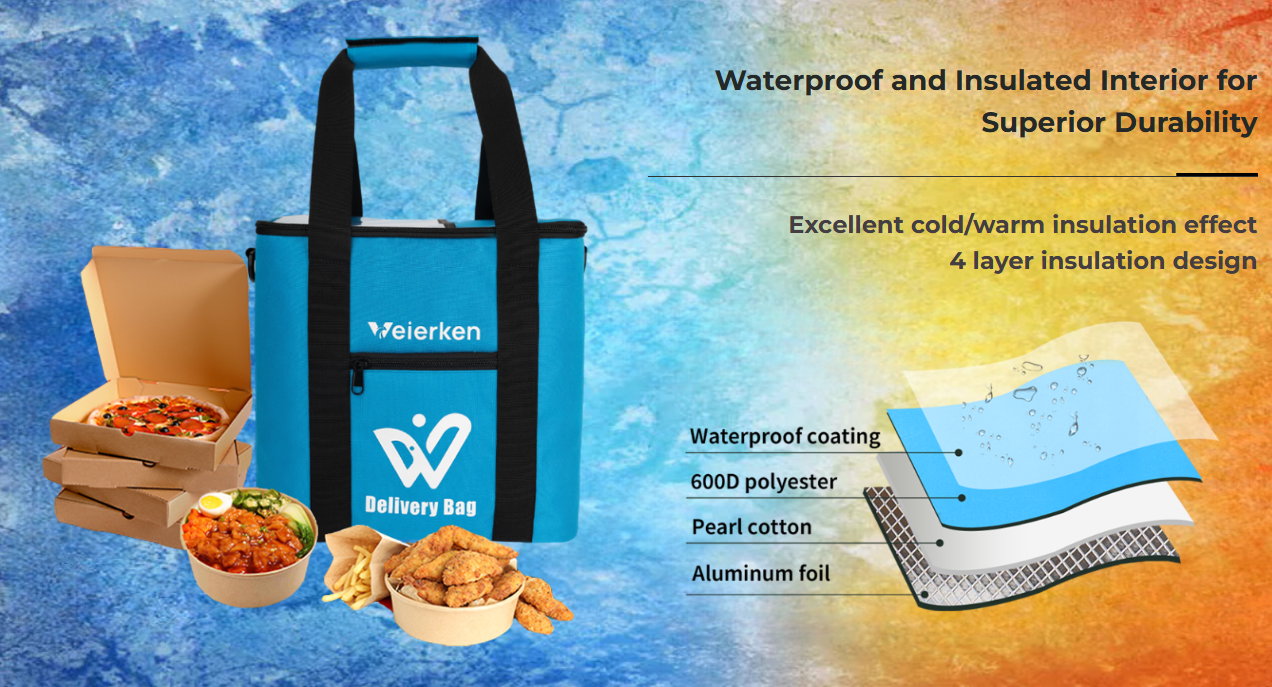
Transporting hot food involves managing heat, moisture, and grease within an enclosed space. A commercial food delivery bag OEM must build bags using materials engineered to handle direct food contact and repeated wash cycles.
Certified Food-Contact Liners
Low-grade delivery packs often use generic plastic linings that release chemical odors when exposed to high steam and hot oil. Industrial-grade restaurant bags require materials certified to strict international standards:
FDA 21 CFR and LFGB Compliance: Interior surfaces must be certified non-toxic and free from plasticizers, heavy metals, and phthalates.
High-Tension PEVA and Food-Grade Foil: Liners bonded with heat-stable adhesives withstand internal temperatures above 85°C without delaminating.
Seamless High-Frequency Welding: Melting internal liner joints with radio frequency creates a seamless tub, preventing liquid leaks from reaching the internal foam.
Oleophobic and Easy-Clean Surface Treatments
In high-volume kitchens, food spills are inevitable. If sauces seep into fabric fibers, the bag becomes a breeding ground for mold and cross-contamination. As a grease-proof thermal bag manufacturer, top factories use smooth, oleophobic coatings on interior walls.
Grease and oils wipe off in seconds with a damp sanitizing towel. For heavy spills, the waterproof construction allows workers to wash the open bag down with hot-water sprayers, air-drying it quickly before the next shift.
Moisture Control and Crispiness Engineering
Standard insulated bags only trap heat, which quickly ruins fried food. As steam rises off hot fried chicken or french fries, it hits the cool inner roof of the bag, condenses into water droplets, and drips back down onto cardboard packaging. The food arrives soggy and unappealing.
High-performance bags solve this problem with specialized moisture management:
Directional Steam Exhaust Vents: Adjustable, one-way labyrinth valves vent moisture vapor while keeping internal heat locked inside.
Moisture-Absorbing Inner Ceilings: Vapor-permeable technical membranes draw moisture away from food packaging to prevent condensation droplets from forming.
Raised Airflow Decks: Corrugated floor panels elevate food boxes slightly, promoting hot air circulation underneath meals to keep fried items crisp.
Antimicrobial and Odor-Control Technologies
Carrying aromatic foods like pizza, garlic dishes, and seafood in the same bag can cause flavor transfer between orders. Top manufacturers blend silver-ion antimicrobial agents directly into the internal liner films. This stops bacterial growth, prevents sour odors, and preserves food safety across multi-drop routes.
Purpose-Built Solutions for Modern Restaurant Formats
A single bag design cannot accommodate every restaurant format. Different cuisines and service styles require distinct physical architectures.
1. QSR and Fried Food Delivery Packs
Quick-service brands require speed and spill control. These packs feature semi-rigid, lightweight shells with micro-vented top lids to exhaust steam. The interior uses adjustable, padded compartments to separate hot burger containers from chilled drinks, preventing beverage condensation from softening dry paper packaging.
2. Pizza and Bakery Flat-Load Carriers
Carrying multiple 16-inch or 18-inch pizza boxes requires firm, flat support. Flexible bags bend under load, crushing the center of the boxes and ruining the cheese topping. Professional pizza bags use an internal skeleton of lightweight fiberglass rods or corrugated polypropylene boards to support vertical stacks of five or more boxes without crushing.
3. Ghost Kitchens and High-Capacity Catering Transporters
Virtual kitchens and catering operators handle large volumes and complex orders. These 100L+ custom catering delivery bags feature rigid, removable shelving systems that hold full-size aluminum catering pans. The multi-zone layout lets drivers carry hot catering trays in the lower half while holding chilled salads and desserts above 4°C in the top chamber.
4. Anti-Spill Beverage Caddies
Beverage spills represent a primary source of customer delivery complaints. Dedicated beverage transport units use dense, die-cut Expanded Polyethylene (EPE) foam cup wells. These custom-cut caddies grip cups of varying diameters firmly, keeping hot coffee and specialty drinks upright even during sudden vehicle stops.
Enterprise Brand Consistency and Multi-Fleet Mounting
For national and regional chains, delivery couriers act as mobile billboards. A professional restaurant delivery bag manufacturer ensures your fleet gear reinforces brand standards on every trip.
Precise Pantone Color Matching and Print Durability
Franchise networks require consistent brand colors across every location. Capable factories use spectrophotometer audits to match exterior fabric dyes to exact Pantone Matching System (PMS) codes.
Outdoor conditions are demanding. High-grade bags use UV-stabilized, weather-resistant polyurethane inks that flex with the bag material. This prevents corporate logos from fading, yellowing, or flaking under intense summer sun, freezing rain, or continuous steam exposure.
Multi-Vehicle Fleet Mounting Systems
Franchisees and third-party delivery contractors use various vehicles, including mopeds, bicycles, e-bikes, and personal cars. Industrial food warmer bags factory designs must accommodate these different transport modes seamlessly.
Reinforced four-point strap systems that lock securely onto motorcycle and scooter cargo plates.
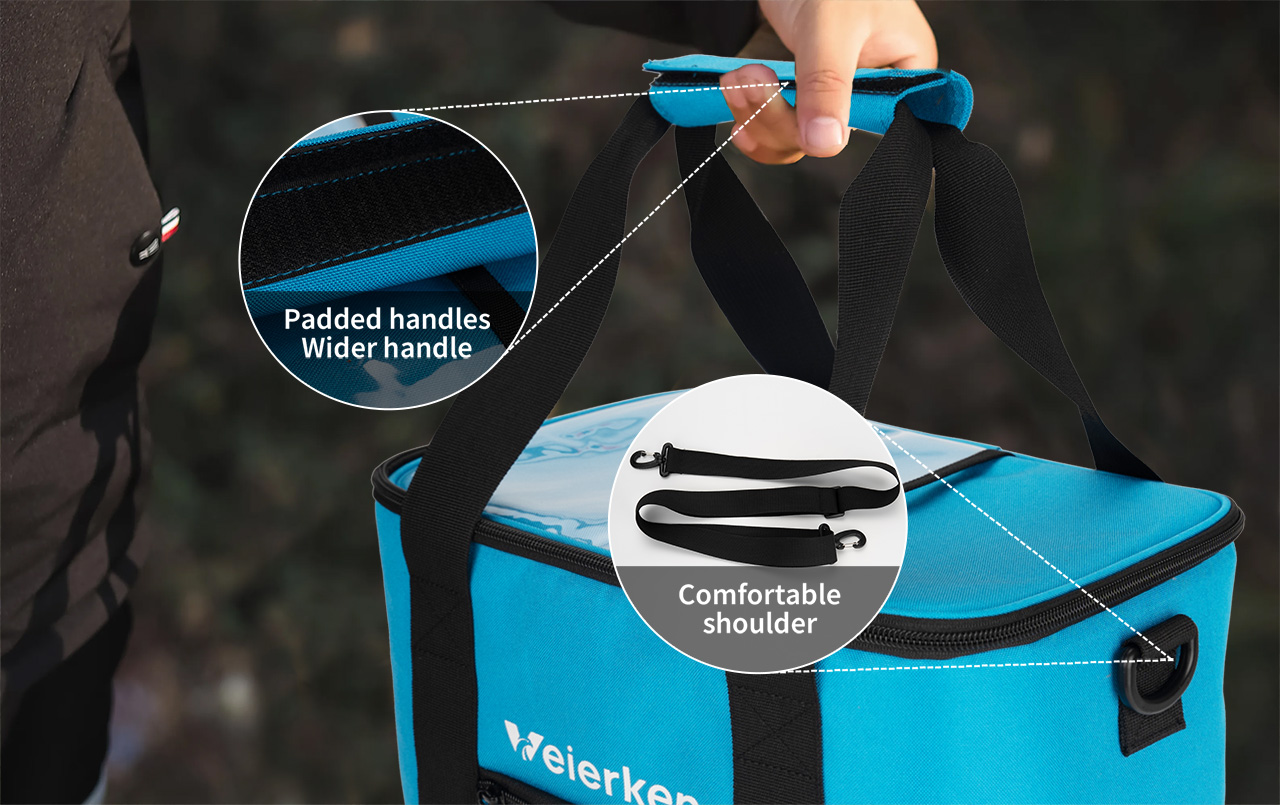
Quick-release buckle harnesses that convert rack-mounted boxes into ergonomic courier backpacks in seconds.
Non-slip silicone-studded base pads that keep catering totes from sliding across car trunks or rear seats during transport.
Manufacturers like Weierken test and validate these mounting systems on real vehicles, ensuring buckles and straps stay secure over thousands of transit miles.
Supply Chain Scalability, Franchise Distribution, and Compliance
Managing gear sourcing for large franchise networks requires reliable manufacturing capacity, transparent quality control, and dependable fulfillment logistics.
International Quality Audits and Social Compliance
Enterprise restaurant brands cannot risk working with unvetted suppliers. Tier-one procurement teams require verifiable certifications before approving a new equipment vendor:
ISO 9001: Verifies standardized quality control, from incoming material inspections to final pull-force testing on handle seams.
Sedex (SMETA) or amfori BSCI: Confirms the manufacturing plant maintains fair wages, safe working environments, and ethical labor standards.
Global Recycled Standard (GRS): Provides material traceability when using post-consumer recycled fabrics (rPET) to meet corporate sustainability goals.
Tiered Pricing and Custom Tooling Amortization
Rolling out new equipment across hundreds of franchise locations requires clear cost management. Experienced suppliers offer transparent tiered pricing. While a 500-unit pilot run helps validate new designs, scaling to 5,000 or 20,000 units significantly lowers per-unit costs by optimizing fabric cuts and amortizing hardware tooling expenses.
Franchisee Drop-Shipping and Logistics Support
Managing equipment distribution from corporate headquarters creates unnecessary administrative work. A capable QSR delivery gear supplier provides direct drop-shipping services for franchise networks.
Individual store operators can order replacement gear through a dedicated corporate portal. The manufacturing partner manages regional inventory, barcoding, and direct dispatch, allowing the brand headquarters to run an efficient, asset-light procurement model.
Buffer Stocks for Peak Seasonal Demand
The foodservice sector experiences predictable seasonal spikes around holidays, sporting events, and marketing promotions. Dependable manufacturers keep safety stocks of core raw materials, such as industrial tarpaulin and insulation foam. This buffer stock lets them ramp up production quickly to fulfill replenishment orders without long lead times.
Frequently Asked Questions
Q1: How do commercial delivery bags keep fried foods crispy during transit?
A1: High-performance bags use directional steam exhaust vents and vapor-permeable inner liners. These features release trapped steam while holding core heat inside, preventing condensation from soaking into paper boxes and making fried foods soggy.
Q2: What is the difference between standard foil linings and certified food-grade PEVA?
A2: Standard foil is often fragile and can tear or flake after repeated cleanings. Food-grade PEVA is a flexible, non-toxic polymer that can be seamlessly heat-welded. It resists grease, cleans easily, and provides a completely leak-proof barrier that meets FDA and LFGB standards.
Q3: Can a single catering bag transport hot meals and chilled desserts simultaneously?
A3: Yes. Using thick, insulated dividing walls with sealed hook-and-loop edges, a bag can be split into two separate thermal zones. This setup holds hot catering trays above 65°C on one side while keeping chilled beverages or salads below 4°C on the other.
Q4: How do commercial factories prevent grease and liquids from ruining the insulation?
A4: Manufacturers use high-frequency (RF) seamless welding to build leak-proof interior tubs. Because there are no needle holes from traditional stitching, liquids, oils, and grease cannot seep into the internal EPE or EVA insulation foam.
Q5: What are standard Minimum Order Quantities (MOQs) for custom-manufactured restaurant bags?
A5: Fully custom designs—including bespoke dimensions, interior dividers, and custom-dyed fabrics—typically start at an MOQ of 500 to 1,000 units. Standard bag patterns customized with corporate logos and colors can often be produced at lower volumes.
Q6: Can an OEM factory ship delivery bags directly to individual franchise stores?
A6: Yes. Experienced commercial suppliers offer fulfillment and drop-shipping support. They handle custom retail packaging, store-level barcoding, and direct dispatch to regional stores, helping corporate brands avoid central warehousing costs.
Upgrade Your Chain's Off-Premise Delivery Equipment
Every delivery bag carrying your brand logo affects how customers perceive your food. Sourcing from a specialist restaurant delivery bag manufacturer ensures meals arrive at the table with the temperature, crispiness, and presentation your culinary team intended.
Weierken designs and manufactures custom commercial food delivery gear for quick-service brands, casual dining chains, and catering networks worldwide. From steam-vented fried food carriers to heavy-duty motorcycle cargo systems, our engineering team builds solutions that protect food quality, driver comfort, and brand reputation.
Contact our OEM engineering team at Weierken today to request our Restaurant OEM Customization Handbook, order a custom-branded sample kit, or submit an RFQ for your franchise network.