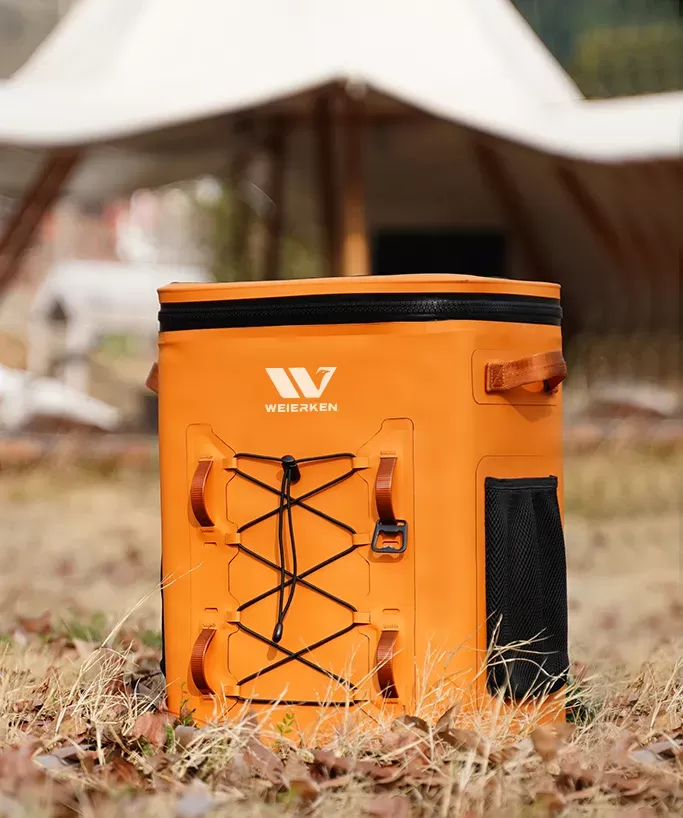

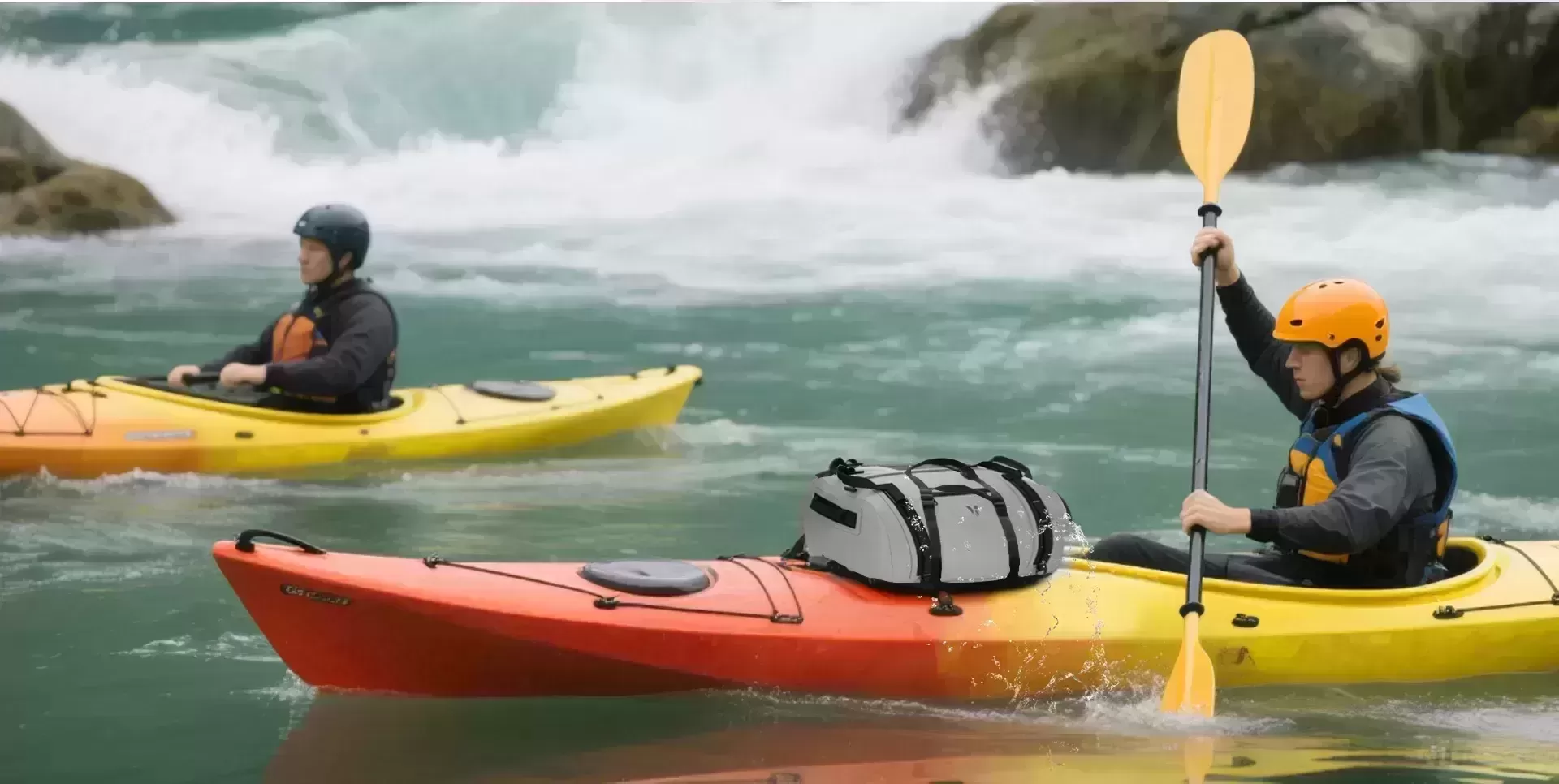
Participation in paddleboarding (SUP), wake surfing, kayaking, and open-water diving continues to grow worldwide. Demand for specialized waterproof gear, dry backpacks, and deck bags has surged accordingly.
Many brands face significant procurement challenges when sourcing waterproof bags. Working through trading companies often inflates unit costs and hides critical quality control issues like pinhole leaks or delaminating seams.
Furthermore, environmental regulations in Europe and North America now restrict traditional PVC materials. Outdoor brands must adapt rapidly to remain compliant and competitive in 2026.
By partnering directly with a specialized watersports bag odm factory like weierken, brands eliminate middleman markups, secure advanced TPU welding technology, and guarantee strict waterproof compliance.
Core Manufacturing Innovations & Technical Standards
High-Frequency (HF) & Radio-Frequency (RF) Welding Tech
Traditional needle stitching creates thousands of tiny holes in fabric. Even with taped seams, standard sewing fails under prolonged water submersion or high pressure.
Modern waterproof manufacturing relies on High-Frequency (HF) and Radio-Frequency (RF) electromagnetic welding. This process fuses TPU-coated fabric layers together at the molecular level.
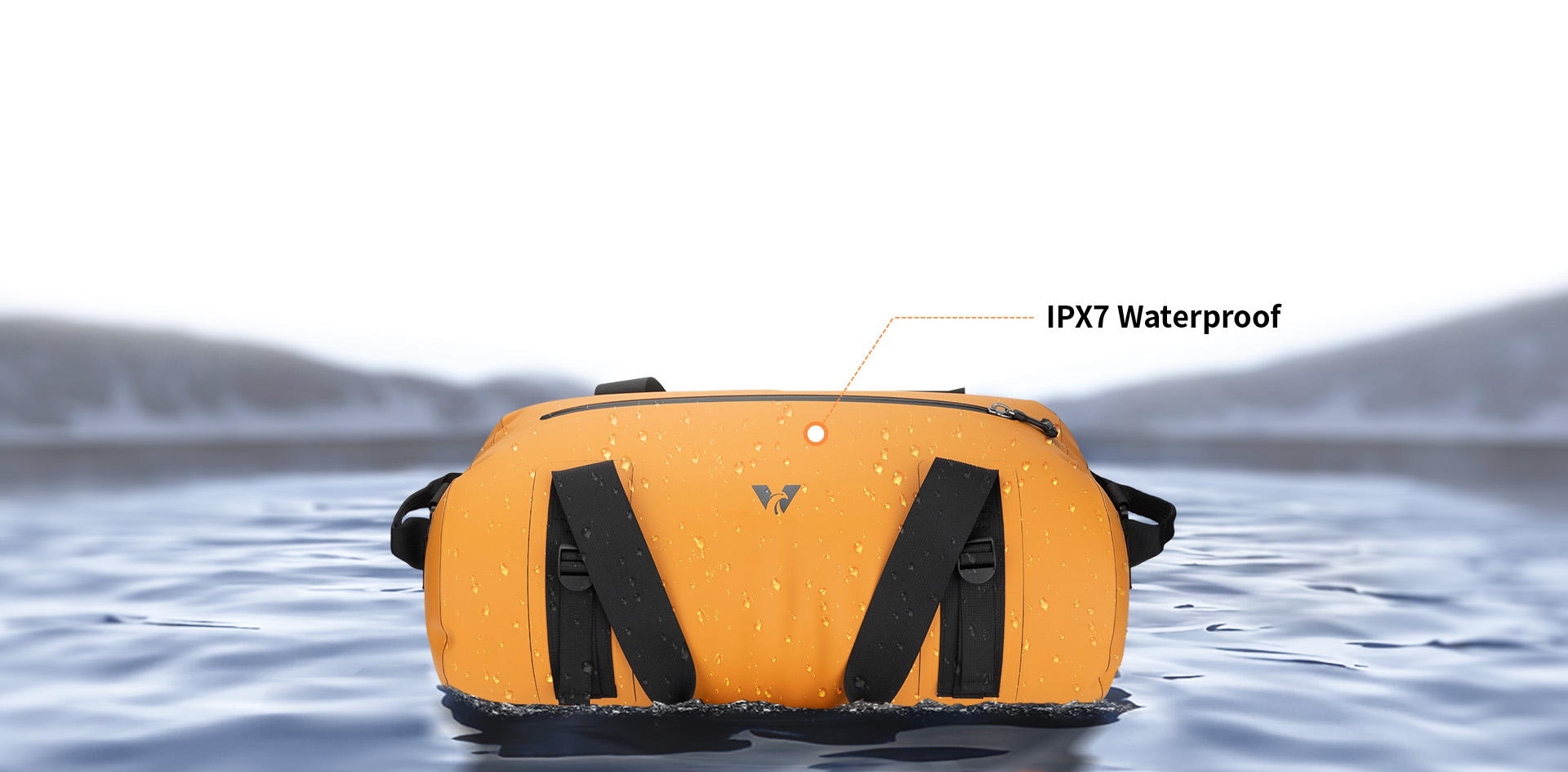
The resulting seams are completely seamless and tear-resistant. Our factory utilizes high-precision HF welding presses to achieve true IPX7 and IPX8 submersible waterproof ratings.
Eco-Friendly Material Upgrades: Eco-TPU vs. Traditional PVC
Strict environmental legislation across Europe (REACH/SVHC) and California (Prop 65) is phasing out toxic phthalates and heavy metals commonly found in low-cost PVC.
For 2026, premium outdoor brands are moving exclusively to 500D and 840D Eco-Friendly Thermoplastic Polyurethane (TPU) fabrics:
Hydrolysis Resistance: Eco-TPU does not peel, crack, or become sticky when exposed to salt water or humidity over long periods.
Low-Temperature Flexibility: Eco-TPU remains soft and pliable in sub-zero alpine or winter water conditions, whereas PVC stiffens and cracks.
Non-Toxic & Recyclable: TPU uses solvent-free coatings, making it safer for workers during heat-welding and fully recyclable at end-of-life.
Watertight & Airtight Zipper Integration
Integrating toothless gas-tight zippers requires specialized press tooling and precise temperature controls. Standard sewing methods simply do not work for airtight pockets.
We hot-weld airtight zipper tapes directly into the main bag body using high-pressure pneumatic jigs. This creates a seal capable of holding internal air pressure without leaking.
These airtight closures are essential for high-end diving duffels, rafting dry bags, and floating electronics cases designed for extreme marine environments.
2026 Watersports Bag Design Innovations
Application-Specific Adaptations
B2B buyers need designs tailored to specific water sports rather than generic waterproof sacks. Our engineering team builds multi-functional features directly into every custom layout:
SUP Deck Bag Systems: Low-profile shapes fitted with four corner swivel carabiners and suction mounts to attach seamlessly to paddleboard deck riggings.
Air Purge Valve Systems: Two-way purge valves that allow users to squeeze out excess air to compress bulky items, or inflate the bag to add buoyancy.
Wet/Dry Dual Chambers: Internal welded TPU dividers that isolate wet wetsuits, towels, and booties from dry clothing and electronics.
Ergonomics & Buoyancy Engineering
Carrying heavy waterproof gear to remote launch sites requires proper weight distribution and dry comfort. Traditional rubber straps dig into shoulders and trap sweat.
Our 2026 harness systems utilize die-cut, perforated EVA foam padding. These shoulder straps do not absorb water, dry almost instantly, and remain lightweight after submersion.
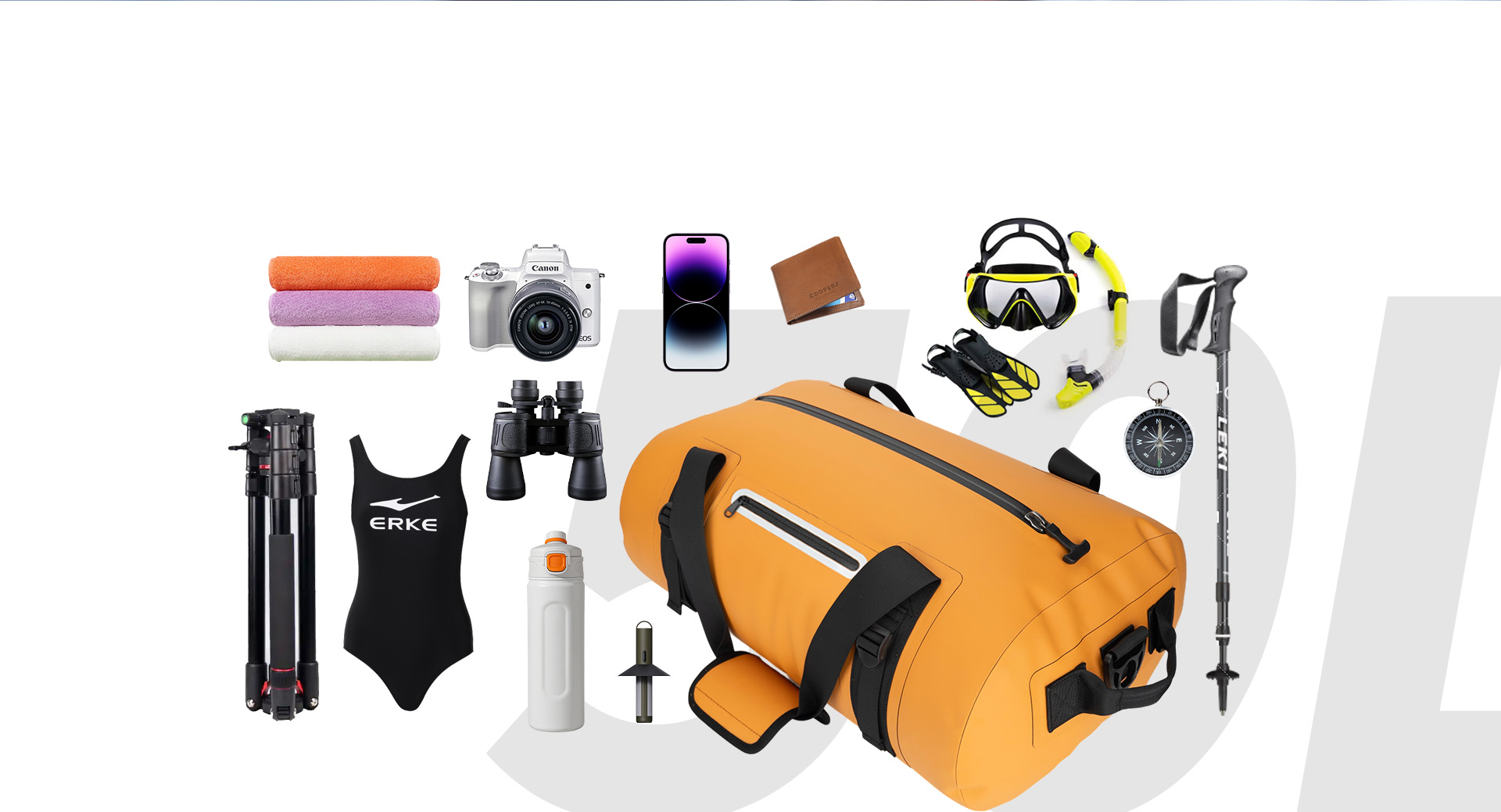
Furthermore, we calculate bag volume relative to cargo weight. This ensures that even when loaded with camera gear or camping tools, the bag floats if dropped overboard.
Safety & Smart Integration
Safety features add significant value to consumer watersports gear. Adding smart visual details helps your products stand out on retail displays and online storefronts.
We incorporate reflective screen-printed logos and high-visibility side panels to improve water rescue visibility in foggy or low-light conditions.
Touchscreen-compatible TPU windows allow users to operate GPS devices or smartphones without opening the bag and exposing electronics to salt spray.
Direct Manufacturing: Key Values for B2B Buyers
Strict In-House Quality Control
A single leaking seam can ruin a brand's reputation on Amazon or in retail stores. Quality control must happen on the factory floor, not after delivery.
At weierken, our full-service watersports bag odm process includes rigorous quality testing for 100% of production runs:
100% Air Inflation Testing: Every completed dry bag is inflated to 1.5 PSI and monitored for 24 hours to detect microscopic pressure drops.
Hydrostatic Water Head Pressure Testing: Fabrics and welded seams are tested against extreme water pressure to verify IPX8 submersion specs.
Salt Spray & UV Aging Chamber Testing: Hardware, buckles, and fabrics are exposed to accelerated salt fog to guarantee zero rust or color fading.
Eliminate Broker Markups & Reduce Tooling Costs
Sourcing directly from our production facility reduces unit landed costs by 15% to 25% compared to purchasing through intermediate trading agents.
We operate an internal mold engineering shop. This allows us to design, CNC-machine, and modify high-frequency welding dies in-house at cost.
Internalizing toolmaking lowers upfront development fees for custom bag shapes, allowing you to bring innovative designs to market faster and within budget.
Rapid Supply Chain Response
Punctual delivery is critical when preparing for seasonal outdoor sales peaks. Supply chain delays mean missed retail placement windows.
Our organized production lines and automated fabric cutters allow us to deliver custom-welded prototypes in 5 to 7 days.
By maintaining raw material inventory for standard 500D TPU and 840D TPU fabrics, we streamline lead times for mass production runs down to 30 to 35 days.
ODM Workflow & Compliance Standards
Concept-to-Market Step-by-Step Workflow
Working with an offshore ODM manufacturer should be clear, structured, and predictable. We guide your product development through four distinct phases:
1. Technical Consultation & CAD Rendering: You share your initial design concepts, functional target specs, and budget goals. We generate precise 3D CAD renders and seam layups.
2. Mold Development & Prototyping: Our tooling engineers machine custom HF welding dies. We build a fully functional prototype using your chosen TPU fabric density and colorway.
3. Rigorous Field & Lab Testing: The sample undergoes pressure testing, seal checks, and strap tension stress tests. We refine seam widths and closure hardware based on test data.
4. Mass Production & Quality Sign-Off: Once you approve the sample, mass production starts under strict inline inspection. Finished goods are 100% pressure-tested before final export packing.
Global Compliance & Regulatory Certifications
Selling technical gear in international markets requires verified compliance with local chemical and factory safety laws.
Our direct manufacturing facility maintains active compliance across all key global export standards:
ISO9001 Quality Management: Ensures structured documentation and repeatable quality control across every production department.
BSCI Social Audit: Guarantees fair working conditions, ethical treatment, and zero child labor across our assembly lines.
REACH & RoHS Compliance: All TPU films, plastic buckles, zippers, and webbing straps pass European chemical testing.
FDA Food Grade Standard: Optional TPU materials available for integrated hydration bladders and flexible water reservoirs.
Partner with Weierken for Your 2026 Line
Succeeding in the competitive watersports market requires clean design, durable materials, and zero manufacturing defects. A weak seam or leaky zipper ruins customer trust instantly.
Choosing an experienced factory direct partner for your watersports bag odm projects eliminates supply chain risks and maximizes your profit margins.
At weierken, we bring decades of high-frequency welding expertise, advanced eco-material sourcing, and strict quality assurance to every project.
Build your next generation of waterproof dry bags, SUP backpacks, and marine gear with a direct manufacturing partner that understands technical performance.
Ready to Launch Your 2026 Waterproof Product Line?
Contact our engineering team today to schedule a virtual factory tour, request eco-TPU material swatches, or receive a free ODM quote.
Email: service@weierkenbag.com | Direct Line: +86-xxx-xxxx-xxxx
Frequently Asked Questions (FAQ)
1. What is the difference between IPX7 and IPX8 waterproof ratings for bags?
An IPX7 rating means the bag can withstand accidental submersion in water up to 1 meter deep for 30 minutes without leaking. An IPX8 rating signifies that the bag remains completely watertight at depths beyond 1 meter for extended periods, making it ideal for deep diving or extreme rafting duffels.
2. Why is TPU preferred over PVC for modern watersports bags?
TPU (Thermoplastic Polyurethane) is environmentally friendly, free of toxic phthalates, and fully recyclable. It performs significantly better than PVC in cold weather, remaining flexible without cracking. TPU also offers superior resistance to abrasion, UV rays, and oil exposure.
3. How do you perform the 100% Air Inflation Test on production runs?
During quality inspection, every finished airtight bag is fully inflated with compressed air to a regulated PSI. The bags are left on test racks for 24 hours. QC technicians measure internal air pressure before and after to ensure zero microscopic pressure drops across welded seams.
4. What is the typical Minimum Order Quantity (MOQ) for custom ODM orders?
Our standard MOQ for custom-dyed TPU fabrics and custom-welded ODM bags starts at 500 to 1,000 pieces per style. If you select our stock TPU fabric colors, we can accommodate smaller initial production runs to support new market testing.
5. Can you help develop custom HF welding molds for unique bag shapes?
Yes. We operate an internal tooling workshop equipped with CNC milling machines. Our engineers design and build custom aluminum welding dies based on your technical CAD drawings, ensuring precise seam placement for complex 3D bag geometry.
6. What is the average sample lead time for a custom watersports bag ODM project?
Once CAD patterns and specifications are approved, physical sample creation takes approximately 5 to 7 business days using stock materials. If custom mold creation or specialized hardware casting is required, sample lead times average 12 to 15 days.