

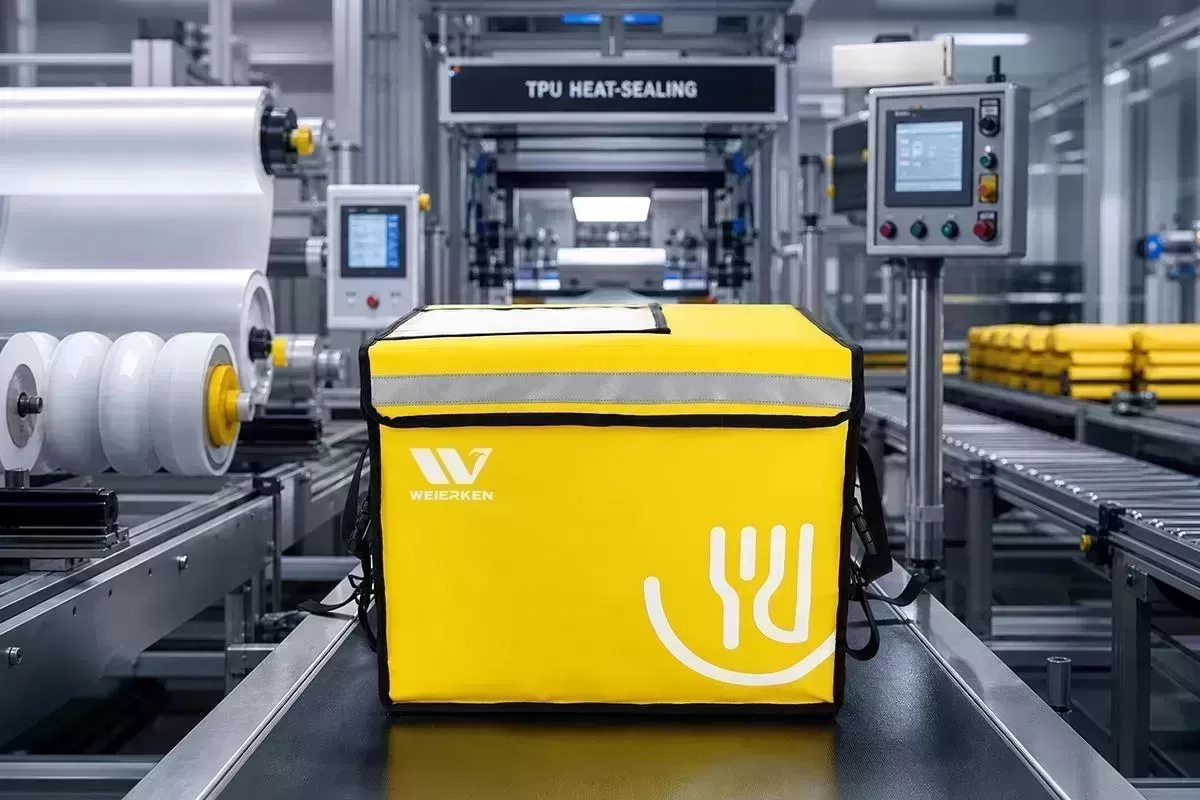
Global apparel and gear brands actively re-evaluate their Asian manufacturing footprint to manage risks and cut tariff overhead. Southeast Asia has drawn significant investment, turning into a key regional hub for soft goods production.
Finding a trustworthy Vietnam backpack ODM (Original Design Manufacturer) requires a thorough auditing process. Many facilities market themselves as full-service developers, yet operate merely as basic cut-and-sew operations.
To safeguard your product quality, profit margins, and delivery schedules, you must look past simple sales pitches. Sourcing executives require actionable audit criteria to evaluate a factory’s technical depth and supply chain resilience.
Industry leaders like Weierken show how modern gear manufacturers balance advanced design capabilities, material sourcing, and multi-country production footprints to support fast-growing global brands.
Tip 1: Evaluate True R&D and Design Engineering Capabilities
Many soft-goods factories across Southeast Asia claim to offer full ODM services. However, a large percentage simply duplicate existing tech packs without offering real design innovation.
A capable ODM partner must bridge the gap between initial concept sketches and production-ready manufacturing. They should suggest structural tweaks, recommend durable hardware, and balance weight distribution for technical carry systems.
During your vendor audit, ask prospective suppliers to demonstrate how they solve complex construction challenges. Check if their team employs dedicated pattern makers, sample technicians, and 3D CAD designers.
Pattern Development: Assess whether the factory builds custom master patterns or relies on outsourced templates.
Material Guidance: Verify their ability to recommend exact fabric weights, such as 600D Polyester versus 420D Cordura Nylon, based on end-use stress requirements.
Ergonomic Testing: Inquire how they calibrate shoulder strap density and back-panel airflow channels for high-load backpacks.
For example, Weierken grounds its product development in four core pillars: Innovation, Timelessness, Simplicity, and Sustainability. Rather than waiting for client instructions, they proactively suggest material choices and structural refinements.
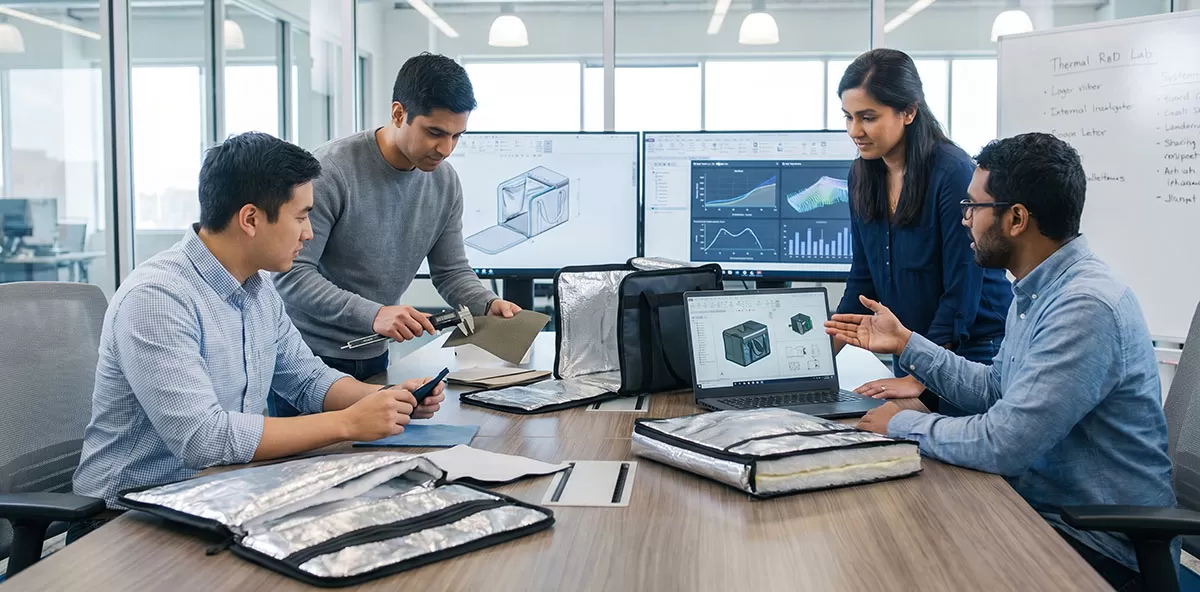
As an established Weierken bag manufacturer, the company delivers complete ODM solutions. They guide clients from initial sketch concepts to rapid 3D sample prototyping, ensuring product functionality long before bulk production begins.
Tip 2: Inspect Supply Chain Resilience and Multi-Country Synergy
Sourcing exclusively within a single country often exposes brands to sudden material bottlenecks. Many Southeast Asian assembly plants still rely heavily on imported textiles, webbing, and zippers from Eastern China.
If fabric shipments face port delays, production grounds to a halt. A thorough audit must analyze where your prospective Vietnam backpack ODM sources its raw materials and how it manages customs logistics.
Ask prospective vendors how they manage raw material lead times and buffer against localized factory shutdowns. Top-tier suppliers use integrated regional networks to secure materials quickly while maximizing trade tariff benefits.
This is where strategic partners offer a major operational advantage. Industry leader Weierken utilizes a powerful dual-base model: combining raw material integration and R&D support in China with tariff-free, large-scale assembly in Cambodia.
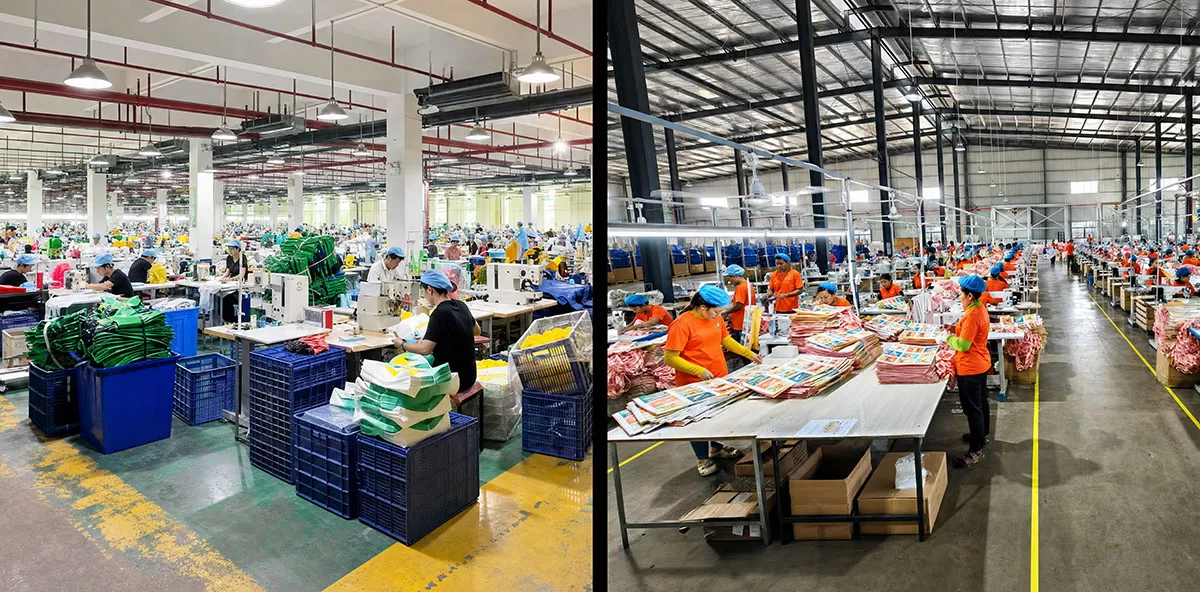
As a proven China and Cambodia bag supplier, Weierken controls 3 self-owned factories spanning over 80,000 square meters, supported by 3,000+ skilled workers. This setup delivers the cost savings of a duty-free backpack manufacturer alongside reliable raw material pipelines.
By pairing raw material sourcing agility with a certified Cambodia bag factory wholesale setup, brands avoid supply disruptions while reducing duty costs on shipments bound for North American and European ports.
Tip 3: Audit Specialized Craftsmanship and Technical Quality Control
Standard stitching works fine for daily canvas totes. However, technical gear demands specialized machinery, precise operator skill, and strict quality assurance protocols.
Categories like insulated soft coolers, outdoor packs, and dry bags require advanced construction techniques. These include high-frequency (HF) welding, seam-sealing tape application, and specialized TPU/PVC lamination.
During your physical or virtual factory audit, inspect the machine park directly. Check whether the facility owns automated cutting beds, hot-air seam sealing equipment, and dedicated pressure testing stations.
Welding Technology: Look for high-frequency radio voltage machines used to fuse waterproof TPU fabrics without needle punctures.
Leak Resistance: Ensure the factory performs air-inflation or water-submersion tests on leakproof containers.
In-Line Inspection: Verify that quality control inspectors monitor needle integrity and stitch density (SPI) at active sewing lines.
High-barrier products demand zero tolerance for manufacturing flaws. As a dedicated custom cooler bag manufacturer, Weierken builds high-performance insulation gear engineered to retain ice for days without sweating or leaking.
Their production lines manage specialized categories, operating as a reliable source for Weierken cooler bags, wholesale waterproof dry bags, and Weierken waterproof backpacks.
Whether manufacturing sealed dry sacks or acting as an OEM camping backpack supplier, Weierken enforces strict AQL 2.5 / 4.0 inspection standards. Every batch undergoes rigorous hydrostatic pressure and load-drop testing prior to final export packaging.
Tip 4: Review Environmental Compliance, Social Audits, and Sustainability
Modern consumers expect complete supply chain transparency. Retail buyers cannot afford to partner with factories that violate local labor laws or dump hazardous chemical runoff.
Your team must audit the factory’s compliance certifications. Verify that the manufacturing site holds valid, third-party social compliance reports such as BSCI, SEDEX (SMETA), or ISO9001.
Furthermore, review their sustainable material access. Check if the supplier offers certified Recycled Polyethylene Terephthalate (rPET), bluesign-approved fabrics, and Fluorocarbon-Free (PFC-free) Durable Water Repellent (DWR) coatings.
GRS Certification: Ensure the vendor holds a Global Recycled Standard chain-of-custody certificate for recycled fabrics.
Chemical Safety: Confirm compliance with EU REACH regulations and California Proposition 65 testing standards.
Workplace Safety: Check for proper ventilation, clear fire exit routes, and protective gear at gluing and cutting stations.
Working with a sustainable beach bag manufacturer or eco-conscious outdoor gear supplier protects your brand reputation while meeting global environmental regulations.
Tip 5: Test Prototyping Speed and Communication Efficiency
A factory can feature impressive machinery, yet still fail your brand if communication lags. Slow email responses and delayed sample iterations quickly derail seasonal product launch windows.
Use the sampling stage as an active trial of your prospective supplier’s responsiveness. Measure how long their account managers take to answer technical questions and update tech packs.
Evaluate how effectively their engineering team handles design changes. Rapid prototyping tools, such as digital 3D pattern rendering, dramatically shorten sample turnaround times.
Sample Lead Time: High-performing ODM partners deliver physical prototypes within 5 to 10 business days.
Dedicated Account Lead: Confirm you have a single, fluent point of contact who understands technical bag terms.
Tech Pack Translation: Check if their internal designers can build clear BOMs (Bill of Materials) directly from your rough design ideas.
Efficient communication during the prototyping stage prevents expensive mistakes during full-scale factory production runs.
Streamline Your Global Gear Supply Chain
Auditing a prospective Vietnam backpack ODM requires evaluating engineering skills, supply chain backup, technical craftsmanship, and social compliance. Choosing a partner with multi-country manufacturing strength secures your business against market shifts and tariff hikes.
Weierken continues to lead the regional soft goods industry by combining design innovation, high-frequency welding expertise, and an agile dual-base manufacturing structure across China and Cambodia.
Looking for a Reliable Bags ODM Partner with Tariff Advantages?
Weierken operates 80,000+ m² of self-owned production space and employs 3,000+ skilled workers across China and Cambodia. We specialize in high-end OEM/ODM custom manufacturing for cooler bags, seamless waterproof backpacks, outdoor camping gear, and sustainable carry solutions.
Get direct access to factory-direct pricing, fast 3D prototyping, and tailored tariff optimization strategies.
Frequently Asked Questions (FAQ)
1. What is the main difference between an OEM and an ODM backpack manufacturer?
An OEM (Original Equipment Manufacturer) simply sews products according to your exact tech pack and patterns. An ODM (Original Design Manufacturer) provides full design, engineering, material selection, and structural prototyping based on your initial concept ideas.
2. Why should brands consider a dual-country "China + Cambodia" supply model?
sourcing raw materials and engineering in China ensures quick access to technical fabrics, hardware, and fast sample creation. Shifting mass sewing to Cambodia allows brands to leverage duty-free export benefits to key Western markets while keeping production costs low.
3. How does Weierken test the waterproof performance of cooler bags and dry packs?
Weierken uses high-frequency welding machines to seal fabric seams without needle holes. Every batch of waterproof gear undergoes hydrostatic head pressure testing and air-inflation leak tests to ensure total water resistance under pressure.
4. What minimum order quantities (MOQ) apply for custom ODM backpack manufacturing?
MOQs vary depending on fabric customization and hardware requirements. Standard custom production typically starts at 500 to 1,000 pieces per colorway. Contact Weierken directly to discuss specific order quantities for your product scope.
5. How can I verify factory compliance before placing a bulk production order?
Request third-party social compliance audit reports such as BSCI, SMETA, or ISO9001. You can also schedule an on-site factory audit or hire an independent inspection agency to verify working conditions, environmental management, and machinery capacity.
6. What lead times should I plan for custom ODM sample development?
Initial 3D digital concepts take 2 to 3 days. Physical paper pattern making and initial prototype stitching typically take 7 to 10 business days, depending on hardware availability and fabric dyeing requirements.