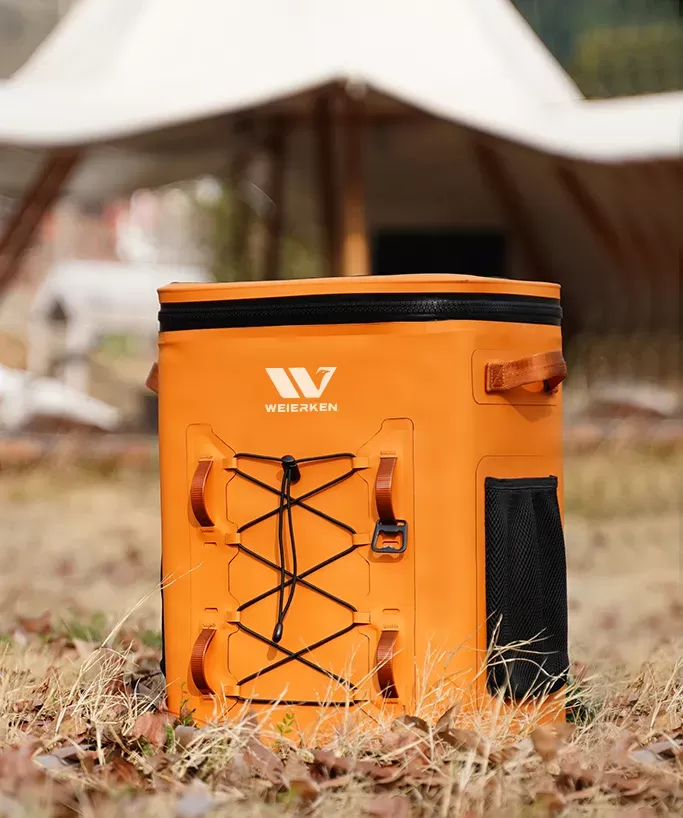

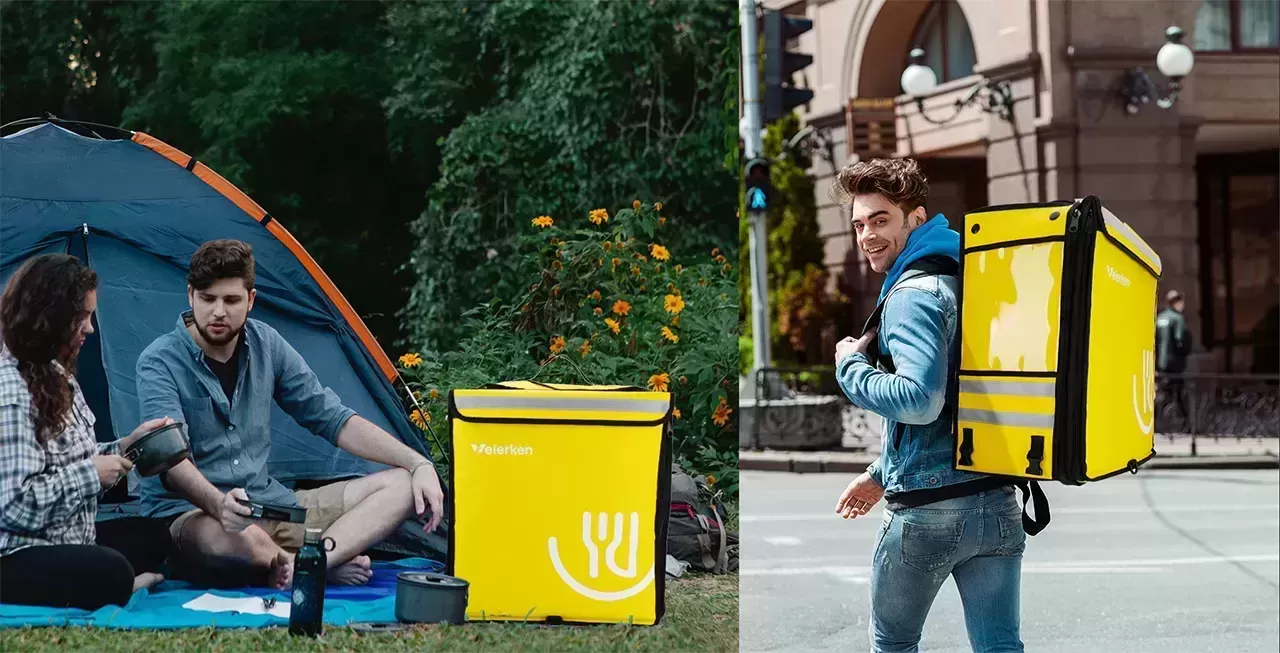
Managing food logistics requires a careful balance of temperature control and operational cost. In the modern baking industry, packaging is no longer just a structural container. It is a critical extension of the cold chain. High delivery costs force procurement teams to scrutinize every detail of their supply chain.
Historically, bakeries relied on regional distributors or trading agencies to source their thermal packaging. Today, the trend points toward supply chain simplification. Partnering directly with a dedicated cake insulated bag maker is a practical way to streamline logistics and reduce expenses. Manufacturers like weierken provide direct engineering access that helps brands protect their delicate baked goods during transit.
This article examines three specific commercial benefits of moving to a direct sourcing model for your custom thermal packaging needs.
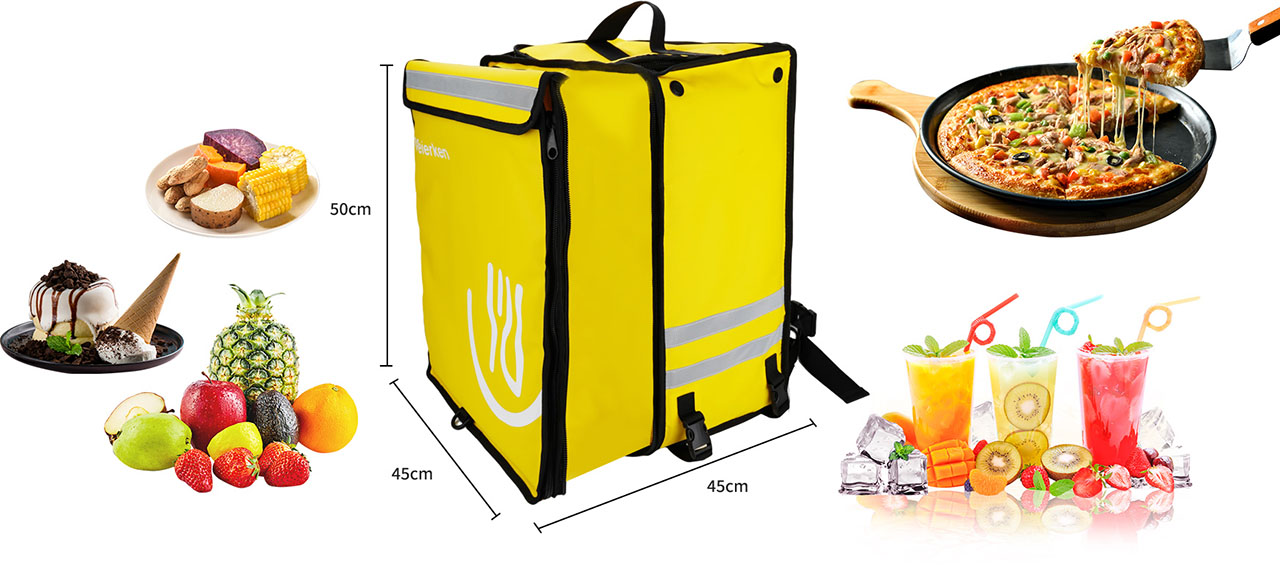
Benefit 1: Cost Structure Optimization and Price Transparency
The most immediate impact of a direct sourcing strategy is the improvement of your procurement margins. Trading companies and local wholesalers provide convenience, but they also add a markup of 15% to 30% on top of the actual production costs.
Eliminating Middleman Markups
When you work directly with a cost-effective bakery packaging supplier, you pay for raw materials, manufacturing labor, and factory overhead. You do not pay for third-party brokerage commissions. This difference accumulates quickly when you order tens of thousands of units annually.
Transparent Material Breakdown
A direct manufacturer builds pricing based on clear material formulas. When negotiating with a wholesale cake cooler bag manufacturer, you receive a detailed breakdown of costs:
Exterior Shell: The price per meter of specific fabrics like 600D Oxford polyester or non-woven fabric.
Insulation Core: The thickness and density of Expanded Polyethylene (EPE) foam or polyurethane sheet.
Inner Liner: The choice between heat-sealed PEVA linings or reflective aluminum foil.
Hardware & Zipper: Standard coil zippers versus heavy-duty waterproof zippers.
This level of detail allows you to adjust product specifications to fit your target budget. You pay for the exact features you need, rather than pre-packaged options from a broker's catalog.
Volume-Based Tiered Pricing
Direct factories calculate prices based on machine efficiency and raw material extrusion runs. They offer structured pricing tiers that help procurement managers plan long-term budgets. Increasing your order volume allows the factory to purchase raw materials in bulk, passing those savings directly to you.
Benefit 2: Direct Technical Alignment and Customization
Customizing packaging for delicate baked goods involves specific technical challenges. Cakes are heavy, sensitive to tipping, and require precise humidity control. Intermediate trading companies often struggle to convey these specific technical requirements to the factory floor.
Reducing Communication Errors
Brokers usually lack deep knowledge of material science and textile engineering. If you ask a broker for a leak-proof lining, they might pass on the request as "waterproof." A direct cake insulated bag maker understands that you need heat-sealed seams rather than stitched ones to prevent condensation leakage.
Direct technical communication ensures that the physical bag matches your operational needs:
Load-Bearing Solutions: Factory engineers can design rigid baseboards and run the carry handles underneath the base to prevent the bag from sagging.
Condensation Control: Engineers can recommend specific lining materials to minimize interior moisture buildup during hot summer deliveries.
Thermal Testing: Direct factories often have testing chambers to monitor temperature drops over specific time intervals.
Precision Branding for Your Business
Sourcing your factory-direct bakery bags directly gives you access to a wider variety of branding techniques. You can work with the production team to select the best printing method for your logo, whether it is silk-screen printing, rotogravure printing, or thermal transfer. This direct control ensures consistent color matching and prevents issues like cracking or peeling logos.
Direct access to the factory also makes it easier to customize specific functional details. For example, you can add transparent pockets for delivery receipts, integration slots for active cooling gel packs, or reflective strips for nighttime scooter delivery drivers. Manufacturers like weierken can develop these functional details during the initial sampling phase.
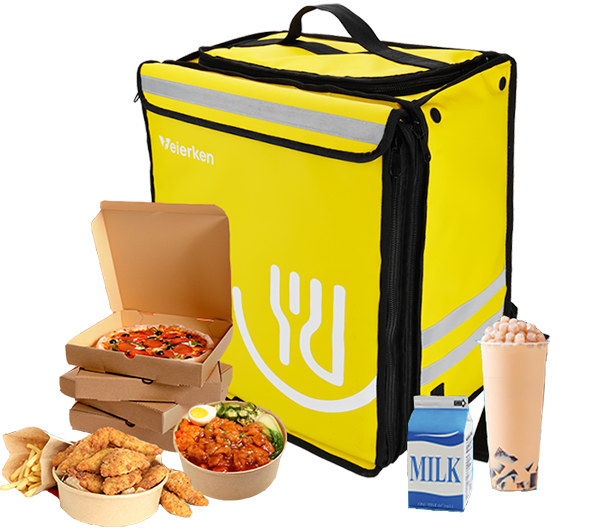
Benefit 3: Supply Chain Resilience and Delivery Accountability
When delivery deadlines are tight, any disruption in your packaging supply chain can halt deliveries and lead to lost revenue. Direct sourcing provides the visibility needed to manage these risks effectively.
Transparent Production Planning
Trading agencies often work with multiple factories and may shift your order to different facilities depending on capacity. This practice makes it difficult to track production progress. By working with a direct custom cake delivery bag factory, you gain clear visibility into the actual production schedule.
A direct manufacturer can provide real-time updates on key milestones:
| Production Stage | Estimated Timeframe | Key Deliverable |
|---|---|---|
| Material In-Sourcing | 7–10 Days | Raw fabrics and insulation materials arrive at the factory. |
| Cutting & Printing | 5–7 Days | Fabrics are precision cut and branded with your logo. |
| Sewing & Assembly | 10–15 Days | Thermal layers are stitched and structural elements are added. |
| Quality Inspection | 3–5 Days | Bags undergo load-testing, zipper checks, and cleaning. |
Knowing exactly where your order stands helps you coordinate with marketing campaigns and prepare your logistics hubs for new shipments.
Direct Quality Traceability
If a batch of delivery bags develops broken zippers or stitching failures, resolving the issue through a broker can be slow and complicated. The broker must contact the factory, negotiate responsibility, and arrange a solution, which often leads to disputes.
A direct relationship with a manufacturer simplifies this process. Direct sourcing makes it easy to trace quality issues back to specific production shifts or material batches. The factory can quickly implement corrections, ship replacements, or adjust production lines to resolve the issue.
Reliable Scheduling During Peak Seasons
The baking industry experiences significant demand spikes during major holidays and festivals. A direct manufacturing partner can reserve production capacity for your business in advance, protecting you from seasonal capacity shortages that often affect trading companies.
How to Prepare for Your First Direct Sourcing Inquiry
To get the most accurate quotation and speed up the sampling process when contacting a direct manufacturer, prepare the following details before reaching out:
Annual and Batch Volumes: Sharing your projected volume helps the factory calculate raw material costs and assign the appropriate production lines.
Detailed Specifications: Provide the exact dimensions of your cake boxes, the weight of the loaded boxes, and your target transit times.
Artwork Files: Prepare your logo files in vector format (such as .AI or .EPS) with Pantone color codes to ensure accurate branding.
Incoterms Preferences: Decide whether you want to manage international shipping yourself (FOB) or have the factory deliver directly to your warehouse (DDP).
By preparing these details, you help the manufacturer provide an accurate, competitive proposal and reduce the time needed to create your first samples.
Frequently Asked Questions
1. Why do direct manufacturers have higher MOQs than local packaging distributors?
Direct factories set minimum order quantities to cover the costs of setting up extrusion machines, dye vats, and printing screens. While distributors can sell single cartons of generic bags from inventory, a direct manufacturer must run production lines efficiently, which requires larger batch sizes.
2. How can I manage international shipping when importing directly?
Many direct factories offer flexible shipping terms like DDP (Delivered Duty Paid). Under DDP, the manufacturer handles international sea freight, customs clearance, duties, and final delivery to your warehouse, making the process as simple as a domestic purchase.
3. Can we request a physical prototype before paying for a bulk order?
Yes. A professional direct sourcing thermal bags partner will provide a pre-production sample for testing. This allows you to evaluate the insulation performance, check the material quality, and verify that your cake boxes fit correctly before starting full production.
4. How do direct factories verify that their linings are food-grade?
Manufacturers work with accredited testing laboratories like SGS, Intertek, or TÜV to test their raw materials. They can provide reports showing compliance with standards like FDA, LFGB, or REACH, ensuring the linings are safe for contact with food packaging.
5. What is the average lifespan of a high-quality cake insulated bag?
Under normal commercial delivery conditions, a well-made delivery bag with reinforced stitching and heavy-duty 600D fabric should last for hundreds of delivery cycles. Regular cleaning with mild soap and water helps extend the life of the bag.
Optimize Your Packaging Sourcing Today
Sourcing your thermal packaging directly from a dedicated manufacturer is a practical way to reduce costs, improve design quality, and build a more reliable supply chain. Direct access to engineering expertise helps your business protect its products, optimize delivery operations, and manage costs more effectively.
As an experienced manufacturing partner, weierken helps commercial bakeries and distributors design and produce high-quality thermal bags. Contact our engineering team today to share your specifications, request a sample, or get a detailed quote for your next production run.